Checkerboard tile’s bold contrast and timeless symmetry have evolved from a simple design element into a statement of both style and sustainability in modern interiors. However, as environmental consciousness grows, homeowners and designers are increasingly questioning the eco-friendliness of traditional building materials. In this article, we delve into the environmental implications of checkerboard tiles by examining the materials used in their production, energy efficiency, durability, impact on indoor air quality, and overall sustainability. We begin by exploring the material composition of these tiles to understand their environmental impact.

A Closer Look at Traditional Materials
The environmental impact of checkerboard tile begins with the materials used in its production. Traditional checkerboard tiles are primarily made from ceramic, porcelain, or natural stone—materials known for their durability and aesthetic qualities, but which also come with varying levels of environmental consequences.
Ceramic Tile
Ceramic tile is a popular choice for checkerboard flooring due to its affordability and wide range of colors and patterns. It is typically made from clay, which is shaped and dried before being fired in a kiln. While ceramic tile can be a durable option, the manufacturing process is energy-intensive, requiring high temperatures to harden the clay. This can contribute to greenhouse gas emissions if the kiln is powered by fossil fuels.
Porcelain Tile
Porcelain tile is similar to ceramic tile but is denser and more durable. It is often made from finer-grained clay and is fired at higher temperatures. This results in a more impervious surface that is less likely to absorb stains and moisture. However, the increased energy requirements for firing porcelain tiles can also have an environmental impact.
Natural Stone
Natural stone, such as marble, granite, or limestone, is a luxurious and timeless choice for checkerboard tile. However, the extraction and processing of natural stone can have significant environmental consequences. Quarrying can lead to habitat destruction, erosion, and the release of pollutants into the surrounding environment. Additionally, the transportation of natural stone from quarries to manufacturing facilities can contribute to greenhouse gas emissions.
Vinyl
The production of vinyl checkerboard tiles can involve the use of harmful chemicals, such as volatile organic compounds (VOCs), which are released into the air and contribute to indoor air pollution. VOCs are particularly prevalent in vinyl flooring and can lead to various health issues, including headaches, dizziness, and respiratory problems, with long-term exposure potentially increasing the risk of more serious conditions. These chemicals are often found not only in the vinyl tiles themselves but also in the adhesives, grouts, and sealants used during their installation.
As awareness of these health concerns grows, many homeowners and designers are turning to sustainable alternatives that not only minimize environmental impact but also offer healthier, more eco-friendly options for their spaces.

Sustainable Alternatives
As concerns about the environmental and health impacts of traditional materials continue to rise, many are seeking out more sustainable alternatives. In response, the development of eco-friendly checkerboard tile options has accelerated, offering solutions that reduce environmental impact and contribute to healthier indoor living environments.
When selecting materials for your home, it's crucial to prioritize options that are renewable, recyclable, and produced with minimal energy consumption. These sustainable alternatives not only match the durability and beauty of traditional tiles but also help reduce your carbon footprint, contributing to a greener, more sustainable future.
Porcelain and Ceramic Tiles
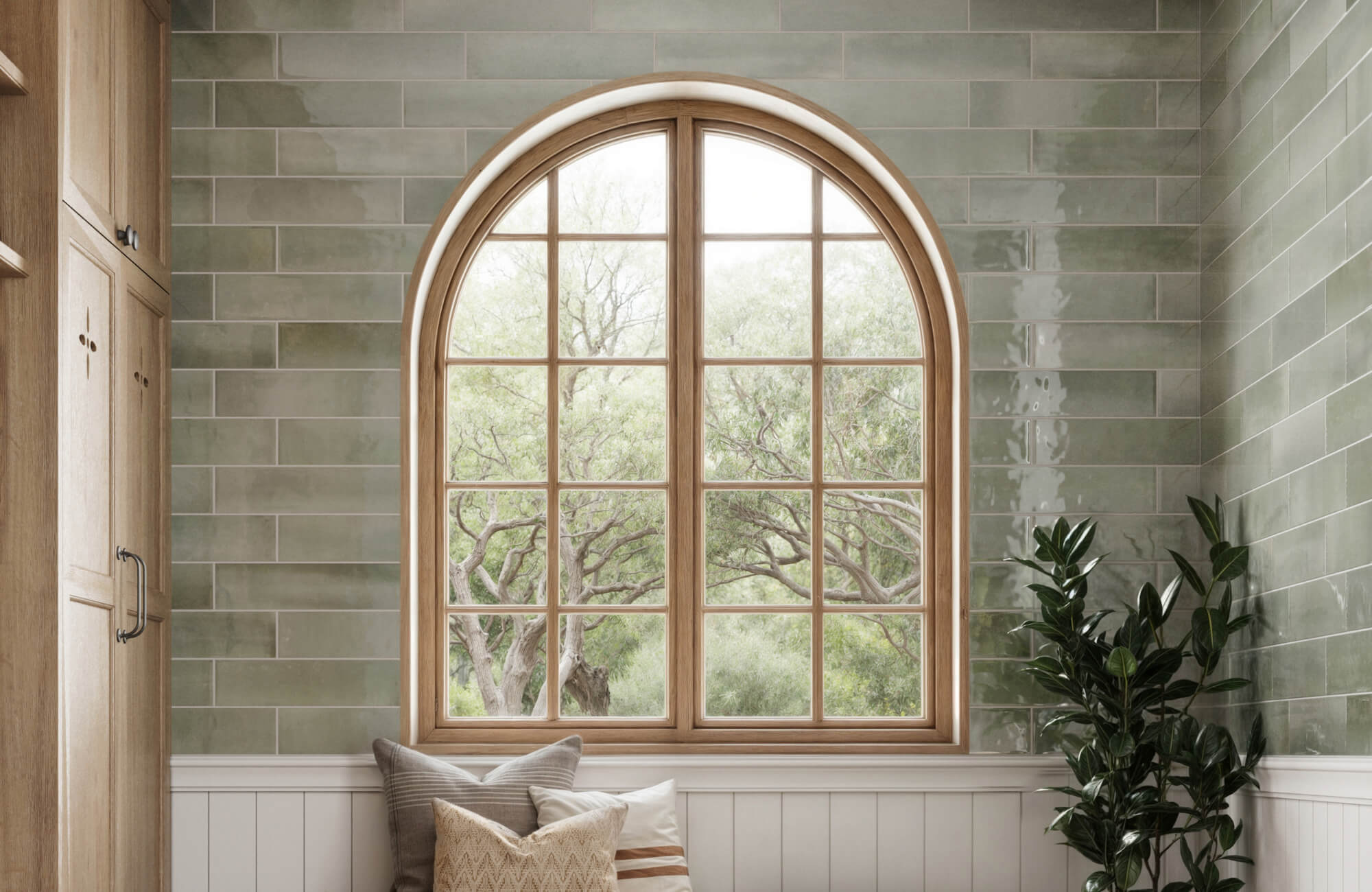
Although traditional ceramic and porcelain tiles were mentioned earlier with some environmental concerns, it’s important to note that there are sustainable alternatives available today. Sustainable porcelain and ceramic tiles, like some offered by Edward Martin, are crafted with a focus on minimizing environmental impact. These eco-conscious tiles use natural materials such as clay and water but incorporate improved production practices aimed at reducing energy consumption, emissions, and waste.
Ceramic tiles complement these efforts with less energy-intensive manufacturing and eco-friendly glazes free from harmful chemicals, enhancing indoor air quality. A great example is the Ellie 5x5 Matte Ceramic Tile in Tan (displayed in the photo above), which features a soft, natural tone and a matte finish that blends aesthetic warmth with environmentally conscious craftsmanship. Together, these sustainable options not only preserve the durability and design flexibility of traditional tiles but also offer a significantly greener alternative for eco-conscious homeowners and designers.
Recycled Glass Tile
Made from crushed glass, recycled glass tile offers a unique and sustainable option. It is durable, resistant to stains and scratches, and can be produced with minimal energy consumption. By using recycled glass, recycled glass tile also helps to reduce waste and conserve resources.
Bamboo and Cork Tiles
Bamboo tiles, made from compressed bamboo fibers, offer a durable and stylish flooring solution. As a rapidly renewable resource, bamboo is celebrated for its strength, sustainability, and ability to absorb carbon dioxide, making it an excellent eco-friendly alternative to traditional materials. Similarly, cork tiles, derived from the bark of cork oak trees, provide a renewable and sustainable choice. Cork is soft, comfortable underfoot, and possesses excellent insulation properties, along with resistance to mold, mildew, and allergens. The sustainable harvesting of cork bark does not harm the trees and supports biodiversity and carbon sequestration in cork forests.
Opting for sustainable materials like porcelain, ceramic, recycled glass, bamboo, and cork enhances both your space's beauty and its eco-efficiency. However, sustainability isn't just about the materials themselves—it also extends to how efficiently they perform in your home. Let's now explore how the energy efficiency of checkerboard tiles can further contribute to eco-friendly living.

Energy Efficiency
Energy efficiency is a crucial factor to consider when selecting checkerboard tiles. Advances in materials and installation techniques have enhanced the performance of ceramic and porcelain tiles, making them not only beautiful but also practical for reducing energy consumption in the home.
Reflective Properties and Thermal Conductivity
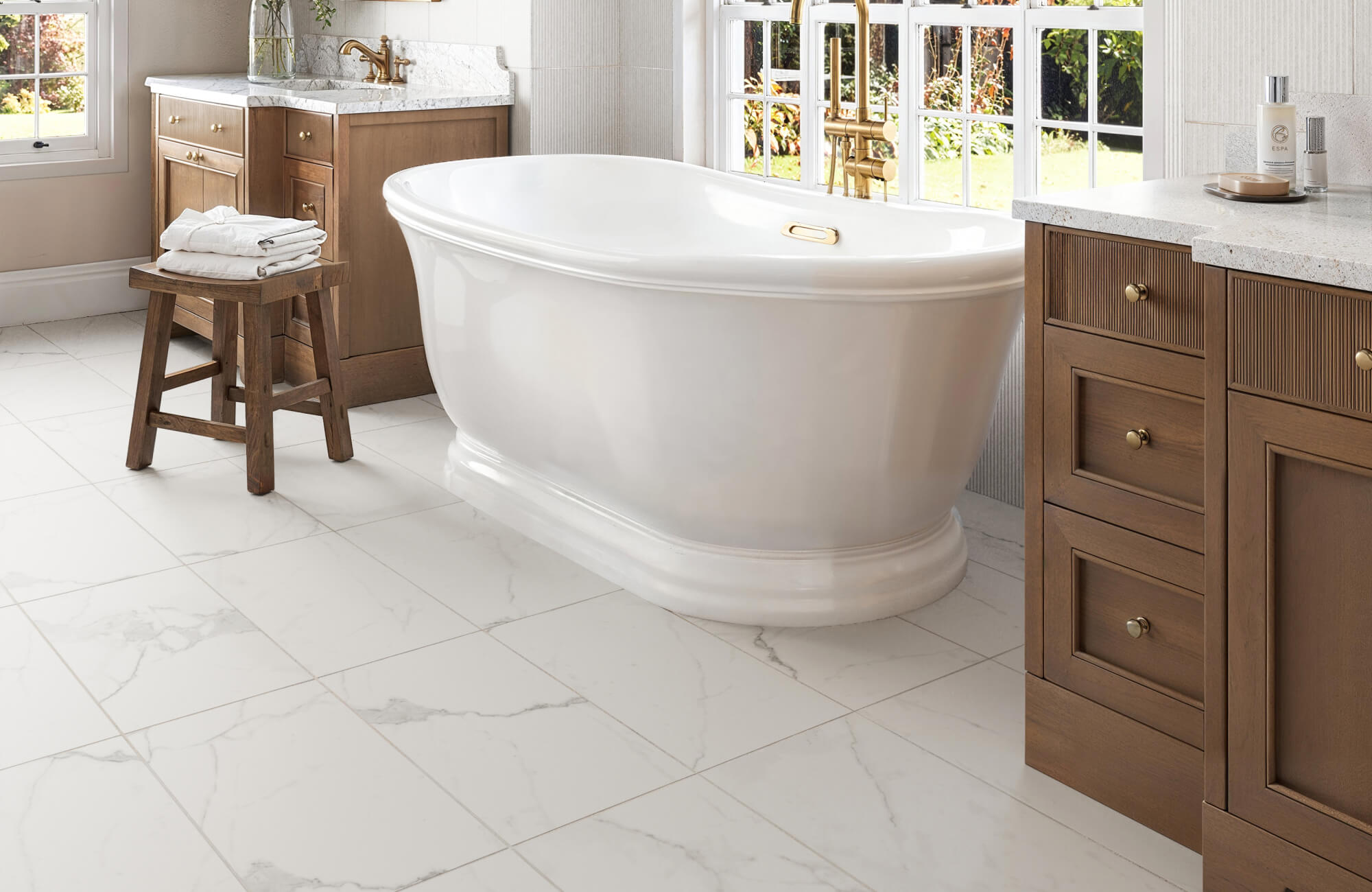
Light-colored tiles such as the Blair 24x24 Checkerboard Polished Porcelain Tile in Oniciata Grey and Volakas White, as shown in the photo above, reflect sunlight effectively, helping to keep interiors cooler in warmer months. This natural light reflectance reduces reliance on air conditioning and mitigates the urban heat island effect when used outdoors.
In addition, these tiles exhibit strong thermal conductivity, helping to regulate indoor temperatures. They retain coolness in summer and warmth in winter, improving insulation and supporting overall energy savings, especially when used in flooring or wall applications.
Installation and Maintenance for Optimal Efficiency
Proper installation plays a crucial role in maximizing the performance of sustainable tiles. Level, tightly sealed tile surfaces minimize heat loss and maintain consistent indoor temperatures. Maintenance is equally important. Sustainable tiles are also easy to care for and benefit from eco-friendly cleaning routines that require less water and avoid harsh chemicals. This responsible upkeep extends the lifespan of the tiles while minimizing environmental impact.

Durability and Longevity
Durability is a cornerstone of sustainability. Long-lasting materials, particularly ceramic and porcelain checkerboard tiles, like some from Edward Martin, offer impressive longevity, ensuring that their environmental impact remains low over time.
Lifespan and Replacement Based on Material
Eco-friendly ceramic and porcelain checkered tiles are highly resistant to wear, moisture, and scratching, even in high-use areas. With proper care, these tiles can last for decades, making them a cost-effective and environmentally sound investment. Their longevity contributes to sustainability by lowering the demand for new materials and reducing overall construction waste.
Repair and Maintenance for Sustainability
Even when minor damage occurs, sustainable ceramic and porcelain checkered tiles are easy to repair. Small chips or cracks can often be fixed without replacing the entire tile. Regular care with non-toxic, eco-friendly cleaners also ensures the tiles remain beautiful while minimizing environmental harm. This durability reduces both maintenance costs and the need for replacements, making them a sustainable option.
Recycling and Disposal for Eco-Conscious Choices
At the end of their lifespan, many ceramic and porcelain checkered tiles can be recycled or repurposed. Tiles made with recycled content are already contributing to reduced waste, and when disposed of responsibly, they further support a circular economy.
Choosing durable materials that rarely need replacement helps homeowners significantly reduce waste and energy consumption, enhancing sustainability. However, durability isn't the sole environmental consideration—indoor air quality is also vital for a healthy home, leading us to explore its impact next.

Impact on Indoor Air Quality
When considering checkerboard tiles, it’s essential to think about how they affect indoor air quality. Let’s explore how these tiles help maintain clean, breathable indoor spaces.
VOC Emissions and Their Health Impacts
Volatile Organic Compounds (VOCs) are a common concern in many building materials, including traditional tile products. These compounds can off-gas into the air, contributing to indoor pollution and triggering health issues such as headaches, dizziness, or respiratory irritation.
Sustainable ceramic and porcelain checkerboard tiles present a healthier alternative. They are often manufactured with low or no VOC materials, reducing harmful emissions that compromise air quality. A key advantage of these tiles is their compatibility with non-toxic adhesives and grouts, which further minimizes exposure to airborne chemicals during and after installation.
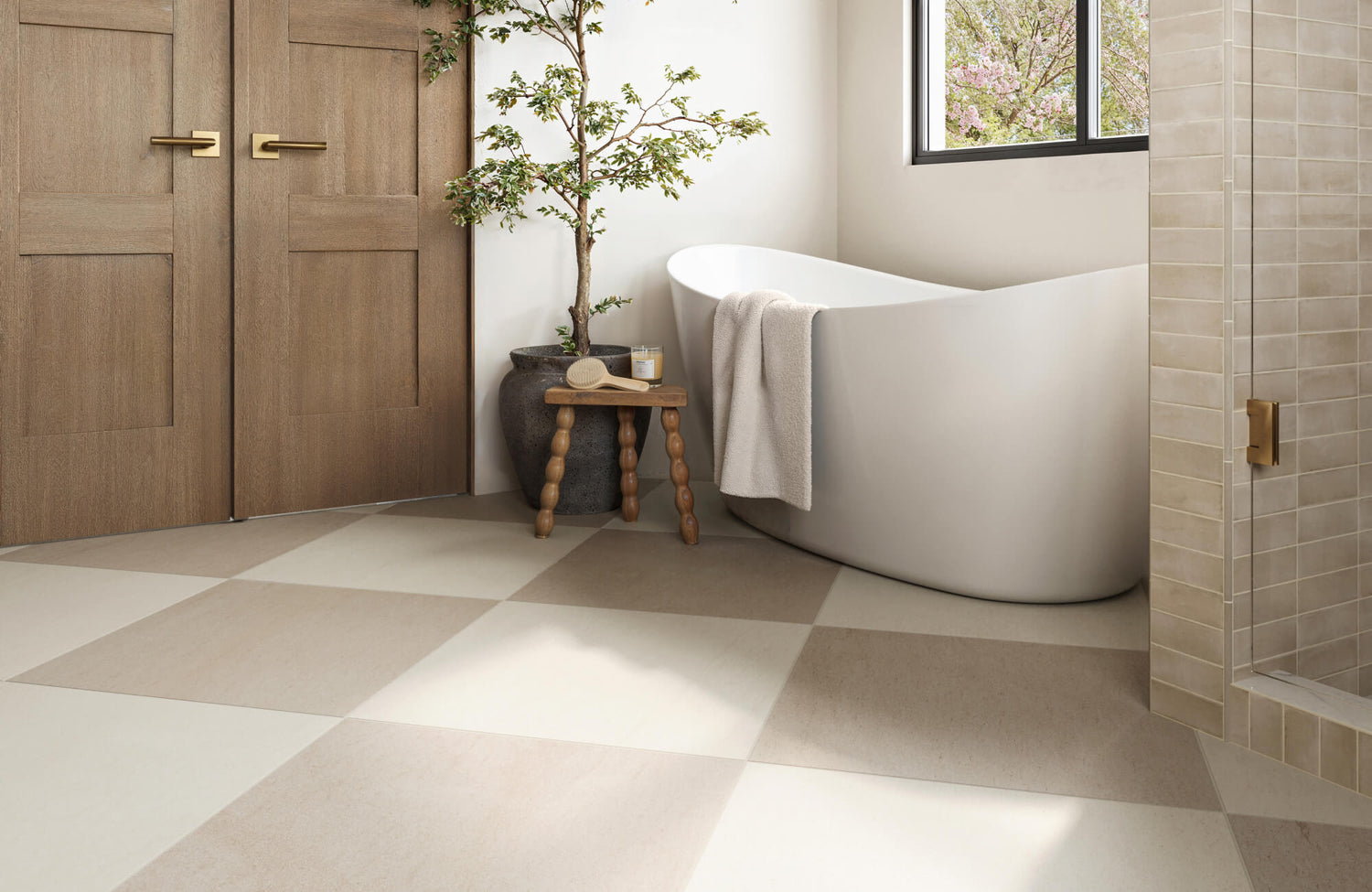
The Palmer 12x12 Checkerboard Matte Porcelain Tile in White and Grey, as shown in the picture above, is an outstanding zero-VOC product designed for eco-conscious interiors. Its matte finish ensures it does not produce harmful emissions, making it an ideal choice for homes and businesses focused on maintaining a healthy indoor environment. Additionally, these tiles are crafted as eco-friendly products, supporting sustainability without compromising quality or style.
Mold and Mildew Resistance for a Healthier Home
Sustainable ceramic and porcelain checkered tiles are naturally resistant to mold and mildew, which can thrive in humid environments like bathrooms and kitchens. Their non-porous surfaces prevent moisture absorption, reducing the risk of harmful mold growth. This resistance is especially important for maintaining healthier indoor air in moisture-prone areas. By choosing these tiles, you can prevent mold-related health issues and create a cleaner living space.
Allergen Concerns for Sensitive Individuals
Ceramic and porcelain checkered tiles are hypoallergenic, making them ideal for households with individuals sensitive to dust and allergens. Their smooth surfaces do not trap dust, pollen, or pet dander, allowing for easier cleaning. Sustainable versions of these tiles are also free of harmful chemicals that could aggravate allergies. Regular maintenance with eco-friendly cleaners helps ensure that the indoor air stays fresh and free of irritants. Choosing these tiles promotes a healthier environment for those prone to respiratory sensitivities.
Final Thoughts on Sustainability
The eco-friendliness of checkerboard tiles depends on factors like material choice, production methods, and maintenance practices. While traditional materials such as ceramic, porcelain, and natural stone may have environmental impacts, sustainable alternatives like eco-friendly ceramic and porcelain, recycled glass, bamboo, and cork offer greener options. To make a responsible choice, consider materials with low environmental impact, light-colored tiles for energy efficiency, and durable options that minimize waste. Prioritizing low-VOC products can also improve indoor air quality. By focusing on these factors, you can create beautiful spaces while reducing your environmental footprint.
To help make the decision process even easier, Edward Martin offers $2 high-quality 4" x 4" tile samples. These affordable samples allow you to feel the texture, evaluate the color, and assess the quality of the tiles before finalizing your decision. Additionally, our augmented reality (AR) tool allows you to visualize how these tiles will look in your own space, ensuring that your choices align perfectly with your design vision and sustainability goals. This combination of hands-on samples and digital visualization tools ensures that making eco-conscious choices is both accessible and precise, minimizing guesswork and enhancing satisfaction.