When you are choosing a backsplash, stone often stands out for its solid, natural presence and sense of longevity. At the same time, it is reasonable to question how well a stone backsplash fits into everyday living and whether it introduces challenges that are not immediately obvious. To answer that clearly, it helps to look beyond appearance and consider how stone performs in daily use, how it evolves, what maintenance it requires, how installation affects the outcome, what the investment involves, and how it holds its value in the long term, while also weighing stone-look alternatives that offer a similar aesthetic with different performance and maintenance considerations.

Stone Backsplash Performance in Daily Use
A backsplash needs to offer more than visual appeal. It should handle heat, moisture, and everyday activity without becoming a source of ongoing concern. Because stone behaves differently from manufactured materials, understanding how it performs in real use helps you determine whether it suits your daily routine and expectations.
Heat and Moisture Resistance
Stone manages heat exceptionally well, which explains its long history of use around cooking surfaces. When installed behind a range or cooktop, it remains stable even with repeated exposure to high temperatures and occasional splashes of hot oil. Moisture performance, however, depends on the type of stone. Denser options such as granite and slate naturally resist water, while softer stones like marble and limestone are more porous and absorb moisture more easily. This does not make them unsuitable for kitchens or bathrooms, but it does mean they perform best when sealing is maintained, and placement near sink areas is carefully considered.
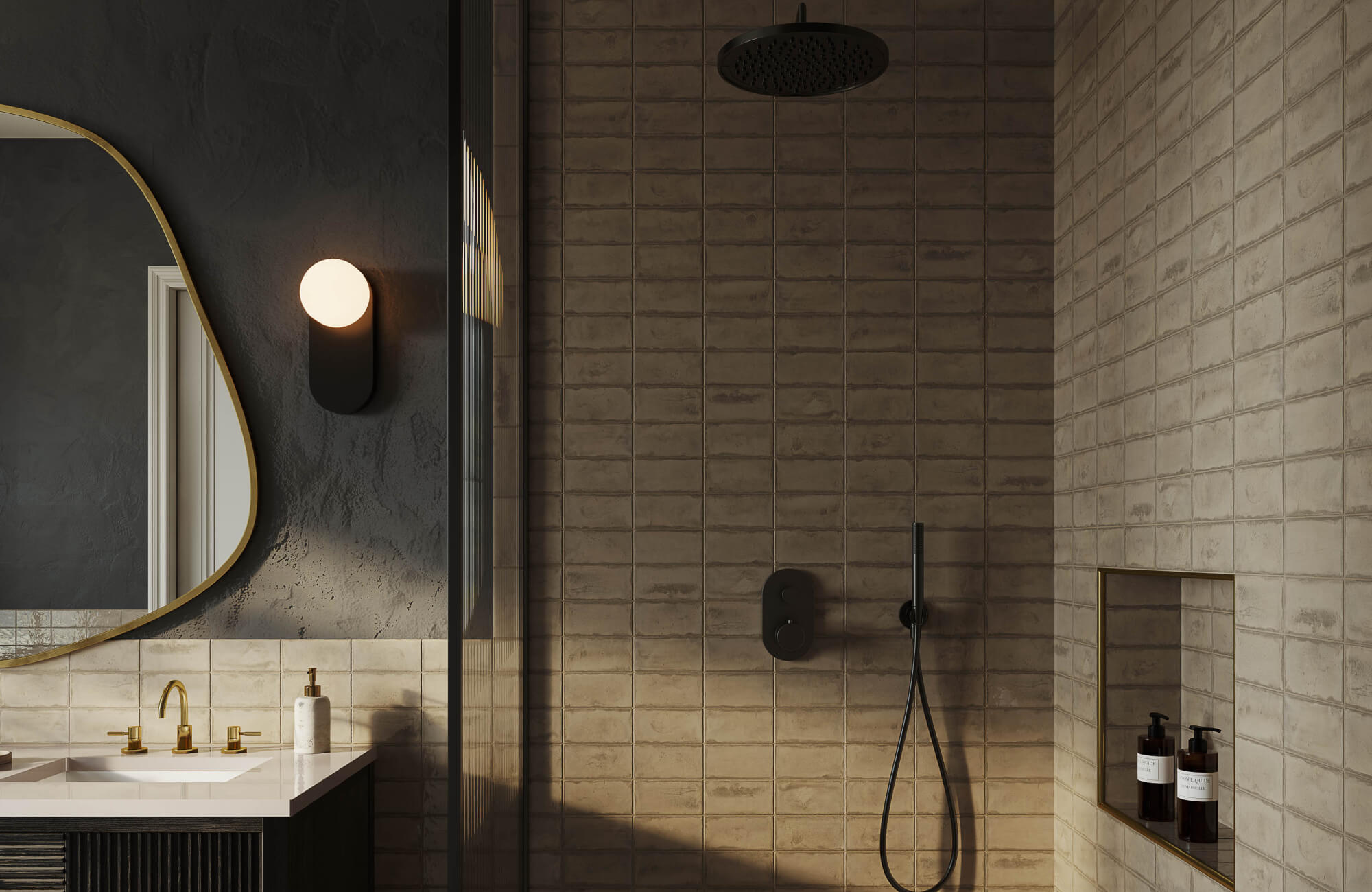
For homeowners who want the look of stone with fewer moisture-related concerns, stone-look tile can be a practical alternative. Porcelain options such as Edward Martin’s Chantel 3x12 Polished Porcelain Tile in Imperial, as featured in the photo above, capture the refined texture and tonal depth of natural stone while offering lower absorption and easier upkeep. This makes stone look tile, especially well-suited for backsplash areas that see frequent water exposure, allowing you to achieve a similar visual effect with added peace of mind.
Impact and Scratch Tolerance
In everyday use, stone generally holds up well against minor contact from cookware and utensils. Compared with glass, it is much less prone to cracking, and unlike ceramic, its edges are less likely to chip with incidental impact. Performance does vary by stone type and finish, however. Polished marble tends to show scratches more readily than honed or textured surfaces, while harder stones typically resist visible wear more effectively. When evaluating impact resistance, it is also worth considering how active your kitchen is and how comfortable you are with the possibility of subtle surface marks over time.
Longevity in Active Kitchens
Over time, a stone backsplash is more likely to age gracefully than show signs of failure. Subtle changes such as softened edges, a light patina, or gentle shifts in tone may appear, particularly in areas that are frequently used. These changes typically develop gradually and remain consistent over time rather than becoming sudden or problematic. In active kitchens, stone rarely needs to be replaced due to performance reasons, and over time, it often develops a natural character that reflects how the space is used.

Visual Impact and Design Flexibility
Aside from its performance, stone also plays a key role in shaping the overall feel of a kitchen or bathroom. Its natural qualities can add depth and character to a space, but achieving a balanced look depends on making thoughtful design choices that keep the material from feeling visually overwhelming.
Natural Variation and Texture
Stone is inherently defined by variation. Veining, mineral deposits, and surface texture add depth and visual interest that manufactured materials rarely achieve. Depending on how it is used, this variation can serve as a focal point or recede into a more subtle backdrop. When natural differences between pieces are thoughtfully embraced, the backsplash feels intentional rather than uneven. For a quieter, more restrained look, selecting stone with a narrower color range helps maintain visual balance and control.
Compatibility with Cabinet and Counter Materials
Stone works best when it complements surrounding finishes rather than competing with them. Warm-toned stone often pairs naturally with wood cabinetry, while cooler tones tend to work better with painted or metal finishes. When used alongside quartz or solid surface countertops, stone introduces contrast through texture instead of color. Allowing one surface to take the lead while the others play a supporting role helps create a balanced, cohesive look without visual distraction.
This approach is illustrated well in the photo featured above, where the stone-look Edward Martin’s Aniston 2x2 Matte Porcelain Hexagon Mosaic Tile in Calacatta Antico brings visual continuity to the space. Its soft veining and restrained color variation echo the countertop without overpowering it, while the hexagon format adds subtle texture that complements the wood cabinetry. By reinforcing existing tones and materials rather than competing with them, the stone-look backsplash helps tie the kitchen together in a way that feels intentional and visually balanced.
Stone Scale and Layout Choices
The size and layout of the stone have a clear impact on how the backsplash is perceived. Large-format slabs can create a clean, modern look with minimal joints, while smaller tiles introduce pattern and visual rhythm. Mosaics can add interest in compact spaces, but they also introduce more grout lines and increase visual density. Choosing a scale that suits the size of the room helps the backsplash feel balanced and intentional rather than overwhelming.

Maintenance Requirements and Upkeep Reality
Maintenance is often where expectations and reality meet. While stone is far from fragile, it does require a level of care that is important to understand and feel comfortable with before making a long-term commitment. Because care requirements can vary by material, it is always best to follow the manufacturer’s recommendations for both tiles and grout to ensure proper performance and long-term durability.
Sealing Frequency and Purpose
Sealing helps protect stone by reducing its ability to absorb moisture and stains. Depending on the stone type, sealing may be needed annually or only at longer intervals. The goal is not to make the surface impervious, but to slow absorption so spills can be wiped away before they leave marks. Knowing the characteristics of your specific stone allows you to set a maintenance routine that feels realistic and manageable.
Cleaning Methods That Protect Stone
Daily cleaning is straightforward when the right approach is used. Mild soap and water are typically enough to keep the surface clean without affecting the stone. Over time, harsh cleaners, acidic products, or abrasive pads can dull or damage the finish. By sticking to gentle cleaning methods, the stone maintains its appearance with minimal effort and fewer long-term concerns.
Stain Risk in Cooking Zones
Staining is a common concern in areas close to cooking surfaces where oils and sauces are frequently present. More porous stones can darken temporarily when spills occur, especially if they are not cleaned up promptly. Thoughtful placement, such as setting the stone slightly beyond heavy splatter zones, helps reduce exposure. Regular, prompt wiping plays a key role in keeping the surface looking clean and consistent over time.
For spaces where frequent cooking is part of daily life, a non-porous alternative can offer added reassurance. A piece like Edward Martin’s Harley 3x12 Polished Porcelain Tile in Greige, as featured in the photo above, provides a stone-inspired look while resisting heat, moisture, and scratches. This type of surface minimizes the risk of stains in active cooking zones, allowing the backsplash to maintain its appearance with less concern about everyday splashes and spills.

Installation Complexity and Planning Considerations
Even the highest-quality stone can fall short if installation is rushed or poorly planned. This stage has a direct impact on how the backsplash performs and looks over the long term, making careful preparation and execution essential. Because wall conditions, layouts, and materials can vary widely, consulting with a qualified professional is often the best way to ensure the installation is handled correctly and delivers reliable, long-lasting results.
Surface Preparation and Wall Conditions
Stone requires a stable, flat surface to perform properly. Uneven walls can lead to issues such as lippage, cracking, or adhesion problems over time. In kitchens and bathrooms, moisture-resistant substrates are also important, as they help protect both the stone and the wall beneath it. Proper surface preparation creates a reliable foundation that supports the material rather than working against it.
Grout and Joint Decisions
Grout selection affects both the overall look of the backsplash and the ease of ongoing maintenance. Narrow joints place more emphasis on the stone itself, while wider joints draw attention to pattern and layout. Color choice is equally important. Grout that closely matches the stone creates a more continuous look, while contrasting grout highlights the design. Together, these decisions affect how the backsplash is perceived from a distance and how manageable it is over time.
Professional Installation vs. DIY
Some stone installations allow more flexibility than others. Straightforward layouts using uniform tiles may be manageable for experienced DIY projects, while complex patterns, detailed cuts, or heavier stone formats are better suited to professional installation. Because stone is less forgiving than lighter materials, mistakes are often difficult to correct, making an honest assessment of skill level an important part of the decision.

Cost Implications and Budget Planning
Cost is another important factor to consider when deciding whether a stone backsplash is the right choice for your space. Stone backsplashes vary widely in price, and understanding where that investment goes helps you plan realistically and avoid unexpected expenses.
Material Price Differences by Stone Type
Material costs can vary significantly depending on the type of stone you choose. Granite and slate are often more accessible options, commonly ranging from about $5 to $15 per square foot, making them appealing for budget-conscious projects. Marble and limestone typically sit at the higher end, often falling between $15 and $40 per square foot due to sourcing, finishing, and their softer composition. These differences reflect more than appearance alone, as durability, maintenance requirements, and long-term care all factor into the overall cost.
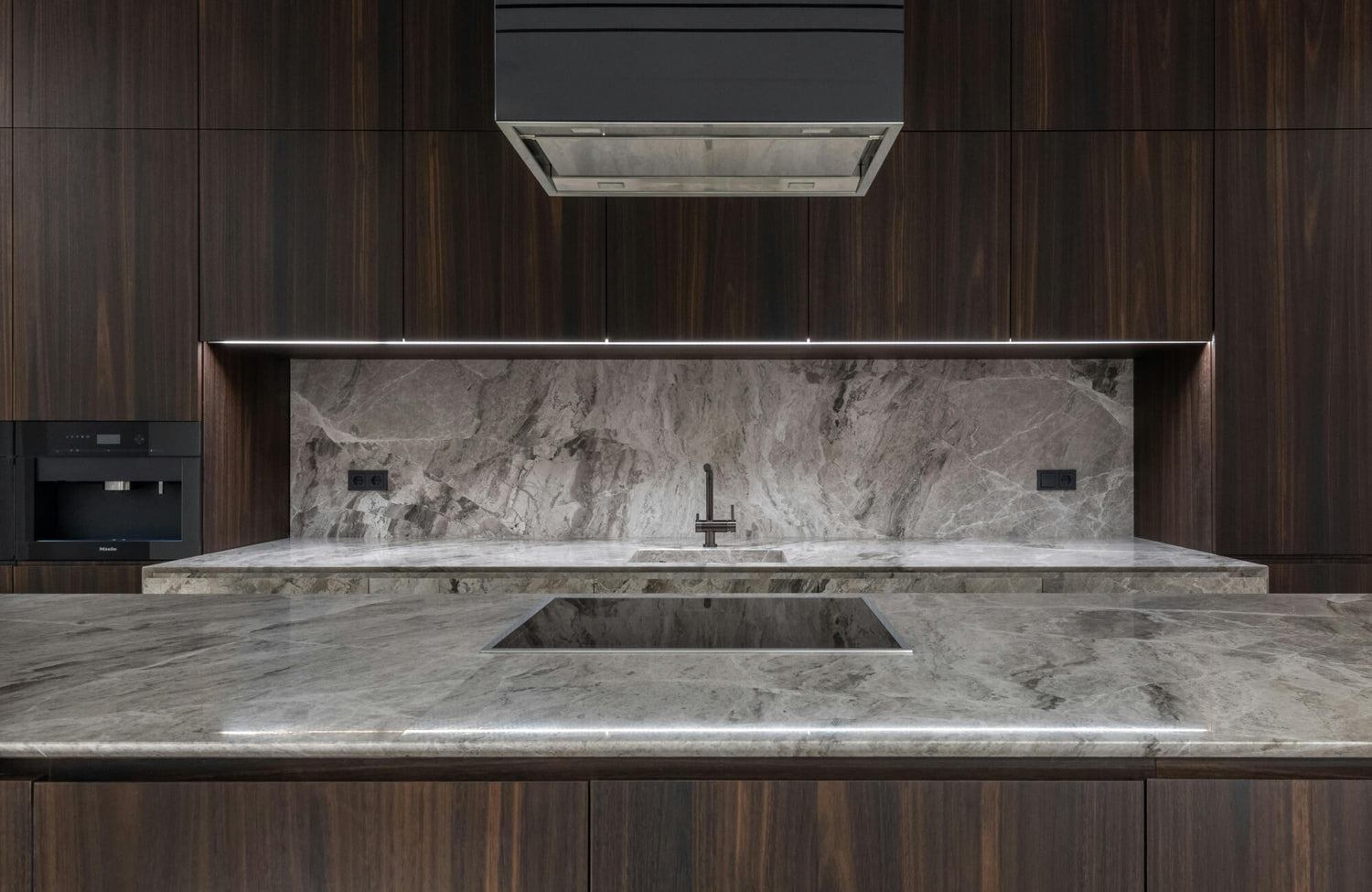
For those who appreciate the look of marble but want to manage both cost and maintenance, stone-look porcelain offers a practical alternative. Options such as Leona 24x48 Polished Porcelain Tile in Calacatta, as shown in the photo featured above, deliver an authentic marble look with lower maintenance demands at approximately $9.60 per square foot. This approach allows you to achieve a similar visual impact while maintaining greater cost control and ease of care over time.
Installation and Labor Costs
Installation and labor costs tend to rise with the weight of the stone, the complexity of cutting, and the level of detail in the layout. More intricate designs require additional time and precision, which can significantly increase overall installation expenses. Accounting for these factors early in the planning process helps prevent underestimating the true cost of the project.
Long-Term Cost vs. Replacement Cycles
While stone often comes with a higher upfront cost, it rarely needs to be replaced due to everyday wear. Materials driven by short-lived trends may require updates sooner, adding to long-term expenses. When considered over time, stone frequently offsets its initial investment through durability and sustained performance.

Resale Value and Long-Term Appeal
A backsplash choice can shape how future buyers perceive a kitchen or bathroom. Stone, in particular, carries associations with quality and permanence that can influence a home’s resale appeal.
Buyer Perception of Natural Materials
Natural materials often signal a sense of quality and permanence to potential buyers. Stone backsplashes tend to photograph well and feel substantial in person, helping create a strong and positive first look during showings. They can also suggest thoughtful material selection and long-term investment, which may reassure buyers about the overall care and durability of the home.
Timelessness vs. Trend Sensitivity
Certain stone looks tend to remain relevant longer than bold patterns or highly stylized finishes. Neutral tones and classic textures typically age more gracefully, while more dramatic designs may resonate strongly with a smaller, more specific audience. When resale is a consideration, choosing understated stone finishes can help the space feel current across changing design trends. This approach allows the backsplash to support the overall design rather than define it too narrowly.
Consistency with Whole-Home Design
A stone backsplash works best when it feels connected to the rest of the home. Aligning it with flooring, countertops, and nearby finishes creates a sense of continuity that buyers often find reassuring rather than distracting. When materials relate to one another across spaces, the home feels more thoughtfully planned and cohesive.
However, natural stone can present challenges if it is introduced without considering the broader design context. Strong veining, bold color variation, or highly distinctive textures may clash with adjacent materials or feel out of place in more restrained interiors. Without careful coordination, the backsplash can stand out in a way that feels disconnected rather than complementary.
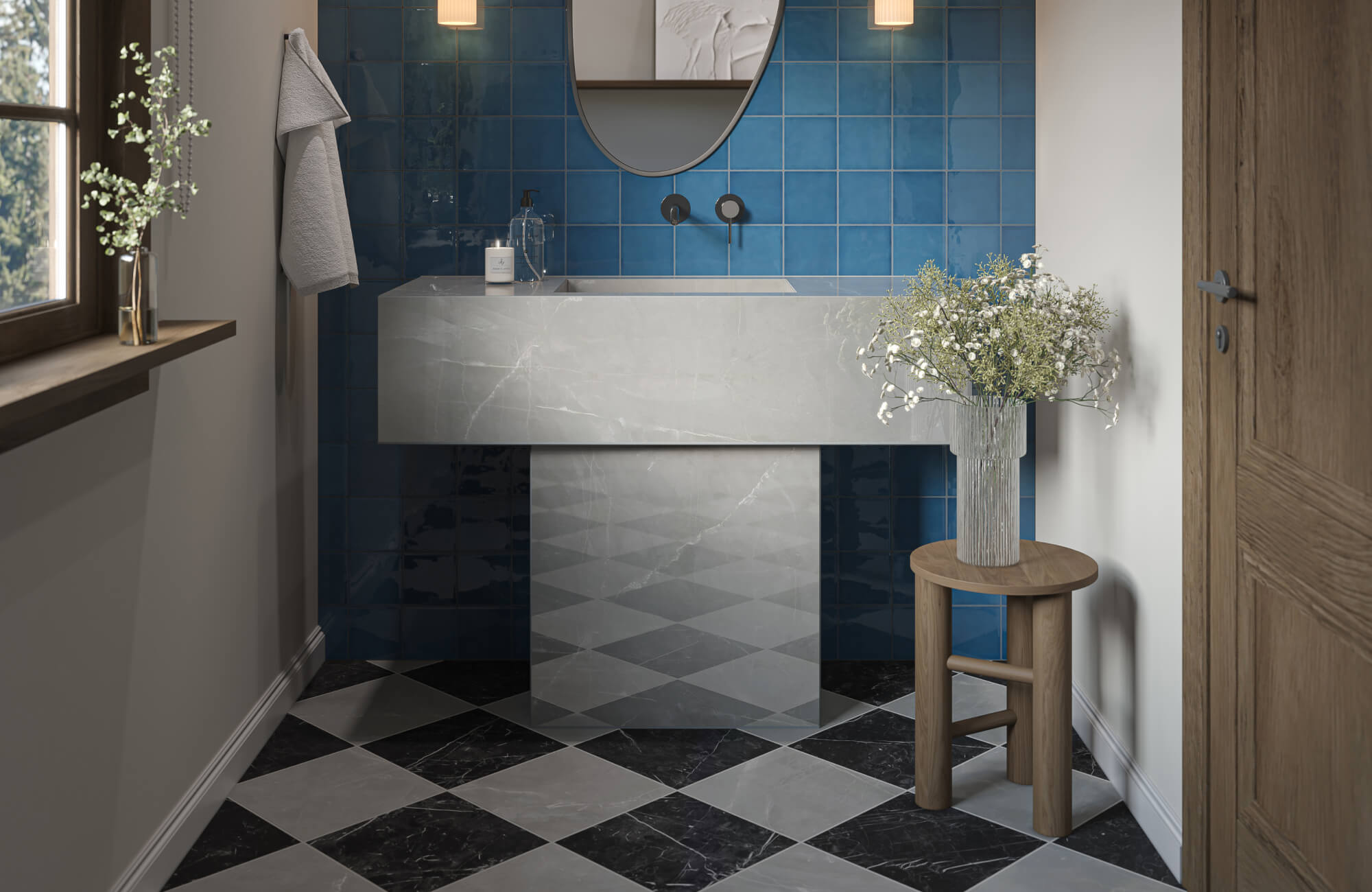
Another way to maintain consistency while minimizing these challenges is to consider stone-look alternatives that offer visual continuity across multiple surfaces. This approach is illustrated in the photo featured above, which showcases Edward Martin’s Aniston 24x48 Matte Porcelain Tile in Calacatta Quartz, featuring the look of natural stone across walls and floors without introducing excessive variation. Using a large-format, stone-inspired tile like this allows different areas of the home to feel visually connected, supporting a cohesive design while offering greater control over pattern and tone.
Making an Informed Choice About a Stone Backsplash
A stone backsplash can be a good idea when it aligns with how you use your space, the level of maintenance you are comfortable managing, and your long-term plans for the home. Stone offers durability, depth, and lasting visual appeal, but it also requires thoughtful planning, proper installation, and ongoing care. When performance, upkeep, installation requirements, cost, and long-term value are considered together, the choice becomes clearer. Choosing stone not just for its appearance, but for how well it supports your lifestyle, leads to a more confident and satisfying result.
If you would like help evaluating stone or stone-look options for your space, contact us for personalized design support. You can also use our AR tool to preview how different backsplash styles will look in your own kitchen or bathroom before making a decision.