
)
)
)
)
)
)
)
)
Is A Mosaic Backsplash A Durable Option For A Kitchen?
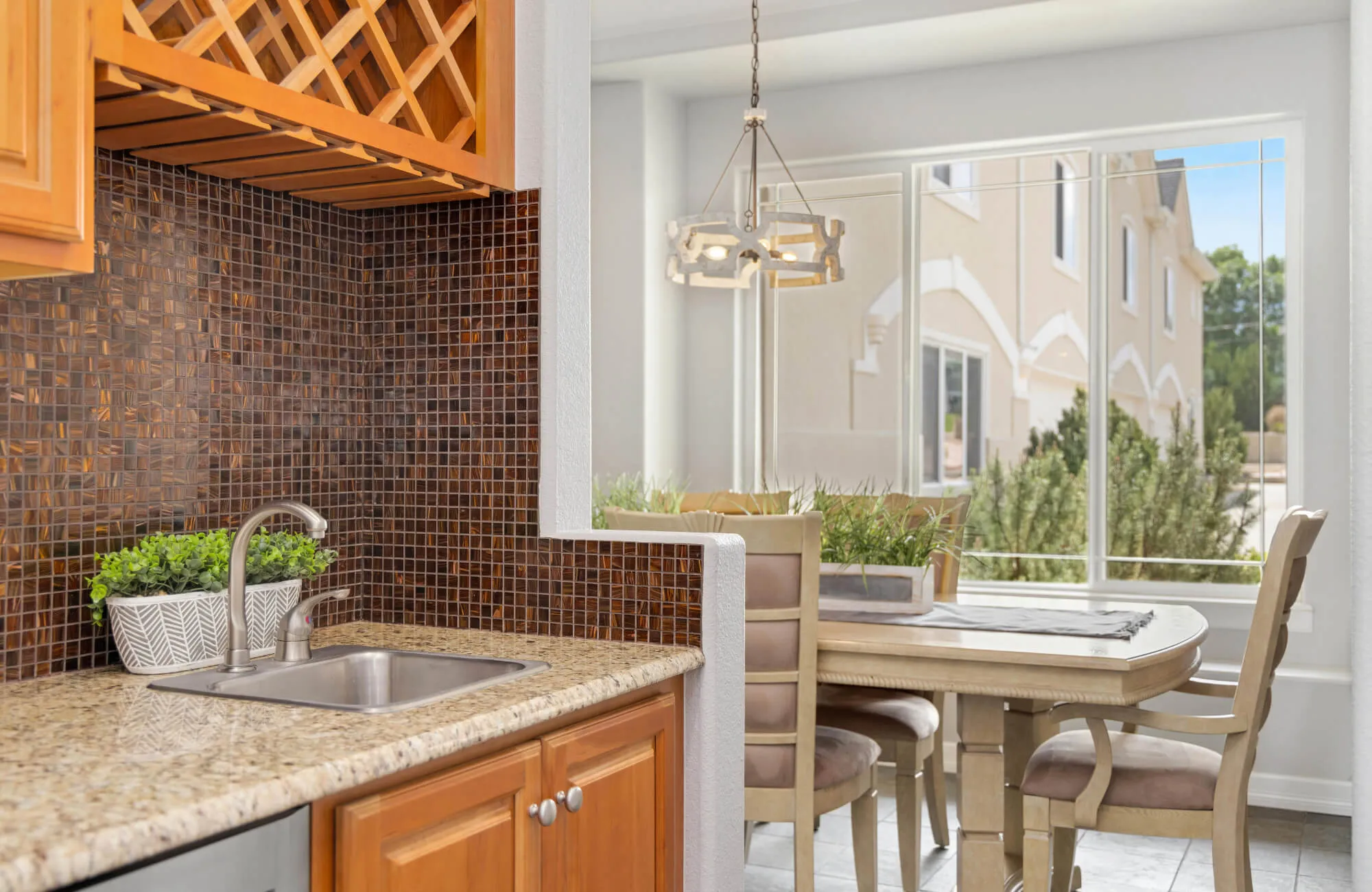
Mosaic backsplashes, crafted from glass, ceramic, porcelain, or natural stone, offer both aesthetic appeal and practical resilience. These tiles are fired or tempered to resist heat, stains, and moisture, making them a smart choice for busy cooking spaces.
Properly grouted and sealed, mosaic surfaces withstand splashes, grease, and daily cleaning without fading or warping. Their intricate patterns also hide minor wear and stains better than large-format tiles. With correct installation and maintenance, mosaic backsplashes provide long-lasting performance and style. Below, we’ll discuss their durability, maintenance requirements, and design versatility in greater detail.
Understanding Mosaic Materials and Inherent Durability
Before choosing a mosaic backsplash, it’s important to know how different materials perform over time. From glass to porcelain to natural stone, each type brings unique strengths and maintenance needs that influence its durability in a busy kitchen.
Glass Mosaics and Their Longevity
Glass mosaics are manufactured by melting silica-based compounds at high temperatures, creating dense, non-porous tiles. Their low water absorption rate, often less than 0.5%, makes them exceptionally resistant to moisture intrusion and staining. The smooth, vitreous surface repels grease and grime, simplifying maintenance with mild detergents. While glass is inherently scratch-resistant, it can be susceptible to chipping if exposed to sharp impacts. Professional installation with flexible thin-set mortars and epoxy grouts minimizes stress points, ensuring structural stability even in high-humidity kitchen environments. Additionally, UV stability preserves their color vibrancy over time, preventing fading from ambient light exposure.
Ceramic and Porcelain Mosaic Strength
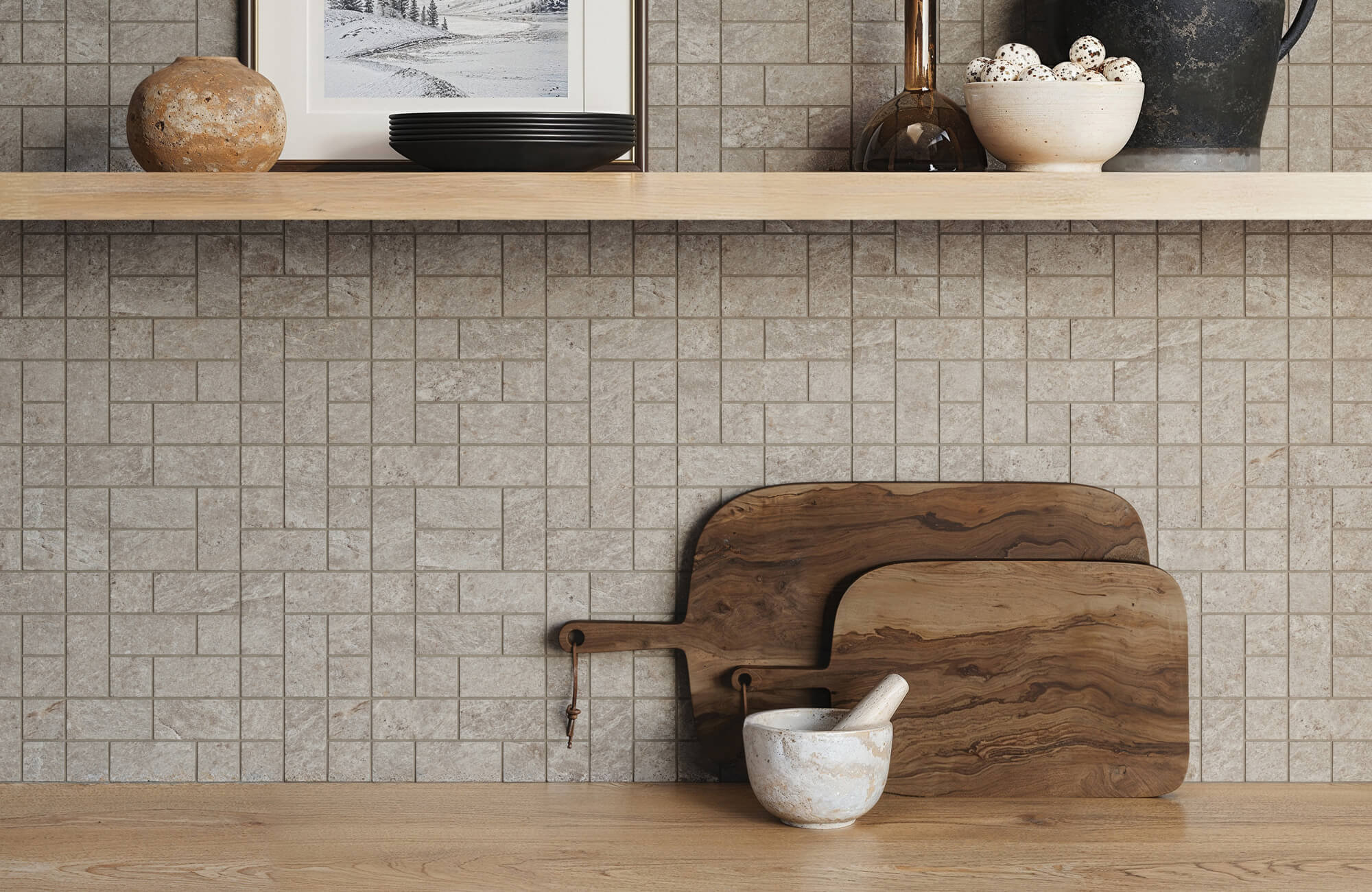
Ceramic and porcelain mosaics are kiln-fired clay tiles that differ primarily in density and absorption. Porcelain mosaics are fired at higher temperatures, producing a vitrified body with an absorption rate under 0.5%, making them impervious to water and highly resistant to thermal shock. As shown above, Edward Martin’s Dawson 8.7x12 Matte Porcelain Tetris Mosaic Tile in Pewter illustrates how premium porcelain unites exceptional durability with a refined, stone-inspired look.
Ceramic mosaics, while slightly more porous, gain durability from protective glaze coatings that enhance scratch and stain resistance. Both materials exhibit excellent tensile strength, holding up against frequent cleaning and incidental contact with cookware. Porcelain’s harder surface also provides superior resistance to cracking under heavy use, making it ideal for busy kitchens or areas near stovetops and sinks.
The Resilience of Natural Stone Mosaics
Natural stone mosaics, such as marble, travertine, slate, and granite, offer timeless aesthetics and robust structural integrity. These stones are inherently strong due to their crystalline or sedimentary composition, providing exceptional compressive strength. However, most natural stones are porous and require proper sealing to prevent staining from oils, sauces, or acidic substances like citrus and vinegar. Regular resealing enhances water repellency and maintains the stone’s surface sheen. Some stones, like granite, offer excellent scratch and heat resistance, while softer options like marble require gentler cleaning methods to avoid etching. When properly maintained, natural stone mosaics can last decades, lending a premium, enduring finish to any kitchen design.
Installation Methods and Long-Term Performance
Once you understand the materials themselves, proper installation becomes the next critical factor. The way a backsplash is prepared, set, and sealed can make all the difference in how well it withstands daily use and environmental stress.
The Importance of Substrate Preparation
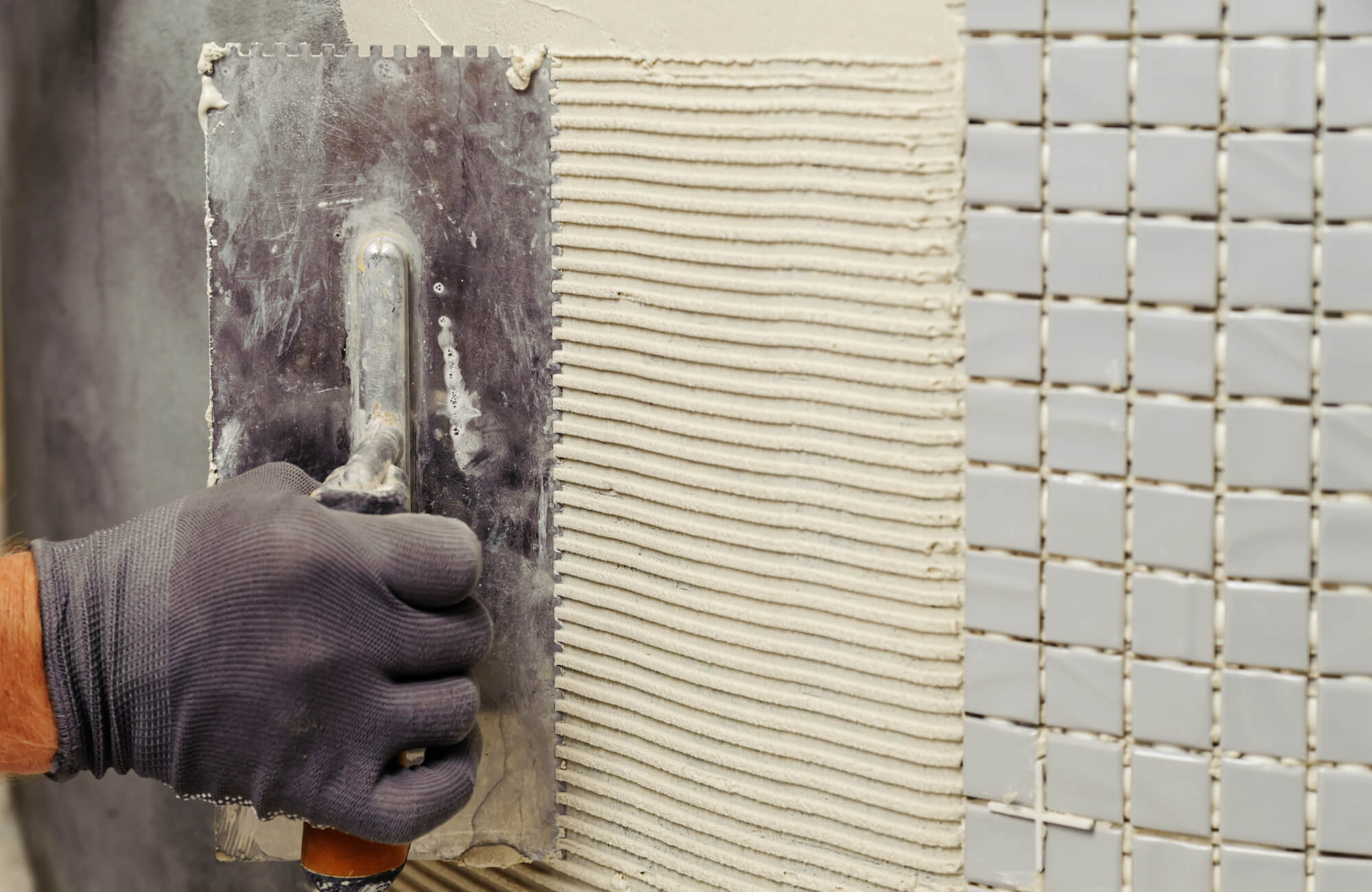
A stable, clean substrate is critical to preventing tile failure. Backer boards such as cement board or fiber-reinforced panels provide a rigid, moisture-resistant surface that minimizes movement and cracking. Installers must ensure the wall is flat, dry, and free of debris or grease to achieve full mortar contact. Applying a waterproof membrane or vapor barrier, especially behind sinks or cooktops, adds another layer of protection against water infiltration. Proper curing time for thin-set mortar (usually 24–48 hours) allows for secure adhesion and reduces the risk of tile displacement under thermal expansion or mechanical stress.
Grout and Sealant Choices for Protection
Grout selection significantly impacts backsplash durability and maintenance. Epoxy grout, with its low porosity and chemical resistance, is ideal for kitchens where exposure to oils, sauces, and frequent cleaning is expected. Cementitious grout remains a cost-effective option but benefits from polymer additives that enhance flexibility and stain resistance. Pairing epoxy or polymer-modified grout with Edward Martin’s Chantel 12x11 Polished Porcelain Hexagon Mosaic Tile in Imperial creates a durable, polished finish that retains its beauty over time.
After grouting, a penetrating sealant protects porous materials and grout joints from moisture and discoloration. Silicone-based caulks should be applied at movement joints and countertop intersections to accommodate structural shifts without cracking. These measures collectively prevent water damage, staining, and bacterial growth, prolonging the backsplash’s pristine appearance.
Professional Versus DIY Installation
While DIY installation can be appealing for budget-conscious homeowners, mosaic backsplashes often involve intricate patterns and numerous grout lines that demand precision. Professionals possess the specialized tools, such as tile spacers, wet saws, and laser levels, and experience to ensure uniform spacing, clean cuts, and proper alignment. They also understand manufacturer specifications for mortar thickness, trowel size, and curing times, which influence bond strength and tile longevity. Improper installation can lead to issues like lippage, grout failure, or water seepage that compromise long-term performance. For high-value materials or complex designs, professional installation provides the best assurance of durability and visual quality.
Everyday Wear and Tear Resilience in the Kitchen
With the right materials and installation in place, the backsplash’s true test begins, standing up to the heat, moisture, and splashes of an active kitchen. Examining its resistance to stains, scratches, and impacts reveals how it performs under constant use.
Resisting Heat and Moisture
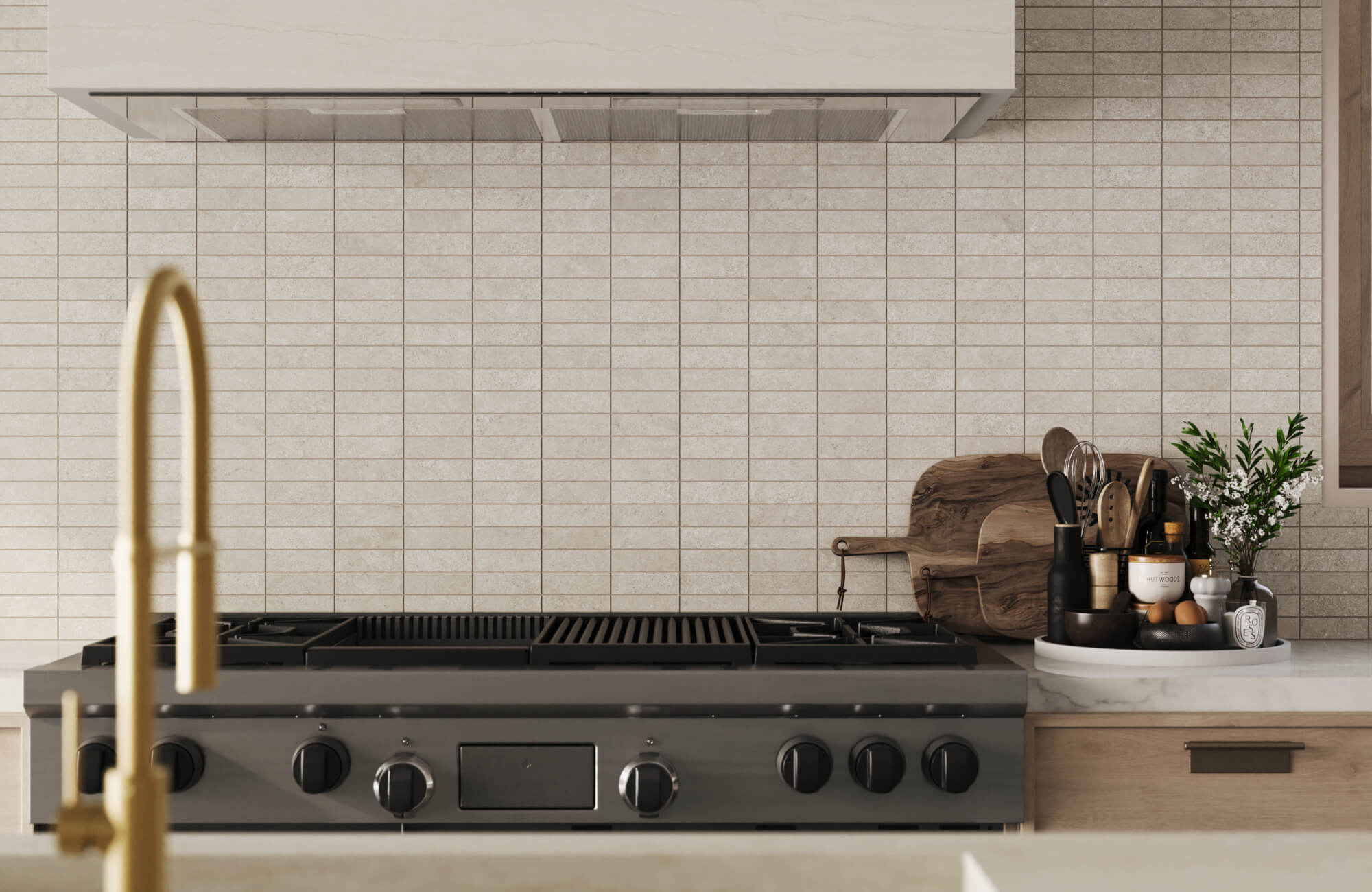
Mosaic tiles, especially glass, porcelain, and natural stone varieties, are engineered or formed to handle the thermal fluctuations common near stovetops and ovens. Porcelain mosaics, fired at high temperatures, exhibit low thermal expansion coefficients, preventing warping or cracking under heat stress. Pictured above, Edward Martin’s Adeline 1x4 Matte Porcelain Mosaic Tile in Taupe highlights how a sophisticated porcelain design delivers excellent heat and moisture resistance while complementing modern kitchen aesthetics.
Glass mosaics are non-porous and heat-tempered for dimensional stability. Properly sealed natural stone mosaics repel water vapor, while waterproof membranes behind the tile protect the substrate from moisture ingress. Grout lines sealed with penetrating sealants and silicone caulk around edges further reduce the risk of water damage or mildew growth in humid kitchen environments.
Stain and Scratch Resistance
The smooth, non-porous surface of glass mosaics offers exceptional stain resistance, as grease and colored sauces cannot easily penetrate the tile body. Porcelain mosaics, with a water absorption rate below 0.5%, similarly resist staining and are less prone to etching from acidic substances. Ceramic mosaics rely on durable glaze coatings that provide a hard, scratch-resistant finish. Natural stones like granite and slate are naturally resilient to scratching, whereas softer stones such as marble require regular sealing and non-abrasive cleaners to maintain their polish. Using microfiber cloths and pH-neutral detergents ensures long-term surface integrity across all mosaic types.
Impact and Chip Resistance
Although mosaic tiles are generally durable, impact resistance varies by material. Porcelain mosaics are among the toughest, thanks to their dense, vitrified structure that resists chipping from accidental knocks or falling utensils. Glass mosaics, while scratch-resistant, may chip if struck by sharp or heavy objects; installing them on a properly prepared substrate with high-quality thin-set mortar minimizes stress points. Natural stone mosaics depend on the stone type, granite offers superior toughness, while marble or travertine can be more vulnerable to chips without proper edge protection. Strategic placement of mosaic designs away from high-impact zones can extend their pristine appearance over time.
Maintenance Cleaning and Repair for Longevity
Even the most resilient backsplash needs care to preserve its beauty and function. Building on its performance under daily stress, routine cleaning and timely repairs ensure your mosaic investment remains durable and attractive for years to come.
Daily and Weekly Cleaning Routines
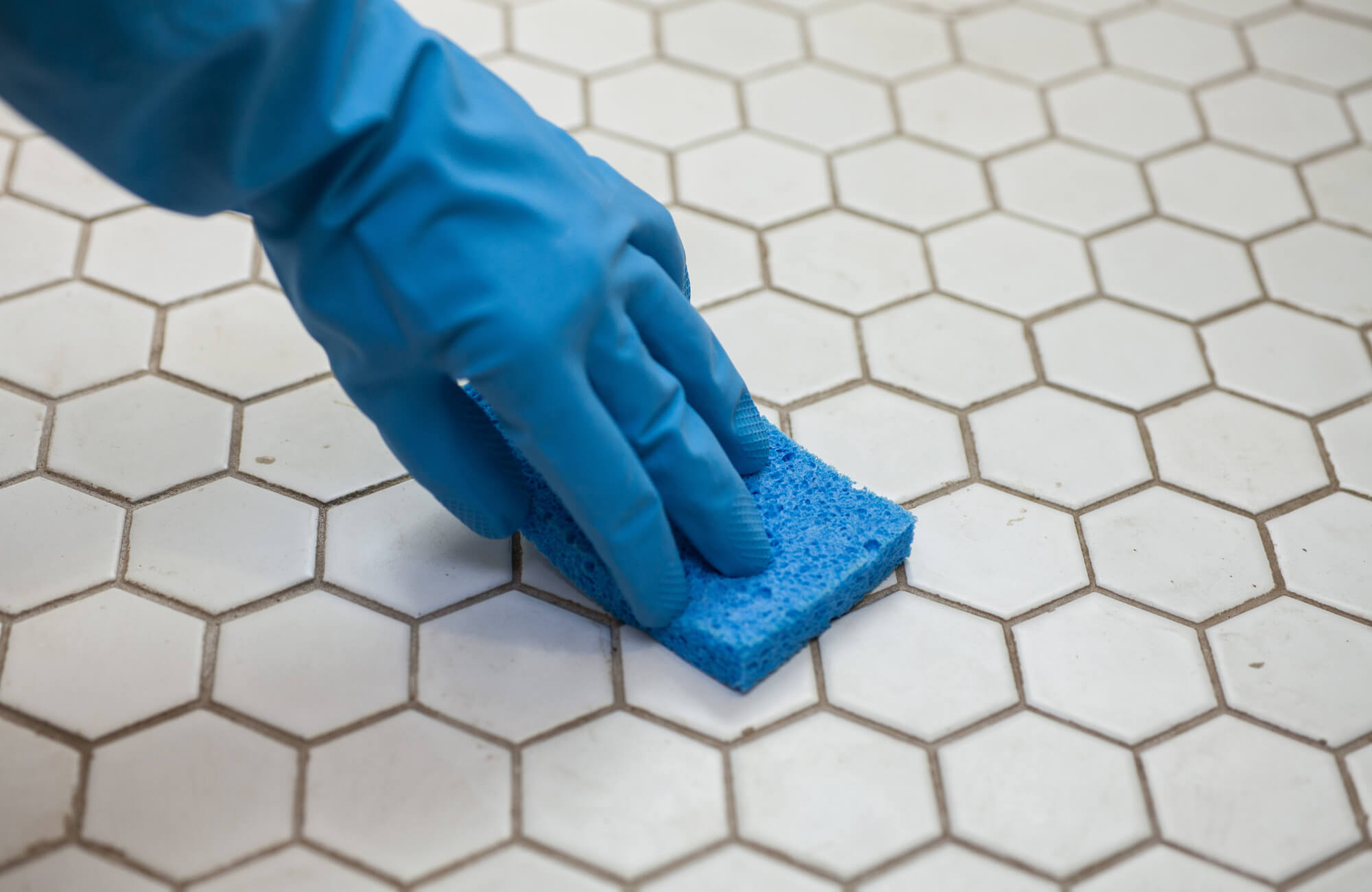
Regular surface cleaning prevents buildup of grease, food residue, and hard water deposits. For daily care, wipe mosaics with a soft microfiber cloth or sponge dampened with warm water and a mild, pH-neutral detergent. Avoid abrasive pads or acidic cleaners, which can etch natural stone or dull glazes on ceramic tiles. Weekly cleaning should include attention to grout lines: use a soft-bristle brush and a gentle tile cleaner to remove light discoloration. Ensuring that surfaces are dried after cleaning minimizes moisture exposure, reducing the risk of mold or mildew growth in grout joints.
Handling Tough Stains and Spills
For stubborn grease or sauce stains, apply a paste of baking soda and water or use a non-abrasive, tile-specific cleaner. Glass and porcelain mosaics can withstand diluted alkaline solutions, while natural stone requires pH-balanced products to avoid etching. Surfaces like Edward Martin’s Aniston 2x2 Matte Porcelain Hexagon Mosaic Tile in Calacatta Antico demonstrate how high-quality porcelain resists staining while replicating the sophisticated veining of natural marble.
Promptly blot acidic spills like lemon juice or vinegar on marble or travertine to prevent permanent etching. When dealing with grout discoloration, an oxygen-based bleach cleaner can safely lift stains without weakening the grout’s structure. Always rinse thoroughly and dry the surface to prevent chemical residue from attracting dirt or dulling tile finishes. To maintain the backsplash’s look and performance over time, refer to the manufacturer’s care recommendations for the most reliable cleaning and maintenance practices.
Repairing Damaged Tiles or Grout
Even durable backsplashes can experience chips, cracks, or grout failure over time. Small chips in glass or porcelain mosaics may be disguised with a clear epoxy filler, while larger damage typically requires replacing the affected tile. To replace a tile, carefully remove surrounding grout with a grout saw, gently pry out the damaged piece, and install a matching tile using thin-set mortar. Allow for proper curing before re-grouting the joint. For deteriorating grout, regrouting involves removing the top layer, applying fresh grout, and sealing the joints once cured. These repairs, when done promptly, prevent water intrusion and structural weakening of the backsplash.
A Durable and Beautiful Choice
When considering a mosaic backsplash for your kitchen, durability is not just a hope but an achievable reality. The key lies in making informed decisions from the very beginning. By choosing a high-quality material like ceramic, porcelain, or properly sealed natural stone, and by ensuring a professional and precise installation, you set the stage for a backsplash that is not only stunning but also exceptionally resilient.
To simplify the selection process, Edward Martin’s Augmented Reality (AR) Visualization Tool allows you to preview tile designs directly in your kitchen. Working hand-in-hand with Edward Martin’s tile sample ordering feature, you can then request physical samples to confirm color, texture, and finish, ensuring your final choice meets both aesthetic and performance expectations.
Follow us on Instagram
@EDWARD.MARTIN
)
)
)
)
)
)
)
)
)
)
)
)
)
)
)
)