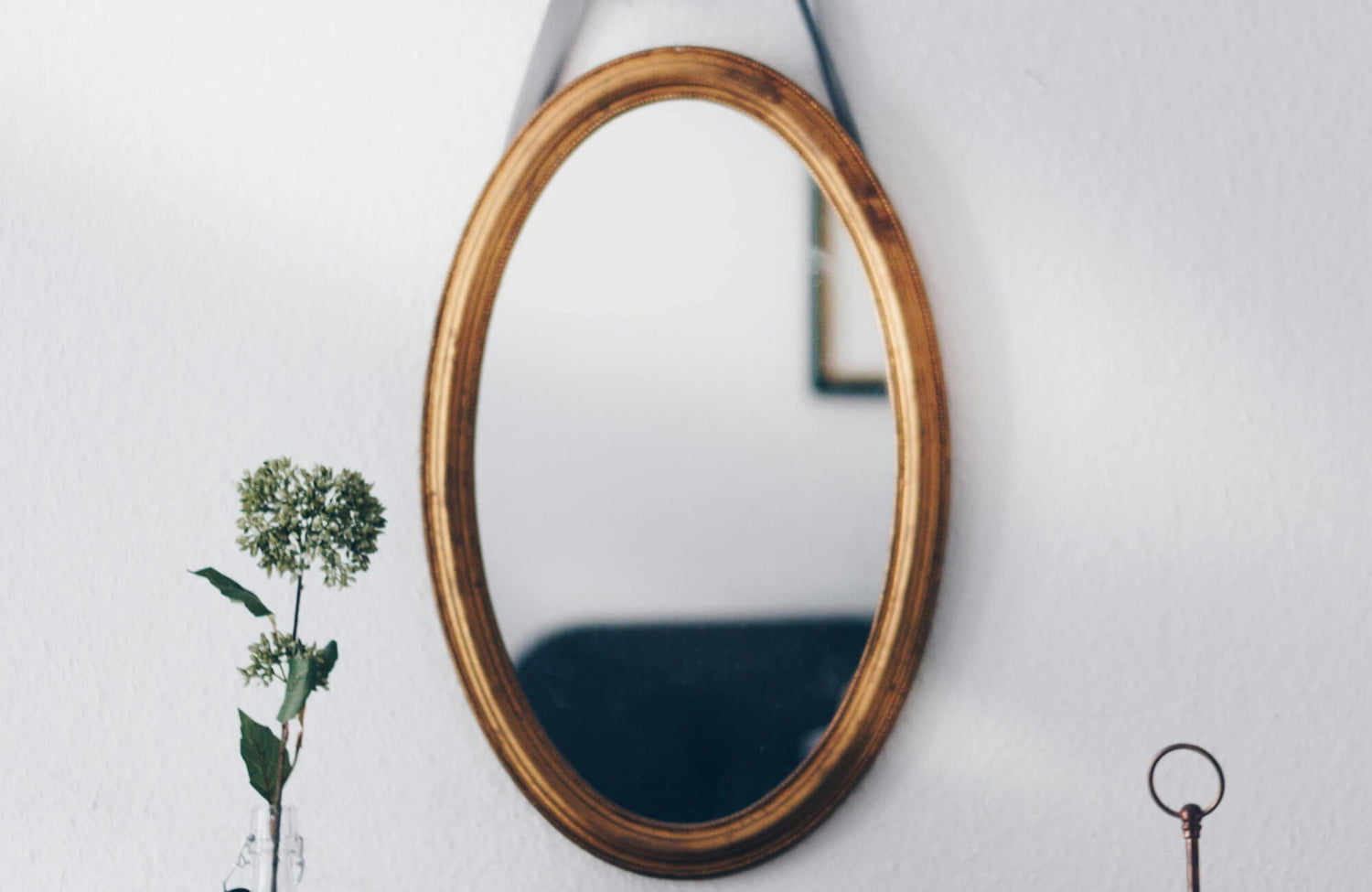
Oval mirrors offer more than just reflection; they bring a gentle curve that softens hard lines and creates a sense of movement on the wall. Their elongated shape adds height or width, depending on orientation, making them a smart choice for small rooms or areas that need visual lift. With their ability to blend into various design styles, oval mirrors feel classic without being predictable.
In this article, we’ll take a closer look at why oval mirrors stand out from standard shapes, how they influence light and space, and the best places to install them. You’ll also find practical styling tips and placement ideas to help you make the most of their subtle impact.

Why Oval Mirrors Are a Unique Choice
Oval mirrors stand out for their soft curvature and understated elegance, offering an alternative to the rigid lines of rectangular or round mirrors. Their shape brings visual ease to a space, helping walls feel more balanced and inviting without being overly formal.
The Visual Impact of Curved Silhouettes
Curved edges draw the eye in a gentle arc, softening the room’s overall tone and reducing the starkness that straight-lined mirrors can introduce. Oval mirrors break away from the standard grid-like appearance of many interiors, especially in bathrooms and hallways. This makes them a strong design tool when you want to create a sharp or angular layout. Their shape also helps diffuse visual tension in rooms filled with right angles or boxy furniture. It’s a subtle way to introduce movement and softness at once.
Versatility Across Design Styles
Oval mirrors adapt well to a wide range of aesthetics, from vintage and traditional settings to clean-lined modern or minimalist spaces. Their lack of harsh corners allows them to blend into ornate rooms while also adding interest to simpler ones. Whether framed in wood, metal, or left frameless, they shift tone based on the finish without losing their distinctive shape. Designers often use them to create a timeless or spa-like feel that doesn’t rely on trends. This flexibility makes them a dependable choice across projects.
The Balance Between Function and Form
Unlike purely decorative mirrors, oval styles strike a useful balance between visual presence and practical reflection. They offer ample surface area for checking your appearance while maintaining a light, airy feel that doesn’t dominate the wall. The vertical emphasis in most ovals creates lift, which works especially well in lower-ceilinged or compact rooms. Meanwhile, their soft outline keeps them from feeling too bold or bulky. They support both the functional and atmospheric roles of a mirror.

How Oval Mirrors Affect Light and Space Perception
Oval mirrors don’t just serve a reflective purpose; they actively shape how light moves and how open a space feels. Their curved edges soften reflections, reduce harsh visual breaks, and help guide the eye smoothly across the wall. In rooms with limited square footage or natural light, this can make a meaningful difference.
They Reflect Light Without Sharp Cutoffs
Oval mirrors scatter light more naturally across a wall because they lack corners that segment the reflection. This creates a more even visual distribution, softening shadows and preventing harsh lighting contrasts. When placed near a window or across from a light source, they can gently bounce daylight around the room. In low-light spaces, this effect can make a noticeable difference in brightness without any extra lighting fixtures. It’s a subtle but powerful way to shift the mood of a room through placement alone.
Their Shape Enhances Flow in Tight Spaces
In narrow or awkward rooms, oval mirrors guide the eye more gracefully than boxy shapes. A vertical oval can elongate a wall and make ceilings feel higher, while a horizontal one can stretch visual width. This helps the space feel less cramped and more breathable, especially in tight bathrooms or entryways. The absence of harsh lines also keeps the wall from feeling visually cluttered. It’s a shape that works with the room, not against it.
Ovals Offer Balance Without Overwhelming the Wall
One of the most useful traits of oval mirrors is that they can brighten a wall without dominating it. Their curved design draws the eye without demanding too much visual weight, making them ideal in small rooms or minimalist spaces. They reflect both light and surrounding decor in a way that feels intentional, not overpowering. This makes them perfect for homeowners who want a mirror that contributes to openness without taking center stage. When thoughtfully placed, an oval mirror acts like a quiet visual amplifier.

Where Oval Mirrors Work Best
Oval mirrors offer flexibility in placement, but their unique shape shines brightest in specific locations where their curves balance the space. Below, we’ll explore where they tend to perform best, visually and functionally, based on room type and the mirror’s role.
Above the Bathroom Vanity
Placing an oval mirror above a bathroom vanity can soften the angular lines typically found in tile, sinks, and cabinetry. The rounded shape helps break up rigid visuals, making the space feel more welcoming without sacrificing clarity or function. Its gentle curve also draws the eye upward, giving the illusion of more height in tight layouts. Whether hung vertically or horizontally, it blends function with subtle elegance. This placement is especially useful in guest or powder bathrooms where charm and simplicity go hand in hand.
In Entryways or Hallways
Narrow entryways or long hallways can feel closed off or dim, and an oval mirror helps shift that perception. Its shape reflects light more fluidly than square or rectangular versions, softening shadows and guiding the eye along the wall. When placed across from a doorway or near a small lamp, it brightens the path while adding visual movement. Its vertical length also adds a sense of lift, which is helpful in spaces with low ceilings. It’s a compact yet effective way to make transitional areas feel open and considered.
As Part of a Gallery Wall
Oval mirrors introduce contrast and flow in a gallery wall filled with art or rectangular frames. Their organic silhouette breaks up grid-like arrangements, adding a relaxed, curated feel to the display. When used strategically, they can anchor a grouping or serve as a visual breather between busier pieces. The mirror also adds depth by reflecting parts of the room or nearby light sources. It’s a great choice for anyone looking to blend practicality with layered wall decor.
Above Dressers or Consoles
When placed above a low-profile piece like a dresser or console, an oval mirror creates vertical lift without overwhelming the wall. Its gentle curve adds sophistication while complementing the furniture’s horizontal lines. The result is a balanced vignette that feels airy and polished. It also brings functionality, which is ideal for quick checks before heading out the door or getting ready. This setup works well in bedrooms, hallways, or even dining areas where subtle style speaks volumes.

Tips for Hanging and Styling Oval Mirrors
Getting the most out of an oval mirror isn’t just about where you place it; it’s also about how you hang it and what you pair it with. Proper proportions, thoughtful orientation, and complementary finishes all play a part in making sure the mirror feels intentional in your space. Below, we’ll look at universal styling tips that help oval mirrors look balanced and naturally integrated.
Choose the Right Height and Orientation
The height and direction you hang an oval mirror can change its entire impact. A vertically hung oval can elongate a space and add height, while a horizontal orientation creates width and calm. As a rule of thumb, the center of the mirror should land at about eye level, typically 57 to 65 inches from the floor, especially if it’s not anchored above furniture. When hanging it above a vanity or console, make sure there’s consistent spacing between the mirror and the top edge of the surface. Even small shifts in placement can affect how cohesive and functional the setup feels.
Frame Materials and Finishes That Pair Well
The mirror’s frame can dramatically influence its tone in a room, whether you want a subtle accent or a defining feature. For a modern, airy feel, go with slim metal frames in matte black, brass, or brushed nickel. Wood frames, especially those in light or natural finishes, can introduce warmth and texture without feeling too heavy. Frameless designs offer a minimalist, barely-there look that emphasizes the mirror’s shape alone. Consider the other materials in your room and choose a frame that complements without competing. Harmony between the mirror and its surroundings makes for an easy, elevated style.
Mirror Size Relative to Wall and Fixtures
Scale matters just as much as style when it comes to oval mirrors. A mirror that’s too small can get lost on a large wall, while one that’s too big can overwhelm nearby elements like sconces or shelving. Ideally, the mirror should be around two-thirds the width of the furniture it hangs above to maintain visual balance. It should also leave enough breathing room on all sides, especially when placed near other fixtures. By keeping proportion in mind, you can ensure your oval mirror feels grounded, intentional, and well-sized for the space it occupies.

Mirror Shapes That Offer a Similar Effect
While oval mirrors provide balance and movement, they’re not the only curved option worth considering. Arched, round, and organic mirrors all share similar soft silhouettes and can achieve comparable visual effects, especially in small or structured spaces. Below, we’ll explore how each one brings its own flavor of fluidity, warmth, and lift to a room.
Arched Mirrors
Arched mirrors, such as our Esmeralda Wide Mirror in Iron Matte Black above, create a similar upward movement as vertical ovals, but with a more architectural feel. The squared-off bottom anchors the mirror visually, while the curved top adds a touch of sophistication that feels classic yet modern. They’re especially effective above mantels, vanities, or entry consoles, where the extra height draws the eye up. This shape also mimics doorways and windows, subtly reinforcing vertical space and echoing familiar architectural lines. For homeowners who want a shape that’s a bit more structured yet still gentle, arched mirrors offer a strong alternative.
Round Mirrors
Round mirrors have a full-circle symmetry that instantly softens the room and calms visual tension. They don’t emphasize vertical or horizontal direction, which makes them useful for balancing out busy layouts or rooms with a lot of square elements. In small bathrooms or modern bedrooms, a round mirror can act as a visual reset, creating a focal point without overwhelming the design. Their equal proportions also make placement a bit more forgiving, especially when centered over furniture or in gallery arrangements. If you want an even softer shape than an oval, a circle offers pure visual ease.
Organic Mirrors
Organic-shaped mirrors step away from traditional symmetry entirely, offering asymmetrical curves that feel natural and artistic. These mirrors are great for adding dynamic flow to rooms that feel too stiff or square, introducing a handmade, sculptural quality. They reflect light in unique ways, often catching unexpected angles and adding subtle motion to the space. Because they don’t follow fixed rules, they work well in modern, eclectic, or relaxed interiors that thrive on individuality. For those drawn to something more expressive than an oval, organic mirrors offer personality without losing the softness that curved shapes bring.
Why Oval Mirrors Work in Real Spaces
Oval mirrors offer a rare combination of elegance, softness, and visual balance that few shapes can match. Whether you're looking to brighten a hallway, soften a vanity space, or add depth to a gallery wall, their curved silhouette brings both form and function to the table. Their ability to blend into different styles while standing out just enough makes them a smart, versatile choice in any room. If you're unsure which size or shape fits your layout, our team can help you map it out. Book a free design consultation and get expert guidance on how to use oval mirrors, or any other elements, to support your room’s lighting, layout, and overall feel.