
)
)
)
)
)
)
)
)
How To Use Mirrors In A Modern Minimalist Space
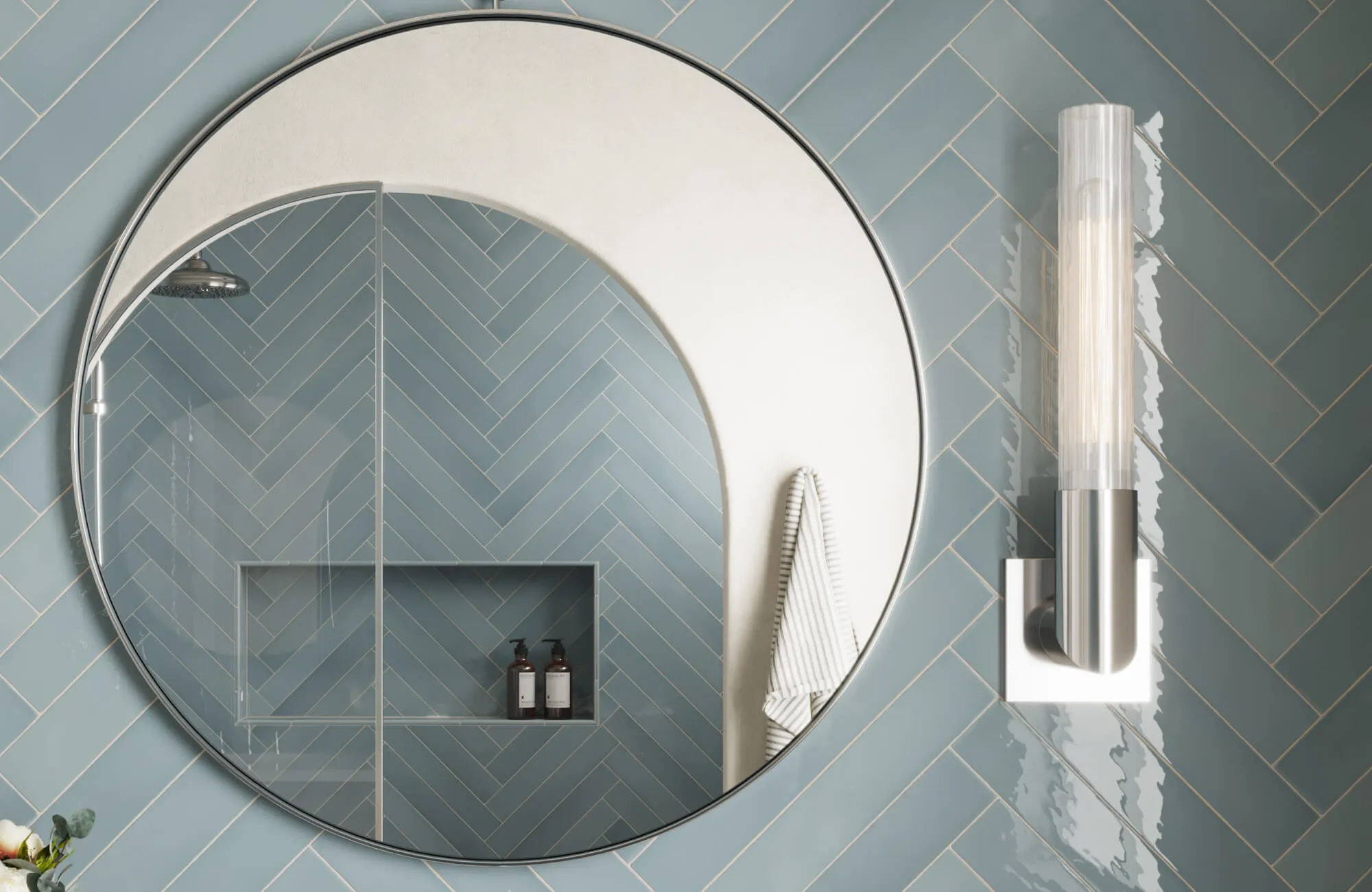
Minimalist interiors thrive on balance, clarity, and intentional design, and mirrors are one of the most versatile tools to achieve that harmony. Their ability to reflect light, expand visual space, and introduce subtle focal points makes them a natural fit for clean, uncluttered rooms. When thoughtfully chosen, mirrors blend function and style, enhancing a room’s openness without overwhelming its simplicity.
In this article, we’ll explore how mirrors can transform a minimalist space through shape, size, placement, and finish. From frameless designs that disappear into the background to sleek geometric forms that make a statement, you’ll discover ways to use mirrors with quiet sophistication.
Why Mirrors Work So Well in Minimalist Interiors
Minimalist design thrives on simplicity, functionality, and a sense of openness, and mirrors fit naturally into that philosophy. Their reflective quality helps maximize both light and space without adding clutter or unnecessary ornamentation. When chosen thoughtfully, mirrors become more than just a functional tool—they serve as subtle focal points that enhance the room’s balance and flow.
Amplifying Natural Light
In minimalist interiors, every detail is purposeful, and mirrors offer a simple way to make the most of available daylight. By reflecting natural light, they brighten clean, open spaces and give them a warmer, more welcoming feel. Placing a mirror opposite or adjacent to a window can double the effect of incoming sunlight, spreading it across the room without adding physical fixtures. Large, frameless mirrors are especially effective in maintaining a sleek look while maximizing brightness. For best results, ensure the mirror is angled to catch the light at different times of day, keeping the space luminous from morning to evening.
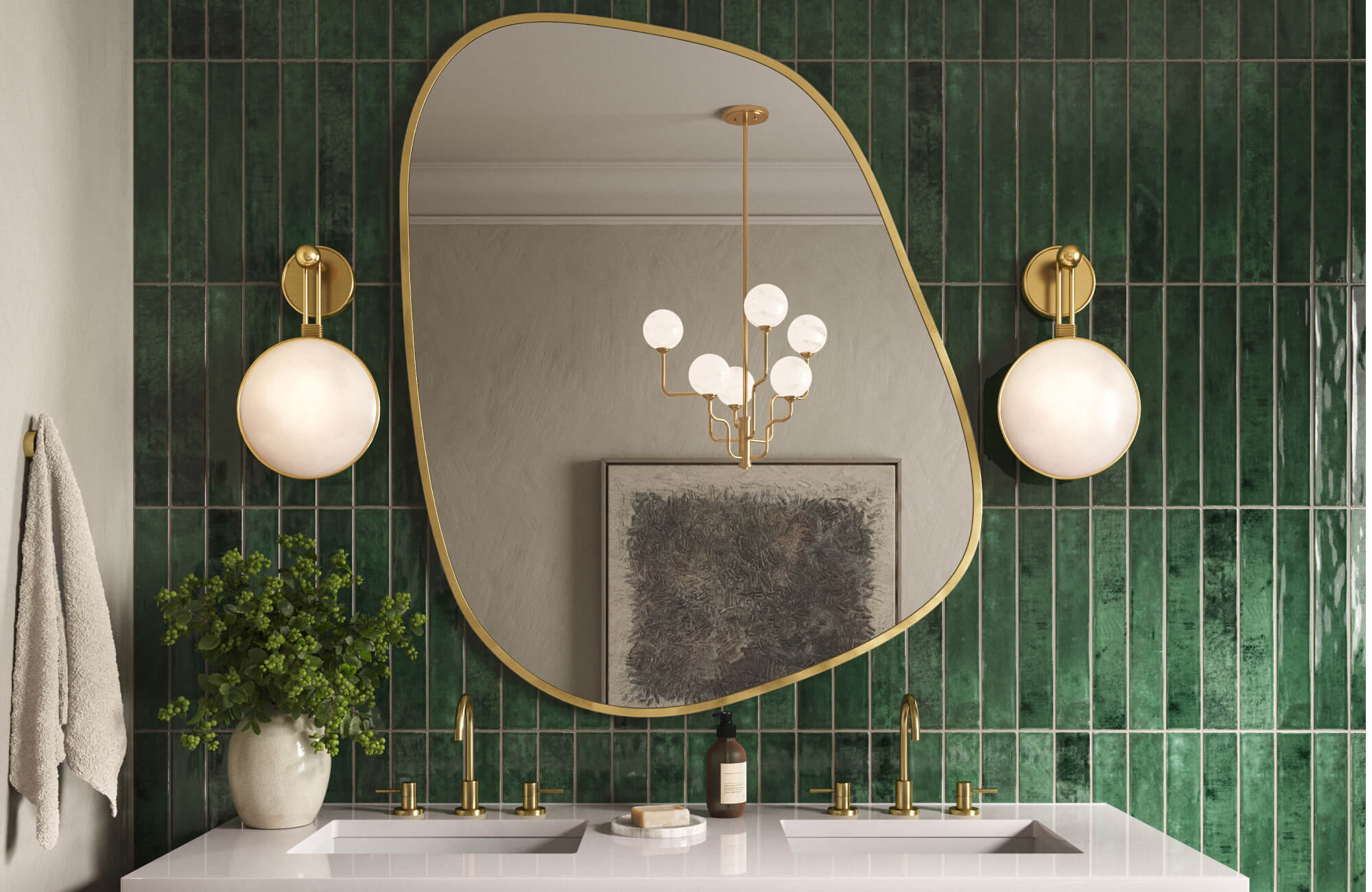
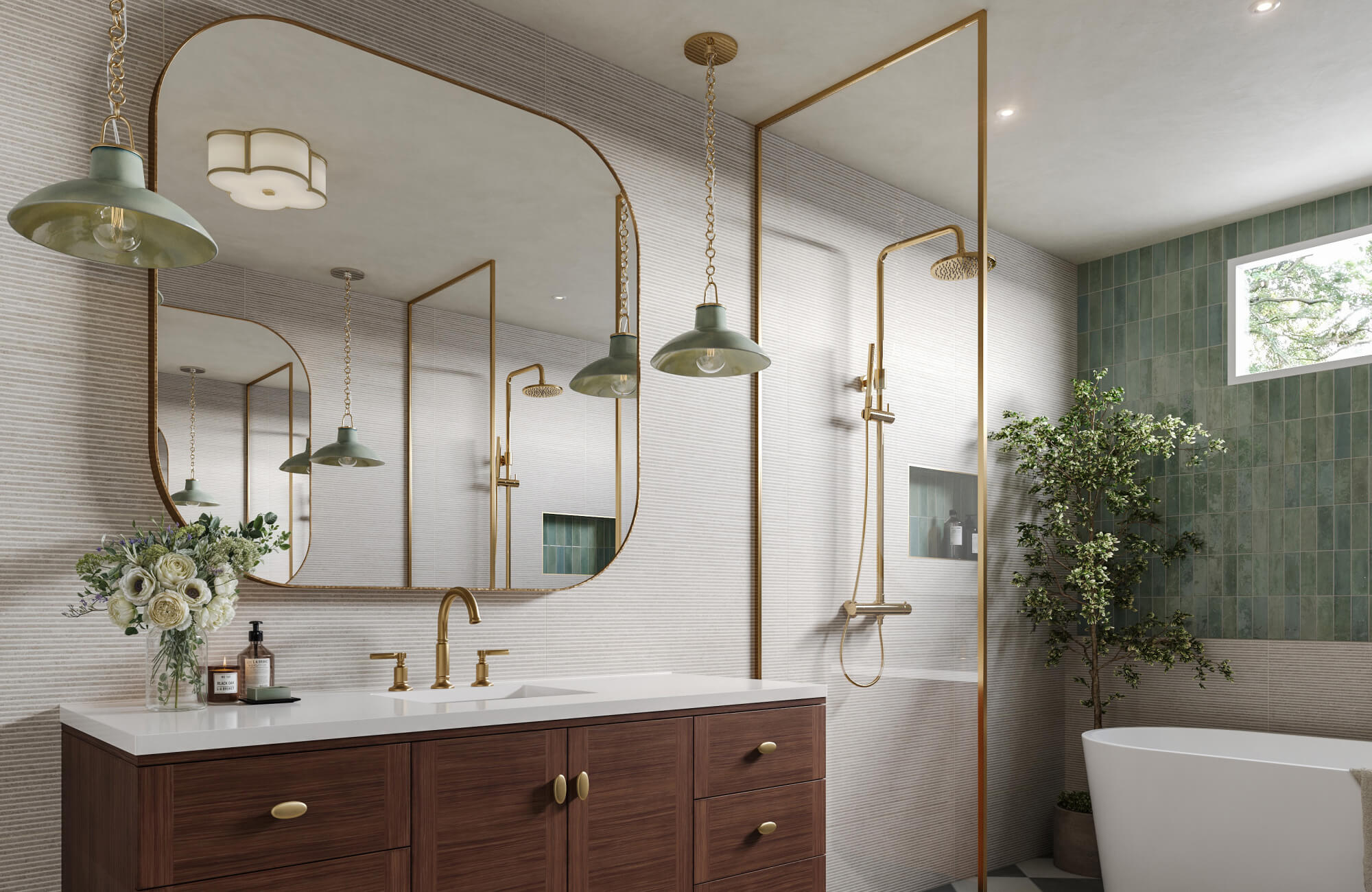
Our Shirley Large Mirror in Antique Brass Iron above is a perfect example of this effect, pairing a softly curved silhouette with a warm, gold-toned frame that catches and reflects light beautifully. Its antique brass finish blends seamlessly with minimalist spaces while adding a subtle touch of elegance.
Creating the Illusion of Space
Minimalist spaces often rely on open layouts, but when square footage is limited, mirrors can help visually extend the boundaries of a room. Their reflective surfaces create the impression of depth, making small or narrow areas feel more expansive and less confined. Placing a mirror along a hallway wall, behind a dining table, or opposite key architectural features can instantly open up the space. This effect works especially well with tall, vertical mirrors that draw the eye upward, subtly enhancing ceiling height. By integrating mirrors strategically, you can expand your visual space without introducing extra furniture or décor.
Maintaining a Clean, Streamlined Look
One of the main strengths of mirrors in minimalist interiors is their ability to add visual interest without disrupting a clean, streamlined aesthetic. Unlike heavy decorative pieces, mirrors have a lightweight visual presence that complements the simplicity of minimalism. Sleek, frameless designs or mirrors with slim, neutral frames blend seamlessly into the environment while still offering style and function. They can also highlight architectural features or reflect curated elements of the room without making it feel cluttered. This makes mirrors a natural fit for anyone looking to enhance a minimalist space while preserving its clarity and balance.
Choosing the Right Mirror Shape and Frame
In minimalist design, every element should feel deliberate, and mirrors are no exception. The right shape and frame can enhance the room’s simplicity while adding just enough definition to make the mirror feel like a thoughtful choice. By focusing on clean lines, balanced proportions, and subtle finishes, you can ensure your mirror blends seamlessly into the space without distracting from the overall aesthetic.
Frameless and Thin-Frame Options
Minimalist spaces benefit from mirrors that have little to no visual weight, allowing them to blend effortlessly into the environment. Frameless mirrors create an uninterrupted surface that feels modern and light, while thin, understated frames can add definition without drawing too much attention. These designs work well in spaces where clarity and openness are priorities, maintaining the room’s calm, uncluttered feel. Whether mounted on a wall or leaned casually against it, these options contribute to a refined, airy atmosphere that supports minimalist living.
Geometric Shapes for Modern Impact
The shape of a mirror can significantly influence how it interacts with the rest of a minimalist room. Rectangular mirrors bring structure and symmetry, echoing the crisp lines often found in modern furniture and architectural details. Their clean form naturally supports a sense of order, making them ideal for spaces that prioritize precision. In contrast, round mirrors introduce a softer, more approachable element, helping to balance the sharper edges and angles in the room.
Arched mirrors strike a balance between these two effects, offering both gentle curves and a strong architectural presence. They can serve as subtle focal points, adding interest without disrupting the clean simplicity that minimalism values. When you choose a mirror shape that aligns with your space’s existing forms, it feels less like a separate accessory and more like a thoughtful extension of the overall design. This harmony ensures the mirror not only serves its practical purpose but also contributes to the room’s cohesive story.
Neutral and Metallic Frame Finishes
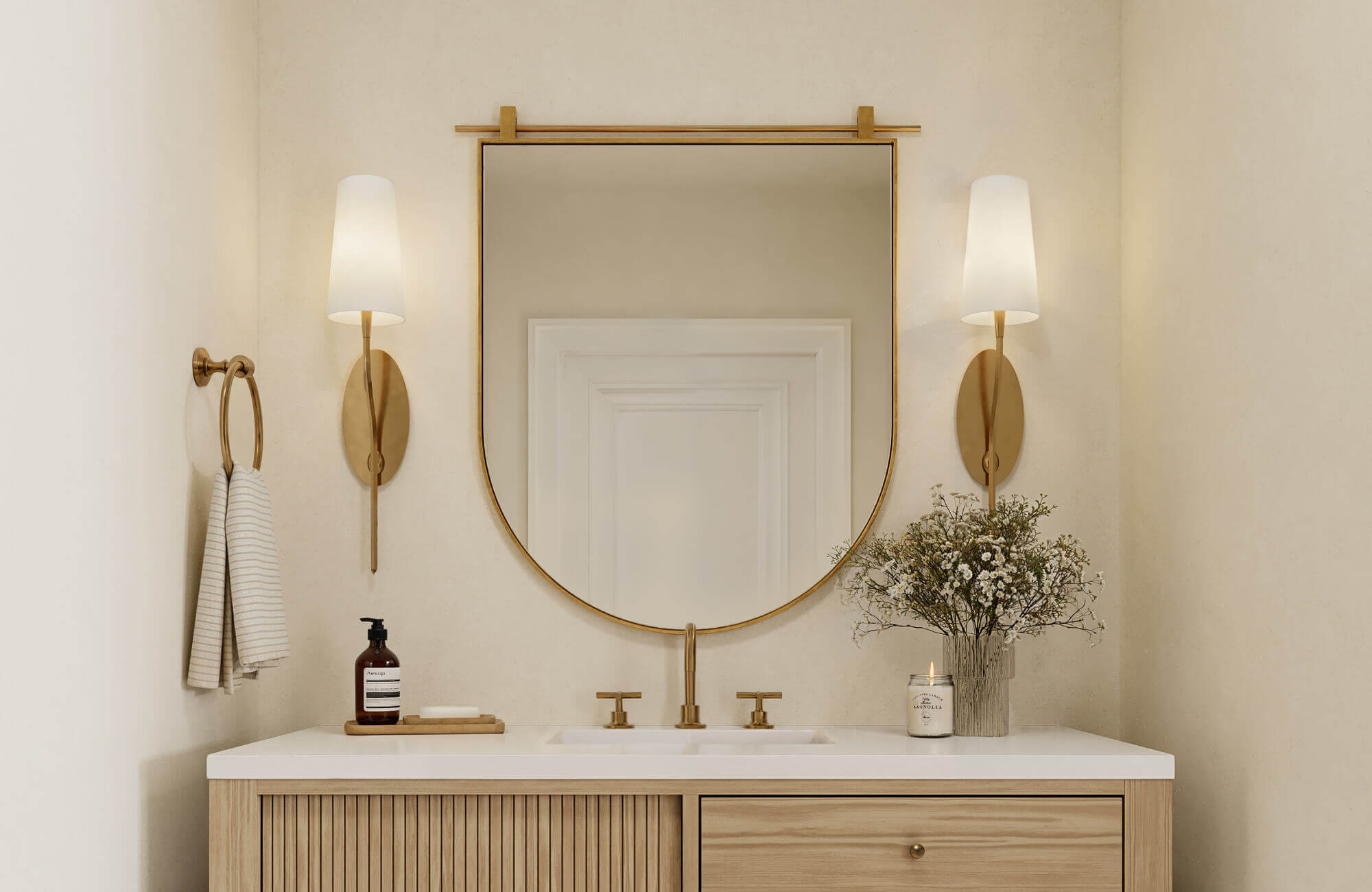
In minimalist interiors, frame finishes should blend effortlessly with the existing color palette. Black and white frames remain timeless choices, offering flexibility that works with nearly any wall color or furnishing style. Brass frames, such as our Clancy Small Arch Mirror in Antique Brass above, can introduce a warm, sophisticated touch, while matte black offers crisp definition without feeling heavy. These tones can be especially effective when they echo other finishes in the room, like cabinet hardware or lighting fixtures.
Soft metallic options, such as brushed gold, brass, or matte silver, add refinement without disturbing the calm, pared-back tone of a minimalist space. The key is selecting a finish that ties into your other accents, allowing the mirror to feel integrated rather than isolated. When coordinated well, the frame becomes a subtle yet intentional detail that supports the room’s balance and cohesion. This approach ensures the mirror elevates the space while preserving its refined and understated character.
Strategic Placement for Function and Style
In minimalist interiors, the way you position a mirror can influence both the function and feel of a space. Placement is about more than convenience; it’s about how the mirror interacts with light, shapes the room’s proportions, and supports a clean, open look. The goal is to use mirrors as intentional design elements that work seamlessly with a minimalist approach.
Opposite Windows for Light Maximization
Positioning a mirror directly across from a window is one of the most effective ways to brighten a minimalist room. This setup reflects natural light throughout the space, making it feel open, fresh, and more welcoming. It also brings subtle glimpses of the outdoors inside, adding depth without introducing additional décor. Large, frameless mirrors or thin frames work best here, allowing the reflected view and daylight to be the main focus. Keeping surrounding surfaces clear ensures the light flows freely, preserving the uncluttered feel that minimalism thrives on.
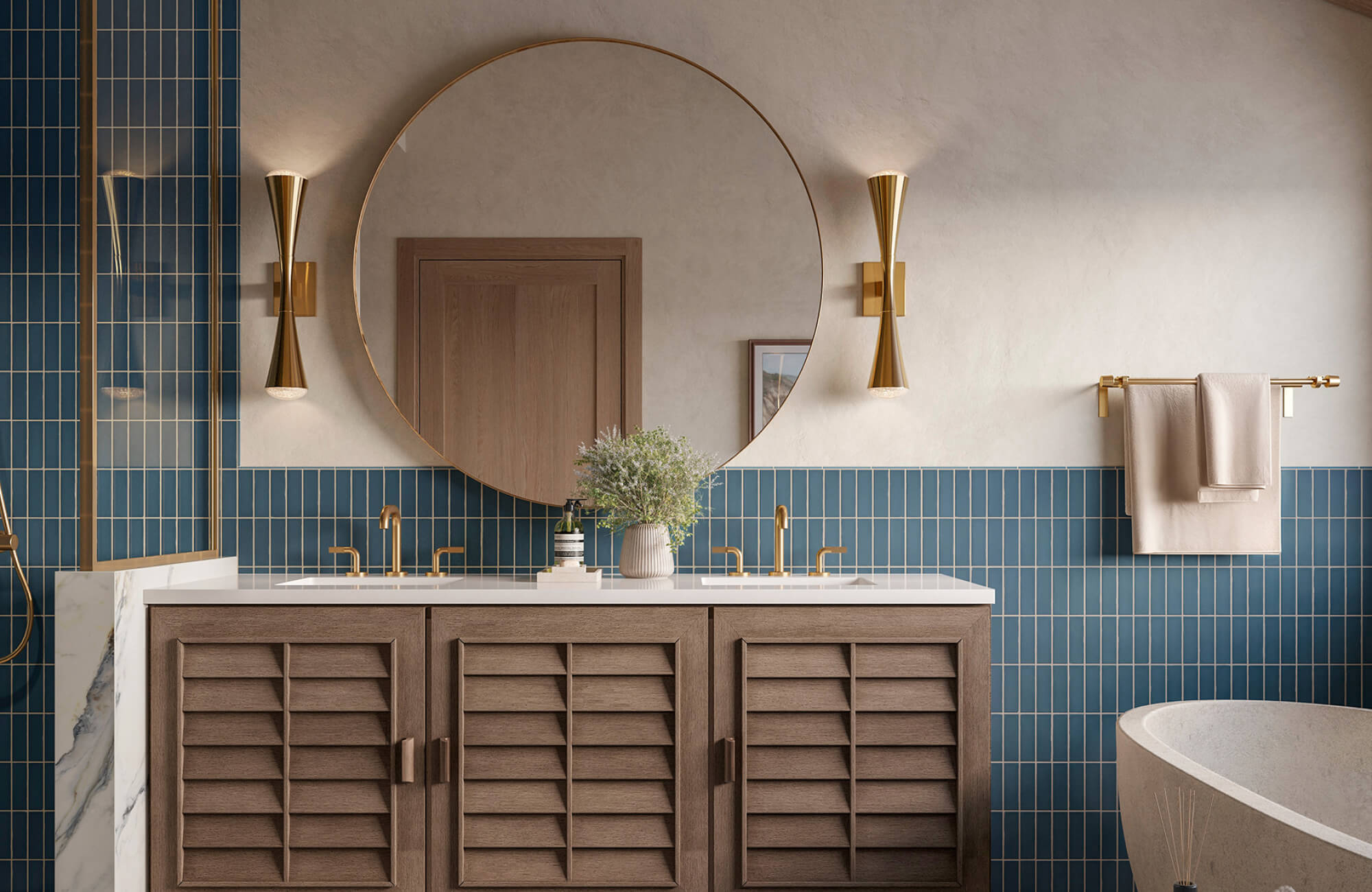
Our Tristan Square Mirror in Polished Brass above achieves this beautifully, offering crisp lines and a gleaming finish that amplifies both natural light and the room’s architectural details. Its square shape provides a balanced, structured presence that complements minimalist spaces with elegance.
As Statement Pieces on Feature Walls
In minimalist spaces, a single large mirror can create more impact than multiple smaller decorative elements. Placing it on a feature wall draws the eye and adds dimension without overwhelming the design. This approach works well in living rooms, dining areas, or bedrooms where you want a defined focal point. Choosing a mirror with clean lines ensures it blends with the minimalist aesthetic while still making a statement. By leaving the wall otherwise unadorned, the mirror remains the star feature, reinforcing a simple yet intentional design.
At Entryways for a Functional Welcome
An entryway mirror combines practicality with style, giving you a quick spot for last-minute checks while enhancing the sense of space. In minimalist homes, it keeps the area feeling open and light, especially if paired with natural daylight or soft artificial lighting. This placement also helps brighten entryways that are narrow or enclosed. A frameless or slim-framed mirror works best to keep the look clean and cohesive. Pairing it with a streamlined console or bench ensures function without clutter, making the space feel organized and welcoming.
Layering Light and Reflection for Atmosphere
Mirrors can work with minimalist lighting to create a soft, balanced glow that enhances the room’s mood. When positioned to reflect pendant lights, sconces, or subtle LED accents, they help distribute light evenly without requiring extra fixtures. This layered approach creates depth while keeping the design clean and understated. In the evening, it adds warmth and intimacy, while during the day, it maintains brightness and openness. Placing mirrors to capture both direct and ambient light ensures a cohesive, well-lit space that still feels minimal.
Balancing Mirror Size with Room Proportions
Choosing the right mirror size is essential in a minimalist setting, where balance and proportion play a major role in the overall feel. A mirror that’s too small can look insignificant, while one that’s too large may overpower the simplicity of the room. Ideally, the mirror should feel substantial enough to serve its purpose, whether that’s reflecting light, expanding space, or adding a focal point without disrupting the sense of openness.
It’s also important to consider placement when sizing your mirror. In living areas, a larger mirror above a console can make the room feel expansive, while in bedrooms or bathrooms, a proportionate mirror above a vanity maintains both functionality and aesthetic balance. By aligning size with both purpose and room dimensions, you ensure the mirror enhances the design without compromising the minimalist look.
Pairing Mirrors with Minimalist Materials
In modern minimalist design, mirrors aren’t just visual tools; they also work in harmony with the room’s textures and finishes. By pairing them with carefully chosen materials, you can create a layered, tactile experience that still feels clean and uncluttered. Whether you want to soften a stark space or add structure to a light, airy one, the right combination of textures can subtly shift the mood.
Wood Accents for Warmth
Pairing mirrors with wood accents can instantly add warmth to a minimalist space, balancing the cool, reflective surface of glass. Natural tones like oak, walnut, or ash create an inviting contrast, softening the crisp lines typical of minimal design. This combination works especially well in areas like bedrooms or entryways, where a touch of organic texture makes the room feel more approachable. Choosing light or mid-tone woods ensures the mirror still takes center stage without overpowering the composition. The result is a harmonious blend of modern clarity and natural comfort.
In more contemporary settings, mirrors with thin wood frames or positioned above wood furniture can create a grounded focal point. For example, a frameless mirror above a floating wooden vanity keeps the overall look light while still introducing warmth. The grain patterns in the wood provide subtle visual interest without straying from the clean aesthetic. This approach also pairs well with neutral wall colors, allowing both the wood and the mirror to stand out naturally. It’s an effective way to keep minimalism from feeling cold or overly stark.
Concrete and Stone for Urban Minimalism
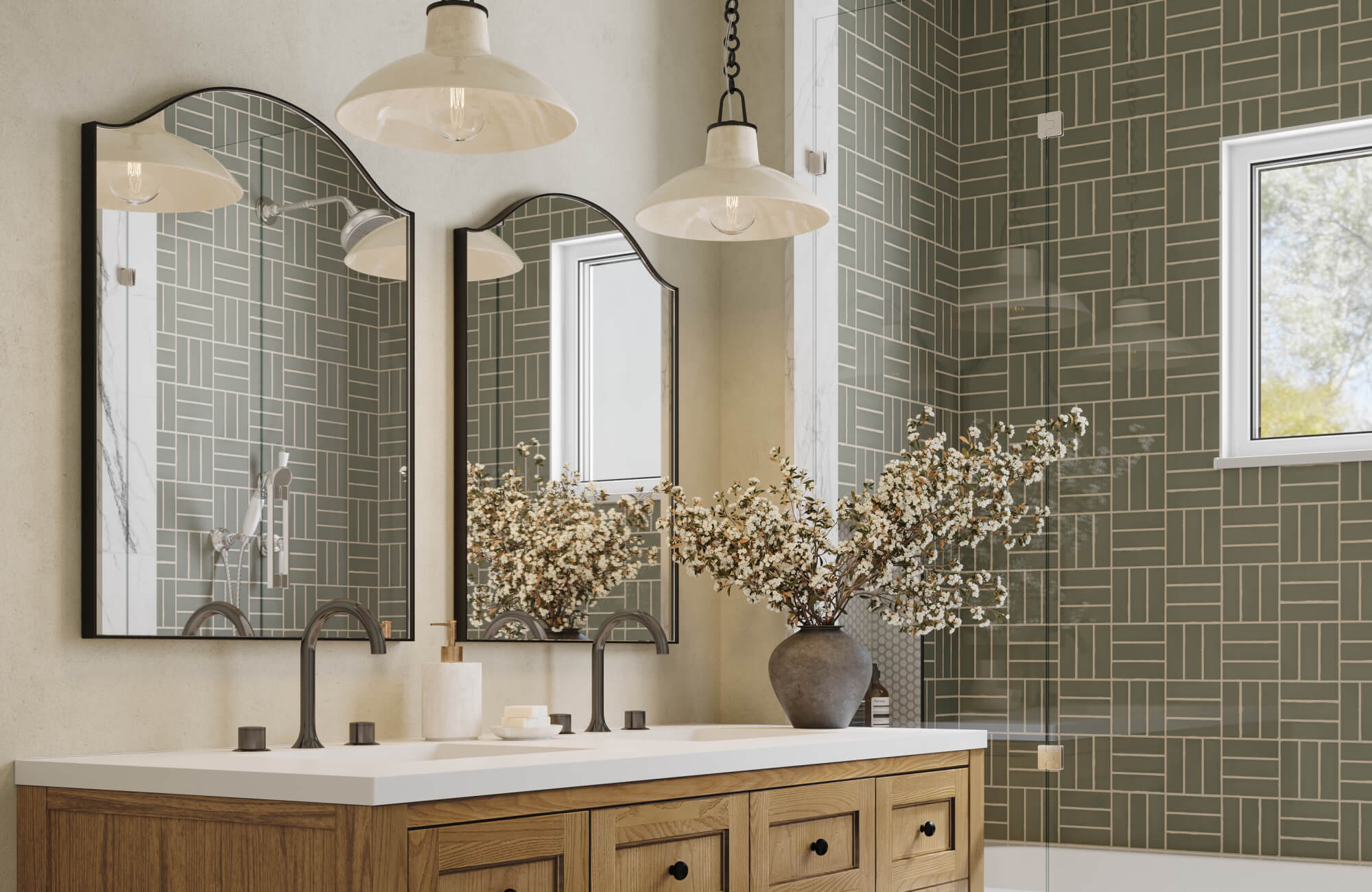
For spaces that embrace an urban, industrial edge, pairing mirrors with concrete or stone elements creates a strong, grounded look. The raw, tactile qualities of these materials contrast beautifully with the smooth clarity of glass. This pairing works particularly well in bathrooms, kitchens, or loft-style living areas where durability and visual weight are part of the design story. A black-framed mirror against a concrete wall, for example, can feel both modern and timeless. It’s a combination that adds depth without the need for additional decorative pieces.
Stone surfaces, from polished marble to honed limestone, can bring a more refined take on this pairing. Placing a mirror near a stone feature wall or countertop creates a layered, sophisticated effect that fits seamlessly into minimalist design. The reflective quality of the mirror softens the heaviness of the stone, preventing the space from feeling too rigid. This balance between rough and sleek ensures the design remains approachable while still feeling architecturally strong. It’s an ideal approach for those who want minimalism with a sense of permanence.
Common Mistakes to Avoid
Even in minimalist spaces, mirrors can lose their impact if they’re not used thoughtfully. Avoiding a few common design pitfalls will help keep your layout clean, balanced, and visually intentional. By steering clear of these mistakes, you can make sure your mirrors truly complement the space rather than compete with it.
Overdecorating Around the Mirror
Placing too many accents around a mirror can quickly disrupt the calm, open feel that minimalism aims to achieve. While a few well-chosen elements, such as a slim vase or a single sconce, can frame the mirror beautifully, cluttering the area with extra décor draws focus away from its clean lines. This over-decoration can also make the space feel busier than intended, undermining its simplicity. To preserve the minimalist flow, choose one or two functional or visually complementary pieces and allow the mirror to breathe. This keeps it as the focal point without overwhelming the wall.
Using Frames That Are Too Ornate
In minimalist interiors, heavily detailed frames can feel visually heavy and out of place. Ornate carvings, excessive embellishments, or overly shiny finishes can pull focus away from the mirror’s purpose and the room’s overall balance. Instead, opt for frameless designs or frames with clean lines and simple textures that support the space’s pared-down style. This approach ensures the mirror blends seamlessly into the design while still adding interest. By keeping the frame understated, you allow the mirror’s function and the surrounding space to speak for themselves.
Placing Mirrors in Poorly Lit Corners
Mirrors are most effective when they can bounce and amplify light, making placement key to their success in minimalist spaces. Tucking them away in dim corners reduces their ability to enhance brightness and openness. Whenever possible, position mirrors where they can catch natural light from windows or reflect layered artificial lighting. This ensures they add to the room’s sense of airiness rather than fading into the background. Thoughtful placement can make even the simplest mirror feel purposeful and impactful.
Finishing Your Minimalist Look with Mirrors
Mirrors are more than functional pieces; they’re design tools that can shape light, expand space, and bring balance to a modern minimalist home. When chosen thoughtfully and placed with intention, they contribute to the sense of calm and cohesion that defines this style. Whether you opt for a frameless design or a sleek, thin frame, the right mirror can anchor a room while keeping it open and uncluttered.
At Edward Martin, our curated selection of minimalist-inspired mirrors is designed to complement clean, modern interiors without adding unnecessary visual weight. From subtle geometric shapes to refined metallic finishes, each piece is crafted to work seamlessly with your space. For guidance tailored to your home’s proportions, layout, and lighting, we invite you to book a personalized design consultation and bring your minimalist vision to life.
Follow us on Instagram
@EDWARD.MARTIN
)
)
)
)
)
)
)
)
)
)
)
)
)
)
)
)