A mirror is more than a reflective surface—it is a defining element of design, craftsmanship, and functionality within any space. The finest mirrors blend clarity with durability, offering distortion-free reflections while resisting the effects of time, moisture, and daily use. From the thickness of the glass to the artistry of its silvering, every detail contributes to the quality and longevity of its performance. In addition, superior backing materials, precise edgework, and advanced protective coatings ensure that a mirror remains as brilliant and reliable as the day it was installed. By understanding these hallmarks of excellence, you can confidently select high-quality mirrors that elevate interiors while providing lasting value.

Glass Thickness and Optical Clarity
Glass thickness determines the stability and accuracy of a mirror’s reflection. Thin and uneven glass can easily bend or warp, creating visual distortions that reduce its overall functionality.
Recommended Glass Thickness
The thickness of a mirror has a direct influence on both its structural integrity and optical clarity. For example, mirrors under 3 mm often flex under pressure, producing distorted reflections that are acceptable only for small, decorative uses. By contrast, 4–5 mm mirrors provide better durability and are commonly installed in residential settings for their balanced weight and reliability. Moreover, 6 mm float glass mirrors are widely regarded as the standard for large commercial or studio spaces where stability is essential. Because float glass is manufactured through a molten tin process, it offers a smoother, flatter surface that enhances image precision. Consequently, choosing the right thickness ensures that mirrors remain stable, clear, and visually accurate for long-term use.
Float Glass Technology
High-quality mirrors typically rely on float glass, which is created by floating molten glass over a tin bath to achieve remarkable flatness. As a result, rippling and waviness are virtually eliminated, which are common flaws in lower-grade glass. In addition, float glass offers uniform density, minimizing imperfections that can distort reflections. When combined with a greater thickness, such as 6 mm, this type of glass provides unmatched accuracy in reflective performance. This makes it particularly valuable in environments like retail dressing rooms, makeup studios, or fitness centers where precision is critical. Ultimately, investing in float glass technology guarantees both long-lasting durability and distortion-free reflections.

Silvering Process and Reflective Coating Quality
The reflective coating is the defining element of any mirror, as it determines brightness, sharpness, and overall fidelity of reflections. In fact, superior silvering processes not only enhance reflectivity but also provide critical protection against tarnishing and environmental damage.
Silver vs. Aluminum Backing
The choice of backing material is a key indicator of mirror quality. For instance, silver-backed mirrors provide higher reflectivity and color accuracy, delivering crisp, lifelike images that do not fade easily. On the other hand, aluminum-backed mirrors are generally cheaper but tend to lose brightness more quickly and may even appear slightly hazy. Moreover, silver resists tarnishing more effectively when combined with strong protective coatings, preserving its brilliance over decades. For bathrooms and high-humidity spaces, silver-backed mirrors are especially recommended due to their durability. Therefore, selecting a silver-backed option ensures superior clarity, color accuracy, and resilience compared to aluminum alternatives.
Multi-Layer Protective Coatings
Durability is further enhanced by the addition of protective coatings. In high-quality mirrors, a triple-layer system—consisting of a silver nitrate layer, a copper coating, and robust backing paint—acts as a shield against corrosion. By comparison, low-cost mirrors often rely on single-layer protection that quickly degrades when exposed to moisture. In addition, multi-layer systems significantly reduce the occurrence of “black spots” caused by oxidation creeping in from the edges. This makes them an excellent choice for bathrooms, spas, and kitchens, where humidity and cleaning agents are constantly present. As a result, multi-layer protective coatings provide both enhanced performance and long-lasting brightness.

Backing Material and Corrosion Resistance
The protective backing behind a mirror plays a crucial role in defending the reflective coating from moisture and chemicals. In addition, the quality of this layer ultimately dictates how well the mirror resists tarnishing and long-term degradation.
Paint Protection Systems
Backing protection begins with the type and thickness of paint used to seal the mirror. For instance, single-layer paint used in low-cost options often peels and allows moisture to seep through. In contrast, dual- or triple-epoxy coatings create a much more resilient barrier that extends the mirror’s lifespan. Moreover, these coatings significantly reduce the formation of unsightly black spots along the edges, which are common in poorly protected mirrors. They also provide stronger resistance to cleaning chemicals, preventing premature deterioration. Consequently, premium paint protection ensures durability in high-humidity areas like bathrooms and spas, where inferior mirrors often fail.
Eco-Friendly Backing Solutions
In recent years, manufacturers have developed copper-free and lead-free backings that improve corrosion resistance while aligning with eco-friendly standards. Unlike traditional copper backings, which oxidize quickly, these alternatives use advanced protective layers that resist tarnishing. In addition, eco-friendly backings are designed to comply with sustainability certifications, making them suitable for green building projects. They also ensure that mirrors remain durable even in moisture-heavy environments. Furthermore, these backings enhance performance without sacrificing safety or environmental responsibility. Ultimately, choosing eco-friendly backings delivers both long-term durability and compliance with modern design standards.

Edgework and Safety Features
The finishing of a mirror’s edges impacts both performance and safety. Properly treated edges prevent premature deterioration while adding refinement to the overall design.
Edge Finishing Techniques
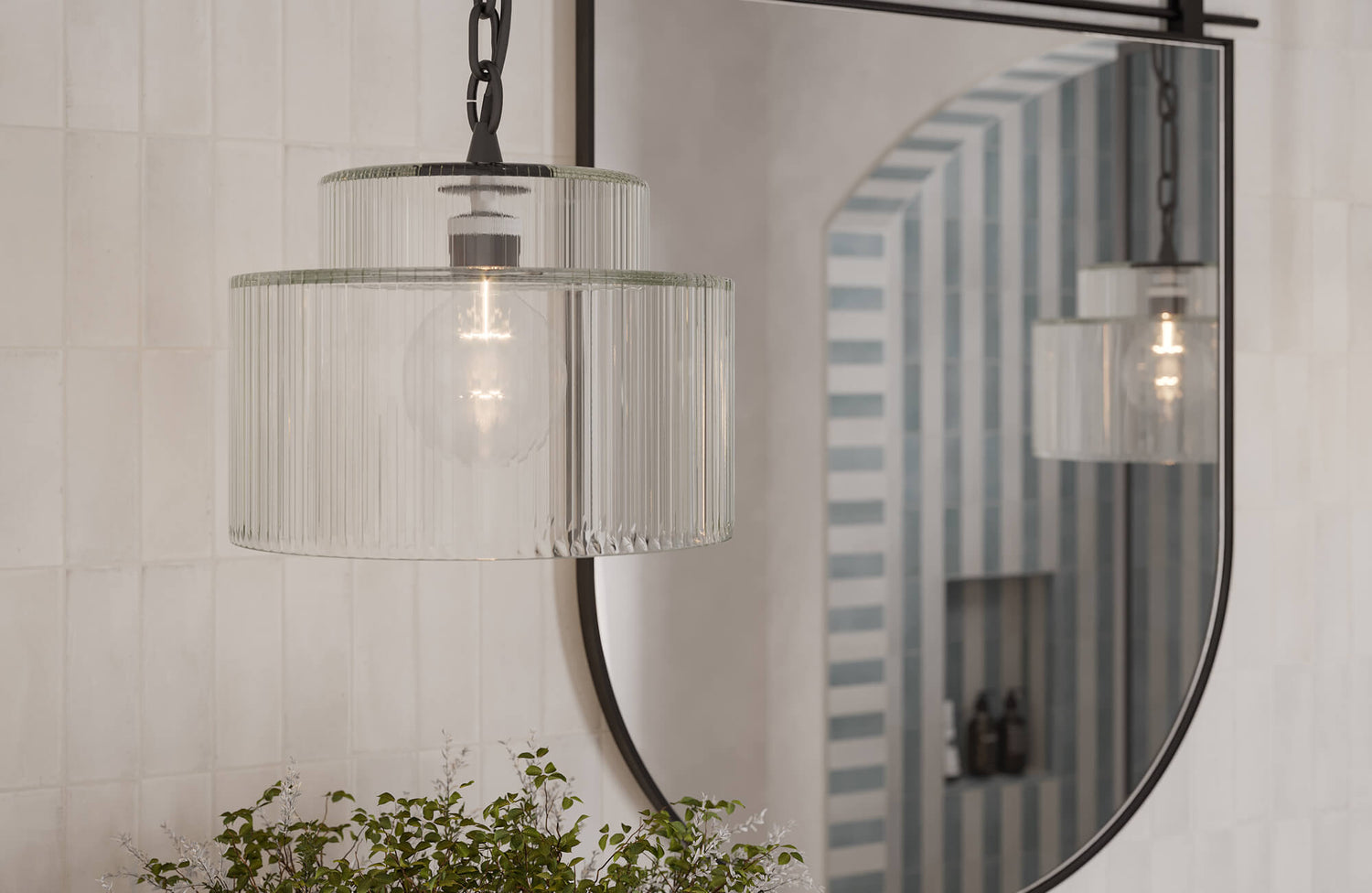
Edge treatments serve both protective and aesthetic purposes. For example, polished edges provide a clean, glossy finish that prevents chipping and maintains durability. Similarly, beveled edges add a sophisticated design detail while offering an extra layer of protection for the reflective layer. In addition, seamed edges smooth rough cuts, making them safe for framed applications where the edge is hidden. Proper edge sealing also prevents oxidation from spreading inward, which commonly causes blackening. A practical example is the Fitz Mirror in Antique Silver, as shown in the photo above, which features a refined seamed edge that enhances safety while complementing its artisanal antique silver frame, demonstrating how functional edgework can also support a timeless decorative design.
Safety Standards
Mirrors designed for commercial or public spaces must comply with safety glazing standards such as ANSI Z97.1 or EN 12600. For example, tempered glass mirrors break into blunt, small fragments rather than sharp shards, minimizing injury risks. Laminated glass mirrors, by contrast, hold fragments in place due to a strong interlayer, ensuring additional safety. Moreover, these safety features improve the structural integrity of mirrors, making them more impact-resistant. Such compliance is particularly critical in gyms, schools, or hotels where heavy use increases risk. Therefore, mirrors that meet safety standards provide both peace of mind and reliable performance.

Reflective Accuracy and Distortion Testing
A high-quality mirror should always provide distortion-free reflections that preserve visual accuracy. Without proper manufacturing precision, reflections can appear warped or blurred, undermining both function and aesthetics.
Distortion Checks
One of the simplest ways to evaluate mirror quality is to test for distortion. For instance, standing at an angle and observing straight lines, such as tiles, cabinets, or doorframes, will reveal whether the surface bends the reflection unnaturally. If lines appear warped, the mirror glass is likely too thin or unevenly processed. By contrast, premium mirrors with precision manufacturing ensure that reflections remain straight and consistent across the entire surface. This is especially important in settings such as gyms, retail fitting rooms, and grooming spaces where accuracy matters. A perfect example, as displayed in the picture above, is Edward Martin’s Shirley Large Mirror in Antique Brass Iron, which demonstrates distortion-free clarity by accurately reflecting lighting fixtures, wall textures, and artwork without warping—showcasing both functional precision and elegant design.
Optical Testing Methods
Beyond basic checks, manufacturers and professionals use precise tools to ensure flatness and accuracy. For example, laser alignment systems can highlight even the smallest irregularities that might distort a reflection. Similarly, calibration grids allow technicians to verify that reflective accuracy is consistent across large surfaces. In addition, these tests provide measurable benchmarks, ensuring that each mirror meets strict optical standards. This is particularly crucial in commercial environments like salons or photography studios, where even slight distortions can affect results. Therefore, technical testing offers an added layer of confidence that a mirror will deliver reliable visual performance.

Moisture Resistance and Installation Environment
Environmental factors play a major role in determining how long a mirror will last. For humid or high-moisture settings, special coatings and treatments are essential to prevent tarnishing and edge deterioration.
Moisture-Resistant Coatings
Mirrors designed for wet environments are manufactured with coatings that resist moisture penetration. As a result, they are far less likely to develop edge blackening or cloudy reflections over time. In addition, these protective layers make cleaning easier, since steam and condensation do not seep into the backing. Such features are particularly valuable in bathrooms, spas, and gyms, where exposure to humidity is constant. By choosing moisture-resistant coatings, you ensure not only long-term clarity but also reduced maintenance needs. A strong example is our Rory Mirror in Matte Black, designed specifically for moisture-prone environments, which maintains its sharp reflections and sleek finish even in bathrooms where steam and humidity are unavoidable.
Laboratory Testing Standards
To guarantee performance in high-moisture conditions, many manufacturers subject mirrors to rigorous laboratory testing. The CASS (Copper-Accelerated Acetic Acid Salt Spray) test, for example, simulates years of exposure to humidity and salt-laden air. Passing this test also demonstrates that the mirror’s backing and coatings can withstand extreme environments. In addition, such testing is particularly relevant for coastal installations where salt corrosion accelerates damage. By verifying results through standardized laboratory methods, manufacturers provide assurance of durability. Thus, mirrors that pass these tests are far more reliable for long-term use in challenging environments.
Elevating the Standard of Mirror Selection
Choosing a mirror of true quality means looking beyond its surface beauty and appreciating the craftsmanship hidden within its construction. Superior glass thickness, precise silvering, durable backing, and refined edgework together create a mirror that delivers flawless reflections and enduring performance. In addition, mirrors that meet recognized safety certifications and environmental standards provide both peace of mind and long-lasting value. By recognizing these defining qualities, you ensure every mirror selected becomes not only a functional necessity but also a timeless design feature that enhances any interior.
To further enhance your interior projects, Edward Martin’s design services offer expert guidance in selecting mirrors that balance both technical precision and aesthetic appeal. Our team ensures each piece aligns seamlessly with your space, delivering results that embody sophistication and durability. For personalized assistance or to begin your project, contact us today and experience the difference of professional design expertise!