Moroccan rugs bring an unmistakable sense of artistry and heritage into the home, weaving centuries of Berber tradition into every knot and fiber. Their handwoven textures, rich organic dyes, and intricate motifs transform ordinary rooms into curated spaces that feel both timeless and contemporary. Whether paired with the clean lines of modern minimalism or the ornate layers of traditional interiors, these rugs ground each setting with warmth and cultural depth. For homeowners and designers seeking both beauty and functionality, Moroccan rugs offer versatile styling possibilities that harmonize with diverse architectural elements. As a result, they stand as heirloom-quality investments that elevate living rooms, bedrooms, and dining areas with enduring elegance.

Understanding the Heritage and Weave of Moroccan Rugs
As mentioned, Moroccan rugs embody centuries-old Berber traditions, where each type represents regional identity and technical craftsmanship. Recognizing differences in weaving techniques and fiber selections allows homeowners and designers to match each rug to the practical and aesthetic needs of their space.
Types of Moroccan Rugs
Beni Ourain rugs, for instance, are woven from high-pile wool and display understated diamond motifs, making them particularly suited for minimalist and Scandinavian interiors. Azilal rugs, by contrast, are known for their vibrant colors and abstract compositions, adding a lively focal point to eclectic spaces. Boucherouite rugs, crafted from recycled fabrics, embody sustainability while introducing bold, expressive palettes that celebrate creativity.
Meanwhile, Zemmour rugs are tightly knotted and distinguished by their jewel-toned medallions, lending richness and sophistication to more formal settings. Each rug style conveys its own symbolic narrative—whether representing fertility, protection, or heritage—adding emotional depth and cultural resonance to interior design. Ultimately, selecting the right type ensures both aesthetic harmony and lasting functionality.
Technical Construction
Pile density directly affects softness and resilience, and higher knot counts generally result in greater durability for busy areas. Natural dyes derived from henna, indigo, or madder root yield organic hues that age gracefully over time. Hand-knotting methods, on the other hand, create subtle irregularities that confirm authenticity while enhancing visual texture. The wool sourced from Atlas Mountain sheep also retains natural lanolin, which provides stain resistance and moisture protection. Flatweave versions, by contrast, are lightweight and reversible, making them versatile for layering or smaller rooms. Together, these construction details influence how Moroccan rugs perform and age in both modern and traditional homes.

Styling Moroccan Rugs in Modern Homes
In modern interiors, Moroccan rugs add warmth and tactile contrast that softens sleek architectural lines. Their neutral or vibrant motifs allow designers to ground spaces while maintaining contemporary precision.
Anchoring Open-Plan Spaces
Large Beni Ourain rugs, for example, can define seating areas in expansive lofts, ensuring clarity within open layouts. When placed beneath sectional sofas and armchairs, they visually anchor furniture arrangements to prevent disjointed flow. Neutral-toned rugs also provide a soft contrast against concrete flooring and steel-framed windows, balancing industrial elements. Moreover, rugs contribute to sound absorption, which improves acoustics in wide and echo-prone spaces. In addition, their framing effect helps establish intimate corners that enhance usability. As a result, Moroccan rugs create zones of warmth and cohesion within modern open-plan living.
Balancing Minimalism with Texture
Minimalist spaces often risk appearing sterile, yet Moroccan rugs provide subtle texture that enriches visual balance. For instance, a neutral rug with understated motifs introduces depth without compromising clean monochromatic schemes. When paired with matte black fixtures and pale oak floors, ivory or gray rugs enhance cohesion while softening hard edges. Low-pile versions also perform well in functional zones such as hallways or home offices.
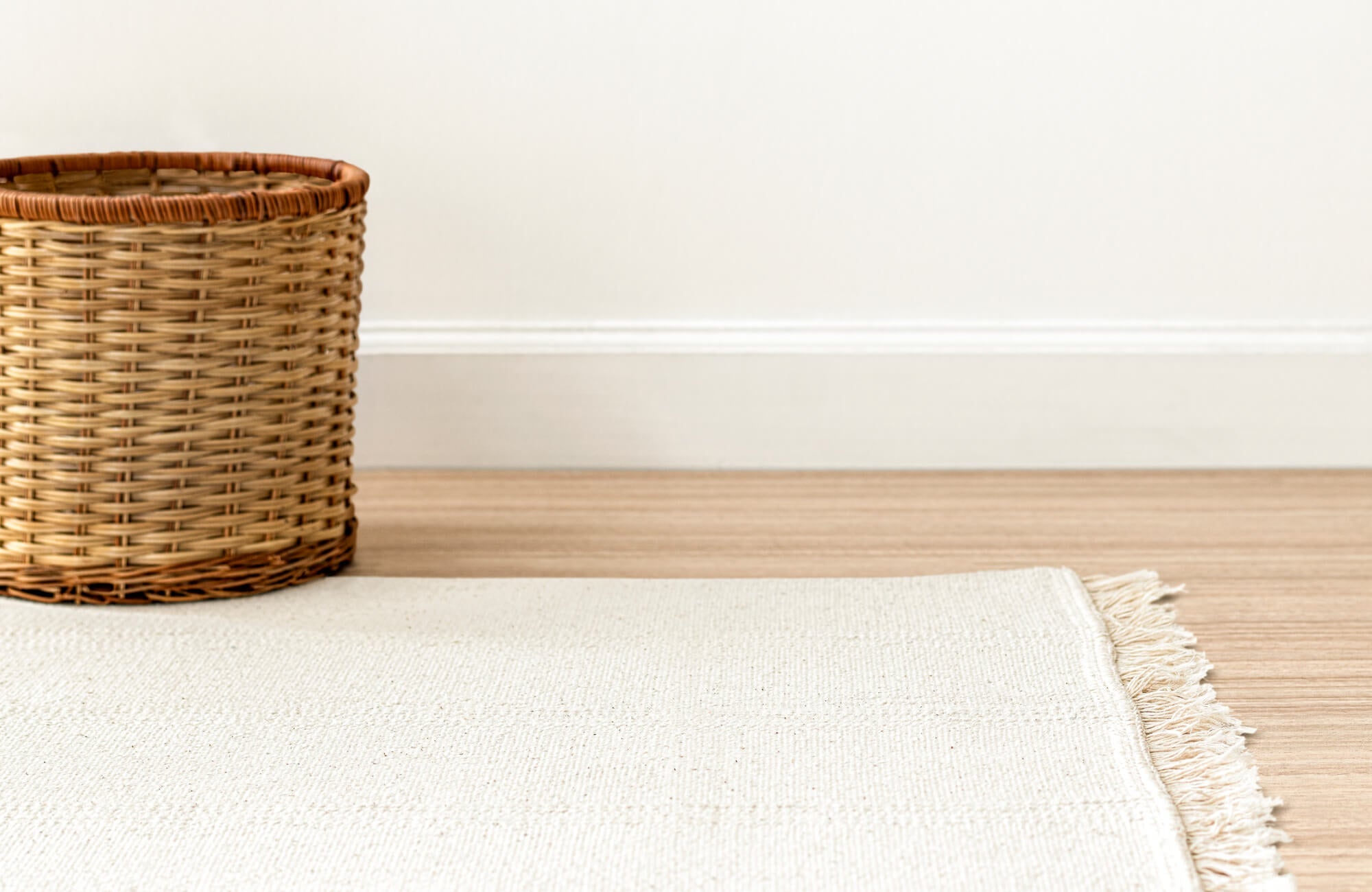
A perfect example is the Micah Wool Blend Rug in Cream / Dove, as displayed in the picture above, which reimagines Moroccan style through hand-knotted wool and cotton with linear and braided details. Its tonal variations and playful fringe add just enough texture to elevate minimal interiors with warmth and artistry.
Accent Statement in Modern Design
Vivid Azilal rugs, by contrast, can serve as bold artistic statements that energize contemporary spaces. Against white walls, their asymmetrical geometry stands out as both artwork and flooring. When layered with clean-lined leather seating, the tension between irregular motifs and structured forms creates visual intrigue. Brass or steel accents can also be chosen deliberately to echo rug tones, thus reinforcing unity. In addition, saturated shades of crimson, cobalt, or saffron command attention without overwhelming a modern layout. Ultimately, these rugs transform into conversation pieces that infuse modern homes with cultural richness.

Styling Moroccan Rugs in Traditional Homes
Traditional interiors benefit greatly from Moroccan rugs that enhance ornate architecture and antique furnishings. Their symbolic motifs and rich palettes, in particular, establish a dialogue between heritage storytelling and historical design.
Enhancing Heritage Architecture
When placed beneath carved wood dining tables, Moroccan rugs highlight grandeur while also softening sound in formal rooms. In addition, long runners align beautifully with arched corridors, accentuating architectural rhythm. Zemmour rugs, with their medallion patterns, reinforce the symmetry of paneled walls and vaulted ceilings. Moreover, jewel-toned hues add vibrancy that elevates traditional features without clashing. By integrating with architectural details, rugs emphasize craftsmanship across both textiles and structures.
Cultural Storytelling
Many Moroccan rugs incorporate motifs that symbolize fertility, protection, and ancestry, which naturally enriches traditional interiors with cultural depth. For example, protective diamonds or zigzag lines extend historic narratives into everyday living spaces. These symbols resonate strongly when paired with antique furniture or heirloom textiles. Combining such rugs with damask draperies or brocade upholstery also creates multidimensional layers. In addition, the storytelling embedded in patterns enhances authenticity beyond mere decoration. Thus, Moroccan rugs provide traditional homes with meaning as well as visual beauty.
Blending with Antique Furnishings
The vibrant tones of Boucherouite rugs create a striking contrast against mahogany or walnut pieces. Antique brass chandeliers, when paired with Moroccan rugs, establish tonal harmony through shared warmth. Meanwhile, muted Zemmour rugs complement gilded mirrors and velvet seating, reinforcing elegance. In addition, rugs positioned beneath four-poster beds lend regal presence to traditional bedrooms. Their patterns echo moldings and carvings, tying together furniture and architecture. Consequently, Moroccan rugs ensure antique furnishings feel integrated rather than disconnected.

Placement and Proportion Guidelines
Correct rug placement ensures Moroccan rugs feel intentional within furniture arrangements. Proportion, in turn, maintains balance and prevents rugs from appearing undersized or overwhelming.
Living Rooms
Extending rugs 12–18 inches beyond sofa fronts, for instance, unifies seating areas and enhances flow. Oversized rugs prevent the floating effect often seen in large living rooms. Rectangular layouts also align naturally with sectional seating, maintaining proportional grounding. When centered beneath coffee tables, rugs create balance across focal points. In addition, layering Moroccan rugs introduces depth while preserving visual clarity.
A refined choice for these settings is the Liddy Polyester Pile Rug in Graphite / Pearl, as shown in the picture above. Inspired by Moroccan motifs such as diamonds and linear patterns, its neutral palette adds dynamic visual interest without disrupting harmony, making it easy to design around. Power-loomed of durable polyester in Turkey, this rug offers both style and practicality, ensuring that living rooms feel cohesive, welcoming, and enduringly elegant.
Bedrooms
Oversized rugs placed two-thirds under beds ground the furniture while leaving balanced floor exposure. Smaller runners flanking each side, moreover, add symmetry and tactile comfort. Positioning rugs perpendicular to the bed can also visually elongate compact rooms. In addition, layering Moroccan rugs on sisal bases introduces softness and acoustic benefits. Neutral palettes integrate effortlessly with linen or velvet bedding, maintaining harmony.
Dining Areas
Dining rugs should extend to accommodate fully drawn chairs, ensuring both function and balance. Low-pile Moroccan rugs, in particular, enable smooth chair movement without resistance. Round rugs also pair effectively with circular dining tables, echoing shape and symmetry. In addition, richly colored rugs disguise stains while preserving formality. Even framing around the table helps anchor the dining zone. Ultimately, proportionally correct rugs transform dining areas into refined entertaining spaces.

Sizing Moroccan Rugs for Different Rooms
Selecting the correct rug size is just as important as choosing the right style or pattern. By aligning rug dimensions with room scale and furniture layout, Moroccan rugs can enhance both functionality and visual harmony.
Living Rooms
A Moroccan rug that is too small can make a living room feel fragmented, while an oversized piece may overwhelm the space. For standard layouts, an 8x10 rug works well to anchor sofas and armchairs in mid-sized living rooms. Larger spaces may also require 9x12 rugs to extend beyond furniture groupings and unify open layouts. In smaller apartments, a 5x8 rug placed beneath the coffee table can define a seating area without crowding the floor. Moreover, Moroccan rugs with bold geometric motifs help delineate the living zone in open-plan interiors. Choosing the right size ensures that the rug feels intentional rather than an afterthought.
Bedrooms
In bedrooms, Moroccan rugs should provide comfort underfoot while visually grounding the bed. For queen-sized beds, a 6x9 or 8x10 rug placed two-thirds beneath the bed offers a balanced look. King-sized beds, on the other hand, pair better with 9x12 rugs, which extend on both sides for symmetry and practicality. Smaller rooms can also benefit from Moroccan runners flanking each side of the bed, adding texture without overwhelming the space. In addition, layering a smaller Moroccan rug at the foot of the bed introduces depth and warmth. The correct size transforms the bedroom into a cohesive and inviting retreat.
Dining Rooms
Dining spaces require rugs that accommodate both the table and chairs, even when chairs are pulled out. A general rule is to choose a Moroccan rug at least 24–30 inches larger than the dining table on all sides. For a table seating six, an 8x10 rug is typically ideal, while larger dining sets may call for 9x12 or 10x14 rugs. Round tables pair especially well with round rugs, creating proportional harmony. Flatwoven Moroccan rugs are particularly practical in dining areas, as they allow easy movement of chairs without friction. By selecting the right size, the rug enhances the dining experience while maintaining elegance and functionality.

Color Theory and Tonal Coordination
Strategic color coordination ensures Moroccan rugs integrate seamlessly with surrounding palettes. Proper tonal balance elevates rugs from decorative accents to cohesive design anchors.
Neutral Schemes
Ivory and taupe rugs, for instance, anchor minimalist interiors with understated elegance. Subtle motifs add depth while maintaining visual calmness. Moreover, neutral palettes pair effectively with pale woods, stone finishes, and matte metals. Their quiet tones also allow furniture forms to remain central. This restrained approach generates serenity while retaining artisanal depth.
A fitting example is our Micah Wool Blend Rug in Natural / Graphite, as featured in the photo above. Hand-knotted of wool and cotton, its braided detailing and tonal variations create a subtle texture that blends effortlessly with soft, neutral schemes. Finished with playful fringe, this rug also balances clean-lined furniture and warm wood accents, proving how Moroccan-inspired designs can enrich serene, minimalist spaces with timeless artistry. Consequently, neutral Moroccan rugs are indispensable for modern minimalism.
Bold Accents
Vibrant rugs in shades of saffron, cobalt, or crimson bring instant energy to otherwise subdued interiors. Their saturated tones serve as natural focal points, guiding the eye and creating a sense of movement within the space. When paired with abstract artwork, these rugs also establish a harmonious visual dialogue that feels both curated and dynamic. Accent pillows, ceramics, or other décor elements can subtly echo the rug’s palette, reinforcing a sense of continuity throughout the room. In particular, jewel-toned designs enliven living areas and transitional spaces without overwhelming them. Ultimately, bold Moroccan rugs introduce character and vibrancy while maintaining a refined sense of balance.
Tonal Harmony in Traditional Homes
Vibrant rugs in shades of saffron, cobalt, or crimson bring instant energy to otherwise subdued interiors. Their saturated tones serve as natural focal points, guiding the eye and creating a sense of movement within the space. When paired with abstract artwork, these rugs also establish a harmonious visual dialogue that feels both curated and dynamic. Accent pillows, ceramics, or other décor elements can subtly echo the rug’s palette, reinforcing a sense of continuity throughout the room. In particular, jewel-toned designs enliven living areas and transitional spaces without overwhelming them.

Care, Preservation, and Longevity
Proper maintenance is essential to sustain the quality of Moroccan rugs. With consistent care and professional preservation, these textiles can remain heirloom pieces for generations. For best results, always follow the manufacturer’s care and maintenance guidelines, as these recommendations are tailored to the material’s specific composition and finish.
Routine Maintenance
Regular maintenance is key to preserving the texture and appearance of Moroccan rugs. Vacuuming without beater bars helps remove dust effectively while preventing fiber damage. Rotating rugs every six months also promotes even wear and color fading, maintaining a consistent look. In addition, spot-cleaning with pH-neutral solutions safeguards the wool’s natural lanolin and prevents discoloration. To minimize friction and extend longevity, use underlay pads that protect both the rug and the underlying flooring. Avoiding heavy furniture indentations further preserves pile integrity and structure. Together, these simple practices significantly extend the life and beauty of Moroccan rugs.
Professional Care
For deeper maintenance, annual professional cleaning helps restore vibrancy and protect the integrity of natural dyes. Specialized hand-washing techniques are particularly well-suited for wool fibers, maintaining their softness and resilience. Avoiding harsh chemicals also prevents fiber deterioration, while proper drying methods ensure rugs remain free from mold and dye migration. When cleaning techniques are tailored to the rug’s density and weave, structural strength is preserved over time. Ultimately, professional care safeguards Moroccan rugs from premature wear while enhancing their natural luster.
Preservation of Valuable Rugs
For long-term preservation, climate-controlled storage protects rugs from humidity and temperature fluctuations. Rugs should be rolled, not folded, to prevent permanent creases and maintain fiber alignment. Limiting exposure to direct sunlight also helps prevent fading and brittleness, while periodic air circulation keeps wool fibers healthy. By following these preservation practices, valuable Moroccan rugs retain their beauty, structure, and cultural integrity for generations.
Lasting Elegance of Moroccan Rugs
Moroccan rugs embody a balance of cultural heritage and design versatility, allowing them to enrich both modern and traditional homes with equal grace. Their intricate weaves, symbolic motifs, and organic palettes offer a timeless foundation that adapts seamlessly across changing design trends. When styled with attention to proportion, layering, and color harmony, these rugs elevate interiors from functional to artful. Ultimately, Moroccan rugs remain enduring treasures that bring warmth, beauty, and sophistication to every space they inhabit.
To further refine your vision, Edward Martin’s expert design services provide tailored guidance in selecting and styling the perfect rug for your home. Our team ensures every space feels cohesive, elegant, and truly personal—crafted with both artistry and intention. Discover how these enduring treasures can transform your home, and contact us today to begin designing a space that reflects your unique style with Edward Martin!