
)
)
)
)
)
)
)
)
How Durable Are Porcelain Pavers?
Porcelain pavers have become a go-to choice for modern outdoor design, thanks not only to their refined appearance but also to their impressive claims of strength and longevity. Whether you're envisioning a sleek patio, a resilient driveway, or a low-maintenance pool deck, durability is likely at the top of your checklist.
This article takes a deep dive into what makes porcelain pavers such a powerful contender in the world of outdoor surfaces. From their unique material composition and resistance to climate extremes to how they handle everyday wear and environmental exposure, you’ll get a clear, thorough look at how well porcelain really holds up and why it continues to outperform many traditional alternatives.
Composition Science Behind Porcelain Paver Strength
Understanding what makes porcelain pavers so durable begins with the science behind their composition. From how they’re fired to the exact materials used, every element is engineered for strength and longevity.
High-Temperature Kiln Firing and Its Effects
When porcelain pavers are created, they’re subjected to extreme kiln temperatures, often over 1200°C. This intense heat fuses the fine mineral particles into a compact, glass-like matrix through a process known as sintering. The result is a surface that’s not only incredibly hard but also highly resistant to moisture and cracking. Because the structure is nearly vitrified, it becomes impervious to many forms of environmental stress that commonly degrade other outdoor materials.
This molecular-level bonding is a game-changer compared to alternatives like concrete. It equips the pavers with a toughness that doesn’t fade over time, allowing them to hold up against both everyday wear and harsh weather. If you want a material that stays strong season after season, this firing process is a critical factor to look for.
Material Mix and Density Comparison with Alternatives
The strength of porcelain pavers also comes from what goes into them. They’re made with a blend of fine clays, feldspar, and silica, which are carefully selected and processed to ensure maximum density. That density is what keeps water, chemicals, and even stains from penetrating the surface. With less than 0.5% porosity, porcelain far outperforms poured concrete or natural stone, both of which allow significantly more moisture to seep in.
This compact structure also makes a noticeable difference in how the pavers hold up over time. You’ll deal with fewer cracks, fewer discoloration issues, and less maintenance overall. Unlike other materials that may chip, crumble, or fade, porcelain keeps its form and appearance intact far longer.
Compressive Strength Ratings and Real-World Implications
One of the most compelling features of porcelain pavers is their exceptional compressive strength, often surpassing 10,000 PSI. This means they can take on the weight of vehicles, constant use, and heavy outdoor furniture without warping or breaking. Whether you're designing a driveway, an outdoor lounge, or a busy walkway, this kind of resilience also offers peace of mind and performance.
Because they resist deformation and impact, porcelain pavers preserve their surface finish and structural integrity even in demanding settings. That means fewer repairs, no sagging tiles, and a surface that remains both functional and attractive, no matter how you use the space.
Resistance to Climate Extremes and Weather Exposure
Your outdoor surfaces face constant exposure to the elements, from freezing winters to blazing summer heat. Porcelain pavers are specifically engineered to stand up to these challenges with minimal wear, maintaining their performance and appearance through seasonal extremes.
Freeze-Thaw Cycle Resilience in Cold Climates
In regions where winters are long and harsh, materials often suffer from repeated freeze-thaw cycles. Water seeps into the surface, freezes, expands, and causes cracking or spalling. Porcelain pavers, however, are non-porous, which means they simply don’t absorb water to be affected by these cycles. As a result, the surface remains intact and smooth, year after year, even in climates where other materials fail.
This level of frost resistance also gives you the freedom to design outdoor spaces without worrying about seasonal damage. Whether it’s a walkway, patio, or courtyard, the surface will stay strong and attractive without needing constant repair or replacement after every winter. A reliable example is the Carter 24x24 Grip Porcelain Paver Tile in Ash, which combines a cool, versatile light gray tone with the durability needed to withstand freezing conditions. Its understated elegance and frost-proof performance make it an ideal choice for cold-climate installations that demand both style and strength.
Heat Retention and Usability in High Temperatures
Hot climates can turn ordinary paving into a heat trap, making outdoor areas uncomfortable or even unsafe to walk on barefoot. Porcelain pavers offer a solution by incorporating lighter pigments and heat-reflective finishes that reduce surface temperature. This keeps your space cooler and more pleasant, especially in areas like pool decks, sunlit patios, or rooftops where heat exposure is at its peak.
Beyond comfort, reduced heat retention also means less thermal stress on the material itself. The pavers maintain their shape and structural integrity despite repeated heating and cooling cycles, ensuring that high temperatures won’t compromise your outdoor surface over time. A great example of this performance in action is the Ramsey 24x24 Checkerboard Grip Porcelain Paver Tile in Ash & Chalk, which blends light gray and soft white tones in a heat-friendly, visually striking pattern. This combination not only enhances cooling underfoot but also delivers an elegant, timeless look perfect for warm-weather settings.
UV Stability and Fading Prevention
Intense sunlight can be just as damaging as frost or heat, especially for materials that fade or discolor with prolonged UV exposure. Porcelain pavers are crafted with mineral-based pigments that are baked into the surface during manufacturing. These pigments are UV-stable, meaning the colors remain vibrant and consistent even in full sun.
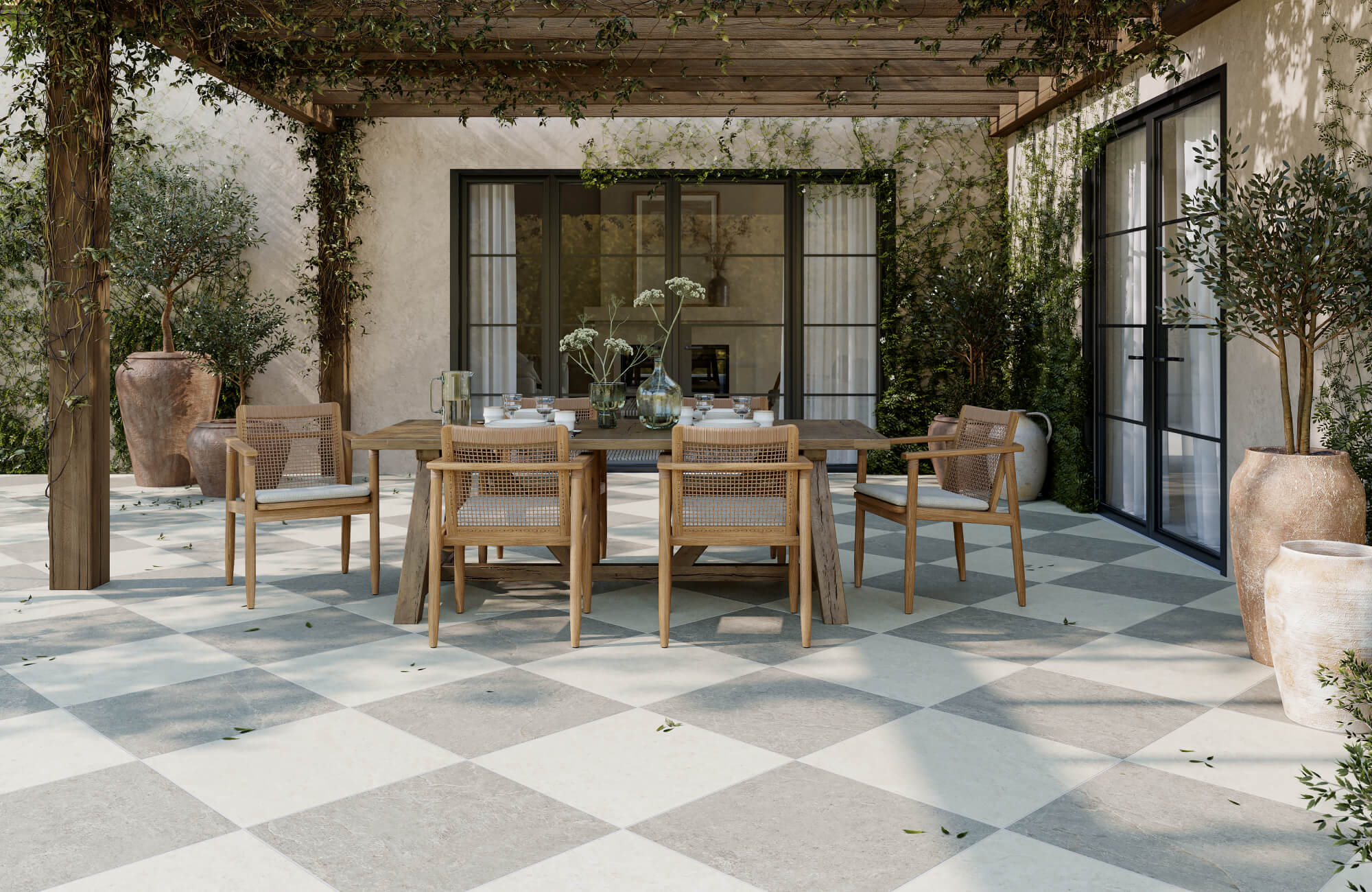
This built-in resistance to fading also means you won’t need to rely on sealants, coatings, or constant upkeep to preserve the look of your space. Whether you're installing in a sun-drenched courtyard or a rooftop terrace, the visual appeal stays sharp and vivid without extra effort. For a beautiful and durable example, the Dawson 24x24 Checkerboard Grip Porcelain Paver Tile in Ash & Alabaster showcases how timeless design can meet high-performance UV stability in outdoor settings. As shown in the image above, its soft contrast of light gray and off-white creates a striking checkerboard pattern that resists fading while elevating the elegance of any exterior space.
Structural Strength and Impact Durability
Porcelain pavers are engineered to withstand demanding environments. Whether you're working with heavy vehicle loads, elevated floor systems, or spaces prone to sudden impact, their strength, density, and structural integrity deliver consistent performance in both residential and commercial settings. However, to fully benefit from these advantages, professional installation is highly recommended, especially for areas that require precise load distribution or specialized base preparation.
Suitable Use in Vehicular Areas and Driveways
If you’re designing a driveway or space that sees regular vehicle use, only opt for porcelain pavers with a thickness of at least 20mm. When laid over a reinforced concrete base, these pavers effectively distribute pressure from tires and reduce the risk of cracking. Their density and compact composition also help them absorb and disperse weight in a way that standard concrete or natural stone often can’t match.
For a bold yet durable surface suited to vehicular use, the Wren 24x24 Checkerboard Grip Porcelain Paver Tile in Charcoal & Dune brings both strength and striking contrast. Featuring a deep charcoal and warm beige pairing, it not only handles the demands of residential driveways but also adds a distinct design statement that elevates curb appeal while performing under pressure.
Performance in Elevated Floor Systems
On rooftops or raised terraces, porcelain pavers are ideal for use with pedestal systems. Because of their precision manufacturing and stability, they support everything from outdoor furnishings to large planters without sagging or shifting. The added height also allows for efficient water drainage and concealed utility runs beneath the surface.
This type of setup is particularly beneficial for multifunctional outdoor spaces, where durability needs to pair with visual cohesion and practical design. With porcelain, you get a clean finish that doesn’t compromise on strength or performance.
Load Distribution on Different Base Materials
How your pavers are installed matters just as much as the material itself. Although a compacted gravel bed works fine for casual footpaths, heavier use demands a rigid base like concrete. This prevents paver movement, cracking, or uneven settling over time, especially in areas with frequent use or heavy loads.
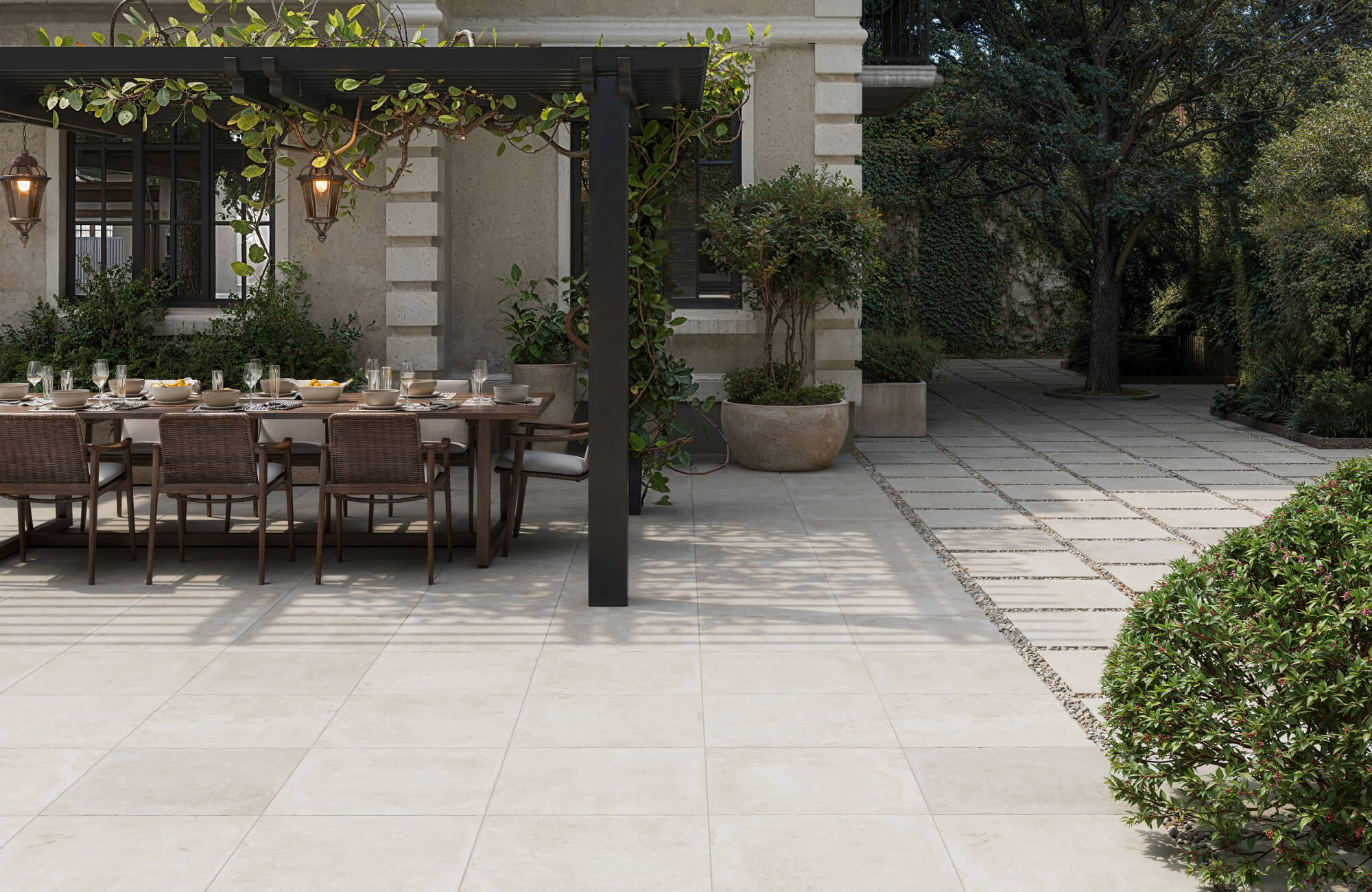
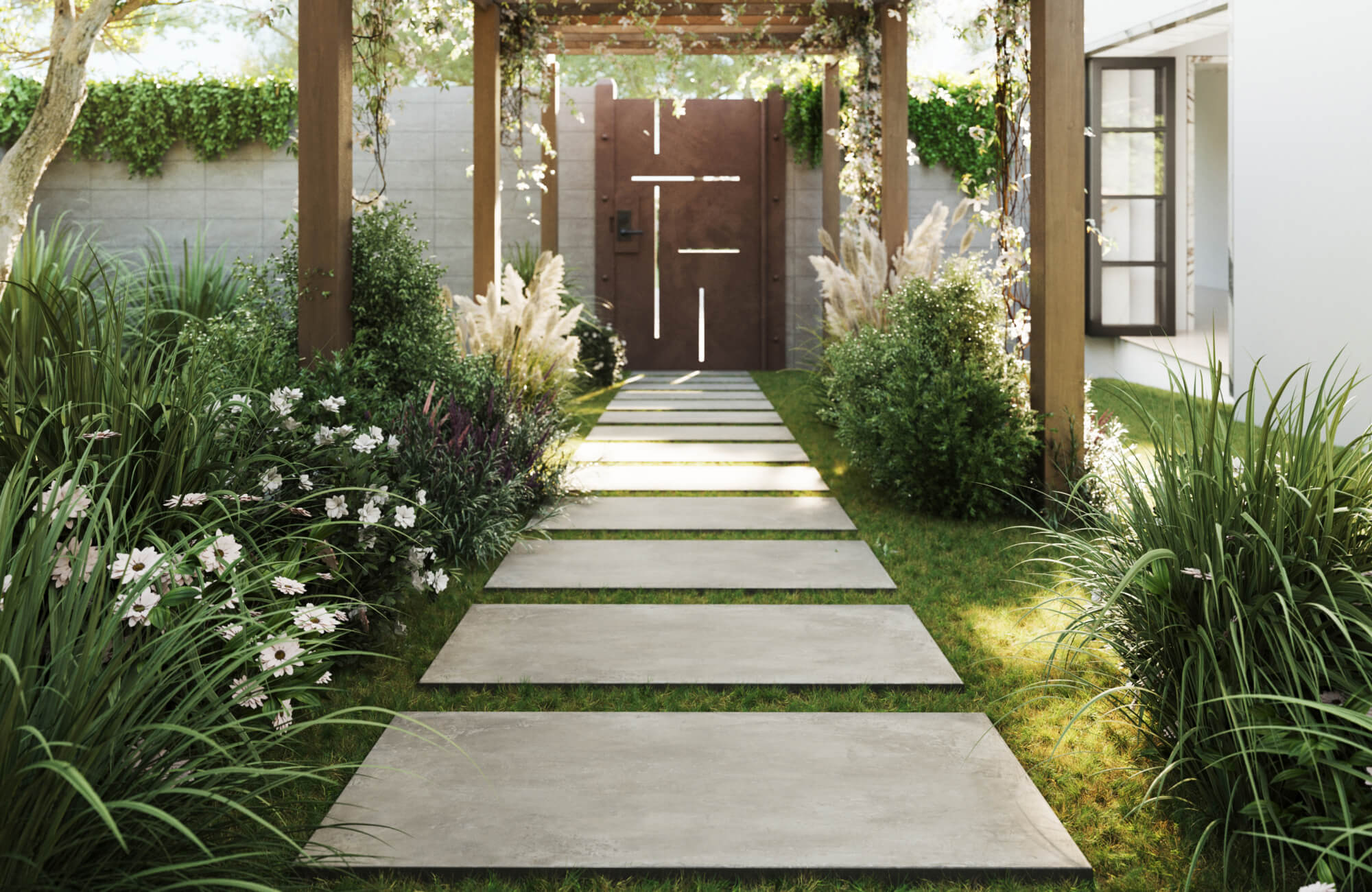
For spaces where clean lines and solid footing are equally important, consider a format like the Ramsey 24x48 Grip Porcelain Paver Tile in Putty. As displayed in the photo above, its extended rectangular shape adds visual rhythm to linear layouts, while the warm taupe finish complements a variety of landscape styles. When installed over a proper base, it also offers long-term stability and slip-resistant comfort that makes it just as functional as it is refined.
Performance Under Dropped Weight or Falling Tools
Even the most durable surfaces can face sudden, concentrated impacts, especially in active areas like patios or outdoor kitchens. Porcelain is naturally hard and abrasion-resistant, but it can be brittle along the edges. Dropping a heavy tool might result in minor chipping, particularly near the perimeter. Strategic layout planning and the use of protective edge finishes can help minimize visible damage.
Still, this material handles impact better than many alternatives. Instead of cracking across a broad area, any damage is usually localized and cosmetic, making it easier to repair or replace a single tile without disrupting the entire layout.
Maintenance Tolerance and Wear Over Time
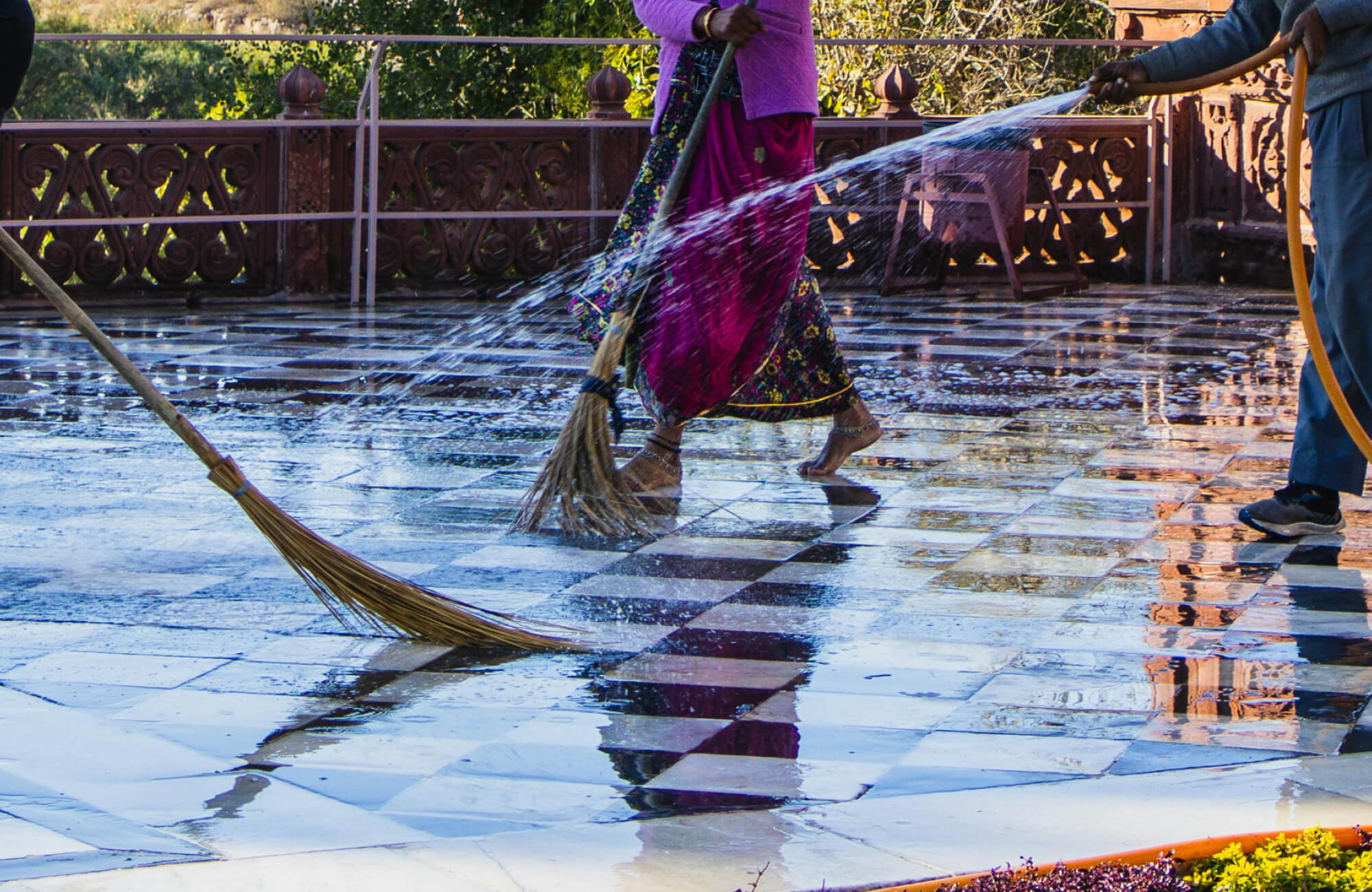
Porcelain pavers are built to endure the demands of daily life with minimal upkeep. Their non-porous surface, often finished with a protective glaze, makes them highly resistant to common stains caused by oil, wine, or acidic spills. Unlike porous materials that absorb and hold onto residues, porcelain simply doesn’t let contaminants penetrate, allowing you to clean up messes quickly with little more than sweeping and an occasional wash using manufacturer-approved mild soap and water. This ease of maintenance makes porcelain an appealing choice for outdoor kitchens, patios, or entertainment areas where food and drink are frequently in use.
Over time, surfaces exposed to constant use or shifting outdoor conditions tend to show wear, but porcelain holds up remarkably well. With a hardness rating of 7 or higher on the Mohs scale, it resists scratching from shoes, furniture, or outdoor debris far better than softer alternatives. Matte or textured finishes can also help mask any light surface marks that do occur, preserving a polished look in busy zones. Even after years of exposure, porcelain retains its original appearance without the need for sealing, polishing, or chemical treatments, offering a long-lasting, low-maintenance solution that keeps its visual appeal with minimal effort on your part. For best results, following the manufacturer's care and maintenance recommendations is always advised.
Environmental Factors and Lifecycle Durability
Outdoor surfaces must contend with biological growth, chemical exposure, and long-term environmental impact. Porcelain pavers are engineered to endure all of these without compromising on performance or appearance. From resisting mold to supporting sustainable construction, they’re built for the full lifecycle of your space.
Resistance to Moss, Mold, and Biological Growth
In damp or shaded environments, surfaces often become breeding grounds for moss, algae, and mold. However, porcelain pavers are uniquely equipped to resist this kind of biological growth. Their non-porous structure also means they don’t hold moisture, which is essential for these organisms to thrive. Because the surface dries quickly after rain or irrigation, there’s little opportunity for buildup to take hold, even in areas that are typically challenging to keep clean, like shaded garden paths or poolside corners.
This natural resistance not only keeps your space looking tidy but also improves safety. Without slick, mossy patches forming underfoot, the risk of slipping is greatly reduced. One stylish solution that balances performance with design is the Carter 24x24 Checkerboard Grip Porcelain Paver Tile in Fossil & Stone. With a subtle interplay of warm fossil beige and soft gray, it brings a refined checkerboard effect to outdoor areas while helping you maintain a cleaner, more slip-resistant surface in moisture-prone settings.
Lifespan and Recyclability in Green Construction
Porcelain pavers offer exceptional durability, often lasting 25 to 30 years or more with minimal surface wear. They don’t fade in the sun, break down in the cold, or deteriorate under chemical exposure, which means they hold their strength and finish through decades of use. This long service life also reduces the frequency of replacement, making them a more sustainable choice compared to materials that require regular refurbishing or reinstallation.
Even at the end of their useful life, porcelain pavers don’t go to waste. Unlike many other building materials, they can be crushed and repurposed as inert aggregate in construction fill or base materials. This ability to re-enter the building cycle supports circular construction principles and can contribute to green building certifications like LEED. If you're aiming to design a space that’s both durable and environmentally responsible, porcelain offers a rare balance of longevity and sustainability.
Chemical Resistance in Industrial or Poolside Use
In spaces where chemical exposure is routine, like pool decks, spas, or commercial rooftops, porcelain pavers show impressive resistance to corrosion and surface damage. They remain stable even when exposed to chlorinated water, pool salts, or mild acids, which are common culprits in degrading many other materials over time. This makes porcelain a reliable choice for maintaining both appearance and structural integrity in these high-exposure environments.
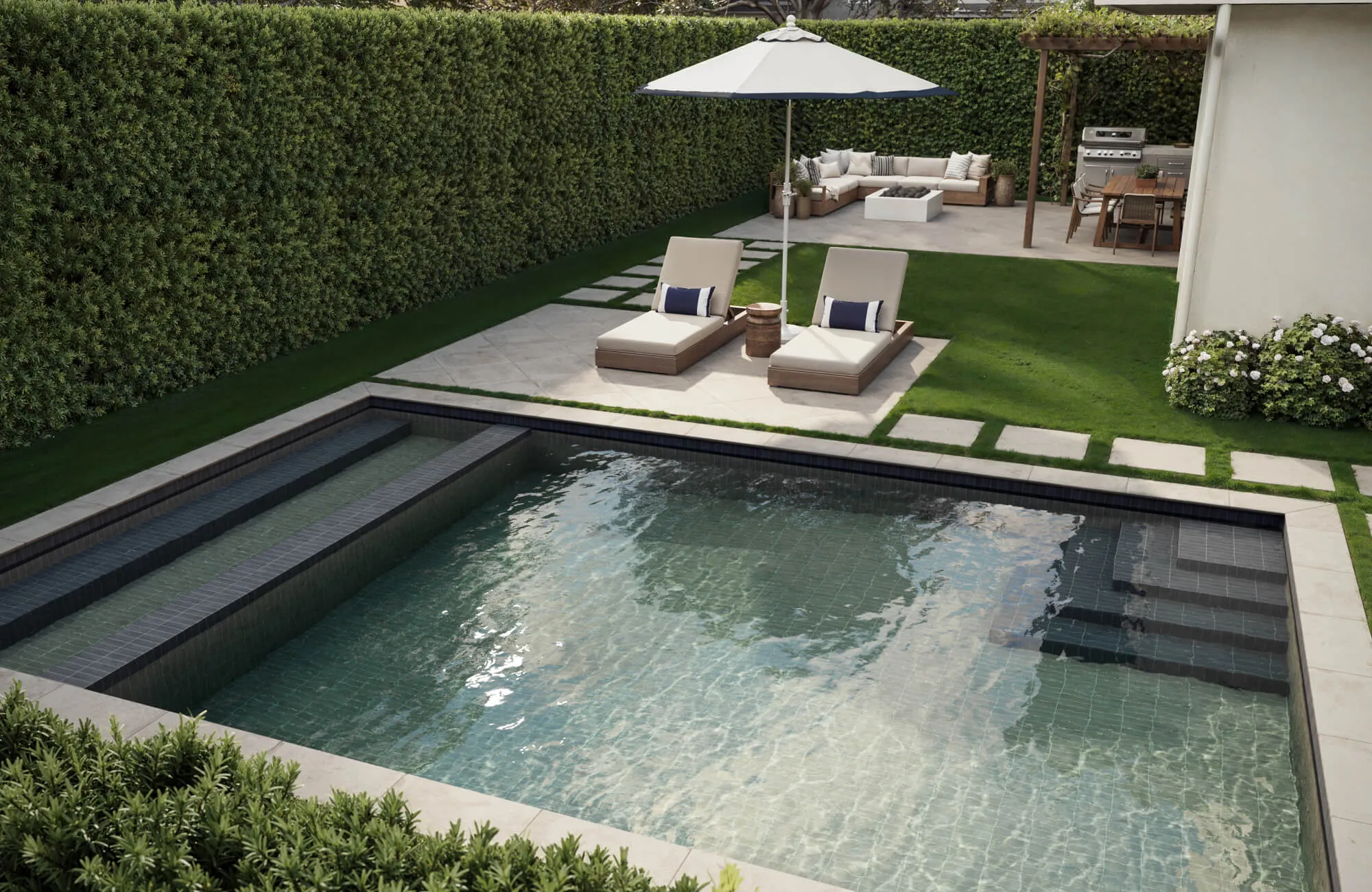
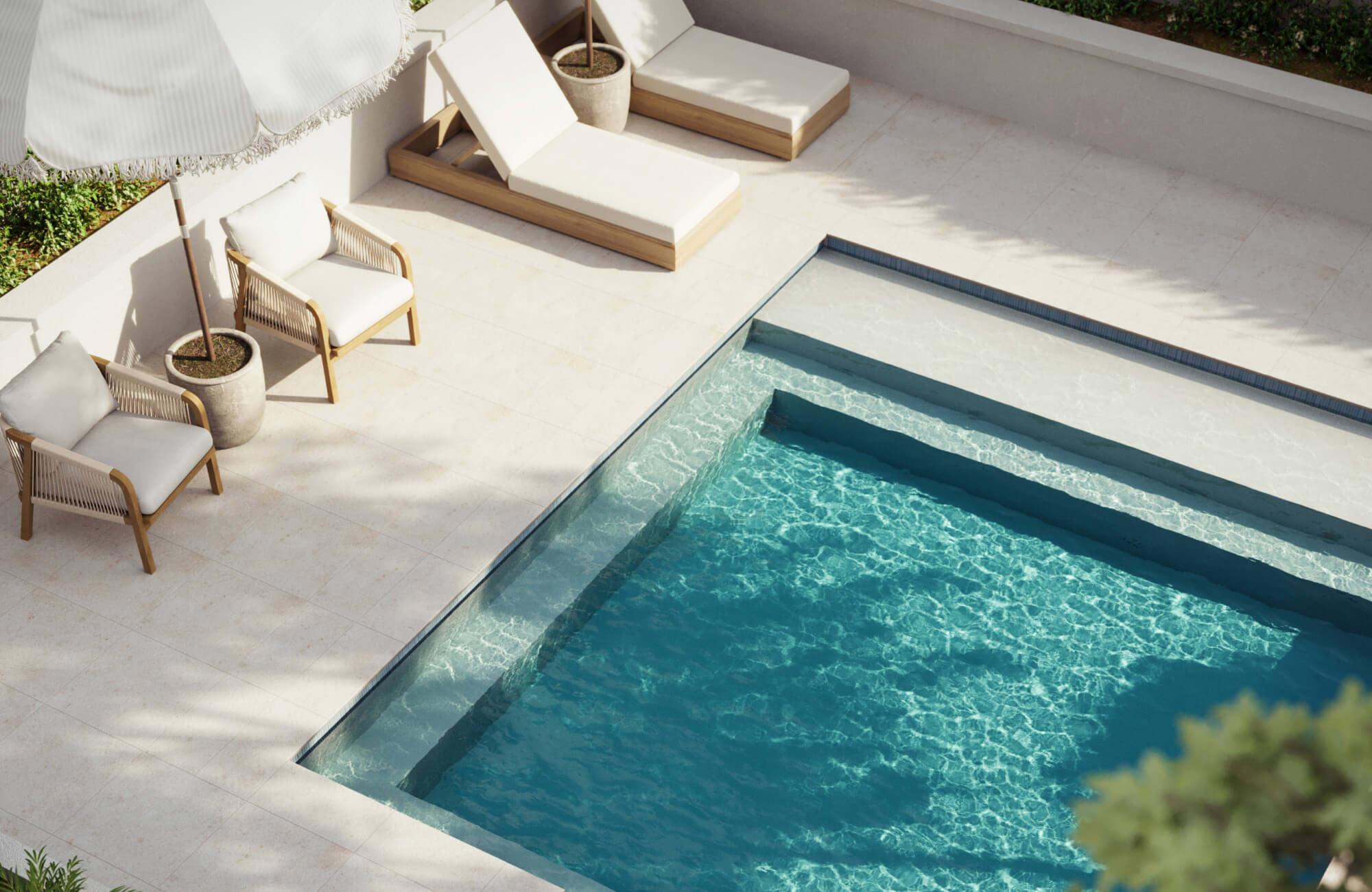
Among today’s most versatile poolside options is a porcelain paver like the Bowden 24x24 Grip Porcelain Paver Tile in Canvas, as featured in the picture above. Its pale, neutral finish adds a clean and airy aesthetic to outdoor lounging areas while offering the chemical resistance needed to handle splash zones and spa settings. Designed with both durability and barefoot comfort in mind, it also brings understated elegance to pool decks that demand beauty and resilience in equal measure.
Porcelain Paver Performance
Porcelain pavers prove themselves as one of the most reliable and resilient options for outdoor surfaces. Their dense, non-porous structure and high compressive strength allow them to resist everything from freezing temperatures and UV exposure to chemical spills and heavy loads. More than just tough, they are also designed to stay beautiful with minimal upkeep, even in the harshest conditions. Whether you’re creating a peaceful garden path or a busy rooftop lounge, porcelain delivers performance that lasts, not just in theory, but in everyday use.
To help bring your vision to life with precision and confidence, we offer personalized design services that guide you from inspiration to installation. You can explore how specific porcelain pavers will look in your actual space using our augmented reality (AR) tool, which lets you virtually place tiles through augmented reality. These resources make it easier to select the perfect finish and layout, ensuring your project not only performs at a high level but also looks exactly the way you imagined.
Follow us on Instagram
@EDWARD.MARTIN
)
)
)
)
)
)
)
)
)
)
)
)
)
)
)
)