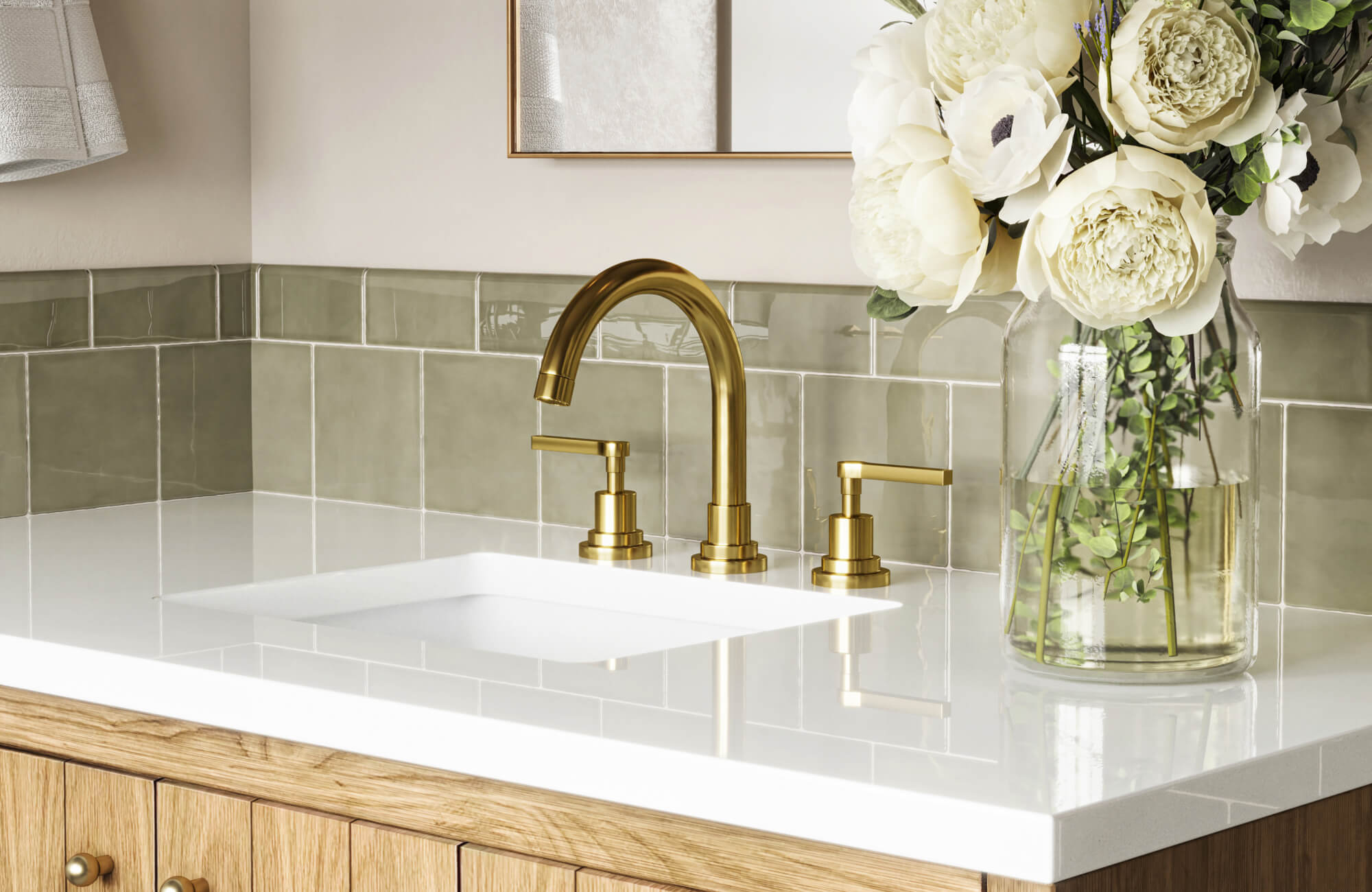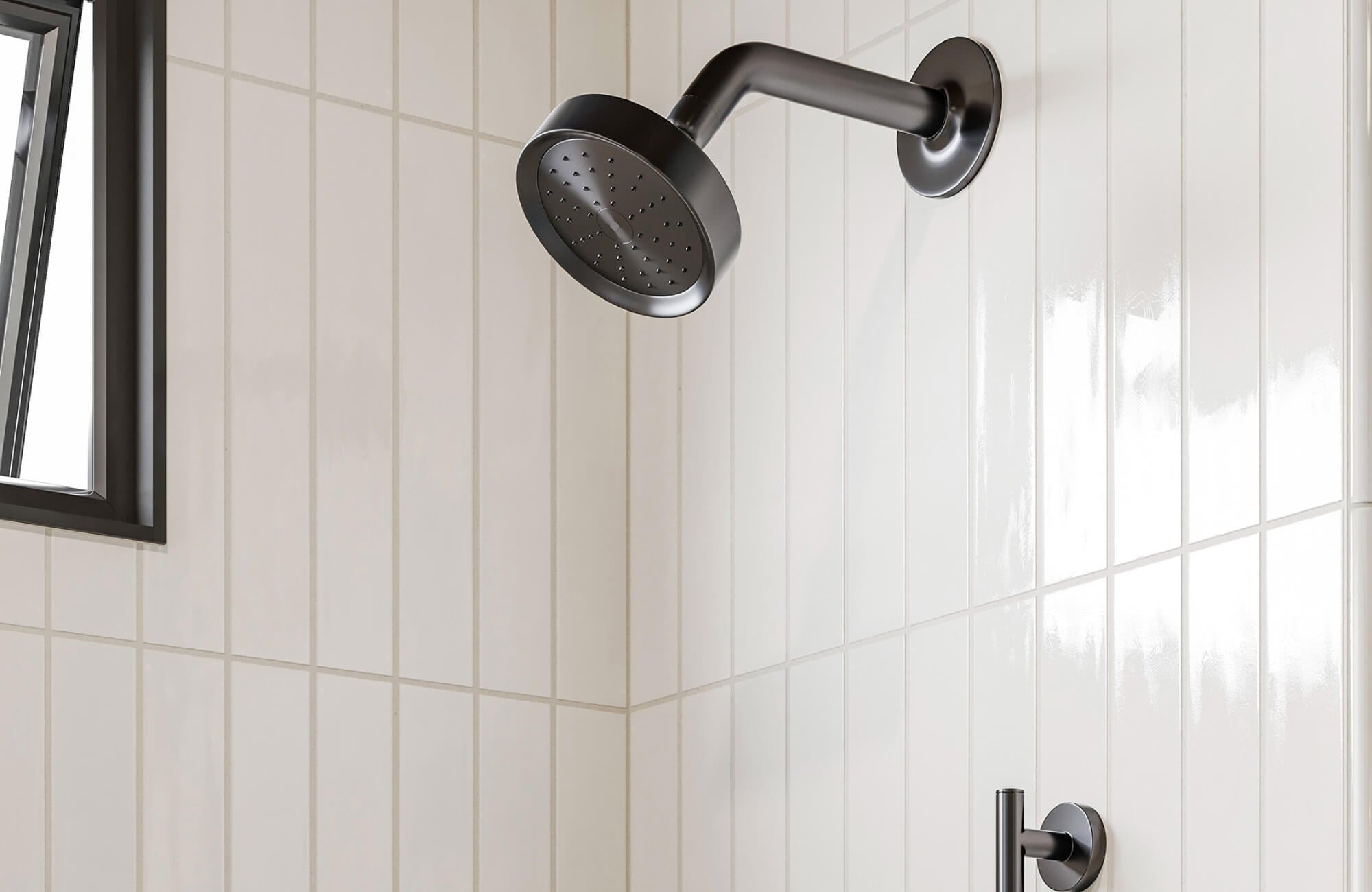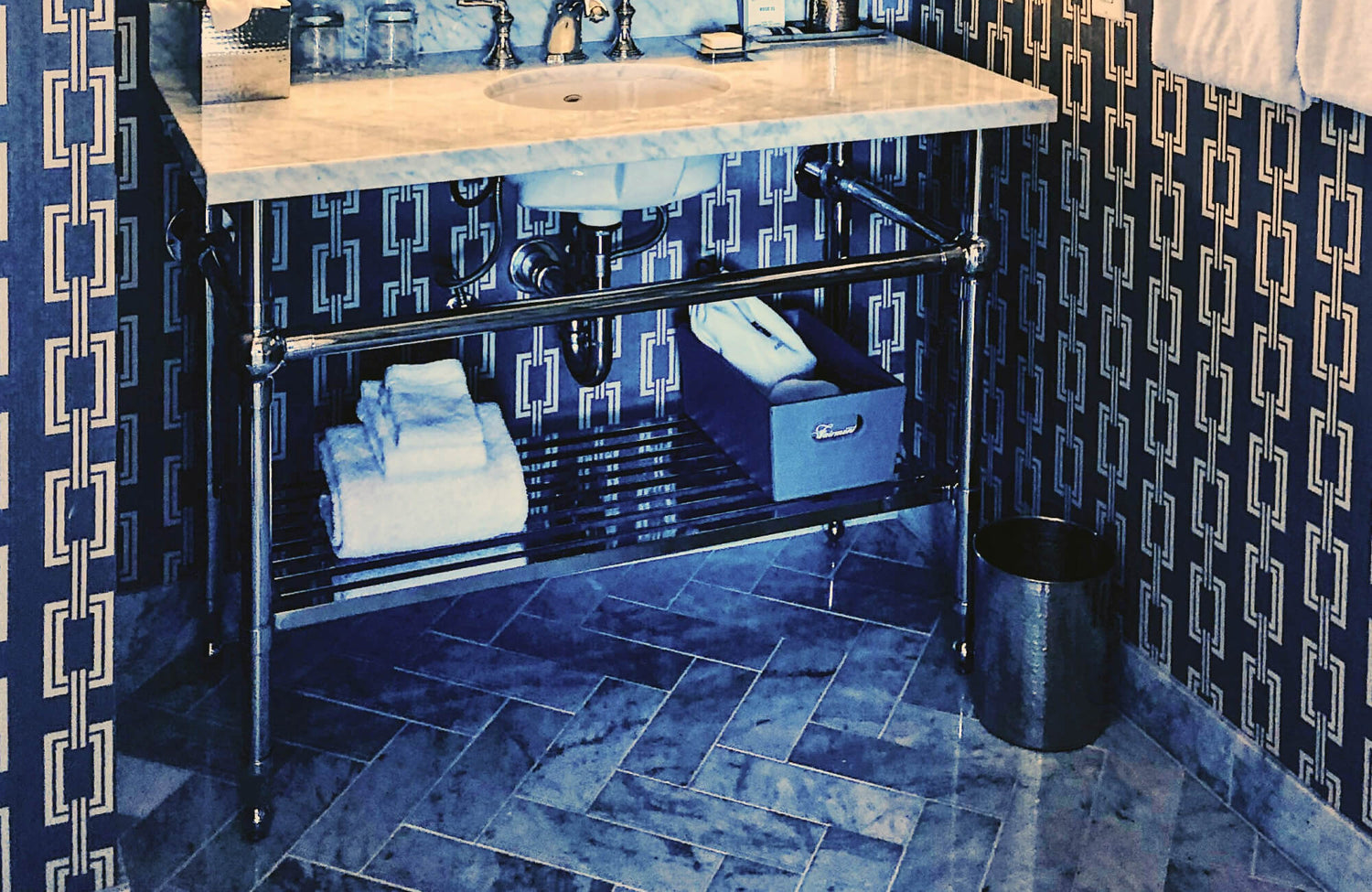
Herringbone tile patterns embody timeless elegance, transforming ordinary surfaces into striking statements of geometry and movement. When thoughtfully paired with complementary tile layouts, such as classic subway, intricate mosaics, or bold grid designs, the result is a layered composition that feels both dynamic and harmonious. The interplay of patterns also introduces depth and rhythm, guiding the eye gracefully across walls, floors, and accent features. By balancing scale, proportion, and material finishes, designers can blend herringbone seamlessly with other tile patterns to achieve cohesive interiors that exude sophistication. This thoughtful approach to mixing tile layouts ensures every space tells a refined design story, where beauty and function coexist effortlessly.

Establishing a Visual Focal Point with Herringbone
The angled layout of herringbone draws the eye naturally, making it well-suited for areas that need a bold centerpiece. When paired with quieter tile patterns, the result is a balanced composition where herringbone’s dynamic geometry stands out while still feeling cohesive within the larger design.
Feature Walls and Niches
Herringbone is particularly effective in feature walls or recessed niches, where its strong visual lines can command attention without overwhelming the entire surface. Areas such as kitchen backsplashes, shower niches, or fireplace surrounds often benefit from this bold geometry because it instantly creates a sense of design hierarchy.
To ensure balance, designers also often frame the herringbone with stacked bond or running bond tiles, which provide a steady visual anchor. This stabilizing backdrop helps calm the energy of the zigzag layout, making it more comfortable for the eye to rest on. By choosing neutral tones for the background tiles, the vibrancy of the herringbone is emphasized without clashing with its surroundings. In this way, the feature becomes eye-catching yet refined, turning focal points into true highlights of the space.
For instance, Edward Martin’s Chantel 12x15 Polished Porcelain Herringbone Mosaic Tile in Apuano, as displayed in the picture above, is an ideal choice for feature walls and shower niches. Its refined porcelain surface mimics the elegance of marble while offering durability and low maintenance, making it perfect for moisture-rich environments like bathrooms. Also, the soft veining and polished finish create a sophisticated backdrop that highlights recessed niches and enhances natural light, transforming them into luxurious focal points.
Grout and Color Contrast
Grout selection plays a powerful role in enhancing the clarity of a herringbone pattern, sharpening its angles, and adding definition to the layout. For instance, high-contrast grout emphasizes each tile, creating a dramatic, chevron-like rhythm that anchors the design as a focal point. By contrast, tonal grout provides subtlety, allowing the herringbone to integrate seamlessly with its surroundings while still retaining its distinctive geometry. Designers also often extend this effect by pairing glossy herringbone tiles with matte field tiles, where the interplay of reflection and absorption creates depth. This balance keeps the herringbone prominent without visually competing with adjacent surfaces, producing harmony across the installation. As a result, the overall effect feels crisp, polished, and intentional, showcasing craftsmanship at its best.
Accenting with Lighting Placement
The impact of herringbone as a focal point can be further heightened by careful lighting design. For instance, wall sconces, pendant lights, or recessed fixtures can be directed to highlight the angled geometry, casting subtle shadows that enhance depth. When combined with reflective finishes, the light also amplifies the zigzag rhythm, ensuring the feature feels alive and dimensional. By contrast, softer ambient lighting can be used to reduce intensity, allowing the herringbone to blend more gently with surrounding patterns. In bathrooms or kitchens, integrated LED strips within niches work particularly well to emphasize detail. This thoughtful layering of light transforms herringbone from a static layout into a dynamic visual centerpiece.

Harmonizing Scale and Proportions Across Patterns
Mixing herringbone with other layouts depends on proportion as much as pattern, since scale determines whether the final design feels balanced or fragmented. When dimensions are aligned carefully, the patterns flow seamlessly into one another, giving the installation both cohesion and rhythm.
Pairing Large Format with Large Format
Large format herringbone planks create sweeping movement, which is best complemented by equally substantial grid-laid tiles. Because both patterns share scale, the herringbone avoids looking disjointed or undersized against broader surfaces. Maintaining consistent grout joints across both layouts also strengthens this relationship, visually uniting the installation. This technique proves especially effective in open-plan flooring, where continuity between areas enhances a sense of spaciousness. By establishing proportional balance, designers can highlight herringbone’s geometry while ensuring the room feels cohesive. In this way, boldness and elegance coexist naturally within the same space.
Complementing Small Mosaics
Herringbone layouts can also be complemented with mosaic tiles, creating a layered rhythm that feels balanced and refined. The contrast between angled planks and the tight grid of mosaics adds visual intrigue while maintaining harmony. Consistent grout spacing across both layouts also ensures smooth flow, preventing the combination from feeling disjointed. This pairing is particularly effective in shower zones, where herringbone walls gain depth from the subtle texture of mosaic flooring. A vibrant example, as shown in the photo above, is the Maisie 2.5x16 Glossy Ceramic Tile in Ocean, which introduces bold color and sheen in herringbone form while mosaics provide grounding contrast underfoot. Together, these patterns achieve a dynamic yet cohesive installation that feels deliberate and sophisticated.
Balancing Vertical and Horizontal Orientation
Another way to harmonize scale is through orientation, particularly when herringbone is paired with tiles laid vertically or horizontally. A vertical subway tile wall, for example, can provide a calm and structured backdrop to a bold herringbone floor. This change in orientation also emphasizes contrast without relying on differences in scale alone. Designers often repeat tile dimensions across orientations, ensuring proportional consistency even as direction shifts. Moreover, the interplay between vertical order and angled dynamism creates layered sophistication. By considering both scale and orientation, patterns achieve unity while maintaining visual intrigue.
To further refine scale, proportion, and orientation choices, Edward Martin’s Augmented Reality (AR) tool allows you to preview herringbone layouts directly within their own spaces. By digitally placing tile patterns on walls or floors, the tool makes it easier to evaluate how different scales interact with existing proportions, ensuring that every design decision feels intentional. This interactive experience also helps clarify transitions between layouts, test color palettes, and confirm visual harmony before installation.

Transitioning Between Herringbone and Complementary Patterns
When two patterns converge, the transition can either strengthen the design or weaken its flow. Careful planning ensures these junctions feel deliberate, turning potential visual disruptions into refined design details.
Using Borders and Trim Pieces
Borders and trims provide a seamless way to bridge the gap between herringbone and other tile layouts while also protecting exposed edges. For example, metallic Schluter strips, porcelain trims, or stone inlays establish crisp boundaries that define the transition. Because they can echo finishes found in fixtures or hardware, these details often unify the larger design scheme. By introducing intentional separation, trims also transform abrupt breaks into polished, decorative accents. In many cases, they even elevate the transition into a highlight of the installation rather than a compromise. In this way, function and style merge seamlessly into one cohesive detail.
Aligning Grout Joints
Aligning grout joints across patterns produces visual order, reducing tension at the junction between layouts. To achieve this, installers often adjust herringbone “zigs” so their endpoints align neatly with the edges of surrounding tiles. Precision cutting or mitred edges can also enhance this alignment, giving the impression of custom tailoring. By creating this connection, the eye perceives flow rather than disruption, maintaining rhythm across the surface. In expansive spaces, this careful alignment reinforces continuity, preventing the layout from appearing disjointed. As a result, grout joint alignment underscores craftsmanship while elevating the professionalism of the installation.
For example, the Aniston 3x12 Polished Porcelain Tile in Calacatta Top, as featured in the picture above, demonstrates how refined grout alignment enhances transitions. Its polished surface and elegant veining allow herringbone arrangements to meet large format tiles with seamless continuity, as seen in bathrooms where walls and floors flow effortlessly together. The result is a tailored finish that feels intentional, elevating craftsmanship while reinforcing the sophistication of the overall design.
Creating Transitional Zones with Pattern Breaks
In some cases, instead of concealing transitions, designers use intentional breaks to create visual zones. A slim strip of neutral tile, for example, can act as a quiet pause between a herringbone layout and a linear pattern. This break draws attention to the transition itself, making it a feature rather than a flaw. Transitional zones also provide flexibility in scale or color shifts, allowing designers to experiment without overwhelming the space. When executed carefully, these breaks enhance rhythm by giving the eye time to adjust between patterns. The result is a sophisticated approach that highlights creativity while maintaining balance.

Mixing Materials and Finishes for Layered Textures
The interaction of geometry is only part of the story; materials and finishes determine how patterns feel and perform within a space. Thoughtful combinations of textures and surfaces introduce depth, dimension, and balance, enriching the overall design.
Contrasting Surfaces
Pairing matte herringbone tiles with glossy field tiles establishes a compelling contrast where light behaves differently across surfaces. This interplay draws attention to the herringbone’s structure while allowing the secondary pattern to remain understated. In bathrooms, honed marble in a herringbone arrangement contrasts beautifully with polished hexagonal ceramics, creating both richness and restraint. With the addition of directional lighting, these textural differences also become even more pronounced. The result is a composition that feels layered and intentional, where finishes highlight one another instead of competing. By combining sheen and texture in this way, designers achieve a sense of luxury that remains approachable.
Blending Natural and Engineered Materials
Pairing natural stone herringbone with engineered tiles creates a balance between authenticity and performance. For example, wood look porcelain in a herringbone layout framed by natural stone borders provides warmth while remaining durable and low-maintenance. For an alternative approach, pairing a wood look, such as Edward Martin’s Preston 8x48 Matte Porcelain Tile in Pine (displayed in the photo above) with marble look herringbone backsplashes achieves a similar sense of contrast and harmony. The elongated wood look planks introduce natural warmth, while the marble-inspired veining adds refinement, creating a layered composition that feels both inviting and sophisticated. This combination highlights how natural aesthetics and engineered practicality can coexist seamlessly in modern kitchens.
Layering Finish Variations Within One Material
Designers can also explore variation within a single material type by mixing finishes such as honed, polished, or textured. For instance, marble tiles in a herringbone layout may be paired with the same marble cut into grid tiles but finished in a different sheen. This subtle shift in finish also adds tactile and visual depth without introducing a new material. When combined with strategic lighting, the differences in reflection enhance the overall impact. The space gains richness from variety while retaining cohesion through material consistency. This approach creates understated luxury, perfect for high-end interiors seeking depth without excess.

Applying Mixed Patterns Across Interior Zones
Using different tile layouts across zones allows herringbone to define spaces while maintaining unity. When placed with purpose, patterns guide movement, highlight function, and create cohesion throughout an interior.
Bathrooms and Wet Areas
In bathrooms, herringbone often takes the spotlight on shower walls, instantly establishing a focal feature. To balance this dynamic geometry, hexagonal or basketweave tiles are often used on floors, offering both contrast and slip resistance. A cohesive color palette also ties the walls and floors together, ensuring variety feels controlled rather than chaotic. In addition, extending herringbone into niches or ledges reinforces its prominence while adding subtle repetition. This careful layering results in a spa-like environment that balances elegance with practicality. As a result, the design feels both luxurious and highly functional in moisture-rich spaces.
Kitchens and Open-Plan Spaces
In kitchens, herringbone backsplashes behind cooktops introduce a dramatic focal point, while subway tiles across secondary walls keep the look balanced. This interplay ensures the boldness of herringbone remains impactful without overwhelming the space. A standout choice, as featured in the photo above, is the Catalina 2x16 Matte Porcelain Tile in Clay, whose warm, earthy tone adds depth to herringbone installations while complementing natural wood cabinetry. When paired with hexagon flooring, the result is a layered composition where backsplash and floor patterns work together to define zones without sacrificing cohesion. Moreover, aligning finishes and tones across these surfaces maintains harmony, even as the geometry shifts between walls and floors. In this way, pattern mixing provides both visual variety and practical zoning, ensuring the entire space feels purposeful, connected, and thoughtfully designed.
Outdoor Applications and Transitional Spaces
Herringbone patterns can extend outdoors, where they define patios, walkways, or transitional areas leading into the home. When paired with simpler grid or modular patterns, herringbone brings energy to outdoor flooring without sacrificing function. Designers often use durable materials such as porcelain pavers or natural stone to withstand the elements while maintaining elegance. These layouts also help connect indoor and outdoor areas by repeating materials or colors across thresholds. This continuity enhances flow, ensuring the entire property feels unified from exterior to interior. As a result, outdoor applications broaden the versatility and impact of herringbone pattern mixing.
Achieving Balance Through Pattern Harmony
Mixing herringbone tiles with other patterns is an art of balance, where geometry, texture, and proportion converge to create refined visual harmony. Each thoughtful transition, from bold feature walls to subtle flooring shifts, elevates the character of a space while maintaining cohesion. By blending materials, finishes, and layouts, designers unlock new layers of depth that feel both timeless and contemporary. The result is an interior that flows seamlessly, where every detail contributes to an atmosphere of elegance and enduring sophistication.
To make this balance easier to achieve, Edward Martin offers the option to request tile samples, allowing designers and homeowners to experience the textures, colors, and finishes firsthand. Holding the tiles in natural light provides clarity on how patterns and proportions will harmonize in a real setting, ensuring selections feel both intentional and timeless!