
)
)
)
)
)
)
)
)
How To Keep A Rug Flat When Pets Or Kids Constantly Move It?
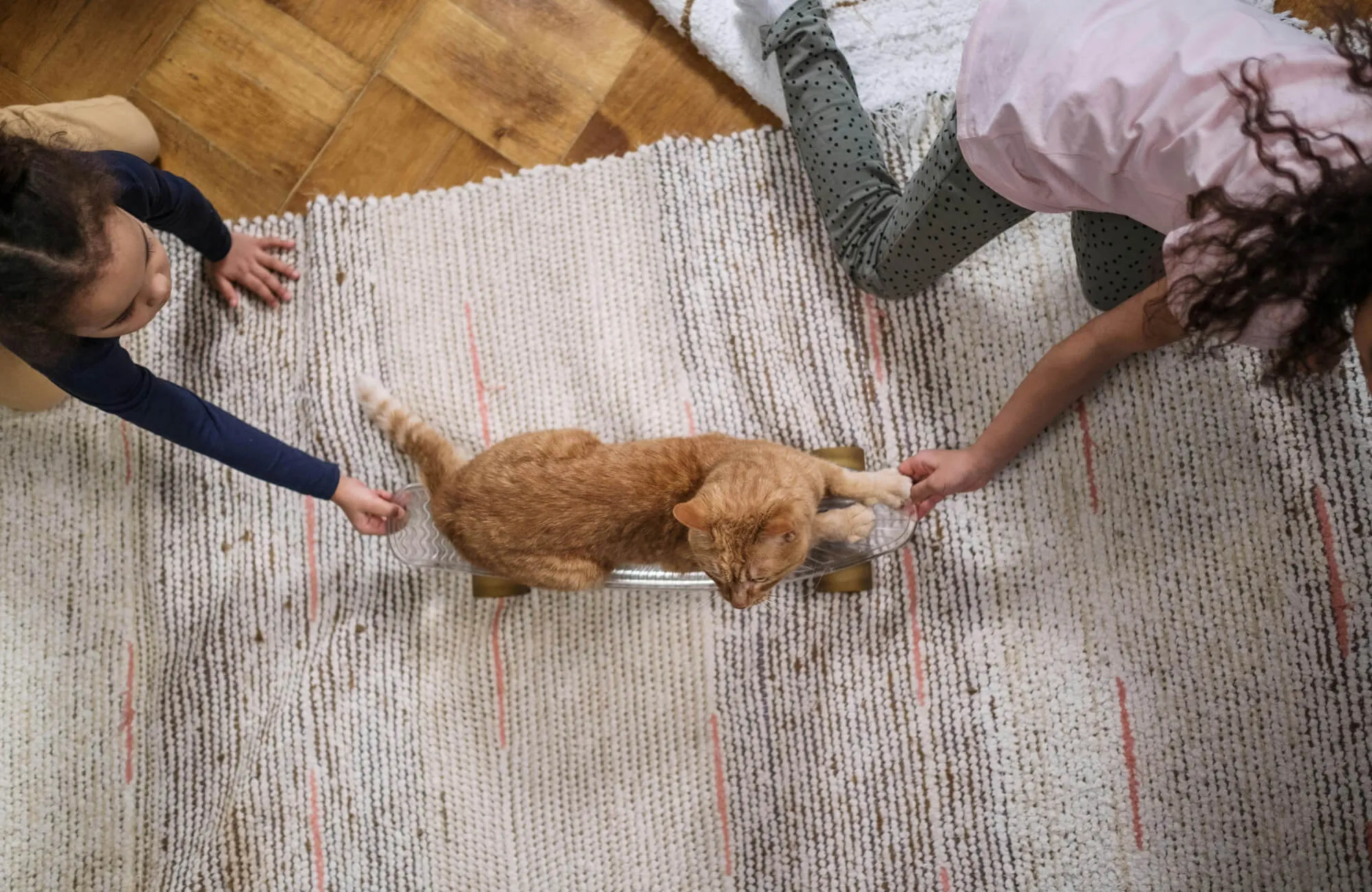
A flat, steady rug can make a room feel polished and inviting, but that sense of order disappears the moment pets go skidding across the floor, or kids launch into playtime. Suddenly, the rug becomes a shifting, curling obstacle that needs constant readjusting. Fortunately, keeping a rug firmly in place is absolutely possible once you understand what causes the movement and how to counter it with practical, long-lasting solutions.
This article brings together the strategies that actually work. From understanding the mechanics of rug drift to choosing the right products, rearranging your space, and shaping everyday behavior, each section helps you create a setup that stays put. As you move through the insights ahead, you’ll find that a flat, anchored rug is not only achievable but also surprisingly easy to maintain once the right systems are in place.
Understanding Why Rugs Shift And Bunch Up
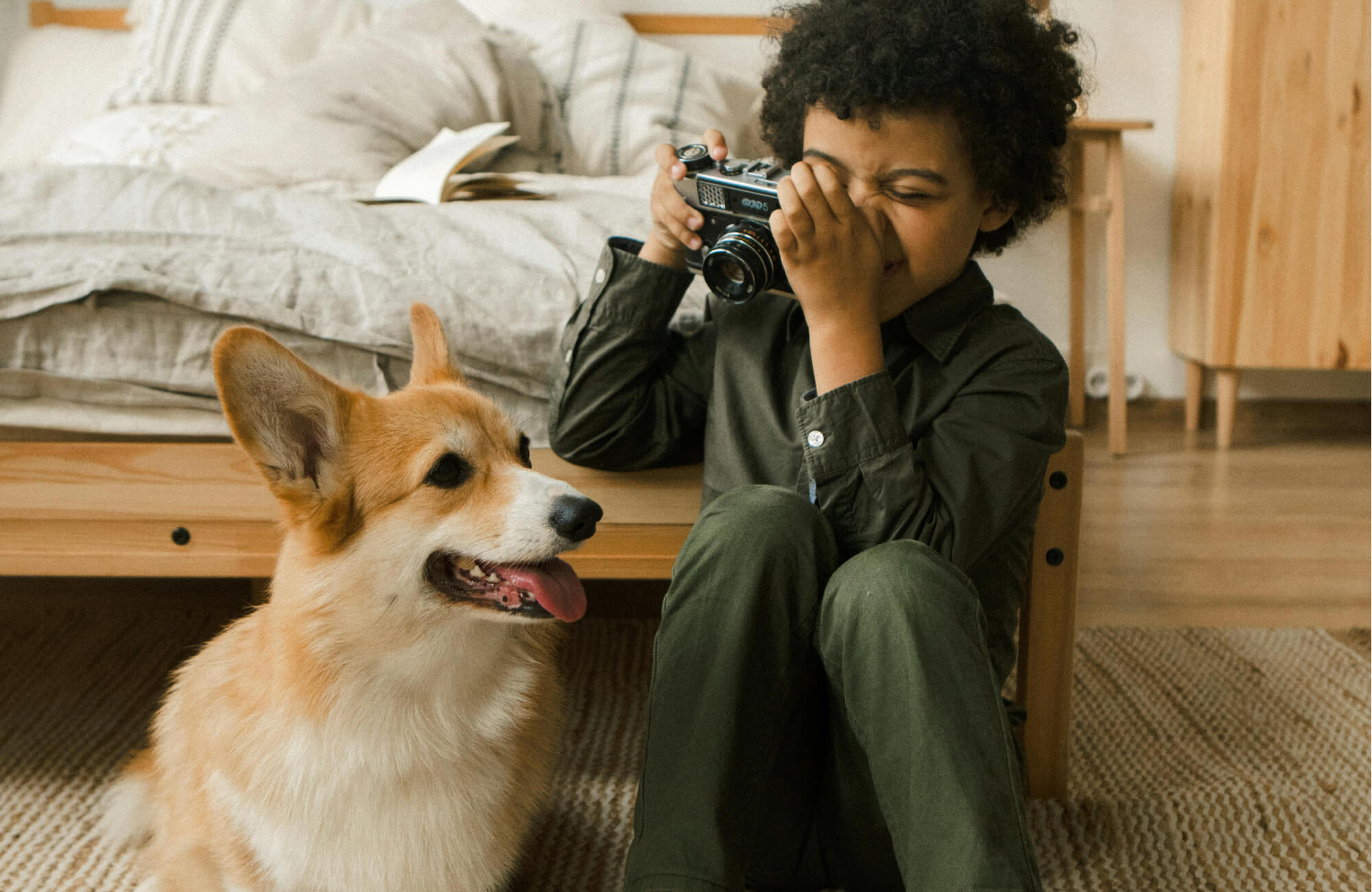
Rugs rarely move for just one reason; instead, they respond to a combination of daily activity, structural design, and floor conditions. As you walk, turn, or pivot, you create horizontal forces that nudge the rug forward little by little. These micro-shifts may seem minor at first, but over time, they cause noticeable drifting, curling, or bunching. Pets amplify this effect since their quick bursts of energy and sudden direction changes introduce sharper, more unpredictable pressure. Consequently, spaces with energetic pets tend to see rugs shift far more frequently, often requiring constant adjustments if no preventive measures are in place.
Just as movement affects rug behavior, the rug’s construction and the floor beneath it play equally important roles. Lightweight or loosely woven rugs tend to slide more easily, while sturdier, denser options naturally resist displacement. The type of backing is especially influential, with rubberized or thermoplastic materials providing a much stronger grip than jute or cotton. Additionally, the flooring surface itself can either help or hinder stability. Polished hardwood and other glossy finishes offer minimal friction, making it easy for rugs to glide out of place. Conversely, textured floors provide natural resistance that slows creeping movement. When you understand how these factors interact, you can choose solutions, whether pads, tapes, or layout adjustments, that address the true sources of rug shifting rather than resorting to temporary fixes.
Product Solutions That Stop Rugs From Sliding
Once you understand the reasons behind rug movement, you can confidently choose products that target the issue at its source. Each option works best under certain conditions, so matching the product to your rug, floor, and activity level is key to keeping everything flat and secure.
Rug Pads Tailored
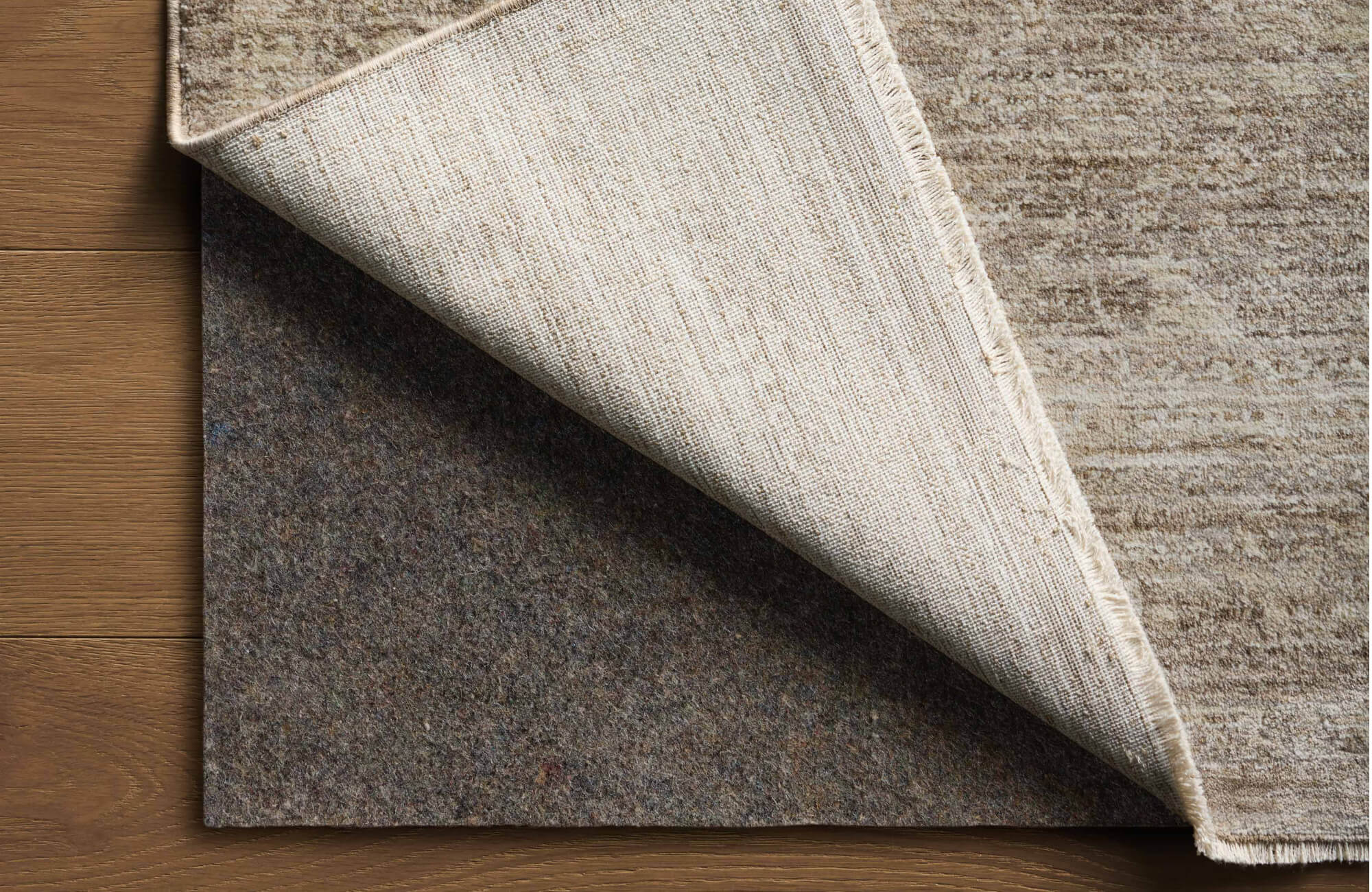
Rug pads remain one of the most effective ways to control sliding because they create a barrier that increases friction between the rug and the floor. Natural rubber pads offer a firm, non-slip grip, making them ideal if your pets play energetically or your kids frequently run across the rug. Their tensile strength also keeps rugs steady even under sudden pressure, and they maintain grip without sticking to the floor. Meanwhile, high-density felt pads focus more on cushioning and floor protection, relying on weight rather than grip to keep the rug from shifting. These work best when your rug is already substantial enough to stay put but needs added body to remain flat.
Hybrid pads combine the comfort of felt with the traction of rubber, creating a well-balanced option for most busy living areas. They reduce movement while also giving the rug a more premium feel underfoot. No matter which type you choose, it’s important that the pad is slightly smaller than the rug itself so the edges remain flush with the floor. This prevents the rug from lifting at the sides and keeps the pad invisible while still doing all the heavy lifting beneath the surface.
For rugs that naturally offer good stability when paired with the right pad, styles like our Haverford Polyester Pile Rug in Bronze / Oat work especially well. Its softly faded floral motifs in warm brown and off-white, combined with a dense, durable pile, allow it to sit securely over a felt or hybrid pad, much like the setup shown in the image above. This combination not only enhances comfort but also significantly improves grip and reduces shifting in busy spaces.
Anchoring Tapes
When you’re dealing with smaller rugs or areas where usage is concentrated, anchoring tapes give you stronger control. Double-sided carpet tape bonds the rug directly to the floor, creating a firm hold that keeps even lightweight textiles in place. However, this type of tape can leave behind adhesive residue, so it’s better suited for floors you don’t mind cleaning more thoroughly or rugs you don’t plan to move often. If you prefer a safer, more flexible choice, removable gel tape uses a suction-like effect instead of glue. It grips hard surfaces effectively while lifting cleanly when you need to reposition or wash the rug.
You can also consider floor-safe adhesive sprays, which offer a semi-permanent solution often used in professional settings or on more resilient materials like concrete. These sprays create a tacky surface that reduces slippage without fully locking the rug into place. Because they require careful and even application, they’re best used when you want long-term stability and minimal shifting, especially in high-demand zones where other methods fall short.
Rug Corner Systems
If your rug’s corners are lifting, folding, or curling, corner stabilizers offer targeted support that keeps edges flat. L-shaped corner pieces reinforce the structure of the rug, preventing the fabric from bending upward and disrupting the look of your space. They also hold the edges firmly without stiffening the entire rug, making them especially helpful for thin or flexible rugs that behave unpredictably at the edges. With this added structure, you’ll notice that the rug remains more consistent and visually clean even with daily use.
On very smooth floors like polished tile, suction-based grippers can be particularly effective. These devices create a vacuum seal between the rug’s corner and the floor, ensuring it stays completely flat no matter how often someone steps on it. For best results, you’ll want to place each gripper precisely at the corner’s point, where the rug is most vulnerable to lifting. Once installed correctly, these systems make a noticeable difference in how the rug performs and reduce the frustration of constantly fixing curled edges.
Weighted Rug Solutions
Lightweight rugs often move more because they lack the mass needed to counteract everyday motion. By adding strategically placed weight, you give the rug the resistance it needs to stay grounded. Some rugs come equipped with built-in corner weights that naturally pull the edges downward. These weights blend seamlessly into the design, giving you the stabilization you need without altering the look or texture of the rug. They work especially well for thin flatweaves or kitchen runners that frequently shift underfoot.
If your rug doesn’t include integrated weights, under-rug weight strips provide a simple alternative. You can position these along the edges or throughout busy zones to increase the rug’s overall inertia. Once the weight is distributed evenly, the rug becomes less responsive to sudden bursts of movement, whether from a pet racing past or a child sliding across the floor during play. As a result, even the lightest rugs develop a steadier presence that helps maintain a neat and inviting appearance in your space.
Layout And Design Adjustments That Keep Rugs Stable
Before investing in additional products, it’s worth taking a close look at how your room is arranged. Sometimes, simple layout adjustments or thoughtful rug choices can dramatically improve stability without adding anything new to the floor.
Furniture
Furniture offers one of the most effortless ways to keep a rug grounded, and when positioned intentionally, it can completely transform how stable your rug feels. Placing the front legs of a sofa or chairs on the rug creates natural anchor points that prevent sliding while also visually tying the furniture arrangement together. Even pieces like side tables or ottomans contribute meaningful downward pressure when set near vulnerable areas, giving the rug a more secure perimeter.
As you experiment with placement, it helps to think about compression zones, or the areas where weight naturally falls. By aligning these zones with sections of the rug that tend to drift, you reinforce the surface exactly where movement occurs. With the right configuration, your furniture doesn’t just complete the room’s look—it works quietly in the background to keep your rug flat, centered, and much easier to maintain.
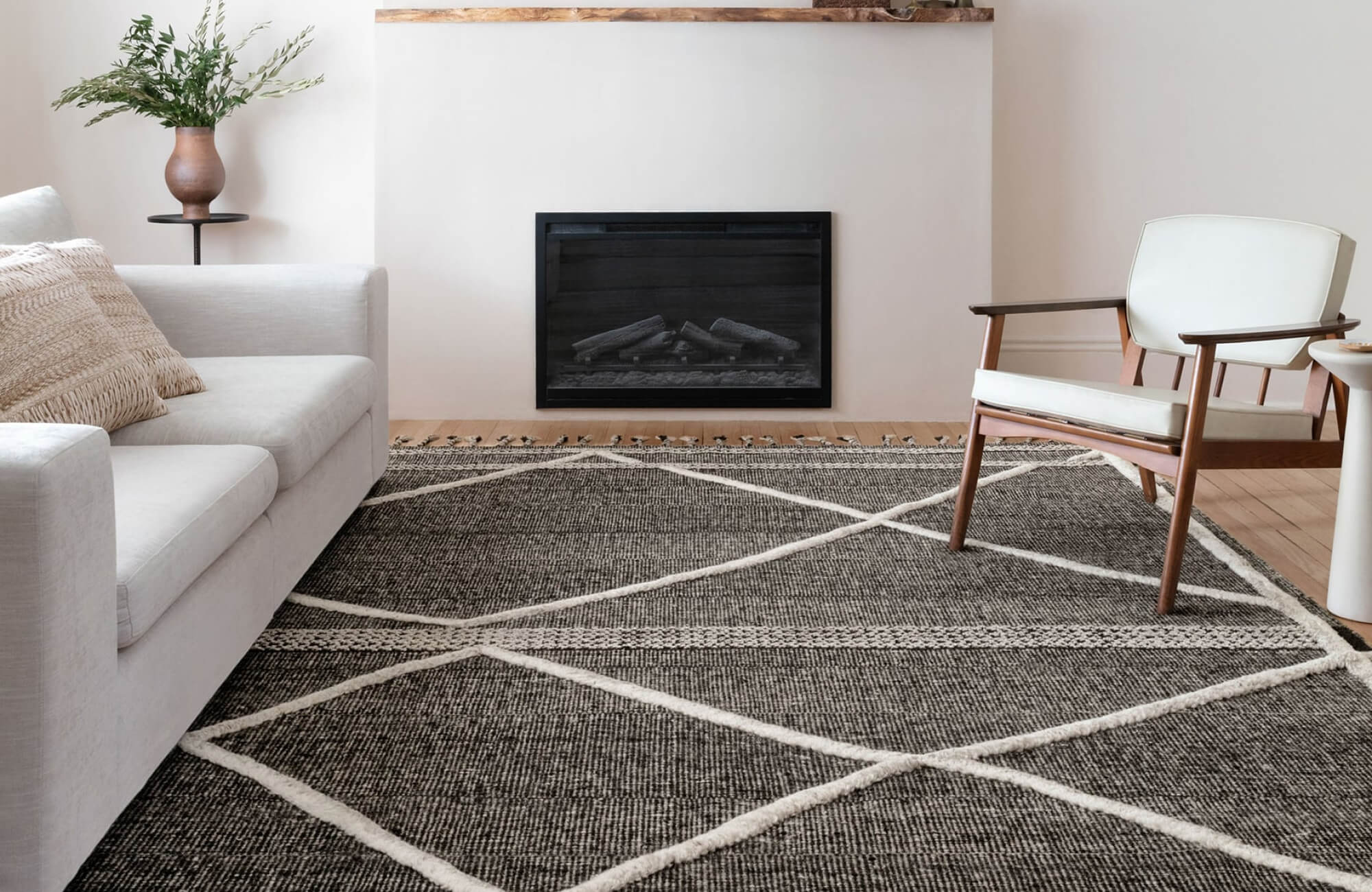
In rooms like the one seen above, a rug such as our Micah Wool Blend Rug in Natural / Graphite provides an ideal foundation for this furniture-anchoring technique. Its weight, texture, and balanced construction support stability, while the gray and black base complement a wide range of furniture styles. When paired with thoughtfully placed seating, this type of rug remains secure and visually cohesive, even in active living areas.
Optimal Rug Dimensions
Rug size has a surprisingly strong influence on how well it stays in place, and selecting the right dimensions can make an active room feel more grounded. Larger rugs naturally resist movement because they have more surface contact with the floor and distribute weight more evenly. Their broader footprint also means fewer exposed edges, which helps prevent curling or creeping when people walk or pets dart across the room. In living areas, it’s often best to choose a rug that extends far enough for seating zones and pathways to fall inside its boundaries, reducing the likelihood of someone catching or shifting an edge.
In kid-friendly or pet-heavy rooms, a generous rug can make an even bigger difference. When most of the activity happens on the rug itself, the edges experience far less stress and remain smoother over time. A well-chosen size also allows for play, movement, and lounging while maintaining stability, turning the rug into a steady platform rather than a constantly moving obstacle.
Rug Shape
Rug shape plays a more important role in stability than many people realize, and the way you use each shape can influence how much a rug shifts. Rectangular rugs tend to stay put more easily because their straight edges and defined corners work well with furniture placement. You can position sofas, chairs, or tables along their lines, which reinforces the rug’s edges and keeps it aligned with the room’s structure. A piece like our Charlise Polypropylene & Polyester Pile Rug in Indigo / Charcoal is a great example of a rectangular rug that naturally stays steadier due to its shape and balanced construction. As a result, rectangular rugs offer reliable stability in most layouts.
Round or oval rugs, however, behave differently. Without corners to anchor, these shapes can rotate or shift more freely, especially in rooms with energetic pets that change direction quickly. They still work beautifully in open areas, but they usually require more grip support underneath. Meanwhile, runners introduce their own set of challenges, as they are long, narrow, and typically placed in busy zones like hallways. Since force is applied repeatedly in a single direction, runners benefit from stronger underlays or strategic weight placement to stay straight.
Training And Behavioral Hacks For Pets And Kids
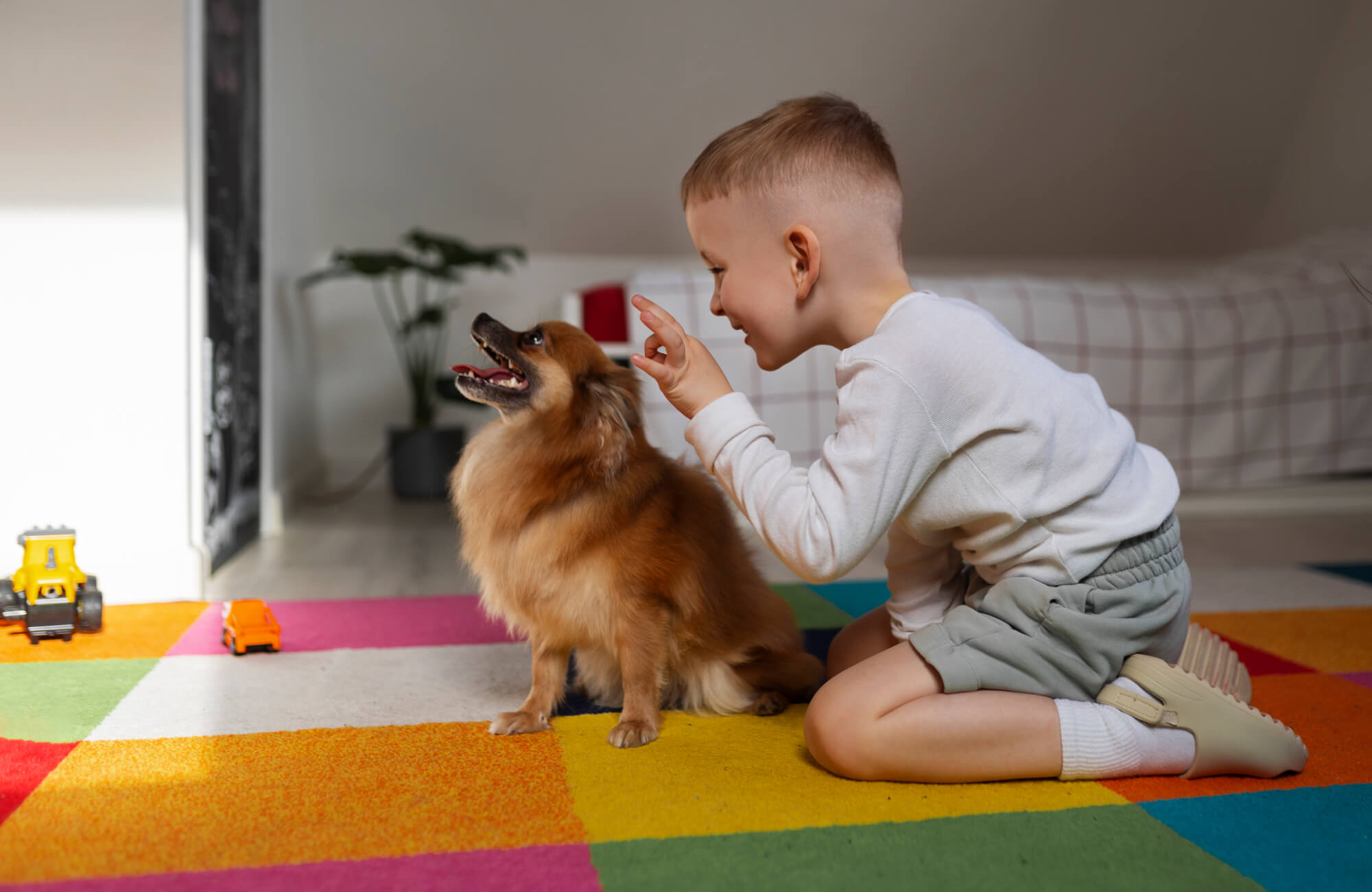
Sometimes the most effective way to keep a rug from sliding is to reduce the behaviors that cause the movement in the first place. By giving kids and pets appealing alternatives like cushioned play mats, sunlit pet beds, or cozy napping spots placed near areas your family naturally gravitates toward, you can redirect their activity away from the more sensitive sections of your rug. When these inviting zones are positioned thoughtfully within your space’s daily flow, they naturally attract attention without feeling restrictive. Pets also benefit from gentle behavior shaping, where positive reinforcement teaches them to approach the rug calmly, while subtle deterrents like mild scent sprays or temporary texture barriers help break habits such as chewing or corner-pulling. As these adjustments become part of your routine, your main rug faces less strain and stays flatter for longer.
At the same time, guiding children’s movement in playful, engaging ways can significantly reduce the stress placed on your rug’s edges. Turning boundaries into fun challenges, such as imagining the border as “hot lava” or creating themed play setups in the center, encourages kids to stay within the stable parts of the rug. Likewise, activities that encourage them to move across the rug rather than along its edges limit the repeated pressure that gradually shifts it out of place. When you combine these small, consistent habits, your space becomes more harmonious: your rug stays put, your kids and pets stay entertained, and your daily routine becomes smoother without constant readjustments.
Maintenance Techniques
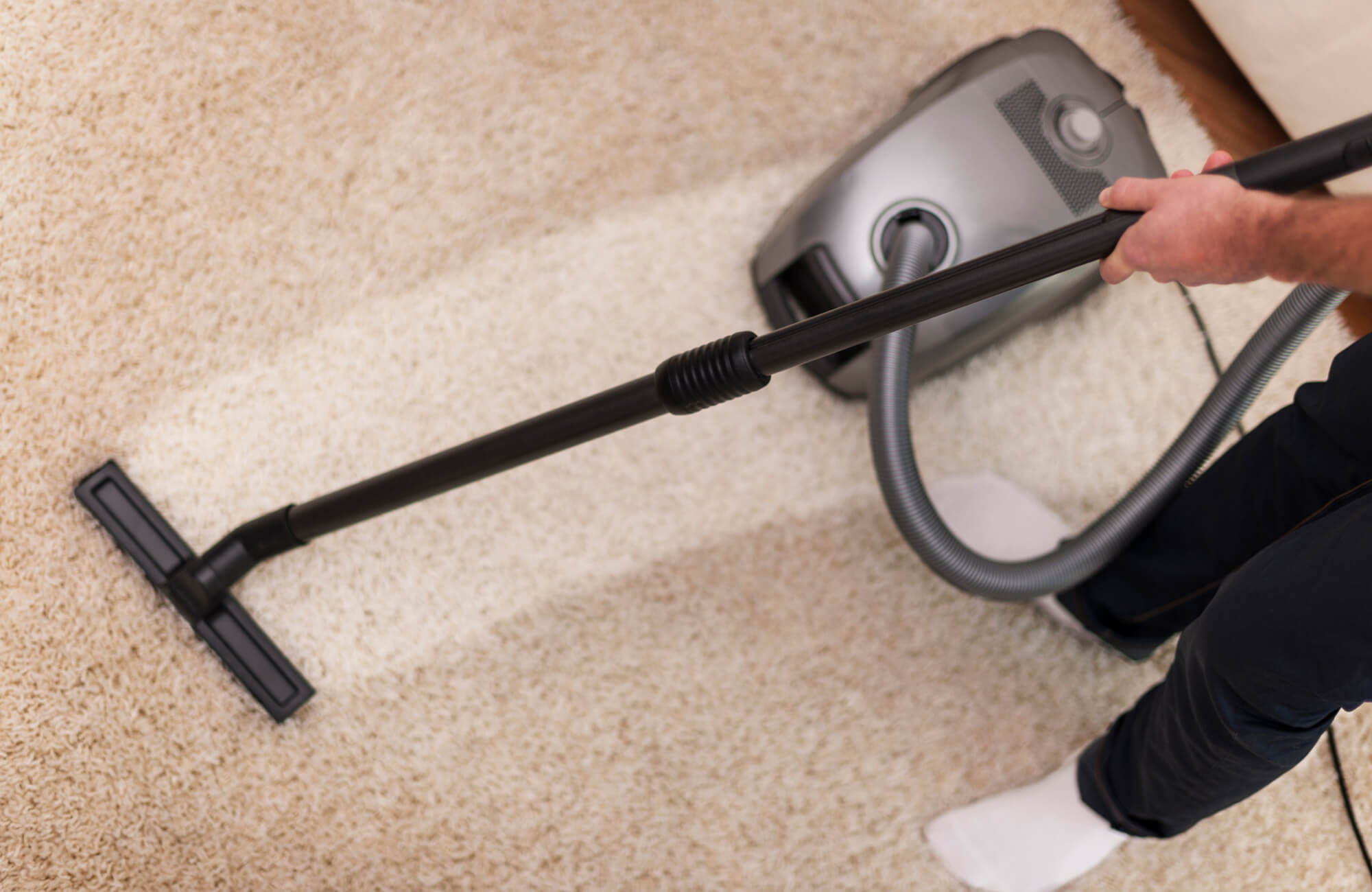
Even the most secure rug arrangement needs occasional upkeep to stay reliable, and adopting a few simple habits can make a noticeable difference in how well your rug holds its position. Regular repositioning helps correct the micro-shifts that naturally occur with daily movement, preventing the rug from drifting far enough to create deep folds or misalignment. Lifting the rug rather than dragging it protects both the fibers and the floor, while aligning it with a wall or a major furniture piece gives you a consistent reference point each time. Alongside these adjustments, maintaining a clean rug and floor is equally important. Dirt and dust trapped underneath can act like tiny ball bearings, reducing friction, so vacuuming regularly and wiping down the floor beneath restores the natural grip that keeps the rug in place. Using cleaning products that don’t leave behind slick residues and ensuring the floor is completely dry before resetting the rug further reinforces stability.
Over time, even high-quality anti-slip tools begin to wear down, which is why refreshing adhesives and pads is essential for long-term performance. Gel tapes may regain tackiness after washing, but eventually they lose their ability to hold firmly and require replacement. Rubber pads also degrade gradually, especially when exposed to heat or sunlight, becoming brittle or crumbly and losing the traction needed to keep the rug steady. Inspecting these tools annually helps you catch signs of wear before they lead to slipping or bunching, ensuring your rug remains flat and safe. As a final note, it is always wise to refer to the manufacturer’s recommendations for both your rug and any stabilizing products to ensure compatibility, prevent damage, and maintain warranty protection.
Long-Term Rug Choices For High-Activity Spaces
If you find yourself adjusting your rugs day after day, it may be worth choosing styles designed to stay flat from the outset. Certain materials, constructions, and design features naturally resist movement, giving you a more stable space with less ongoing effort.
Low-Profile Rugs
Low-profile rugs like kilims and dhurries are ideal for high-energy spaces because their tight, compact weaves help them stay grounded even during constant activity. Their minimal pile also leaves little room for corners to fold or edges to curl, allowing the rug to distribute force more evenly when someone walks or runs across it. This structural stability makes them dependable in lively areas where shifting is otherwise inevitable. Additionally, because these rugs are lightweight yet sturdy, they adapt well to different anchoring methods if you choose to add extra grip.
Indoor–outdoor synthetic rugs offer similar benefits with the added advantage of exceptional durability. Materials such as polypropylene, polyester, nylon, and olefin are engineered to withstand heavy use and environmental stress while remaining flat, flexible, and easy to clean. These synthetic fibers are also highly resistant to moisture, fading, and wear, which makes them especially suitable for busy zones like playrooms, kitchens, and rooms with energetic pets. When used in active areas, these rugs maintain their shape and position more effectively than thicker, high-pile alternatives. Over time, the combination of resilience and stability gives you a smoother, more predictable surface that supports everyday movement.
Rugs With Integrated Non-Slip Technology
Modern rug technology has made it easier than ever to keep rugs in place without relying on extra layers underneath. Many contemporary designs feature integrated non-slip backings that grip the floor uniformly from edge to edge. This built-in traction minimizes the chance of sudden sliding and offers a convenient, low-maintenance solution for spaces with frequent use. Because the backing is designed to work seamlessly with the rug’s construction, you don’t have to worry about pads shifting, bunching, or wearing unevenly.
These integrated backings excel in areas like kitchens, hallways, and entryways where rugs endure constant directional changes. Since the grip is evenly distributed, the rug stays secure even when someone pivots quickly or a pet charges past at full speed. Choosing a rug with this feature also means you’ll spend far less time straightening corners or centering the rug, and more time enjoying a setup that stays put by design.
Selecting Patterns and Colors That Mask Minor Shifts
Although patterns won’t physically stop a rug from moving, they play a clever role in how stable your space feels. Busy, intricate designs such as geometrics, florals, or mosaics, naturally hide small shifts that might stand out sharply on a solid-color rug. When a rug with subtle movement blends visually with the rest of the room, you’re less likely to feel the urge to constantly adjust it, which helps maintain a calmer and more lived-in atmosphere.
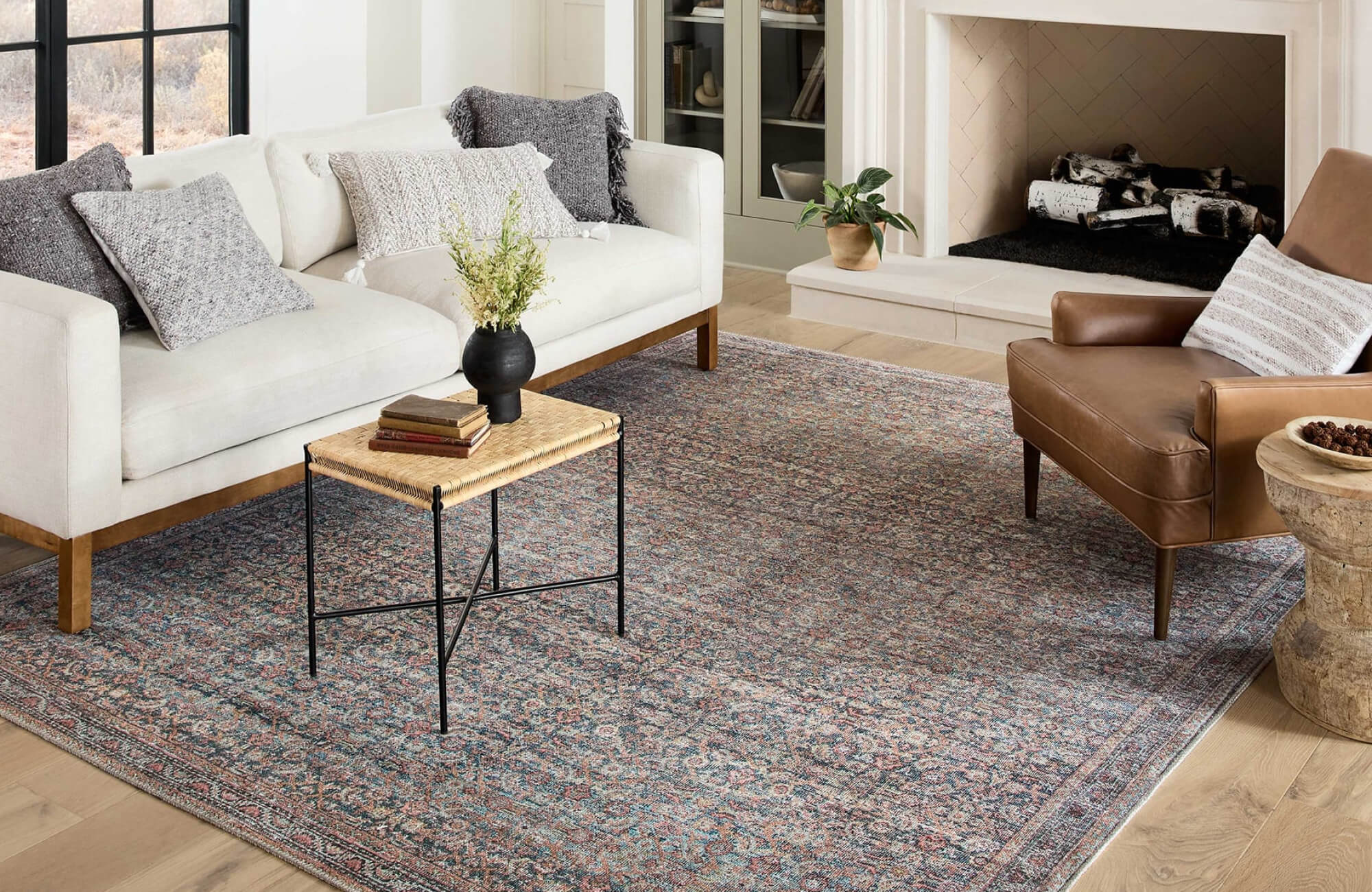
Choosing forgiving colors and patterns also allows the rug to complement the natural rhythm of an active household. If pets or kids cause slight shifting as they move through the room, the rug still appears composed, allowing it to function as a dependable foundation rather than a constant point of maintenance. Rugs like our Georgette Polyester Pile Rug in Navy / Rose, displayed in the picture above, exemplify how richly layered patterns and tonal variations of blush pink, sage green, and navy blue can disguise everyday movement while elevating the overall aesthetic of a space. By selecting a design like this, you create a room that feels balanced, relaxed, and beautiful even during life’s busiest moments.
Practical Takeaways for Real-Life Spaces
Keeping a rug flat in a busy space becomes much easier when you combine smart tools, thoughtful placement, regular upkeep, and gentle behavior guidance. As you integrate the right rug pad, choose a size that suits your space, anchor key sections with furniture, and maintain clean surfaces, the rug naturally becomes more stable. At the same time, encouraging pets and children to interact with the room in ways that protect the rug helps reduce the very habits that cause slipping. When all these elements work together, your rug stays reliably grounded, your space feels calmer, and you gain the freedom to enjoy an active space without constantly stopping to straighten the floor.
If you ever need personalized guidance or simply want advice tailored to your unique space, our team is ready to assist. Our specialists can help you explore the best options for your area and answer any questions you may have about choosing a rug that suits your lifestyle. For thoughtful support or deeper insight into your next purchase, you can reach out through our contact page and connect with experts who are happy to help you create a space that feels both beautiful and effortlessly functional.
Follow us on Instagram
@EDWARD.MARTIN
)
)
)
)
)
)
)
)
)
)
)
)
)
)
)
)