More than just a utilitarian space, the bathroom is a sanctuary—a place where we begin and end our days, a haven for self-care and rejuvenation. Yet, its lighting is often an afterthought, relegated to a single overhead fixture that casts harsh shadows. The truth is, well-designed bathroom lighting possesses a transformative power. It can elevate a purely functional room into a comfortable, aesthetically pleasing, and highly efficient personal oasis.
This guide will help you master the art of bathroom lighting. From foundational principles to cutting-edge technologies and aesthetic integration, each section builds on the last to illuminate your path toward a bathroom that is both beautifully designed and practically lit.

The Luminous Canvas
Designing exceptional bathroom lighting begins with understanding light as a multi-layered tool—a "luminous canvas" upon which functionality, safety, and aesthetics are painted. Lighting in the bathroom does more than illuminate; it defines the mood, enhances visibility for essential tasks, and highlights the room’s design elements.
A well-planned lighting scheme goes beyond a single overhead fixture, incorporating ambient, task, accent, and decorative lighting to meet various needs. Each layer plays a distinct role, from general brightness to focused illumination and stylistic impact. By blending these elements with thoughtful placement, you can transform a basic bathroom into a warm, inviting, and highly functional environment that adapts seamlessly to both busy mornings and relaxing evenings.

The Four Pillars of Illumination
Creating a well-lit bathroom relies on four fundamental types of lighting, each with a distinct role. When layered effectively, they ensure both beauty and performance across the entire space.
Ambient Light
Ambient lighting provides general illumination and lays the foundation for your bathroom’s overall brightness. It eliminates dark spots and allows you to move around safely and comfortably. Common sources include ceiling-mounted fixtures like recessed lights or flush mounts. In more dramatic spaces, a central pendant or chandelier may offer both functional and aesthetic appeal.
Task Light
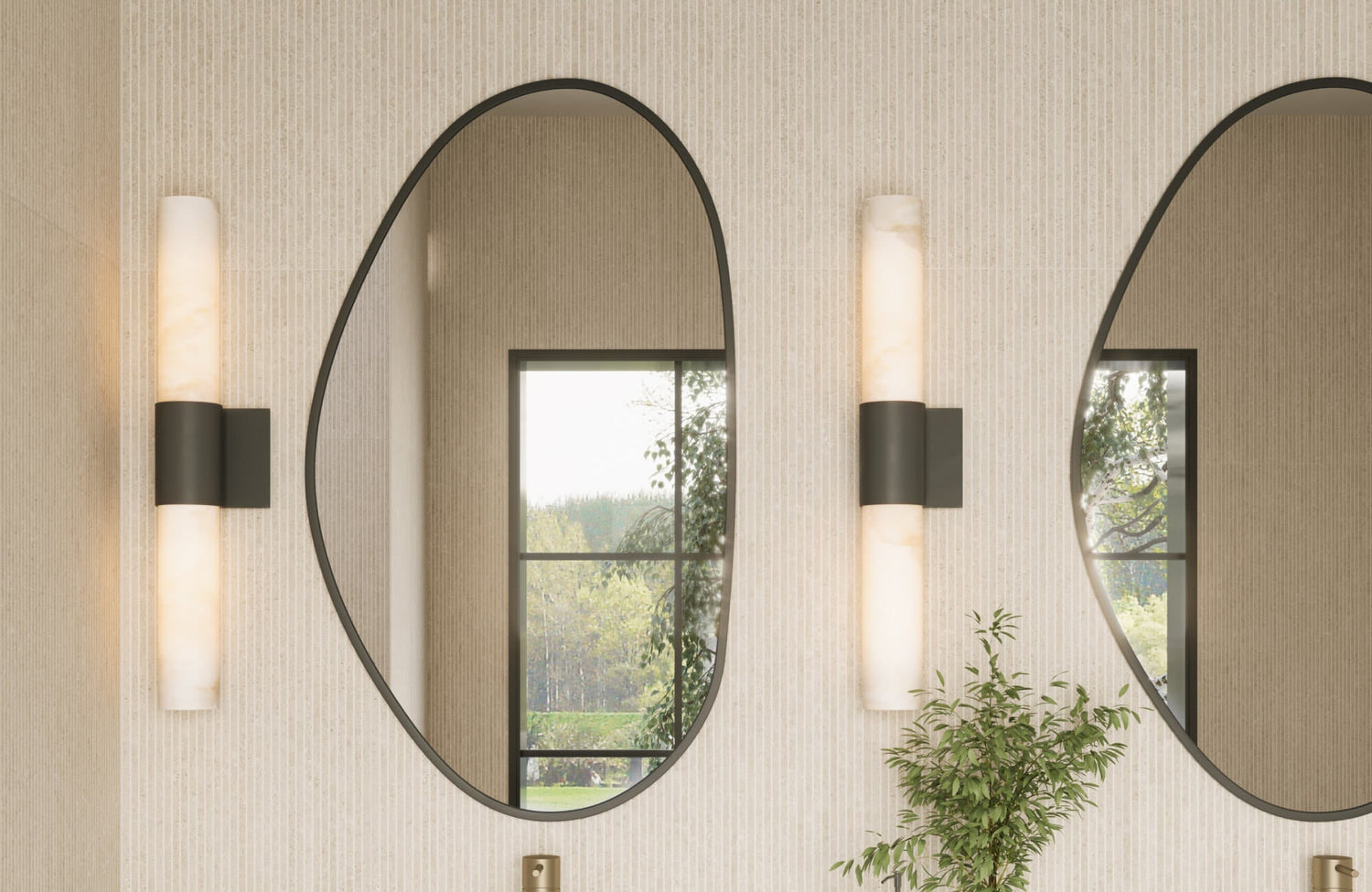
Task lighting supports focused activities such as grooming, shaving, and makeup application, making the vanity area the most essential zone for targeted illumination. The key to effective task lighting is minimizing shadows while delivering even brightness across the face. This is best achieved with fixtures like vertical sconces flanking the mirror or a horizontal bar light mounted just above.
For a modern yet timeless upgrade, the Tyson Wall Sconce in Aged Brass from Edward Martin, as shown in the photo above, offers the perfect blend of form and function. Its streamlined silhouette and warm metallic finish not only elevate the overall aesthetic but also cast a crisp, balanced glow ideal for daily routines. Positioned thoughtfully, this sconce provides precise lighting that enhances visibility without harsh glare, ensuring both clarity and style are beautifully in focus.
Accent Light
Accent lighting introduces dimension and highlights visual features. Whether it's uplighting a textured wall, outlining a built-in niche with LED strips, or spotlighting art, this layer adds depth and interest. Accent lights help break up flatness, turning functional rooms into stylish environments with a sense of luxury.
Decorative Light
Decorative lighting plays a dual role: it contributes some illumination but mainly acts as a visual focal point. Fixtures like sculptural sconces or eye-catching pendants enhance the room’s design language. Chosen for their style as much as their glow, decorative lights act like jewelry, polishing the room’s overall aesthetic.

Smart Placement Strategies
Understanding light types is only half the equation. Strategic placement tailored to the bathroom’s key functional zones ensures both performance and atmosphere.
Vanity
Lighting at the vanity must deliver both clarity and comfort, especially for daily grooming tasks. Vertical sconces placed at eye level on either side of the mirror offer the most balanced facial illumination, preventing the shadows that often result from a single overhead fixture. Alternatively, a well-placed horizontal light bar above the mirror can also provide sufficient, even brightness.
For those seeking a refined and timeless look, our Nicholson Wall Sconce in Aged Brass makes an excellent choice. Its tailored silhouette and warm metallic finish bring a touch of elegance while offering the kind of glare-free lighting that flatters rather than distorts. Paired with a thoughtfully positioned mirror, this sconce enhances both form and function, turning your vanity into a beautifully lit focal point of the bathroom.
Shower/Tub
In moisture-prone zones, lighting must be both safe and functional. Fixtures should be IP-rated for damp or wet conditions. Recessed lights are common, offering clean, even coverage. To elevate the mood, consider dimmable or color-adjustable LEDs for a spa-like effect.
Toilet
Though often overlooked, lighting near the toilet improves comfort and nighttime safety. A recessed downlight or a small sconce nearby provides just enough illumination without overwhelming the space.
Storage
Proper lighting in cabinets, drawers, or linen closets adds a layer of convenience. LED puck lights or motion-sensor strips ensure contents are easy to find, enhancing the bathroom’s overall usability and elevating the design’s attention to detail.

Fixture Types and Emerging Technologies
Once you grasp the lighting layers and their placement, it’s time to select the right fixtures. This section explores the types available and introduces smart technologies that elevate lighting convenience and customization.
Vanity Lights
The cornerstone of task lighting at the mirror, vanity lights are crucial for grooming.
Sconces
Typically mounted vertically on either side of the mirror, sconces provide the most flattering, shadow-free illumination by delivering light directly to the face from multiple angles. For optimal placement, the center of the sconce should generally be at eye level (around 60-66 inches from the floor).
Bar Lights
Horizontal bar lights above the mirror are effective if they are long enough to span the width of the mirror and deliver ample light. However, if too short or positioned too high, they can cast unflattering shadows under the chin and eyes.
Integrated Mirror Lighting
Many modern mirrors come with built-in LED lighting, offering a sleek, minimalist look. These often provide excellent, even illumination, but ensure they are bright enough for true task lighting and preferably dimmable.
Recessed Lighting
Recessed lighting offers a sleek, modern solution for bathroom illumination by integrating fixtures directly into the ceiling for a clean and unobtrusive appearance. Often used in the form of downlights, these fixtures are ideal for providing ambient lighting, evenly distributing light across the space without drawing attention to the source. Their minimalist appeal makes them a popular choice for contemporary designs, and their versatility allows for strategic placement, whether washing light across walls or covering larger areas with broad, uniform illumination.
Flush Mount and Semi-Flush Mount Fixtures
Flush mount and semi-flush mount fixtures are popular choices for delivering ambient lighting in bathrooms, particularly in spaces with standard or lower ceiling heights. Flush mounts sit directly against the ceiling, making them especially well-suited for compact rooms or those with ceilings under 8 feet. They offer broad, diffused illumination that effectively brightens the space without drawing attention to the fixture itself. For those looking to introduce a touch more style, semi-flush mounts provide a compelling alternative. Hanging slightly below the ceiling, they add visual interest while still maintaining a clean profile and contribute a softer, more layered light that enhances the overall ambiance.
Chandeliers and Pendants
Chandeliers and pendant lights offer a dramatic decorative touch to bathroom lighting while also enhancing ambient or accent illumination. These fixtures serve as captivating focal points, bringing elegance and personality into the space. A thoughtfully chosen pendant, like our Matteo Pendant in Aged Brass, as displayed in the photo above, can introduce a warm, refined glow that pairs beautifully with brushed metal finishes and adds a timeless flair to both contemporary and transitional bathrooms. Its sculptural design strikes the perfect balance between function and form, proving that a statement piece can still feel understated.
Of course, safety remains paramount. These fixtures should always be installed outside the tub or shower zone and must follow clearance regulations, typically requiring a minimum of 8 feet above the highest point of the bath rim or shower ledge. Selecting a pendant that’s proportionate to your space is key—too large can overwhelm, while a well-sized piece like the Matteo delivers harmony, charm, and a luxurious finishing touch.
Strip Lighting/LED Tapes
Strip lighting, or LED tape lights, offer exceptional versatility and are ideal for adding subtle, sophisticated illumination to a bathroom. These low-profile fixtures are perfect for accent lighting, whether it's highlighting architectural features, adding a gentle glow beneath floating vanities, or bringing dimension to open shelving. They also work well under cabinets or behind mirrors, where they provide soft, indirect lighting that enhances ambiance or serves as a functional night light. Their flexibility allows for customized light placement, making them a creative and practical option for elevating the overall atmosphere of the space.
Smart Lighting
Modern technology has transformed bathroom lighting from a simple on/off function into an intelligent system that enhances convenience, energy efficiency, and mood control. Integrating smart lighting can truly elevate your bathroom experience.
Dimmers
Dimmers allow you to adjust the intensity of light, transforming the ambiance from bright and functional for morning routines to soft and relaxing for evening soaks. They also contribute to energy savings by allowing you to use only the light you need.
Occupancy Sensors
These clever devices detect movement, automatically turning lights on when you enter the bathroom and off when you leave. This offers unparalleled convenience, especially during nighttime use and energy savings.
Color Temperature Control
Beyond dimming, tunable lighting allows you to adjust the warmth or coolness of your light, measured in Kelvin (K).
- Cool (4000K-5000K): Mimic natural daylight, ideal for precise grooming tasks, making colors appear truer.
- Warm (2700K-3000K): Create a cozy, relaxing atmosphere, perfect for unwinding in the tub.
Smart Home Integration
Integrate lighting with voice assistants or mobile apps for maximum convenience. Create presets, automate schedules, or coordinate with other devices for a seamless smart home experience.

Lighting and Aesthetic Design Integration
Lighting should complement and elevate your bathroom decor. This section explores how mood, materials, and fixture finishes shape your space's visual identity.
Crafting the Mood
Light is more than just illumination; it’s an invisible architect of emotion and atmosphere. The intentional manipulation of light can profoundly influence how you perceive and interact with your bathroom.
Spa-like Retreat
To evoke a relaxing, spa-inspired atmosphere, opt for warm, dimmable lighting in the 2700K-3000K range. Indirect lighting, such as LED strips under floating vanities or behind mirrors, adds a soft, halo-like glow that promotes tranquility without harshness.
Bright and Energizing
For a bathroom designed to invigorate and prepare you for the day, opt for cooler color temperatures (around 4000K-5000K) that mimic natural daylight. Combine overhead ambient light with bright, even task lighting at the vanity to eliminate shadows and support detail-oriented tasks like grooming or makeup application.
Glamorous and Dramatic
To create a luxurious, theatrical space, incorporate bold decorative fixtures, such as crystal-accented sconces, petite chandeliers, or ornate pendants that command attention. Accent lighting plays a key role in showcasing opulent materials like veined marble, metallic finishes, or sculpted tile work. Reflective surfaces—mirrored panels, high-gloss cabinetry, and polished brass—help bounce light throughout the space, heightening the overall drama.
For a refined touch that blends sophistication with statement lighting, consider our Colette Wall Sconce in Aged Brass, as displayed in the photo above. Its sculptural form and warm metallic finish add a layer of timeless elegance, perfect for flanking a vanity mirror or highlighting a textured wall. Paired with dimmer controls, this sconce allows you to effortlessly shift the ambiance from radiant and bold to soft and sultry, transforming your bathroom into a true showpiece.
Minimalist and Modern
In modern, streamlined bathrooms, less is more. Use integrated lighting solutions like recessed ceiling fixtures or hidden LED strips that provide clean washes of light. Choose fixtures in matte black or brushed nickel with cool or neutral temperatures to support a sleek, clutter-free aesthetic.
How Finishes Reflect Light
The finish of your fixtures can significantly affect how light behaves in a room. Selecting the right finish enhances not just function, but the style and feel of the space.
Chrome and Polished Nickel
These shiny, mirror-like finishes reflect a great deal of light, making rooms feel larger and brighter. They pair well with contemporary designs and add a hint of glamour. However, their reflectivity can produce glare if not balanced with diffused lighting.
Brushed Nickel and Matte Black
These finishes reflect less light and offer a subtler, more modern look. Brushed nickel softens illumination, while matte black absorbs more light, lending contrast and visual definition. Both create a refined aesthetic without overwhelming the space.
Glass and Acrylic Shades
Fixture shades also shape the way light is dispersed.
- Clear glass delivers direct, bright light, ideal for areas needing focused illumination.
- Frosted or opal finishes, whether in glass or acrylic, soften the output and create a diffused, even glow—ideal for ambient and vanity lighting where reducing glare is important.
Surface Colors and Textures
The materials and colors that make up your bathroom surfaces impact how effectively your lighting performs.
Light Colors and Glossy Tiles
Surfaces with light tones and glossy finishes reflect both natural and artificial light, boosting overall brightness. They help visually expand the room and add a sense of airiness. Glossy tiles, in particular, introduce a subtle sparkle that contributes to a clean and fresh ambiance.
Dark Colors and Matte Tiles
In contrast, darker hues and matte finishes absorb more light, cultivating a cozy, dramatic mood. This look works well for bold or luxurious bathrooms, but it reduces overall light levels. To maintain functionality and avoid a dim feeling, it’s important to supplement with well-placed lighting that enhances textures and keeps the space visually balanced.

Safety and Installation Considerations
No lighting plan is complete without addressing safety and compliance. Bathrooms require specific ratings and careful installation to handle moisture and electrical risks.
The IP Rating and Bathroom Zones
The Ingress Protection (IP) rating system is a crucial standard that helps you determine how resistant a fixture is to water, dust, and accidental contact, factors especially important in a humid bathroom environment.
Understanding Bathroom Zones and IP Codes
Bathrooms are divided into zones based on their proximity to water sources. These zones help determine what type of fixture is safe to install in each area:
- Zone 0: Inside the bathtub or shower tray. Fixtures here must be low voltage (12V max) and rated at least IPX7 (protected against immersion).
- Zone 1: Above the bath or shower, up to a height of 2.25 meters. Fixtures should be at least IPX4 (splashproof). If using a 12V fixture, the transformer must be located outside Zones 0, 1, and 2.
- Zone 2: Extends 0.6 meters beyond Zone 1 and includes areas around sinks (within 0.6 meters of a tap). Fixtures here also require a minimum IPX4 rating.
- Zone 3 (Outside Zones): Anywhere beyond Zones 0–2. No specific IP rating is required here, though IP20 or higher is often recommended for enhanced durability.
Selecting Correct Fixtures
Before purchasing any bathroom light, always check the IP rating and ensure it meets or exceeds the minimum requirement for its intended zone. Installing a fixture with insufficient protection in a high-moisture area is a serious safety hazard that can lead to electrical damage or shock.
Wiring and Electrical Planning
In addition to moisture protection, all bathroom lighting must comply with local electrical codes. Proper wiring, switch placement, and circuit planning are essential for both functionality and long-term safety.
Dedicated Circuits
High-power appliances, such as water heaters, ventilation fans, or heated towel racks, should operate on dedicated circuits. This helps prevent overloads that could trip breakers or cause overheating, keeping both your lighting and devices running safely and efficiently.
GFCI Protection
Ground Fault Circuit Interrupters (GFCIs) are paramount for safety in wet environments. These outlets and breakers automatically shut off power if they detect an imbalance in the electrical current, protecting users from electric shock. Most electrical codes mandate GFCI protection for all bathroom receptacles and often for lighting circuits within certain zones.
Switch Placement
Safe and ergonomic switch placement is often overlooked. Switches should be accessible but positioned at least 2 feet (0.6 meters) away from water sources like sinks or bathtubs. For added versatility, consider installing dimmer switches and multi-gang panels to control ambient, task, and accent lighting separately.
Ventilation Fan Integration
Many modern bathrooms combine lighting with ventilation units to manage humidity and improve air quality. If using a combination unit, ensure it’s rated appropriately for your bathroom’s size and layout. Proper ventilation not only protects your lighting investment from moisture damage but also helps prevent mold growth and fixture corrosion.
Professional vs DIY
Some lighting updates are simple enough for experienced DIYers, while others demand the skill and certification of a licensed electrician. Knowing when to seek professional help is crucial for ensuring your safety and compliance with regulations.
When DIY is Safe
If you’re swapping out an existing fixture for another lighting of the same size and wattage in the same location, and you're comfortable with basic wiring and safety precautions (such as shutting off power at the breaker), it may be safe to proceed on your own. Always follow the manufacturer's instructions and wear appropriate protective gear.
When to Hire a Professional
If your project involves new wiring, relocating fixtures, installing additional switches, or modifying your electrical panel, hire a licensed electrician. These tasks require expert knowledge of electrical systems and code compliance. Mistakes can lead to fire hazards, serious injury, or failed inspections.
Permits and Inspections
Significant electrical modifications often require permits and final inspections by your local building authority. A licensed professional will be familiar with the permitting process and ensure all work passes code, preventing issues with insurance, resale, or future upgrades.

Troubleshooting and Evolution
Even with a carefully designed lighting plan, maintenance and adjustments may become necessary over time. Whether it’s resolving performance issues or preparing for future upgrades, staying proactive ensures your bathroom lighting remains functional, safe, and visually appealing.
Common Issues and Fixes
Some of the most frequent lighting problems in bathrooms can be resolved with a few simple steps. Knowing what to look for can save time and prevent bigger issues down the line.
Flickering Lights
Flickering is often caused by something as simple as a loose or incompatible bulb. Start by checking that the bulb is firmly screwed in and that it's suitable for any existing dimmer switches. LED bulbs, in particular, may flicker if used with incompatible dimmers. If the issue persists, there may be a loose wire in the fixture or switch box, which should be assessed by a qualified electrician. Widespread flickering throughout multiple fixtures could also signal a circuit overload or voltage irregularities.
Insufficient Brightness
If your bathroom feels dim, it's worth evaluating more than just your bulb wattage. Focus on lumen output, which measures actual brightness. Ensure your lighting setup delivers enough lumens for the size and purpose of the room. Also, assess the placement of your fixtures—an overhead light alone may not provide balanced coverage. Surfaces like dark tiles and walls absorb light, which might require stronger or additional light sources. Don’t overlook basic maintenance either: dust buildup on shades and fixtures can reduce light quality significantly.
Harsh Shadows
Shadows around the vanity can make grooming tasks frustrating. This typically stems from relying solely on overhead lighting. A more effective approach is to flank your mirror with vertical sconces at eye level. This side-lighting reduces shadows under the eyes and chin and improves color accuracy, making daily routines more efficient and comfortable.
Bulb Lifespan Issues
If bulbs are burning out too quickly, several factors could be responsible. Low-quality bulbs often have shorter lives, so opt for trusted LED brands. Heat buildup is another culprit—ensure fixtures have proper ventilation. In some cases, vibration from a nearby ventilation fan may reduce the life of incandescent bulbs, though LEDs are generally more resistant. Rapid cycling (frequent switching on and off) can also wear out some bulb types, but modern LEDs are built to handle this more effectively.
Future-Proofing Tips
Keeping your lighting system adaptable and efficient means planning for long-term usability. Here are some smart strategies to ensure your setup remains relevant as your needs change.
Modular and Flexible Systems
Invest in lighting systems that are easy to upgrade. Track lighting, for example, lets you reposition fixtures without rewiring. Some integrated LED fixtures now offer replaceable light engines, allowing you to update performance or brightness without changing the whole unit—ideal for staying current without a full remodel.
Energy Efficiency
Choosing LED lighting is the most impactful step you can take for long-term savings and environmental benefits. LEDs consume significantly less energy, last exponentially longer than incandescent or CFL bulbs, and produce less heat. While the initial cost might be slightly higher, the long-term operational savings are substantial. Look for Energy Star-certified products for guaranteed efficiency.
Accessibility Considerations
As your household changes, consider lighting features that cater to a wide range of needs. Dimmable lights reduce glare and allow for customization throughout the day. Motion-activated night lights improve safety for children and older adults. Install switches at a height that's easy to reach, especially in multi-generational homes, and avoid placing controls behind doors or hard-to-access locations.
Maintenance and Cleaning
Ongoing upkeep preserves both the appearance and performance of your lighting. Dust and residue can accumulate on bulbs and shades, reducing brightness. Clean these surfaces regularly with a soft cloth and gentle cleaner. Also, periodically inspect fixtures and wiring for signs of wear. If you notice buzzing, dimming, or flickering that wasn’t present before, consult an electrician to address potential electrical issues early on.
Bringing Your Bathroom to Light
Effective bathroom lighting blends functionality with design, enhancing both the atmosphere and usability of the space. By thoughtfully layering ambient, task, accent, and decorative lighting, you can create a well-lit environment that supports your daily routines while adding visual warmth and character. Strategic placement ensures each area, from vanity to shower, is properly illuminated, and modern features like dimmers or smart controls offer flexibility and energy efficiency.
Choosing fixtures that align with your style and ensuring safe, code-compliant installation are equally important. Whether you favor sleek modern lighting or classic decorative elements, the right choices can elevate your bathroom into a comfortable, stylish retreat. With a balanced approach to design, placement, and safety, your bathroom lighting will serve as both a functional tool and a finishing touch.