
)
)
)
)
)
)
)
)
What Is A Good Height For A Bathroom Vanity Mirror?
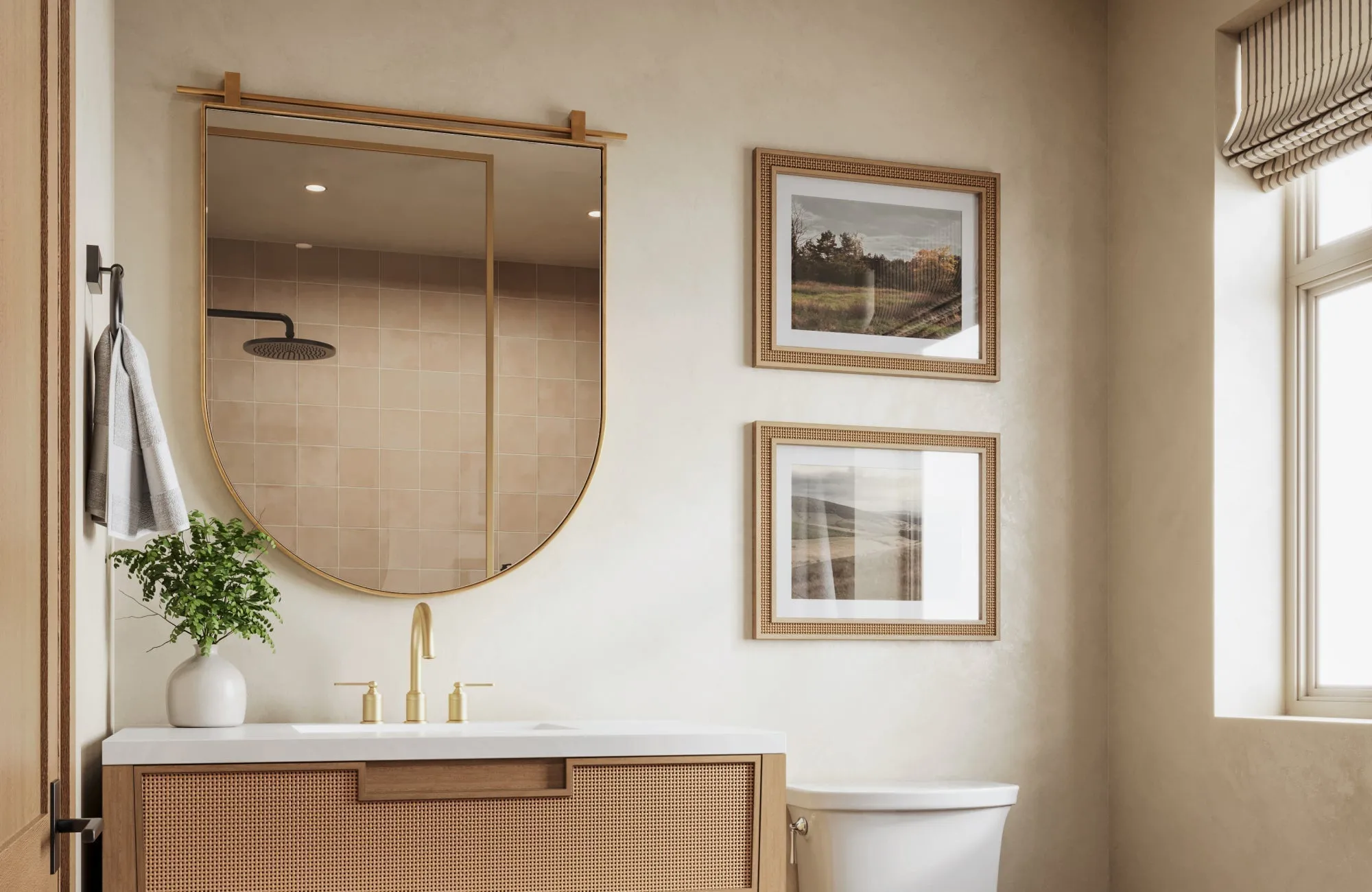
Choosing the right height for a bathroom vanity mirror may seem like a minor detail, but it plays a big role in how your bathroom looks and feels each day. When positioned correctly, a mirror improves comfort, enhances lighting, and brings visual balance to the space. In this article, we’ll walk you through the key factors to consider, from standard measurements to lighting, mirror shape, and room layout, so you can find the height that works best for your bathroom.
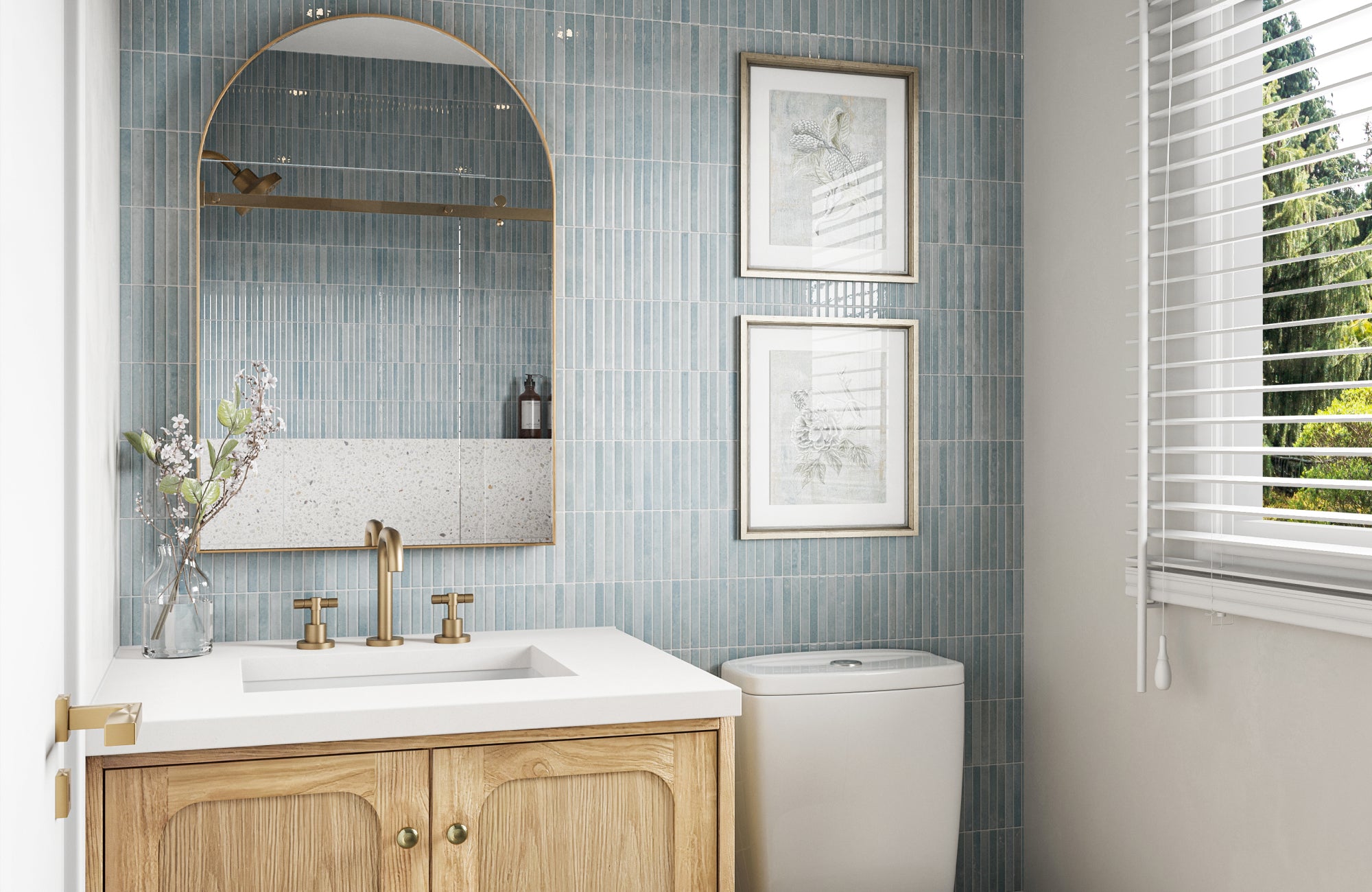
Understanding Standard Mirror Height Ranges
Most bathroom projects start with general guidelines for mirror height, which provide a useful foundation. While these standards can point you in the right direction, they don’t apply to every space or setup. Understanding when to follow them and when to adjust can make all the difference in creating a bathroom that feels both comfortable and cohesive.
Typical Measurements
A standard vanity mirror is often mounted 5 to 10 inches above the countertop. This distance allows space for a backsplash or faucet while keeping the mirror at a comfortable viewing height. While this range works well in many cases, it’s important to treat it as a guideline rather than a fixed rule.
In well-balanced designs like the one pictured above, Edward Martin’s Esmeralda Small Mirror in Polished Brass demonstrates how thoughtful placement complements the vanity and lighting. The mirror’s arched top and slim profile make it ideal for staying within that 5- to 10-inch range while maintaining visual lightness. Its proportions also work harmoniously with the surrounding elements, offering a refined example of how standard height can be both practical and polished.
Adjusting Based on Vanity Height
Vanity height can vary, usually falling between 32 and 36 inches. If your vanity is on the taller end, you may need to mount the mirror slightly higher to maintain alignment with eye level. Conversely, a lower vanity may call for the mirror to be positioned closer to the countertop. The goal is to create a natural line of sight without strain.
Considerations for Vessel Sinks
Vessel sinks sit on top of the counter rather than within it, which adds extra height that changes the mirror’s ideal placement. To keep the reflection centered and useful, the mirror should be mounted lower than it would be for a traditional under-mount sink. This adjustment also ensures the mirror remains functional and comfortable to use.
Factoring in User Height and Eye Level
Mirror placement should reflect the needs of the people who use it most. While the height of the vanity sets the foundation, the height of the user often has a greater impact on where the mirror should be positioned. By considering who will be using the space daily, it becomes easier to determine a height that feels natural and comfortable.
Eye-Level Placement
One of the most effective ways to determine mirror height is by centering it around the average user’s eye level. This typically falls between 57 and 65 inches from the floor. Positioning the mirror at this height also ensures that it captures your reflection without forcing you to look up or crouch down. The center of the mirror should ideally fall between the eyes and nose to offer the most natural and comfortable viewing experience.
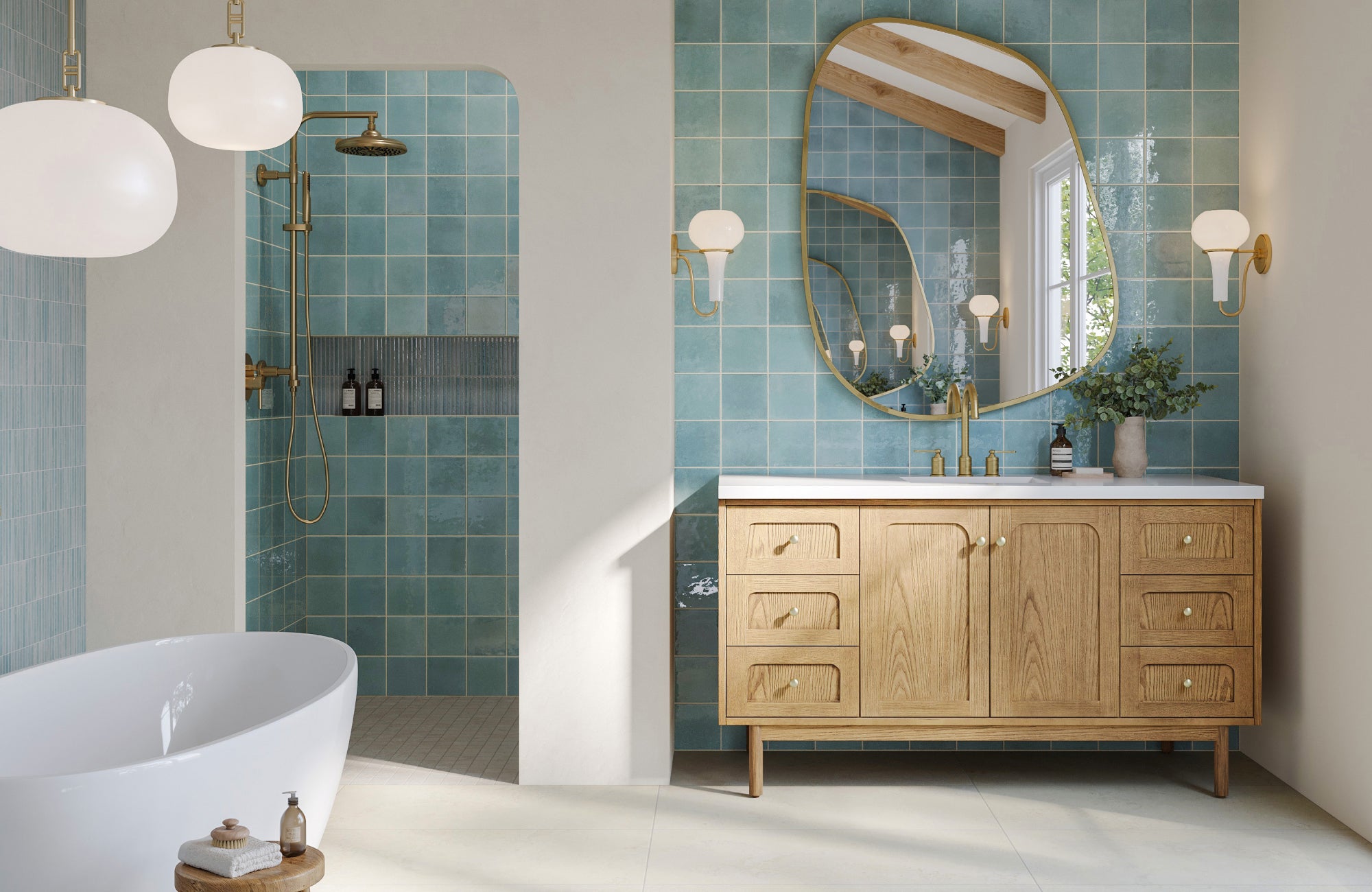
A great example of this approach is displayed in the photo above, where Edward Martin’s Shirley Large Mirror in Antique Brass Iron is thoughtfully positioned to align with a comfortable eye level. Its generous vertical profile and subtly curved edges enhance visibility without overpowering the vanity, striking a balance between function and form. The mirror’s height and placement also complement the lighting and surrounding architecture, making it both practical and visually grounded.
Accommodating Multiple Users
If more than one person uses the bathroom and there’s a noticeable height difference, it’s equally important to plan for a broader reflection range. A vertically oriented mirror or one with extra height can serve this purpose well. By extending the reflective area up and down, you can also comfortably accommodate users of different heights without the need for constant adjustments.
Designing for Children
In bathrooms used by children, the standard height won’t always work. Installing the mirror lower than usual or choosing one that tilts can help younger users see themselves easily. Another approach is to install two mirrors at different heights or plan for future adjustments as children grow. These solutions make the bathroom more user-friendly and adaptable.
Integrating Mirror Height with Lighting Design
Lighting and mirror height work closely together to shape both the look and feel of your bathroom. How a mirror reflects light can influence not only the room’s appearance but also how comfortably you see yourself. Coordinating these elements thoughtfully helps create a space that feels balanced, functional, and well-lit throughout the day.
Wall Sconces and Overhead Fixtures
When using wall sconces on either side of the mirror, aim to position them at eye level; around 66 inches from the floor is a useful reference point. This ensures even facial lighting and minimizes shadows, especially when grooming or applying makeup. If your setup includes an overhead fixture instead, also consider lowering the mirror slightly to help soften any downward shadows that can occur under the eyes or chin.
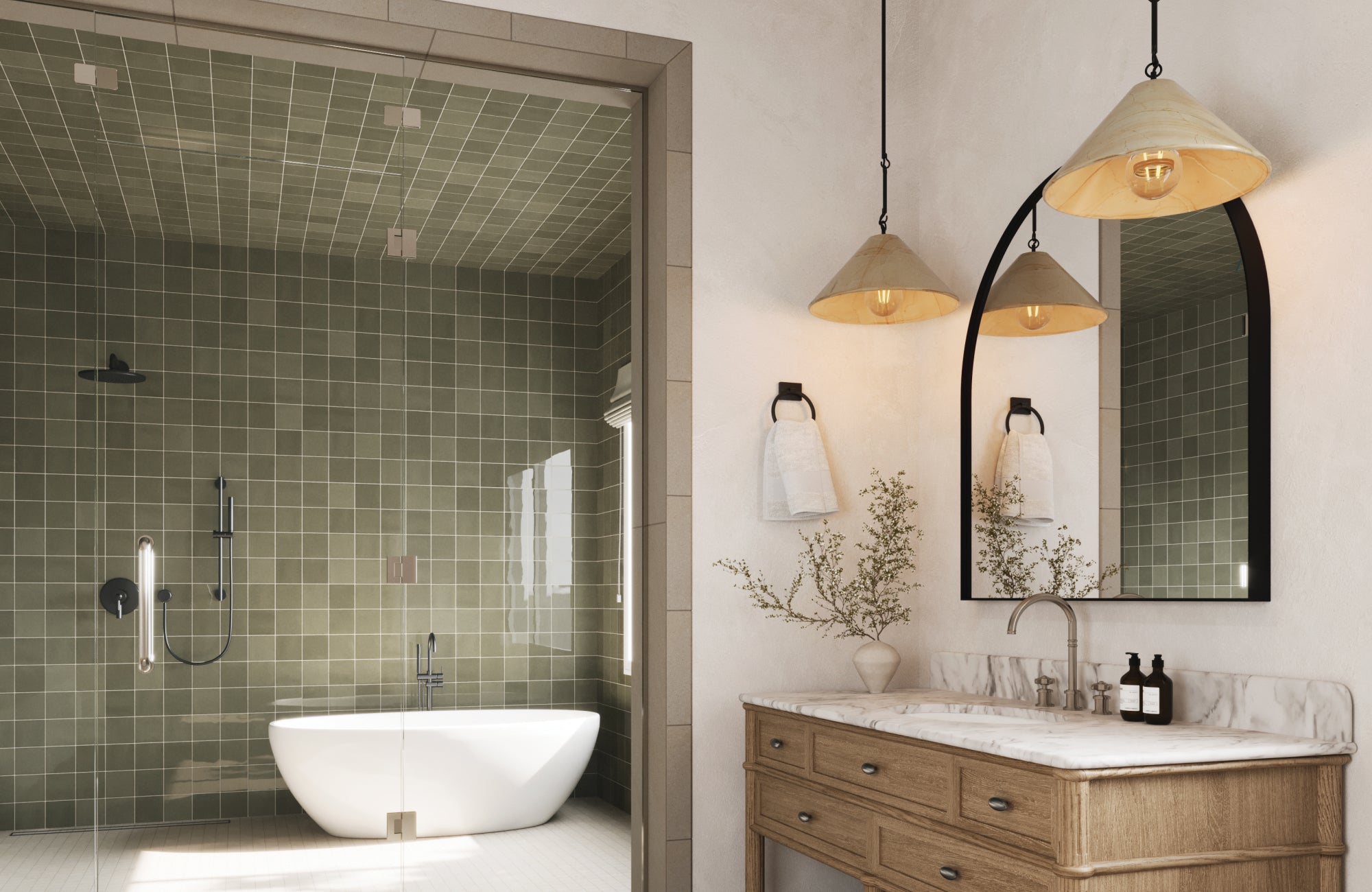
A practical example of this balance appears in the photo above, where Edward Martin’s Esmeralda Wide Mirror in Iron Matte Black is paired with the Alma Pendant in Ecru Marble Solid. Esmeralda’s soft, arched silhouette echoes the curve of the lighting while anchoring the vanity area with clarity and purpose. Its height allows the light to fall evenly across the face, enhancing both visibility and ambiance. Together, these elements create a cohesive look that blends functional lighting with well-considered mirror placement.
Backlit and Integrated Mirrors
Mirrors with built-in lighting provide a sleek, modern solution, but their effectiveness depends heavily on proper placement. To get the most out of the integrated illumination, the lights should align with your facial features rather than sitting too high or too low. Positioning the mirror so the light distributes evenly across your face, rather than concentrating on the forehead or chin, helps create a balanced, natural reflection. This not only improves visibility but also enhances the overall experience during daily routines.
Natural Light Considerations
If your bathroom has windows, thoughtful mirror placement can further enhance the natural light already in the space. Positioning the mirror across from or adjacent to a window allows it to reflect daylight effectively, making the room feel brighter and more open. However, it's equally important to avoid placing the mirror too high, where it might catch glare or reflect ceiling light instead of your reflection. When positioned well, a mirror can also amplify natural light and help reduce the need for artificial lighting during daytime hours.
Coordinating Mirror Size and Shape with Placement
The shape and size of your mirror play a key role in determining the ideal mounting height. While placement is often guided by function, it should also take the mirror’s proportions into account. Considering both height and width together helps ensure the mirror feels balanced within the overall design and aligns well with surrounding elements.
Height-to-Width Ratios
Taller mirrors can often be installed lower on the wall because they naturally extend upward. This provides added flexibility, especially when working with vanities of varying heights. In contrast, wider mirrors demand more precise centering, particularly in setups with side lighting or double sinks, where balance and spacing are essential. Maintaining symmetry and a clear line of sight ensures the mirror feels cohesive within the overall design.
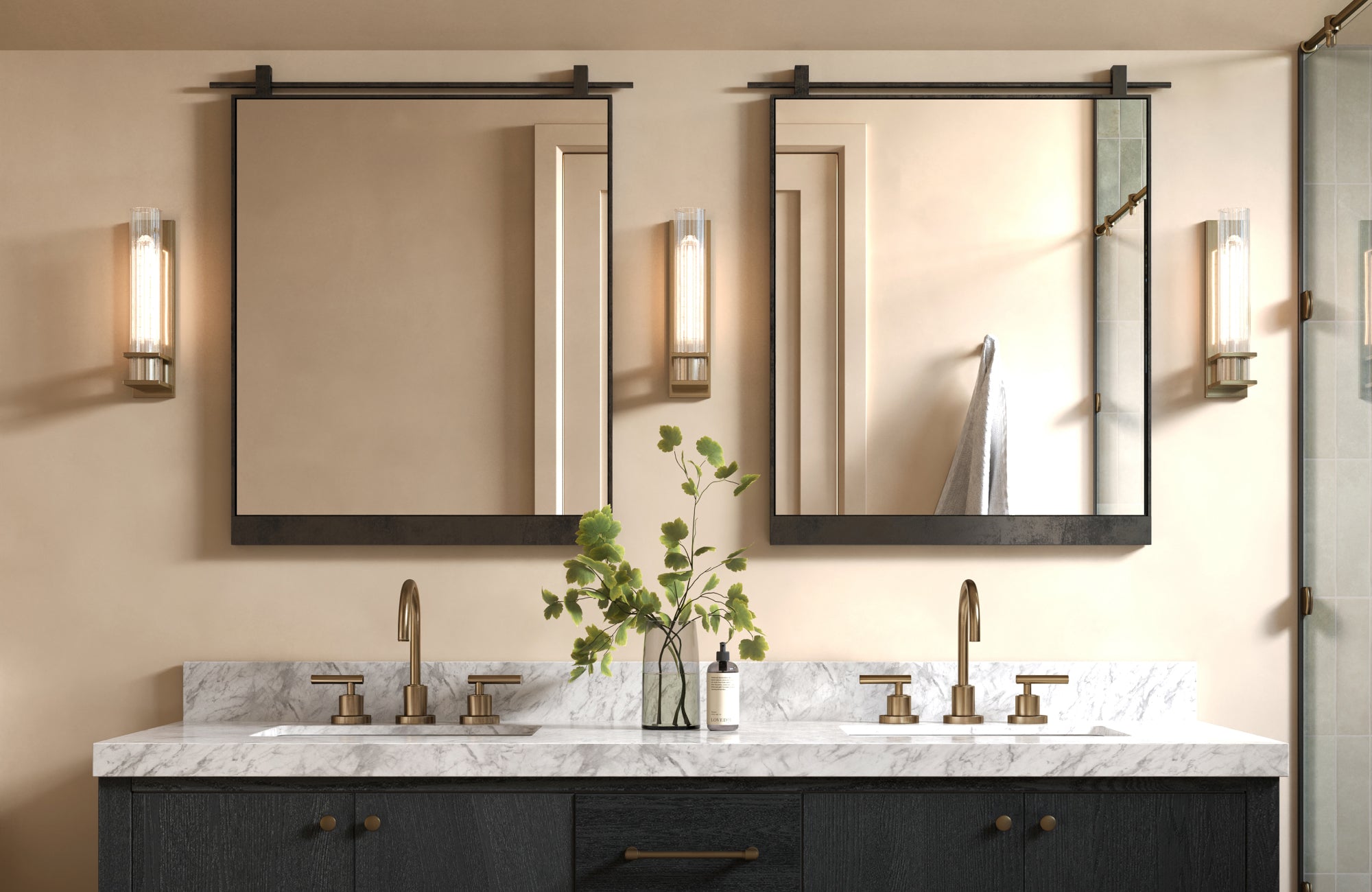
A great example of this is featured in the picture above, where Edward Martin’s Clancy Small Mirror in Antiqued Iron is used in a dual setup. Its square silhouette complements the double vanity, and its proportional width allows each mirror to align perfectly with individual sink basins. The result is a well-balanced, functional layout that demonstrates how mirror width and placement work together seamlessly in a well-lit, shared space.
Framed vs. Frameless Options
The style of mirror you choose, whether framed or frameless, can significantly impact how and where it should be mounted. A substantial frame adds visual weight and occupies more wall space, which may call for slight height adjustments to maintain harmony with the vanity and nearby elements. In contrast, frameless mirrors offer a lighter, more streamlined appearance and can often be positioned closer to the countertop without feeling crowded. Ultimately, the decision influences not only the mirror’s look but also how well it integrates into the overall layout.
Mirrors with Shelving or Storage
Mirrors that include shelves, medicine cabinets, or integrated storage units bring added depth to the wall. These features may lower the usable reflective surface or add bulk that affects accessibility. It’s equally important to mount them where storage remains easy to reach, without interfering with the faucet, backsplash, or lighting. Planning around these practical needs also helps keep the setup clean and convenient.
Tailoring Mirror Height for Different Bathroom Types
Not all bathrooms serve the same purpose, and the function of the space often guides design choices. Whether you're outfitting a spacious en suite or a smaller powder room, adjusting mirror height to match how the room is used can make a noticeable difference in both comfort and appearance.
Master Bathrooms
In master bathrooms, mirrors tend to be larger and often serve multiple users. With features like double vanities, tall cabinetry, and custom layouts, there’s more to coordinate. The mirror should be placed at a height that works with your personal routines and overall setup. Because this is likely your primary bathroom, comfort and functionality are top priorities.
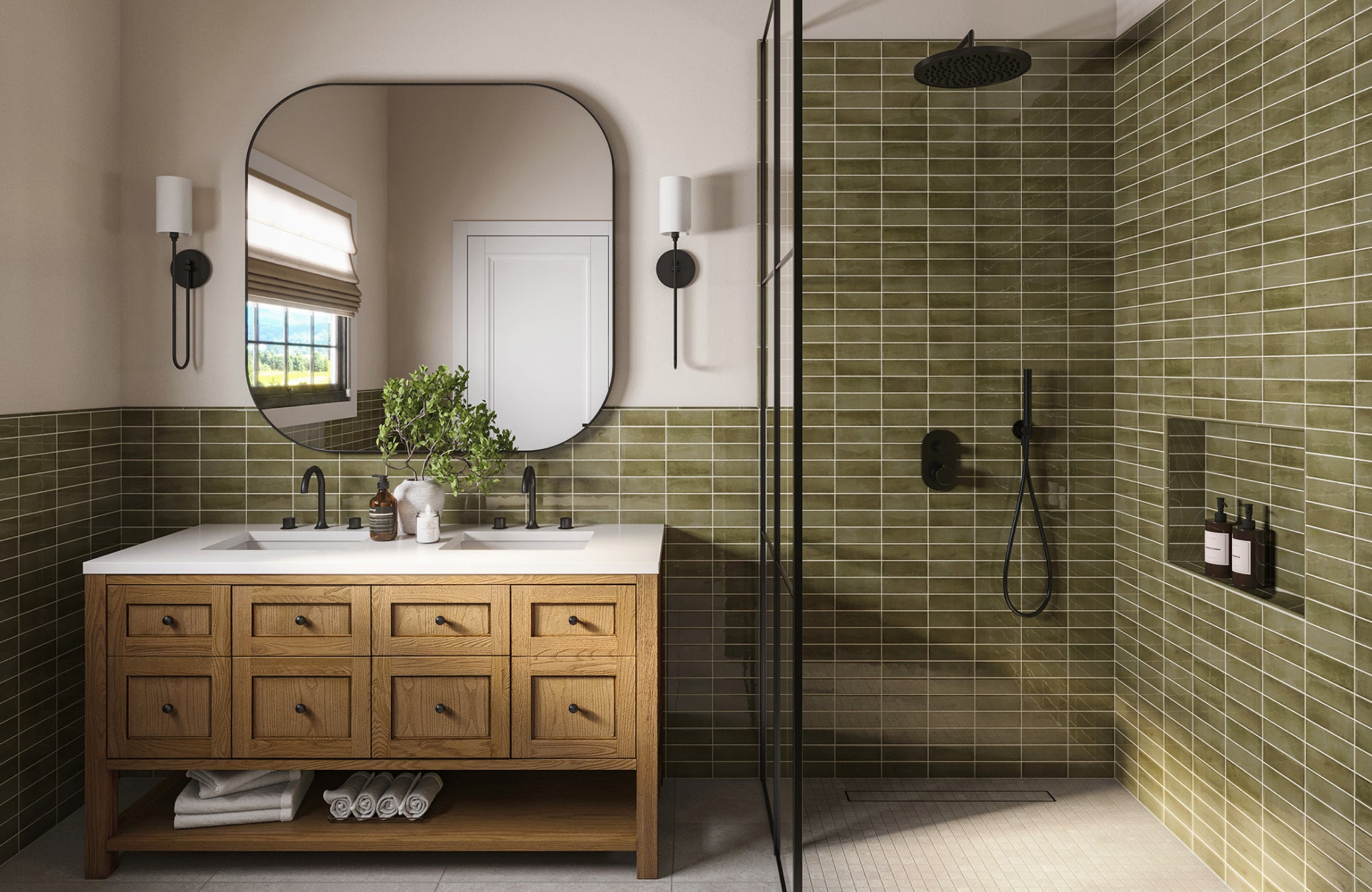
A well-executed example of this is shown in the photo above, where Edward Martin’s Tristan Square Mirror in Rustic Black anchors the space with both presence and practicality. Its bold frame and soft-rounded shape create a focal point while maintaining a height that feels natural for daily use. The mirror also complements the dual faucet layout and lighting on either side, offering a refined balance between personal comfort and design cohesion.
Guest Bathrooms
Guest bathrooms serve a wider range of users, so choosing a neutral mirror height is often the best approach. Centering the mirror at about 60 inches from the floor provides a practical midpoint that suits most people. Since these bathrooms aren’t used as frequently, a balanced, all-purpose height makes the space more accommodating without overcomplication.
Powder Rooms
Powder rooms offer more flexibility in design, since they’re often used for quick visits rather than daily routines. Here, the mirror can double as a design element, and placement can be guided by visual appeal. You might also raise it slightly to create a dramatic effect or lower it to balance out a bold vanity. Just make sure it’s still functional for basic use.
Practical Installation Tips and Mistakes to Avoid
Once you’ve determined the ideal height, the next step is proper installation. This involves more than just taking measurements; it also means ensuring the mirror is securely mounted and functions well within the overall layout of the space.
Measuring Twice
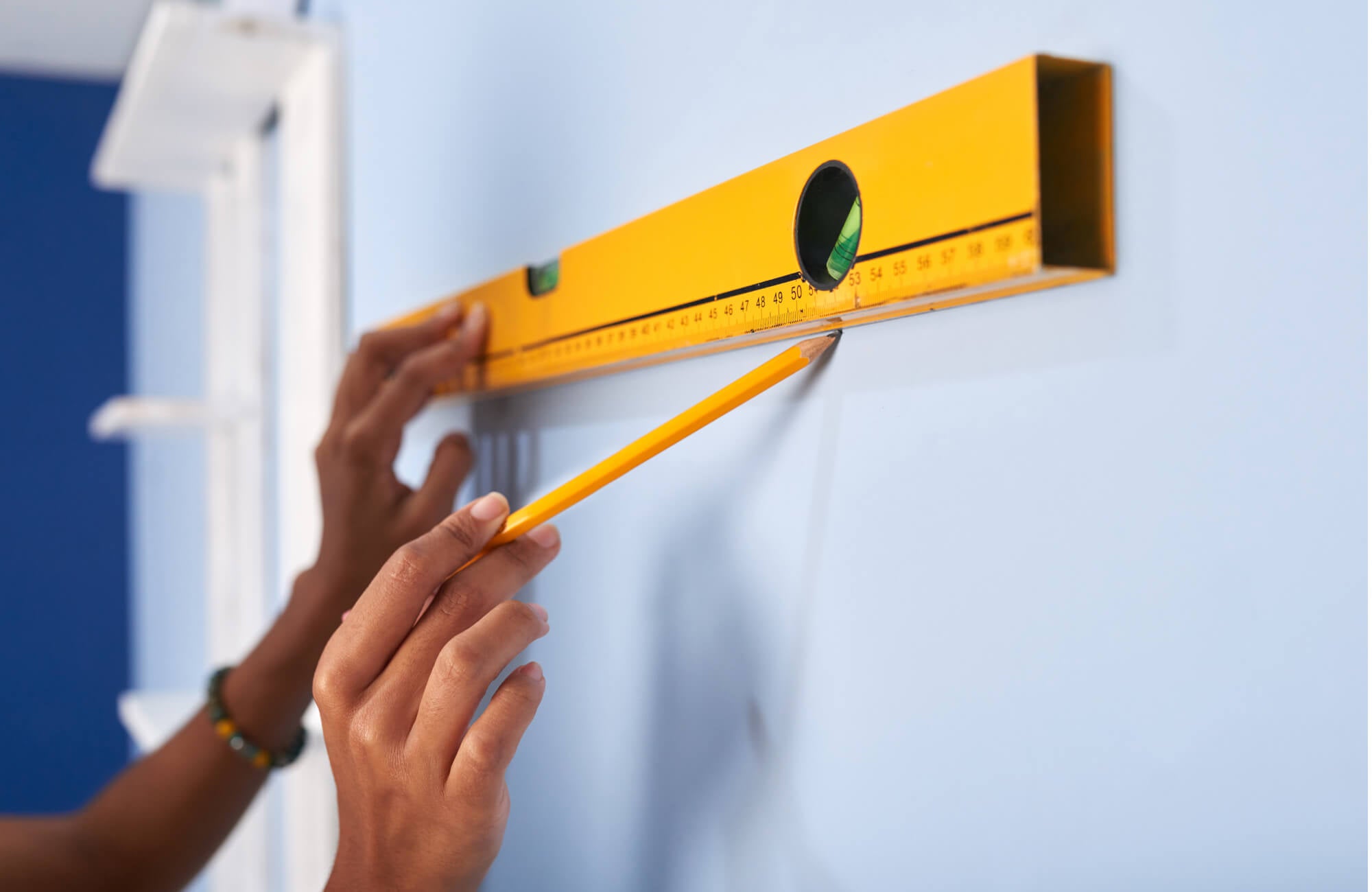
Before finalizing the placement, it’s a good idea to mark the intended height using painter’s tape or a laser level. This allows you to step back and view the mirror’s position from multiple angles. Taking a moment for this visual check also helps ensure the mirror aligns properly with the vanity, complements the lighting, and sits comfortably within your natural line of sight.
Anchoring to the Right Surface
Secure mounting is crucial, particularly for heavier mirrors or those with built-in lighting. Whenever possible, anchor the mirror directly into wall studs to ensure stability. If studs aren’t available in the desired location, opt for high-quality drywall anchors rated to support the mirror’s weight. Taking the time to install it correctly not only protects your wall but also prevents potential safety hazards down the line.
Checking Final Reflection
With the mirror temporarily positioned, take a moment to stand in front of it and check the reflection from your usual viewing angle. This simple step helps confirm that the height is comfortable and the mirror functions as intended. Making a small adjustment now, if needed, can prevent the hassle of repositioning it later and ensure the final installation feels just right.
Achieving the Ideal Mirror Height for Everyday Comfort
Mirror height might seem like a small detail, but when thoughtfully considered, it brings balance, comfort, and visual harmony to your bathroom. By considering factors such as user height, vanity dimensions, lighting placement, mirror proportions, and the room’s intended use, you can determine a mirror height that functions well and elevates the overall design. The result is more than just a practical installation; it’s also a mirror that supports your daily routine while complementing the style and layout of the space.
If you need guidance choosing the right mirror or determining the best height for your layout, our design team is here to help. Contact us to schedule a consultation or learn more about our design services. We’re here to help you create a bathroom that’s not only beautiful but thoughtfully tailored to your needs!
Follow us on Instagram
@EDWARD.MARTIN
)
)
)
)
)
)
)
)
)
)
)
)
)
)
)
)