Mirrors do far more than reflect your surroundings; they also influence how light, space, and style come together in your home. The right mirror can open up a room, highlight your favorite features, and tie your décor together with subtle elegance. Choosing the right one means understanding how its size, shape, placement, and design affect the overall atmosphere of a room. In this article, we’ll explore how to choose the right mirror for every room, helping you create interiors that feel brighter, more balanced, and effortlessly cohesive.

The Role of Mirrors in Interior Design
Mirrors play a more dynamic role in interior design than many people realize. They can instantly change the way a room feels by brightening it, creating a sense of depth, and enhancing its most attractive features. Before choosing one, it helps to understand the role you want your mirror to play in each room so it enhances both the look and function of your space.
Enhancing Light and Space
One of the easiest ways to elevate a room is by using mirrors to reflect light. Whether it’s natural sunlight streaming through a window or the gentle glow of a lamp, mirrors amplify brightness, making spaces feel larger and more open. Placing a mirror opposite a window helps draw daylight deeper into the room, while positioning one near a wall sconce or floor lamp enhances the overall glow and creates a warm, inviting atmosphere. Even a small mirror, when placed thoughtfully, can also make a remarkable difference in how a space feels.
Creating Balance and Symmetry
Mirrors are an effective way to bring balance to a room, especially when the layout or architectural features feel uneven. Placing a mirror above a console table or behind matching lamps can instantly restore symmetry and visual harmony. In smaller spaces, the right-sized mirror helps balance proportions by adding a sense of depth and structure. By reflecting surrounding furniture, colors, and textures, mirrors tie different elements together, creating a space that feels cohesive and thoughtfully designed.
Setting the Mood and Focus
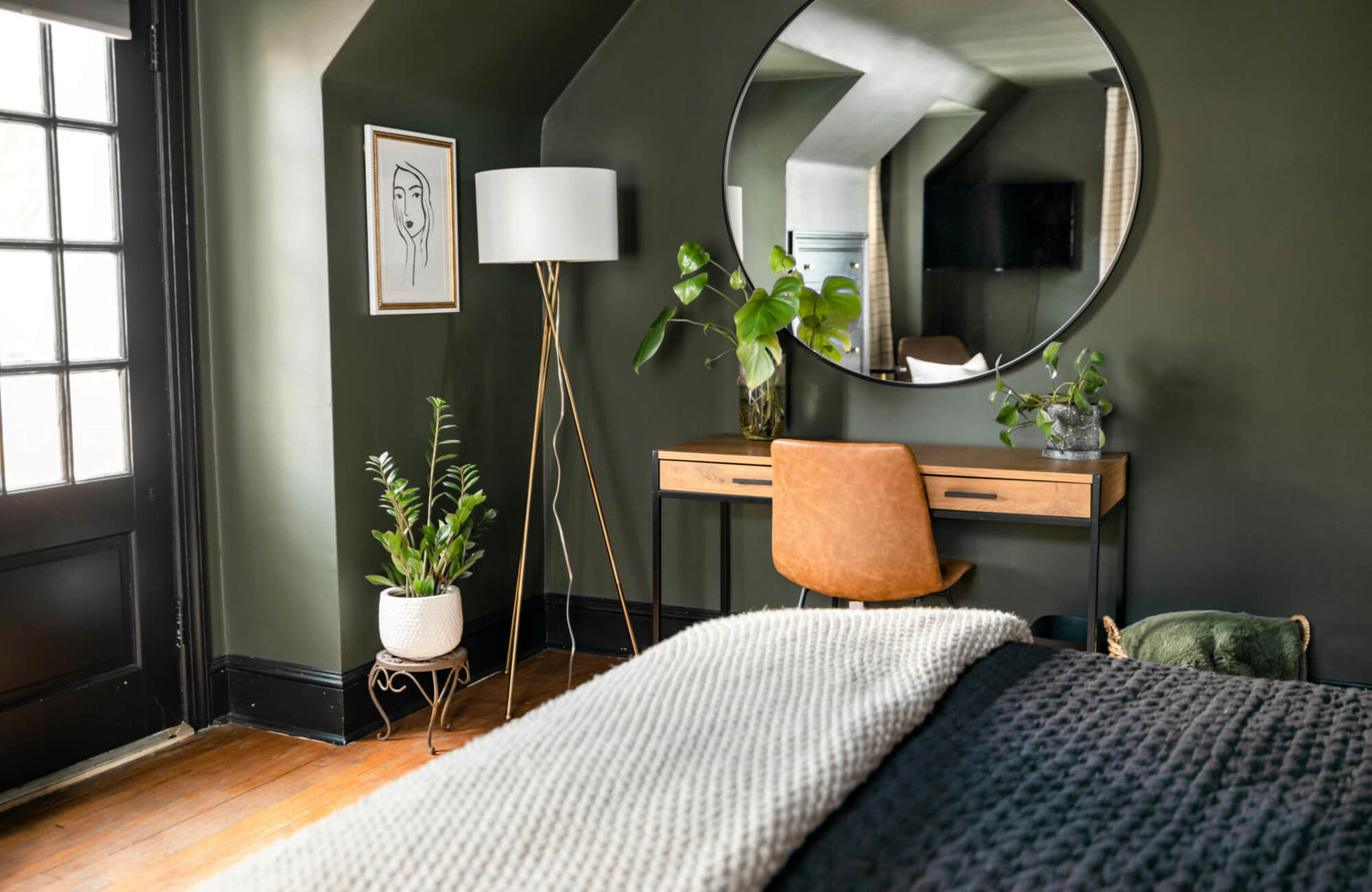
Mirrors do more than serve a practical purpose; they also shape the atmosphere of a room. The frame, placement, and shape of a mirror can subtly influence the mood and highlight specific areas. A mirror with a soft, rounded frame adds a sense of calm and warmth, making it perfect for bedrooms or relaxed living spaces. On the other hand, a sleek geometric design creates a bold, modern statement in entryways or dining areas. When positioned near artwork or architectural details, mirrors can further enhance visual interest and help express the room’s unique personality.

Choosing the Right Size and Shape for Each Room
The size and shape of a mirror have a powerful impact on how a room looks and feels. Choosing the right proportions ensures the mirror enhances your space instead of overpowering it. It’s all about creating balance, not only in appearance but also in how the mirror fits within the room’s overall layout and scale.
Scaling to Room Proportions
When selecting a mirror, it’s equally important to consider both the wall space and the furniture around it. As a general guideline, a mirror should be roughly two-thirds the width of the piece it hangs above. A mirror that’s too small can appear insignificant, while one that’s too large may overwhelm the space. In rooms with tall ceilings, vertical mirrors can draw the eye upward and highlight the height; in wider rooms, horizontal designs can help extend the visual flow. Before hanging your mirror, take a moment to step back and ensure the proportions feel balanced and natural from every angle.
Exploring Shapes and Their Effects
The shape of a mirror can quietly influence the overall feel of a room. To create softness and warmth, round mirrors help ease sharp lines and bring a relaxed, inviting atmosphere, which is ideal for bedrooms, entryways, or minimalist interiors. In contrast, rectangular mirrors introduce structure and symmetry, making them a timeless choice above mantels, consoles, or sideboards. If you prefer something in between, oval mirrors offer a graceful balance, adding elegance without feeling overly formal.
For those who want to make a bold impression, irregular or abstract shapes can transform a simple wall into a captivating focal point. Edward Martin’s Shirley Large Mirror in Antique Brass Iron, as shown in the photo above, beautifully demonstrates how an asymmetrical silhouette can soften the clean geometry of a tiled wall while adding a touch of artistry. This kind of design not only enhances visual depth but also gives the room a distinct personality and modern sophistication.
Custom and Oversized Designs
If you want to make a strong design statement, oversized or custom-cut mirrors can completely transform a room. A full-length mirror in a hallway or dressing area not only adds function but also makes the space feel larger and more open. In dining rooms, expansive mirrored panels can amplify light and reflections, creating a lively, elegant atmosphere. Custom mirrors, meanwhile, give you the freedom to tailor proportions precisely, making them a perfect fit for unique layouts or walls with distinctive shapes.

Matching Mirror Styles with Room Aesthetics
A mirror’s frame and finish should do more than simply look attractive; they should also complement the overall style of your space. The right design can blend effortlessly with your existing décor or serve as a striking focal point that adds character and depth to the room.
Coordinating with Materials and Finishes
The most effective mirrors complement the materials and textures already present in your space. A wooden frame brings a sense of warmth and pairs beautifully with natural elements such as linen or jute. Metal frames, particularly in black, brass, or chrome, can add a sleek, modern touch or an industrial flair, depending on the finish. For a more relaxed and airy look, rattan or woven frames suit neutral or coastal interiors perfectly.
Edward Martin’s Clancy Small Mirror in Antique Brass, as shown in the photo above, demonstrates how a brass frame can seamlessly tie together surrounding fixtures and finishes. Its warm metallic tone echoes the light fittings and faucet details, creating a cohesive and elegant look. Subtle coordination like this enhances depth and sophistication without feeling overly matched, resulting in a room with a balanced, polished finish.
Adapting to Design Styles
Every décor style calls for a slightly different approach when selecting mirrors. In contemporary spaces, sleek shapes and frameless designs can create a clean, streamlined look that keeps the overall design simple and refined. In contrast, traditional interiors shine with ornate or carved frames that add texture, character, and a touch of history. For a more modern or minimalist setting, such as bathrooms or bedrooms, slim metal frames in black or gold can keep the design understated yet distinctive. Meanwhile, transitional spaces that mix classic and modern elements work best with mirrors that achieve a balanced, harmonious look. Gently curved shapes paired with subtle metallic finishes can further create a look that feels both timeless and refined.
Using Mirrors as Decorative Statements
At times, a mirror does more than complement the décor; it further becomes a central design feature. Artistic designs, tinted glass, or mirrored mosaics can serve as functional mirrors while adding the visual appeal of wall art. Asymmetrical or sculptural mirrors are especially striking in living rooms and hallways, where they naturally draw the eye and add visual intrigue. The key is to treat the mirror as part of the overall design story, not just an accessory, so it enhances both the style and atmosphere of the space.

Placement and Positioning for Maximum Impact
Even the most stunning mirror can lose its charm if it’s not positioned thoughtfully. Placement plays an equally important role in how a mirror interacts with light, movement, and the surrounding décor. When placed strategically, a mirror not only serves its practical purpose but also enhances the overall flow and visual appeal of your space.
Reflecting Natural Light and Views
Mirrors work best when they reflect something beautiful, whether it’s sunlight, greenery, or a striking architectural feature. Positioning a mirror opposite a window allows it to capture outdoor views and spread natural light throughout the room. In spaces with limited daylight, placing a mirror near a lamp helps distribute a soft, welcoming glow that brightens the space.
Edward Martin’s Esmeralda Wide Mirror in Polished Brass, as shown in the photo above, perfectly demonstrates how thoughtful placement can elevate a room’s atmosphere. Positioned to catch natural light from the nearby window, the mirror reflects both brightness and surrounding details, creating a sense of openness and warmth. This approach highlights how a well-placed mirror can beautifully connect interior design with the surrounding light and scenery.
Height and Alignment
Proper placement is key to making a mirror feel intentional and well-integrated into a space. In living rooms and hallways, the center of the mirror should sit around eye level, typically 57 to 60 inches from the floor. When hanging a mirror above a vanity or console table, leave a few inches of space between the two for a balanced, visually pleasing look. For full-length mirrors, make sure you can see your entire reflection comfortably without needing to adjust the angle. These small details can also bring a sense of harmony and flow that elevates the room’s overall design.
Creating Groupings and Layered Reflections
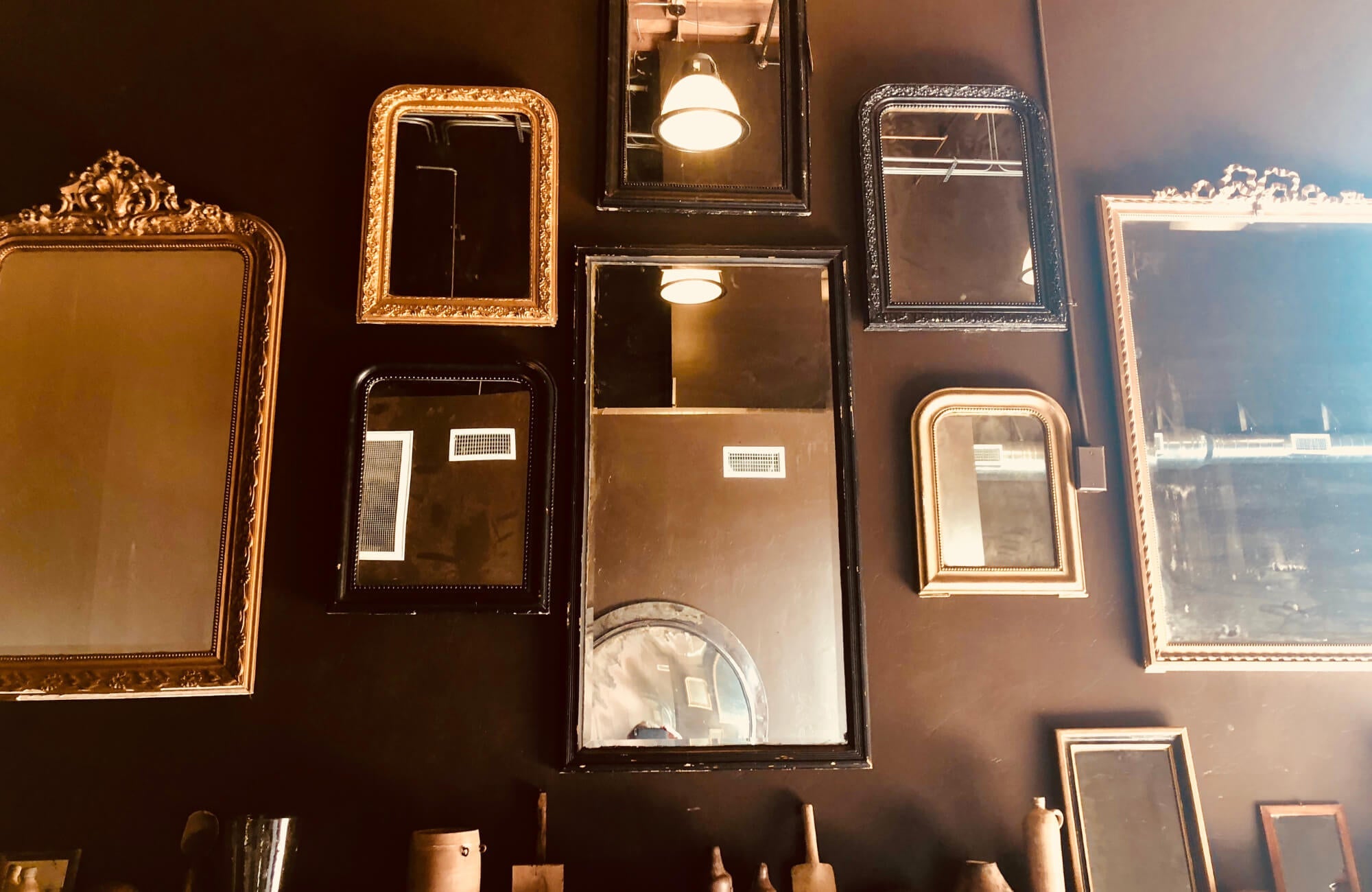
Incorporating more than one mirror can bring depth and character to a space. Pairing mirrors behind bedside lamps adds a pleasing sense of rhythm, while arranging mirrors of different shapes and sizes in a gallery-style display introduces artistry and visual interest. You can also layer mirrors with wall sconces or artwork to create subtle reflections and texture, enhancing the room’s overall dimension. When arranged with care, multiple mirrors feel dynamic and balanced rather than overwhelming.

Room-by-Room Mirror Selection Guide
Each room in your home has its own purpose and personality, so the mirror you choose should reflect that, both in style and function. Here’s how to select the right mirror for every space to achieve the best balance of beauty and practicality.
Living Room
In living rooms, mirrors often serve as striking focal points that anchor the space. A large wall mirror placed above a fireplace or behind a seating area can make the room feel brighter, more open, and effortlessly elegant. When positioned to reflect artwork, greenery, or architectural details, a mirror adds depth and enriches the room’s visual story.
Edward Martin’s Raelynn Mantel Mirror in Polished Brass, as shown in the photo above, perfectly illustrates how a mirror can elevate a living space. Its curved, organic shape softens the straight architectural lines of the fireplace and ceiling beams, while the polished brass frame introduces warmth and sophistication. By reflecting light and natural textures throughout the room, the mirror enhances the sense of balance and creates a welcoming, cohesive atmosphere.
Bedroom
Bedrooms require mirrors that balance practicality with a sense of calm. A full-length mirror placed near a wardrobe or dressing area makes daily routines more convenient, while a smaller mirror above a dresser adds both function and charm. Opt for frames and shapes that promote relaxation, like rounded edges, soft tones, or subtly textured finishes. The aim is to create a restful space that feels personal, polished, and effortlessly relaxing.
Bathroom
Bathrooms need mirrors that can handle humidity while providing a clear, flattering reflection. Frameless styles can create a sleek, modern look, while framed mirrors can add warmth and character to tiled spaces. Lighting plays a key role; pair your mirror with wall sconces or soft LED backlighting to reduce harsh shadows and enhance visibility. In smaller bathrooms, mirrored cabinets are another smart solution, combining storage and style in one seamless design.
Entryway and Hallway
In entryways and hallways, mirrors can serve a decorative and practical purpose. A tall, narrow mirror can make a hallway appear longer and more spacious, while an oversized mirror near the entry creates a warm, welcoming first impression. Place mirrors where they can catch light from nearby doors or lamps to naturally brighten these often-overlooked spaces. Even a single, well-placed mirror can also make the space feel noticeably larger and more inviting.
Dining Area and Kitchen
In dining areas, mirrors can beautifully enhance the atmosphere by amplifying both light and ambiance. Placing a mirror where it reflects pendant lights or candlelight adds a soft, welcoming glow that enhances the atmosphere during meals. In kitchens, however, placement matters more; avoid reflecting cluttered countertops or appliances. Instead, use mirrors to highlight open shelving, decorative details, or natural light to make the space feel brighter and more refined.

Practical Considerations and Maintenance Tips
A mirror’s beauty relies on more than just its design; its quality, installation, and care all play a part in how well it stands the test of time. By understanding these practical details, you can keep your mirrors looking as stunning and flawless as the day they were first hung.
Quality and Durability Factors
A mirror’s quality begins with how it’s made. Mirrors with thicker glass and sturdy backing are less likely to warp or suffer moisture damage over time. In bathrooms or other humid spaces, use mirrors labeled as moisture-resistant or those sealed with protective coatings for extra durability. For homes with children, safety or tempered glass is another smart choice, as it’s designed to minimize the risk of injury if accidentally broken.
Installation and Safety
Proper installation is essential to keep your mirrors secure and looking their best. Always use wall anchors suited to your wall type, and ensure the hooks or brackets can safely support the mirror’s weight. In humid areas, avoid spots where condensation tends to build up, as it can damage the backing over time. For oversized or particularly heavy mirrors, it’s worth hiring a professional installer to ensure perfect alignment and long-term stability.
Cleaning and Upkeep
Keeping your mirrors clean not only maintains their shine but also enhances the clarity of your reflection. Use a soft, lint-free cloth with a gentle solution to remove smudges without leaving streaks. Wipe in light, circular motions and dry the surface immediately to prevent spotting. It’s also a good idea to check the frame and backing regularly for signs of wear, such as peeling or corrosion, to maintain your mirror's pristine look over time.
Choosing the Perfect Mirror for Every Room
Selecting the right mirror is both a creative and thoughtful design choice. When you consider how size, style, and placement work together, a mirror becomes more than just a reflective surface; it becomes an essential part of your home’s character. Each room offers an opportunity to use mirrors in a way that enhances light, balance, and atmosphere. Whether you’re brightening an entryway, elevating a bathroom, or adding depth to a living space, the right mirror can transform the look and feel of your home every day.
If you’re unsure where to start or need expert guidance on choosing the ideal mirror for your space, contact us today. Our design team can help you explore personalized options and create a look that perfectly complements your home’s style.