Decorative pillows may seem like small details, yet they play a powerful role in shaping the comfort and character of your space. At first glance, they offer an easy way to introduce color, texture, and personality. However, as time passes, these everyday accents begin to change in ways that are not always immediately visible. From subtle shifts in shape to hidden buildup within the fabric, their condition gradually affects not only how your room looks but also how it feels.
Because of this, knowing when to replace decorative pillows becomes an important part of maintaining a well-balanced space. It is not simply about keeping up appearances. Rather, it is about preserving comfort, supporting a healthier environment, and ensuring your decor continues to reflect your evolving style. By understanding the signs of wear and the factors that influence their lifespan, you can make more thoughtful decisions that keep your space feeling fresh and intentional.

Physical Degradation and the Structural Integrity Test
Even the most visually appealing pillow will eventually lose its functionality. With regular use, the filling compresses, the shape weakens, and what once looked plush and supportive starts to feel flat and lifeless.
Identifying Fill Collapse
The way your pillow breaks down is closely tied to what’s inside it, and over time, those materials simply stop performing the way they should. Polyester inserts tend to clump together, creating uneven lumps that you can feel and see through the fabric. On the other hand, down and feather fillings gradually lose their loft, becoming dense and unresponsive, which makes the pillow feel heavier and far less comfortable.
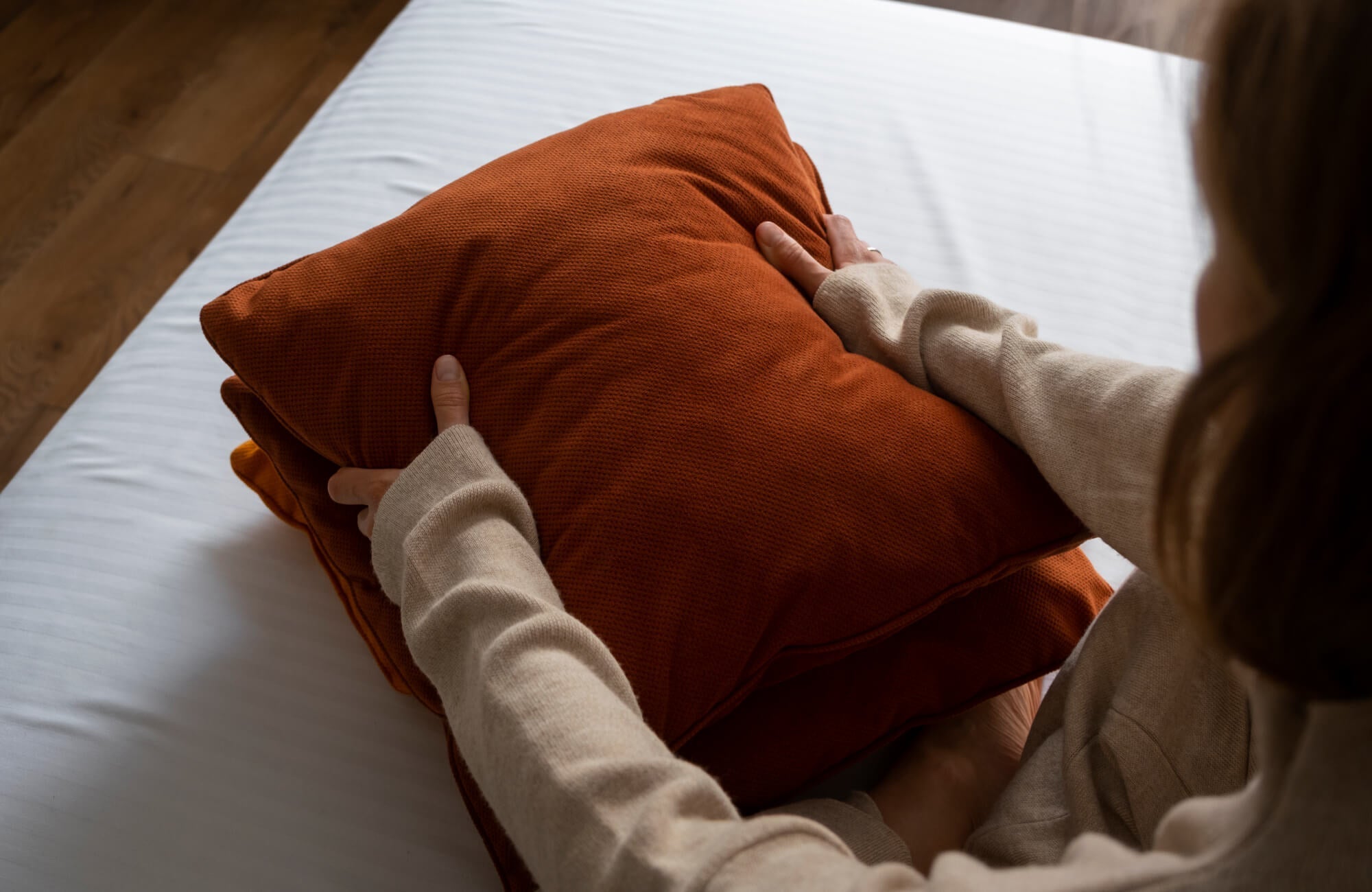
To understand whether your pillow has reached this point, you can try a simple fold test. Gently fold the pillow in half and hold it in place for a few moments before letting go. If it quickly springs back into shape, it still has some life left. However, if it stays folded or slowly struggles to regain its form, that’s a clear sign the internal structure has broken down. At that stage, the pillow is no longer providing the support or visual fullness it once did.
The Impact of Fabric Friction
Although the inside of the pillow may degrade quietly, the outer fabric often tells the story much more visibly. With everyday use, especially on sofas or busy seating areas, friction gradually wears down the material. You may start to notice pilling forming on the surface, colors fading unevenly, or the fabric losing its smooth, polished look.
As this wear progresses, the integrity of the pillow begins to decline. Seams can loosen, stitching may weaken, and zippers might not function as smoothly as before. Even if the insert still has some structure left, the worn exterior can make the entire pillow look tired and outdated. When both the feel and appearance start to diminish, replacing the pillow becomes less of a choice and more of a necessary refresh for your space.

The Invisible Microbiome of Soft Furnishings
Although decorative pillows may appear clean at a glance, they quietly accumulate dust, allergens, and bacteria over time. Because they are not washed as frequently as bedding, these particles build up within the fibers and can impact both cleanliness and comfort.
Accumulation of Household Allergens
As your pillows sit on sofas, chairs, or beds, they continuously collect microscopic debris from the surrounding environment. Dust mites settle into the fibers, feeding on dead skin cells, while pet dander, pollen, and even mold spores become trapped within the material. Since many decorative pillow covers are delicate or not designed for frequent washing, these allergens are rarely removed completely, allowing them to build up gradually.
Over time, this accumulation can begin to affect the air quality in your space, especially if the pillows are used daily. You might not notice it immediately, but subtle symptoms like sneezing, congestion, or general discomfort can be linked to these hidden irritants. This makes regular cleaning—or timely replacement—an important step in maintaining a healthier indoor environment.
Skin Health and Surface Bacteria
Whenever your skin comes into contact with a pillow, it transfers natural oils, sweat, and bacteria onto the fabric. Gradually, this creates a surface where microorganisms can thrive, especially if the pillow is used for lounging or as a headrest. Even if the pillow looks clean, this invisible layer can build up and affect your skin over time.
As a result, prolonged use without proper cleaning can contribute to irritation or breakouts, particularly for more sensitive skin types. If you frequently rest your head or face on decorative pillows, it becomes even more important to keep them clean or replace them regularly. Doing so not only preserves hygiene but also helps you maintain a more comfortable and skin-friendly living space.

Aesthetic Value and Timeless Appeal
Decorative pillows do more than add comfort—they shape the overall look and feel of your space. Even when they’re still in good condition, outdated styles can subtly make a room feel less cohesive or current.
Moving Beyond Micro-Trends
Design trends, especially those driven by social media, tend to move quickly, which means what once felt fresh can start to feel overused before you realize it. You might notice that bold patterns or highly specific color combinations no longer blend as effortlessly with your space as they once did. This shift often happens gradually, making it easy to overlook until the room begins to feel visually cluttered or slightly dated.
Instead of holding onto pieces that no longer resonate, transitioning to more timeless textures and balanced patterns can instantly elevate your space. Fabrics with subtle depth, such as woven materials or soft neutrals, tend to age more gracefully and adapt better as your style evolves. This approach allows your decor to feel intentional rather than trend-dependent, creating a more enduring and polished aesthetic.
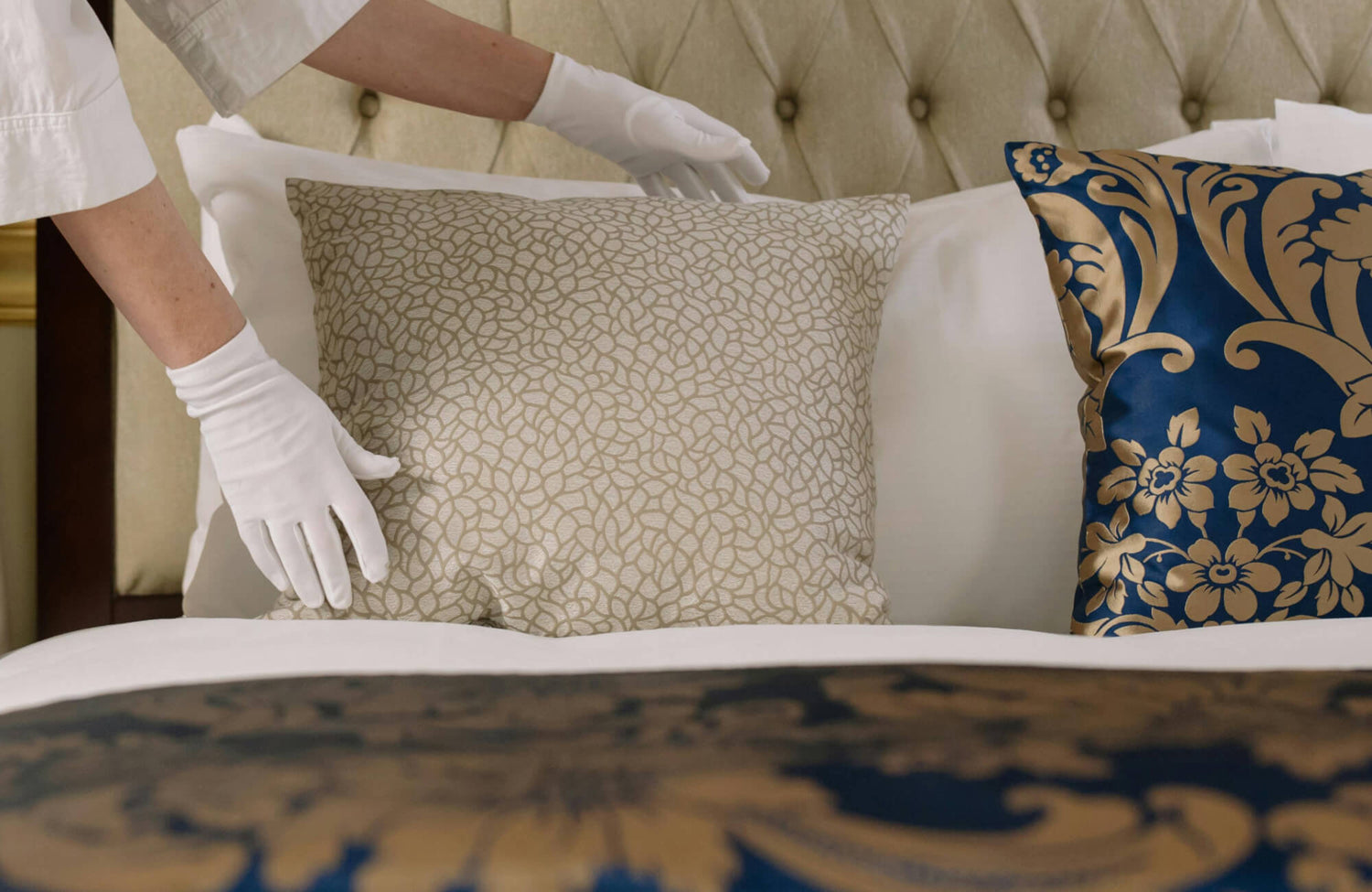
A great example of this approach is the Brielle 18'' x 18'' Down Pillow in Natural / Mustard, which brings together timeless texture and a warm, versatile color palette. Its soft woven fabric and subtle tonal variation allow it to blend seamlessly into a variety of interiors without feeling tied to a specific trend. The beige linen base paired with yellow cotton flange adds just enough depth and interest, making it easy to layer with other pillows while maintaining a cohesive and elevated look. In a setting like the one shown above, it contributes to a balanced arrangement that feels both inviting and enduring, rather than overly styled or trend-driven.
Proportional Harmony in Evolving Spaces
As your furniture changes over time, your pillows should evolve alongside it to maintain visual balance. A pillow that once looked perfectly proportioned on a smaller sofa may appear undersized on a deeper or more expansive sectional. This mismatch can make the entire arrangement feel slightly off, even if everything else in the room is well-designed.
When you adjust the size and volume of your pillows to match your furniture, the space immediately feels more cohesive and thoughtfully arranged. Larger or fuller cushions can anchor bigger seating areas, while smaller ones work better in more compact settings. By paying attention to proportion, you ensure that your pillows continue to complement your space rather than quietly detract from it.
A great way to achieve this balance is by incorporating pieces like the Merelle 22" x 22" Down Pillow in Ivory, which offers a fuller, more substantial presence suited for larger seating areas. Its generous size helps anchor deeper sofas or window seats, while the off-white tone keeps the overall look light and adaptable. The plush down fill also enhances volume and comfort, ensuring the pillow maintains its shape while contributing to a more layered and intentional arrangement. It works seamlessly with smaller pillows to create a well-proportioned composition that feels both inviting and visually balanced.

Environmental Factors and Material Breakdown
Environmental conditions inside your space can gradually wear down decorative pillows, even if they’re rarely used. Factors like sunlight and humidity work subtly but consistently, affecting both the fabric and the internal fill over time.
UV Damage and Pigment Fading
When your pillows are exposed to sunlight, even indirectly, the fabric begins to break down at a molecular level. At first, you may only notice slight fading or a loss of vibrancy, particularly on the side that faces the light. However, as exposure continues, the material can become increasingly dry and brittle, making it more prone to tearing or fraying with minimal use.
Over time, this kind of damage becomes difficult to ignore, especially when the color appears uneven or washed out compared to the rest of your decor. Even if the pillow still feels structurally intact, the visual inconsistency can disrupt the overall look of your space. Once fading and fragility set in, replacing the pillow is often the best way to restore both durability and aesthetic balance.
Moisture Retention and Mildew Risks
Humidity introduces a different kind of challenge, as pillows tend to absorb moisture from the surrounding air. This is especially common in areas with limited ventilation or near windows where condensation can occur. As moisture settles into the fabric and filling, it creates an environment where mildew and mold can begin to develop internally.
The first noticeable sign is usually a persistent musty odor that doesn’t go away, even after airing out the pillow. At that point, the issue is no longer just surface-level, and cleaning may not fully resolve it. Because moisture-related damage affects both hygiene and material integrity, replacing the pillow becomes the safest and most effective way to maintain a clean and comfortable living space.

Strategic Rotation for Longevity Extension
Extending the life of your decorative pillows comes down to how intentionally you use and maintain them. Instead of leaving them in one place year-round, a simple rotation strategy can help preserve both their structure and appearance.
Seasonal Swapping Protocols
Rotating your pillows with the seasons not only refreshes your space but also reduces the wear each set experiences. During warmer months, lighter fabrics like linen or cotton feel more breathable and visually airy, while heavier textures such as velvet or knit bring warmth and depth during colder seasons. This natural shift keeps your decor aligned with the time of year while giving unused pillows a chance to rest.
At the same time, proper storage plays a key role in maintaining their condition. When you store pillows in breathable fabric bags instead of sealed plastic containers, you help preserve their shape and prevent stale odors from developing. This way, when you reintroduce them into your space, they feel just as fresh and full as when you packed them away.
Component Replacement vs Full Disposal
Rather than replacing an entire pillow at the first sign of wear, it often makes more sense to focus on the individual components. Over time, inserts tend to lose their support, even if the outer cover still looks presentable. Swapping in a new insert can instantly restore the pillow’s shape and comfort without the need for a full replacement.
On the other hand, covers are more likely to show visual wear or fall out of style. Updating them allows you to refresh your space without discarding a perfectly usable insert. By separating function from aesthetics in this way, you create a more flexible and cost-effective system that also reduces unnecessary waste, making your decor choices feel both practical and intentional.

Sustainable Disposal and Responsible Upcycling
When your decorative pillows reach the end of their lifespan, how you dispose of them matters just as much as how you used them. Since many pillows are made from mixed materials, taking a more thoughtful approach can help reduce unnecessary environmental impact.
Textile Recycling and Fiber Reclamation
Even when a pillow is no longer usable in your space, parts of it may still have value through proper recycling channels. Natural fabric covers, such as cotton or linen, along with synthetic inserts like polyester, can often be processed through specialized textile recycling programs. These facilities are designed to break down materials and repurpose them into new products, keeping them out of landfills.
Finding the right recycling option may take a bit of effort, but it allows you to extend the lifecycle of the materials in a meaningful way. Instead of contributing to long-term waste, you’re helping transform discarded items into reusable resources. This small shift in how you handle old pillows can make a noticeable difference over time.
Repurposing for Pet Comfort or Insulation
Before you decide to recycle or discard a pillow, it’s worth considering how it can still be useful around your space. Even if the pillow has lost its shape or visual appeal, the filling often retains enough softness to serve other purposes. For instance, you can repurpose it as cushioning for pet beds, giving it a second life in a way that still provides comfort.
In addition, old pillows can be used as protective padding when storing fragile items or during a move. They can also help block drafts in colder months by filling small gaps near windows or doors. By reusing them in these practical ways, you not only reduce waste but also get the most value out of something you already own.
When to Refresh Your Decorative Pillows
Refreshing your decorative pillows ultimately comes down to recognizing when they no longer support your space in terms of comfort, cleanliness, or style. As wear, environmental factors, and changing design preferences take their toll, replacing or updating them every one to four years helps maintain both visual harmony and everyday comfort. By staying attentive to these changes and making timely adjustments, you ensure that your pillows continue to enhance your area rather than detract from it, creating a space that feels consistently inviting, functional, and thoughtfully curated.
To make that transition even easier, having access to expert guidance can help you choose replacements that truly suit your space and lifestyle. Whether you’re updating textures, refining your color palette, or selecting new pieces that better align with your current design, reaching out allows you to receive personalized recommendations and thoughtful support from Edward Martin. With the right insight, refreshing your decorative pillows becomes a more intentional process, helping you achieve a cohesive look that feels both elevated and effortlessly put together.