
)
)
)
)
)
)
)
)
How Much Does Pool Tiling Cost?
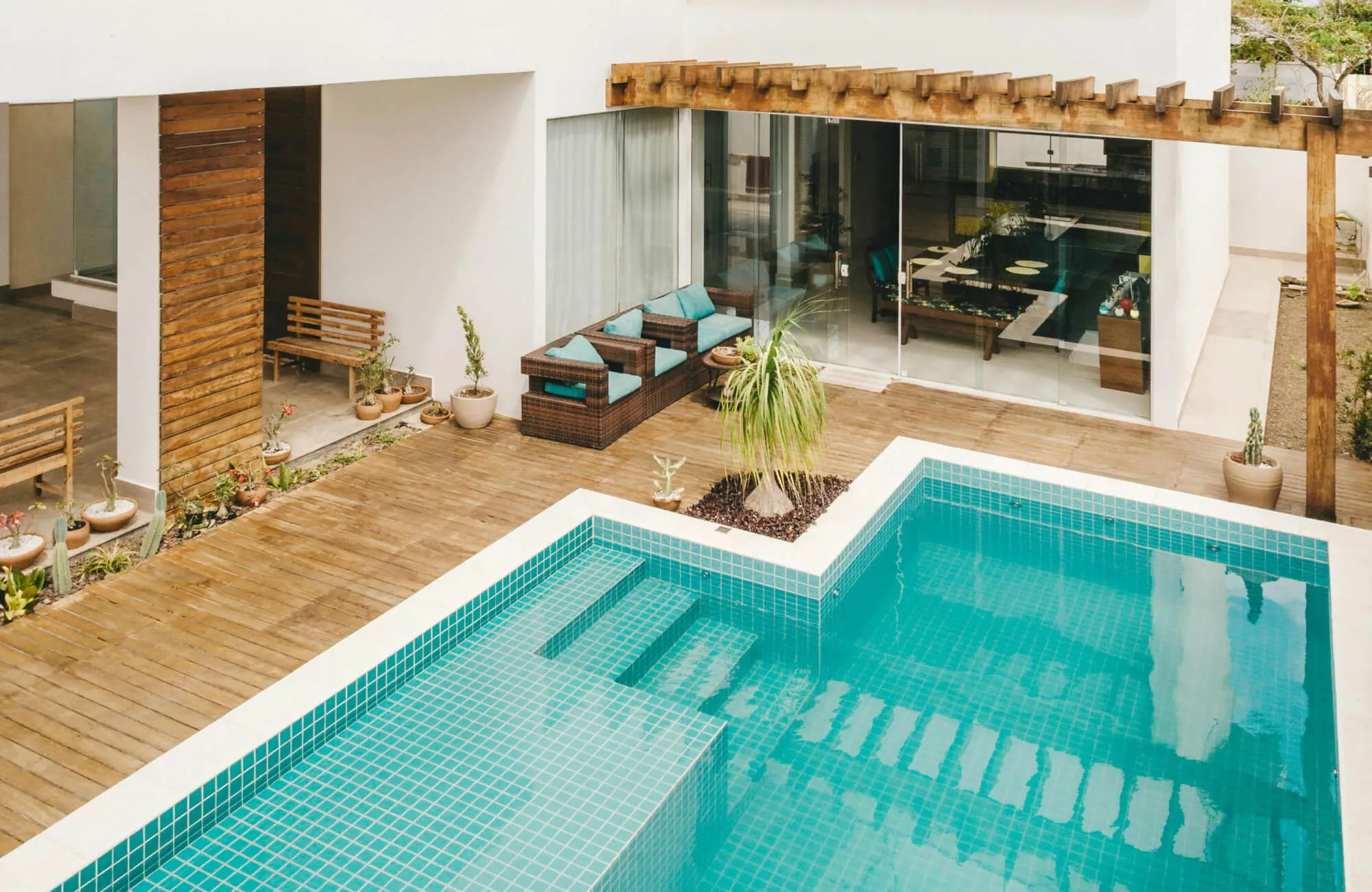
A swimming pool lined with carefully chosen pool tile is more than a place to swim—it becomes a statement of style, durability, and refinement. The right tile not only elevates the design but also safeguards the structure, ensuring years of beauty and reliable performance. From shimmering glass mosaics to timeless natural stone and versatile porcelain finishes, every material offers a unique balance of cost, maintenance, and aesthetic appeal. Yet, achieving this harmony requires understanding how materials, installation, preparation, and even regional market conditions all influence the final pool tiling cost. By exploring these factors in detail, you can invest with confidence, creating a pool that reflects both their personal vision and long-term value.
Material Selection and Tile Cost
The material selected for pool tile influences not only the initial cost but also the long-term value and maintenance requirements. Each type, from ceramic to glass mosaics and natural stone, offers a distinctive balance of performance, style, and durability.
Ceramic and Porcelain Pool Tile
Ceramic and porcelain pool tile remain a staple choice because they combine affordability with reliable performance, typically ranging between $4 and $15 per square foot. In addition, their dense, low-porosity surface helps resist water absorption and chemical wear, ensuring they perform well under constant exposure.
With advances in digital printing, porcelain can now mimic the look of natural wood or stone, providing high-end aesthetics without the ongoing upkeep. The addition of matte or textured finishes further enhances safety by reducing slip risks in wet areas. Their wide color palette and design versatility also make them suitable for both contemporary and traditional poolscapes.
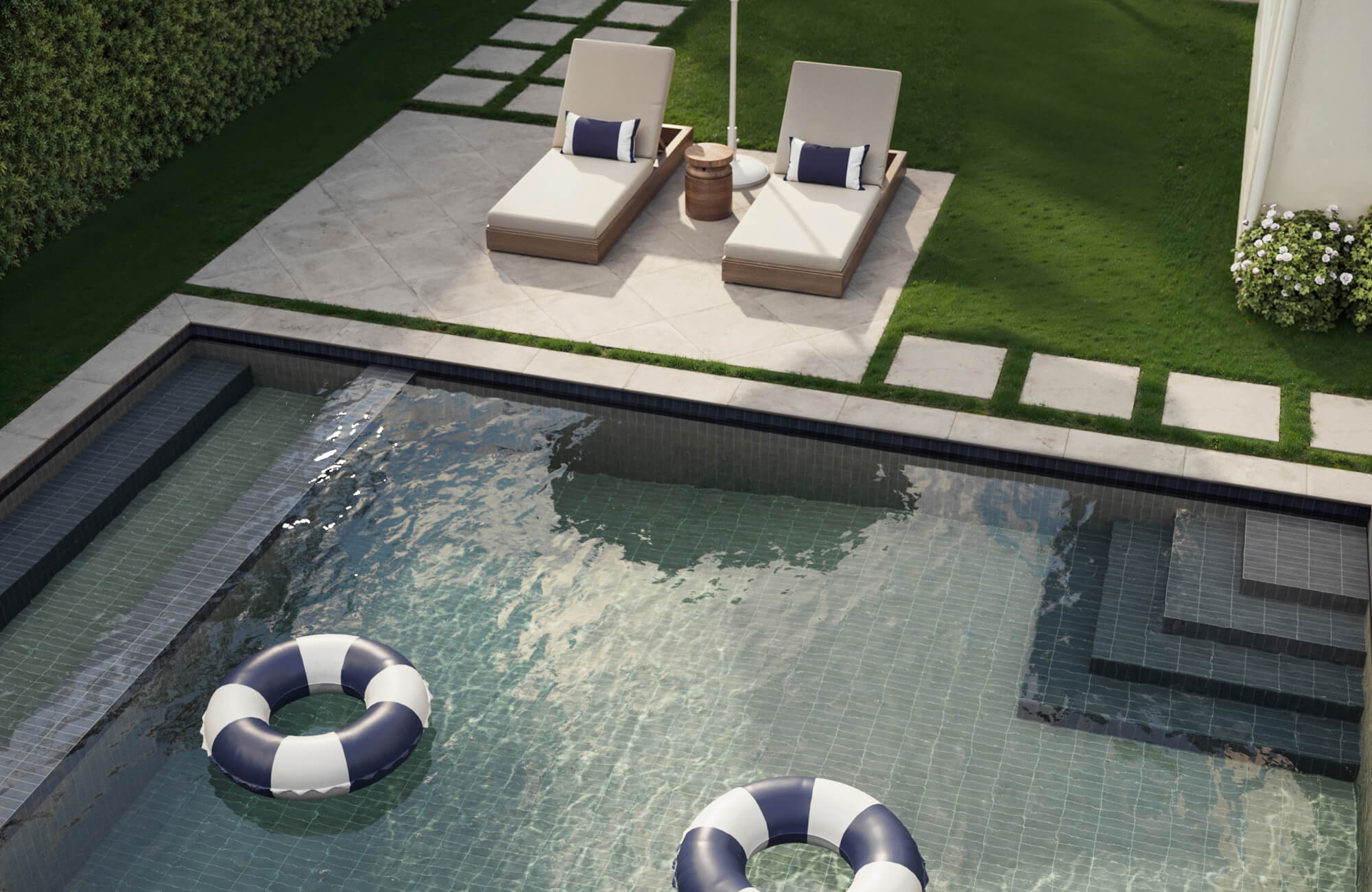
A perfect example of this versatility, as displayed in the picture above, is Edward Martin’s Natasha 2x6 Glossy Porcelain Tile in Amber Grey, which blends subtle gray tones with a sleek, glossy finish for a modern yet timeless look. Its refined style demonstrates how porcelain can achieve elegance while maintaining the durability and low-maintenance benefits that make this material a consistently popular option. Altogether, ceramic and porcelain offer an accessible balance of cost, durability, and design flexibility, making them a consistently popular option.
Glass Mosaic Pool Tile
Glass mosaic pool tile, often priced at $20 to $50 per square foot, delivers unmatched vibrancy and brilliance that elevates pools into luxury statements. Because glass is non-porous, it resists staining, algae buildup, and fading, making it exceptionally low-maintenance. The way light refracts through each piece also creates a shimmering, dynamic effect that enhances the pool’s appearance throughout the day. To preserve this clarity, contractors frequently use translucent or white thin-set mortar, which ensures that light passes evenly behind the tiles. Moreover, installing glass requires meticulous craftsmanship, as even slight misalignments can disrupt the smooth reflective finish. While the cost is higher, glass mosaics reward homeowners with elegance, longevity, and a distinctive design edge, though they can be more brittle under heavy impact compared to porcelain pool tile.
Natural Stone Pool Tile
Natural stone pool tile, such as travertine, slate, or granite, offers timeless appeal and organic texture, generally costing more than $60 per square foot. Each stone tile is inherently unique, with variations in veining and tone that bring individuality to pool designs. However, stone is naturally porous, so regular sealing is essential to protect against water absorption, staining, and efflorescence. Its textured surface also provides excellent traction, which enhances safety on steps, coping, and other high-contact areas. Because stone tiles are heavy and irregular, installation demands skilled contractors to achieve alignment and lasting adhesion. For homeowners who value natural aesthetics, stone offers unmatched beauty but requires a higher investment in long-term maintenance.
Custom and Specialty Designs
Custom pool tile designs, including waterjet-cut mosaics and bespoke murals, typically exceed $75 per square foot, but they create truly distinctive poolscapes. These specialty projects allow for detailed patterns, logos, or works of art that transform a pool into a centerpiece. Fabrication also often combines materials like glass, porcelain, and stone, resulting in layered textures and striking visual contrasts. Additionally, precision waterjet and CNC cutting ensure exact pattern continuity, which demands both advanced tools and highly skilled labor. Because of the time and expertise required, installation costs rise significantly, yet the visual results are unparalleled. For those seeking exclusivity and artistry, custom mosaics represent the pinnacle of pool tile design.
Installation Labor and Techniques
The expertise and methods used during installation directly impact both the cost and longevity of pool tile. From adhesive selection to layout complexity, these details ensure a pool finish that is both beautiful and structurally sound.
Standard Installation
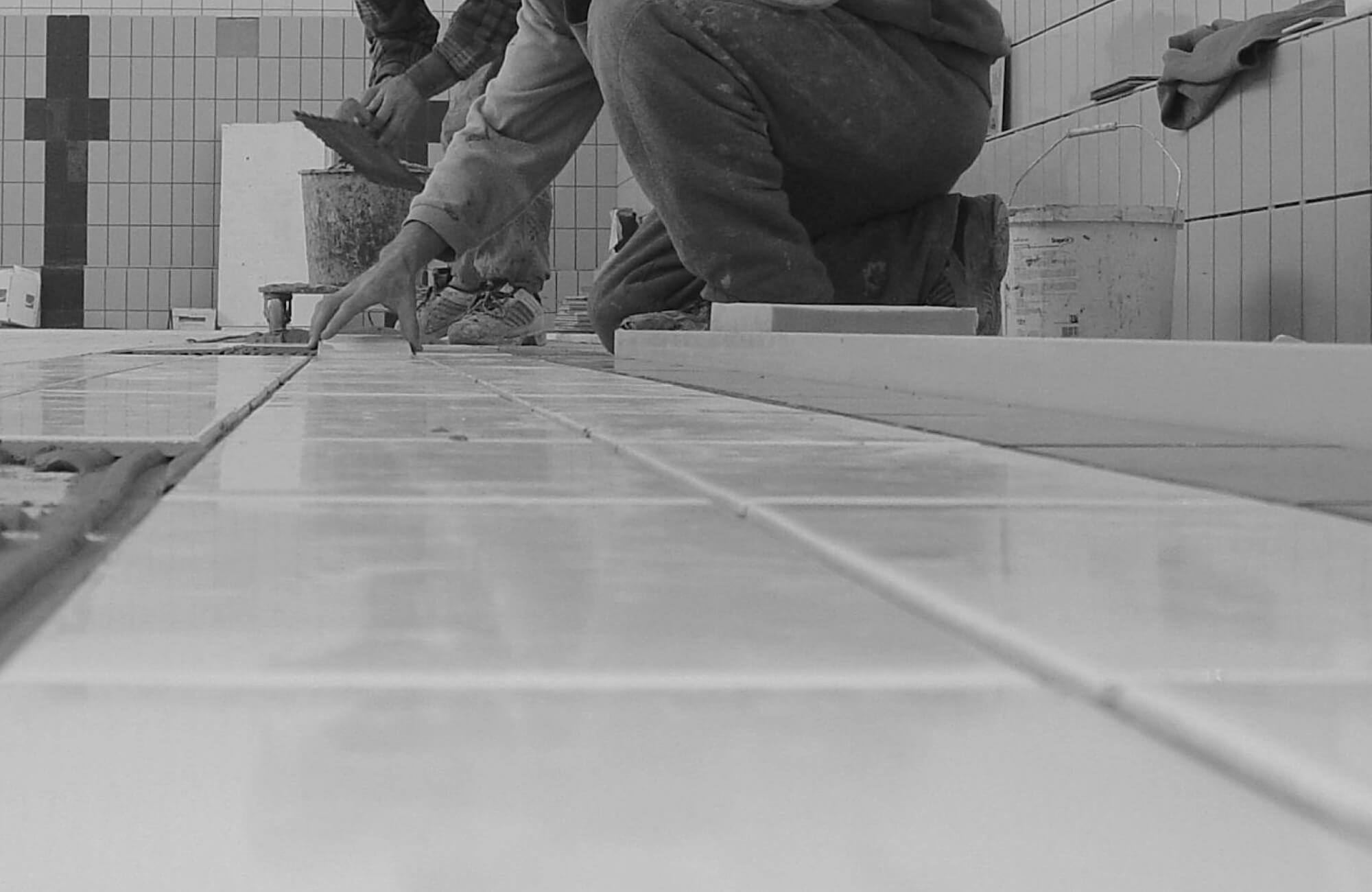
Most homeowners spend between $25 and $50 per square foot for standard professional installation, which reflects the level of care required in aquatic environments. Thin-set mortar remains the preferred adhesive, as it creates a strong, reliable bond with a manageable working time. Precision during alignment also prevents uneven surfaces that could affect both function and aesthetics. In addition, careful spacing and consistent grout application help protect against water infiltration and chemical degradation. Expansion joints are added strategically to further absorb structural movement and thermal shifts. With the right balance of technique and precision, standard installation provides a dependable and cost-effective pool tile finish.
Advanced Adhesives and Grouts
In environments exposed to saltwater or heavy chemical use, contractors often recommend epoxy adhesives and grout. This material offers superior resistance to chlorine, salt, and staining, which helps extend the life of the installation. Its non-porous surface also limits bacterial growth, contributing to both hygiene and visual longevity. However, epoxy sets quickly and is more difficult to work with, requiring skilled professionals and specialized tools. These factors increase both labor and material costs, but the durability gained offsets long-term maintenance expenses. For pools exposed to demanding conditions, epoxy systems are an investment in long-term stability and performance.
Complex Layouts and Custom Cuts
Pools that incorporate curves, patterned inlays, or detailed mosaics require significantly more labor and expertise. Precision tools such as CNC machines and waterjet cutting systems allow tiles to be shaped with exact accuracy, ensuring seamless results. Moreover, contractors carefully align custom-cut tiles to maintain design flow and prevent weak grout points. These intricate layouts also require additional grout management and strategic expansion planning to avoid cracking. Because of the time and skill involved, labor costs rise considerably with complexity. Yet, the result is a pool that stands out as a design statement rather than just a functional surface.
Preparation and Substrate Considerations
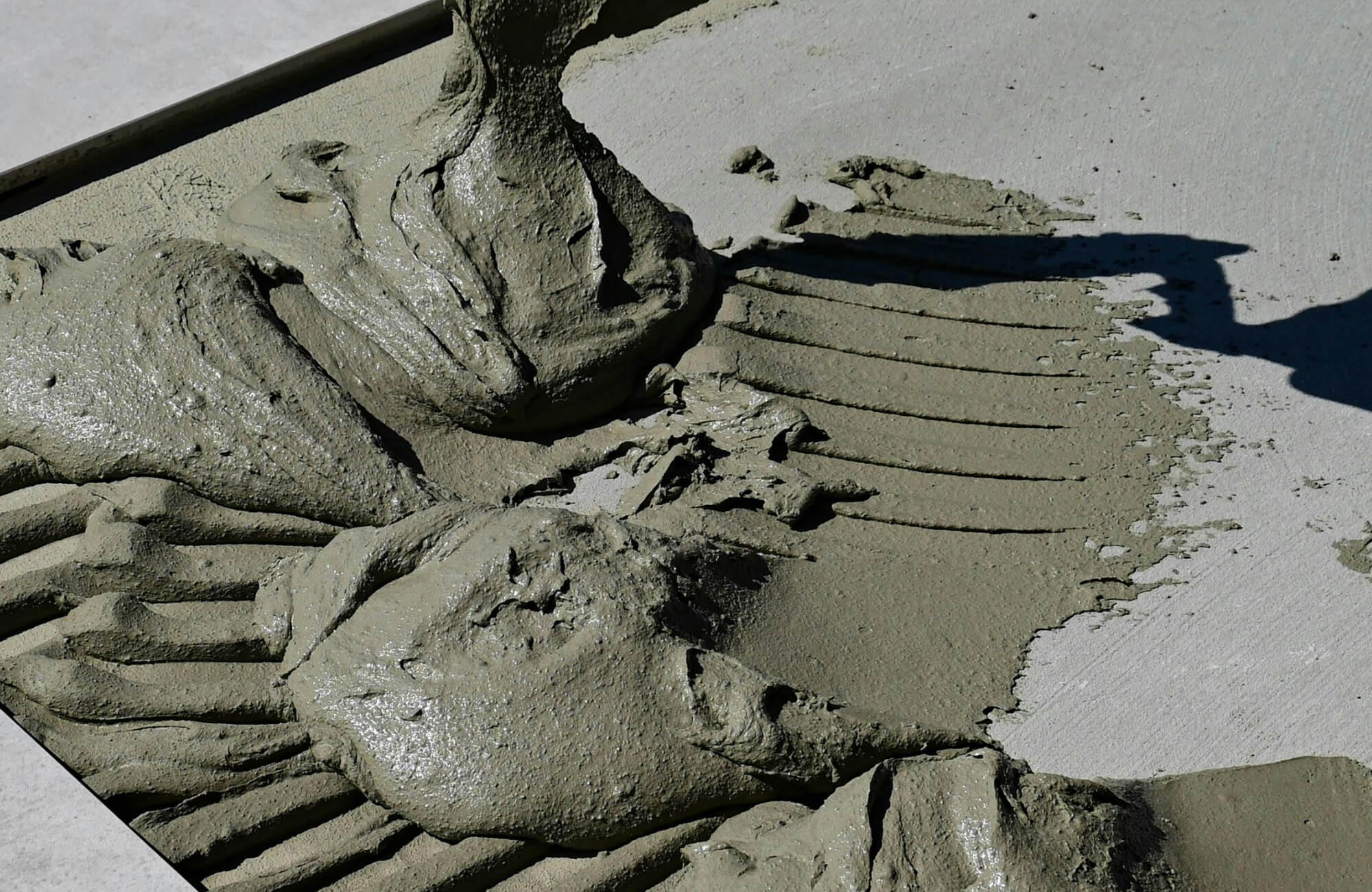
Before any pool tile can be installed, the surface must be carefully prepared to ensure stability and long-term adhesion. Demolition, structural repairs, and waterproofing measures add to costs but are essential for preventing premature failures.
Surface Demolition and Resurfacing
Removing outdated plaster or old tile, which costs around $3 to $7 per square foot, is often the first step in creating a sound substrate. Complete removal exposes a solid base, allowing new materials to bond securely. Contractors also frequently apply a cementitious leveling coat after demolition, which corrects irregularities and ensures uniform tile placement. In addition, a smooth surface minimizes lippage and promotes clean grout lines, both of which affect the final look. Ignoring this step risks adhesion issues and early tile detachment. By investing in thorough resurfacing, homeowners protect the integrity of the installation from the start.
Structural Repairs
Cracks, hollow spots, or weakened areas in the pool shell may require shotcrete or gunite reinforcement, typically costing $500 to $2,500. These repairs restore strength to the structure, preventing water leakage that could compromise tile performance. With this, contractors carefully inspect the surface to identify problem areas before tiling begins. Addressing these structural concerns early avoids costly corrective work once the tile is already in place. Reinforcement also ensures a consistent substrate, which supports even adhesion across the entire pool surface. Ultimately, these repairs are a safeguard that enhances both safety and durability.
Waterproofing and Bonding Agents
Waterproofing membranes and bonding agents are applied to stabilize the surface and improve adhesion before the tile is set. These protective layers guard against efflorescence, which occurs when mineral deposits discolor grout lines. They also help resist hydrostatic pressure that can push tiles away from the surface over time. High-quality bonding agents further strengthen the connection between the cementitious base and the tile. This combination ensures both functional performance and lasting aesthetics. Though it adds cost upfront, waterproofing is an indispensable step for pools exposed to continuous moisture and chemical treatments.
Regional Pricing Variations and Market Factors
Location and timing influence pool tiling cost as much as material or labor, with labor availability, import expenses, and seasonal demand all shaping final pricing. By recognizing these variables, homeowners can better plan when and where to invest.
Labor Market Differences
In high-demand metropolitan markets like Los Angeles, Miami, or New York, installation costs may run 20–30% higher than average. These elevated prices reflect not only contractor overhead but also intense competition for skilled labor. Smaller markets often offer more affordable rates, though homeowners may face longer waits due to limited installer availability. In regions with dense pool ownership, contractors often develop niche expertise that improves both efficiency and quality. This creates regional disparities where pricing is not purely about material cost but about market conditions. Understanding these differences helps explain why two similar projects may vary significantly in price.
Import and Distribution Costs
Many premium pool tiles, particularly glass mosaics, are imported from Italy, Spain, or Asia. Proximity to ports and distribution hubs reduces shipping costs and shortens delivery times. Conversely, inland areas face higher freight charges and potential supply delays. Import tariffs and currency fluctuations can also shift prices seasonally, adding unpredictability. Homeowners near coastal hubs often benefit from broader availability and more competitive rates. Factoring in these logistical realities ensures material budgets are calculated accurately.
Seasonal Demand Trends
Seasonal timing strongly impacts labor pricing and availability. In spring and early summer, when pool renovations peak, homeowners often pay premium rates and wait longer for project completion. By contrast, scheduling in fall or winter can secure better pricing and faster turnaround. Warmer climates may also see less variation, though contractors still experience lighter demand in cooler months. Planning ahead allows you to avoid seasonal surges and stretch budgets further. This timing strategy often saves both money and time without sacrificing quality.
Maintenance, Longevity, and Hidden Costs
The investment in pool tile continues beyond installation, as maintenance and potential repairs are essential to preserving function and beauty. Factoring in these ongoing costs ensures a realistic view of long-term ownership.
Annual Maintenance
Annual care typically costs $300 to $800, covering pH balancing, grout sealing, and professional inspections. These preventative steps protect against premature grout erosion and tile failure. Grout sealing is particularly important, as it shields against chemical wear and staining. Moreover, regular inspections allow contractors to catch small issues before they escalate into major repairs. Consistent upkeep also helps preserve the pool’s visual appeal, keeping surfaces fresh and clean. Ultimately, annual maintenance is a modest cost compared to the expense of large-scale repairs.
Material-Specific Care
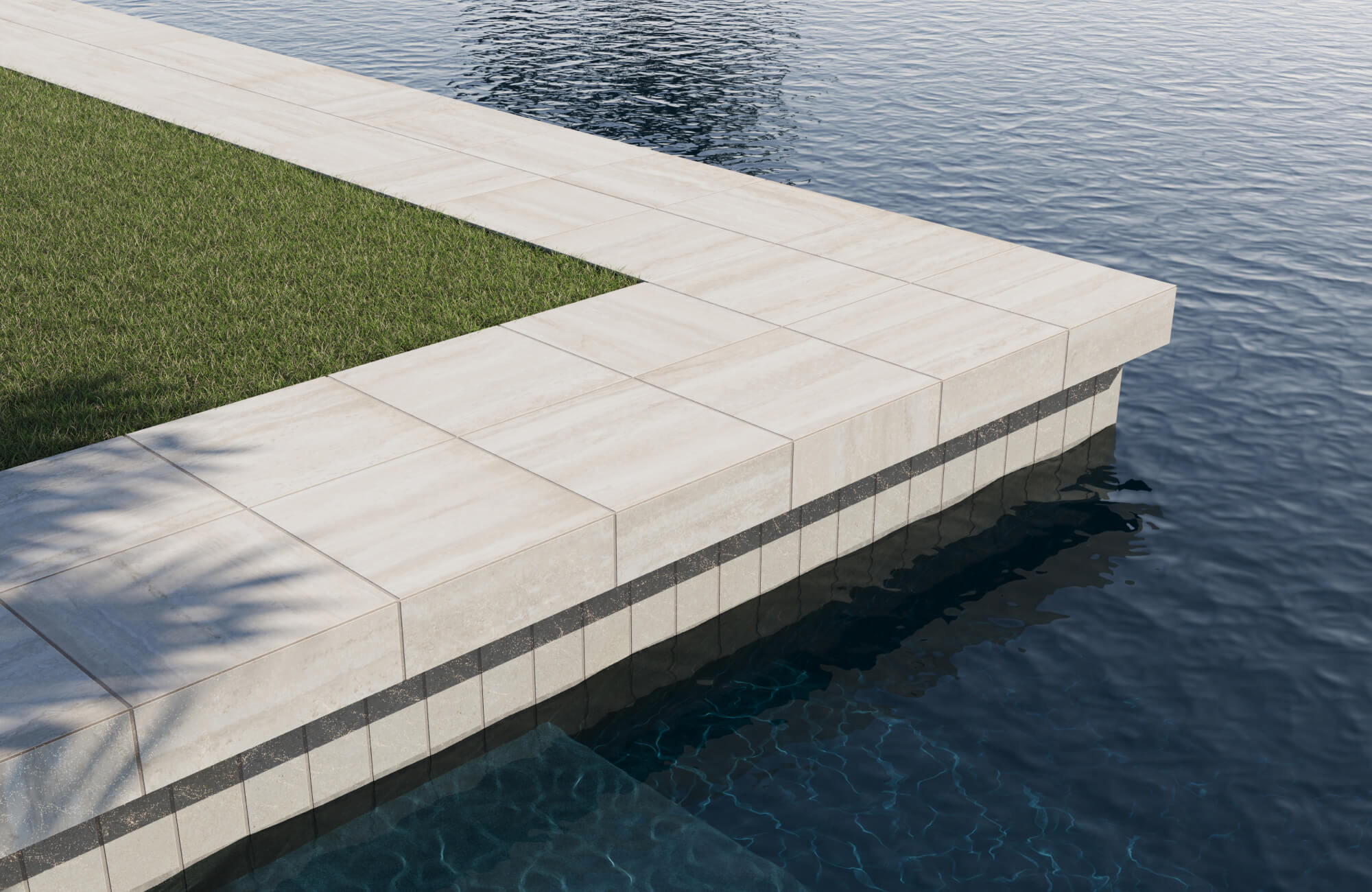
Different materials carry different care requirements that affect long-term budgets. Porcelain, like our Ramsey 12x48 Grip Porcelain 2cm Paver Tile in Putty (shown in the photo above), and glass pool tiles are low-maintenance because of their non-porous surfaces. Natural stone, by contrast, must be resealed every two to three years to prevent staining, etching, and discoloration. Skipping resealing leads to rapid deterioration and diminished aesthetics, while properly maintained, sealed stone retains its beauty and extends its lifespan. Choosing a tile material that aligns with maintenance preferences ensures the sustainability of both performance and budget.
Repair and Replacement Costs
Even with careful maintenance, repairs may eventually be necessary, ranging from $1,000 to $5,000 depending on severity. Common issues include cracked grout, efflorescence, and loosening tiles, all of which affect both safety and appearance. If large sections fail, resurfacing may be required, which significantly increases costs. To mitigate these risks, many homeowners opt for epoxy grout and high-performance adhesives during installation. Regular professional cleanings also slow the buildup of calcium deposits and surface stains, extending lifespan. By preparing for potential repairs, you gain a clearer understanding of the true lifetime pool tile cost.
Lasting Beauty with Pool Tile
Choosing the right pool tile is not just about cost—it is about creating a surface that endures while reflecting personal style. When material selection, professional installation, proper preparation, and maintenance are thoughtfully considered, the result is both visually striking and structurally sound. From the timeless appeal of natural stone to the brilliance of glass mosaics and the versatility of porcelain, each choice offers a pathway to elegance and long-term performance. And with careful planning, a tiled pool becomes a lasting investment that enhances everyday enjoyment and elevates outdoor living for years to come.
To help bring your vision to life, Edward Martin offers an innovative augmented reality (AR) tool that allows you to preview how different tiles will look in your pool environment before making a decision. This interactive experience makes it easier to compare colors, textures, and patterns in real time, ensuring that your chosen design perfectly complements your outdoor space. For an even more tactile approach, you can also request tile samples to see and feel the quality up close before committing. With these tools, planning becomes both inspiring and practical, giving you confidence that your tiled pool will become a lasting investment!
Follow us on Instagram
@EDWARD.MARTIN
)
)
)
)
)
)
)
)
)
)
)
)
)
)
)
)