The way a room is lit can make or break its comfort, mood, and functionality. Proper lighting goes beyond choosing a stylish fixture because it’s about ensuring the space has the right amount of brightness to suit its purpose. That’s where lumens come in. Unlike watts, which only measure energy use, lumens tell you how much visible light a bulb actually produces. In this guide, we’ll explore what lumens really mean, the factors that influence brightness, and how to match light levels to different spaces in your home.

Exploring Lumens and Brightness?
Lumens are the unit used to measure how much visible light a bulb produces, which is why they’re the most reliable way to judge brightness. Unlike vague descriptions such as “soft white” or “bright light,” lumens give you an actual number that reflects light output. For example, a bulb labeled 800 lumens will produce about the same brightness as a traditional 60-watt incandescent bulb. This makes lumens especially useful when comparing modern lighting options, since wattage alone no longer tells the whole story.
For a long time, people associated brightness with watts, but watts only measure energy consumption, not how much light you actually get. An LED bulb, for instance, can deliver the same 800 lumens of light while using just 10 watts of power, compared to an incandescent that would need six times as much energy. This is why lumens are a more practical measurement for today’s homes, where efficiency matters as much as brightness. Thinking in lumens instead of watts also helps you compare bulbs across different technologies, making it easier to pick the right one for your needs.
Because lumens directly reflect how much light fills a room, they’re the key to figuring out proper illumination. Too few lumens and a space can feel dim or straining on the eyes; too many and it becomes uncomfortably harsh. The right lumen level ensures you get light that supports the room’s purpose; whether it’s cozy reading light for a bedroom or bright task lighting for a kitchen. Also, focusing on lumens sets the foundation for layering lighting later, since you’ll know exactly how much brightness each source adds to the space.

Factors That Influence How Many Lumens You Need
When deciding how many lumens a room requires, there isn’t a single number that works for everyone. The right brightness depends on several factors, including the room’s size, its finishes, and how the space is used. Below, we’ll look at the key elements that influence lighting needs before moving into room-specific recommendations.
Room Size and Ceiling Height
One of the biggest factors in determining lumen needs is the size of the room and the height of the ceiling. Larger spaces naturally require more light to feel balanced and comfortable, while smaller rooms can be lit effectively with fewer lumens. For instance, a compact study may only need one strong fixture, but an open-plan living room benefits from multiple light sources spread evenly. Ceiling height plays a role, too, since taller ceilings often mean light has to travel farther to reach where it’s needed.
Wall Color and Reflectiveness
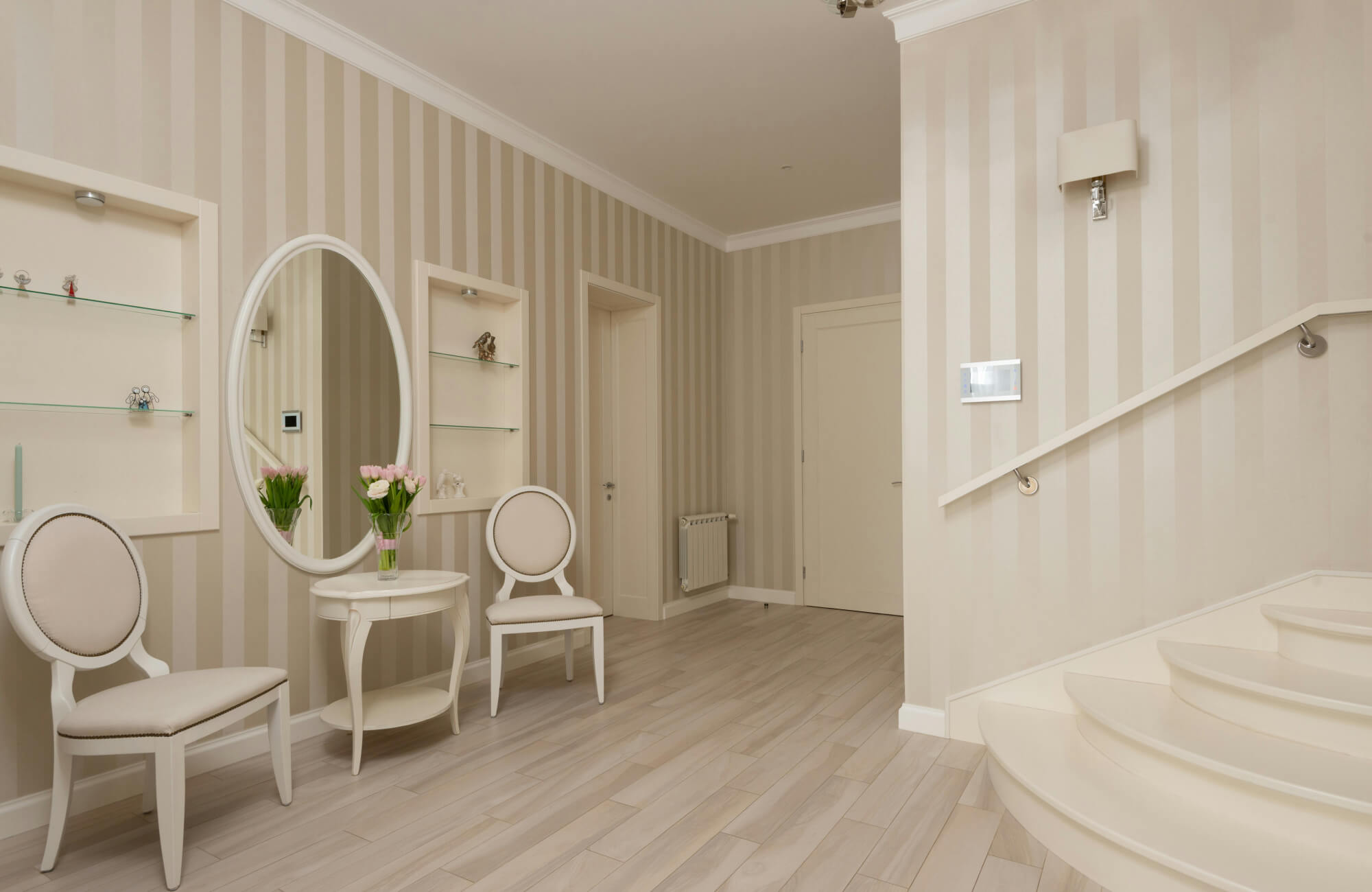
The color and finish of your walls can also affect how bright a space feels, even if the lumen count stays the same. Light-colored walls reflect illumination, making a room appear brighter with fewer fixtures. On the other hand, darker or matte surfaces absorb more light, which can make a space feel dim unless you increase the lumen output. For example, a living room with charcoal walls may need stronger or additional lighting compared to one with soft beige or white finishes. Taking wall finishes into account ensures the light levels feel consistent.
Purpose of the Space (Task vs. Ambient lighting)
The way a room is used matters just as much as its size or color. A kitchen or home office where detailed work happens requires brighter task lighting, while a bedroom may benefit from softer ambient light that feels relaxing. For instance, a workspace with a desk and computer needs enough lumens to avoid eye strain, but the same amount would feel overwhelming in a bedroom setting. By considering the room’s main function, you can choose lumen levels that support comfort and practicality at the same time.
Personal Lighting Preferences
Everyone experiences light differently, so personal comfort plays an important role in lumen decisions. Some people enjoy bright, crisp spaces that keep them alert, while others prefer softer, warmer lighting that feels cozy. Also, factors like age or vision can influence what feels “bright enough,” since older eyes often need more light to see clearly. For example, a reading nook may need more lumens for someone who spends long evenings with books, compared to someone who uses it occasionally. Recognizing personal needs ensures lighting feels tailored rather than generic.

General Lumen Guidelines by Room Type
Every room in the home serves a different purpose, which means each space requires its own range of brightness to feel comfortable and functional. Using lumens as a guide makes it easier to decide how much light is enough without guessing.
Living Rooms and Lounges
Living rooms are often designed for relaxation, conversation, and entertainment, so they need a balance of comfort and clarity. A general guideline is between 1,500 to 3,000 lumens, depending on the size of the space and the wall colors. For example, a cozy lounge with light walls may be fine at the lower end, while a large open living room may need more lighting to avoid dim corners. Also, it’s helpful to pair a central light source with lamps or accent fixtures to keep the atmosphere inviting.
Kitchens and Dining Areas
Kitchens require stronger lighting since they are task-heavy spaces where precision matters. Aim for 3,000 to 4,000 lumens to provide clear visibility for cooking and meal prep. The dining area, while part of the same space in many homes, can use slightly softer lighting to encourage a warm and welcoming feel. For instance, pendant lights above a dining table, as seen above with our Rosa Triangular Pendant in Aged Brass, can create an intimate atmosphere, while recessed or track lights ensure the kitchen itself remains bright and practical. Having flexibility here makes both cooking and dining more enjoyable.
Bedrooms and Relaxation Spaces
Bedrooms work best with softer, calming light levels that promote rest. Around 1,000 to 2,000 lumens is usually enough, though layering in lamps or wall lights adds more flexibility. For example, you might want a brighter lamp for reading before bed but a softer overall glow for winding down. Also, color temperature plays an important role here—warmer tones tend to create a cozier atmosphere that supports relaxation. Keeping the light comfortable helps the room serve its main purpose as a restful retreat.
Bathrooms and Task-heavy Areas
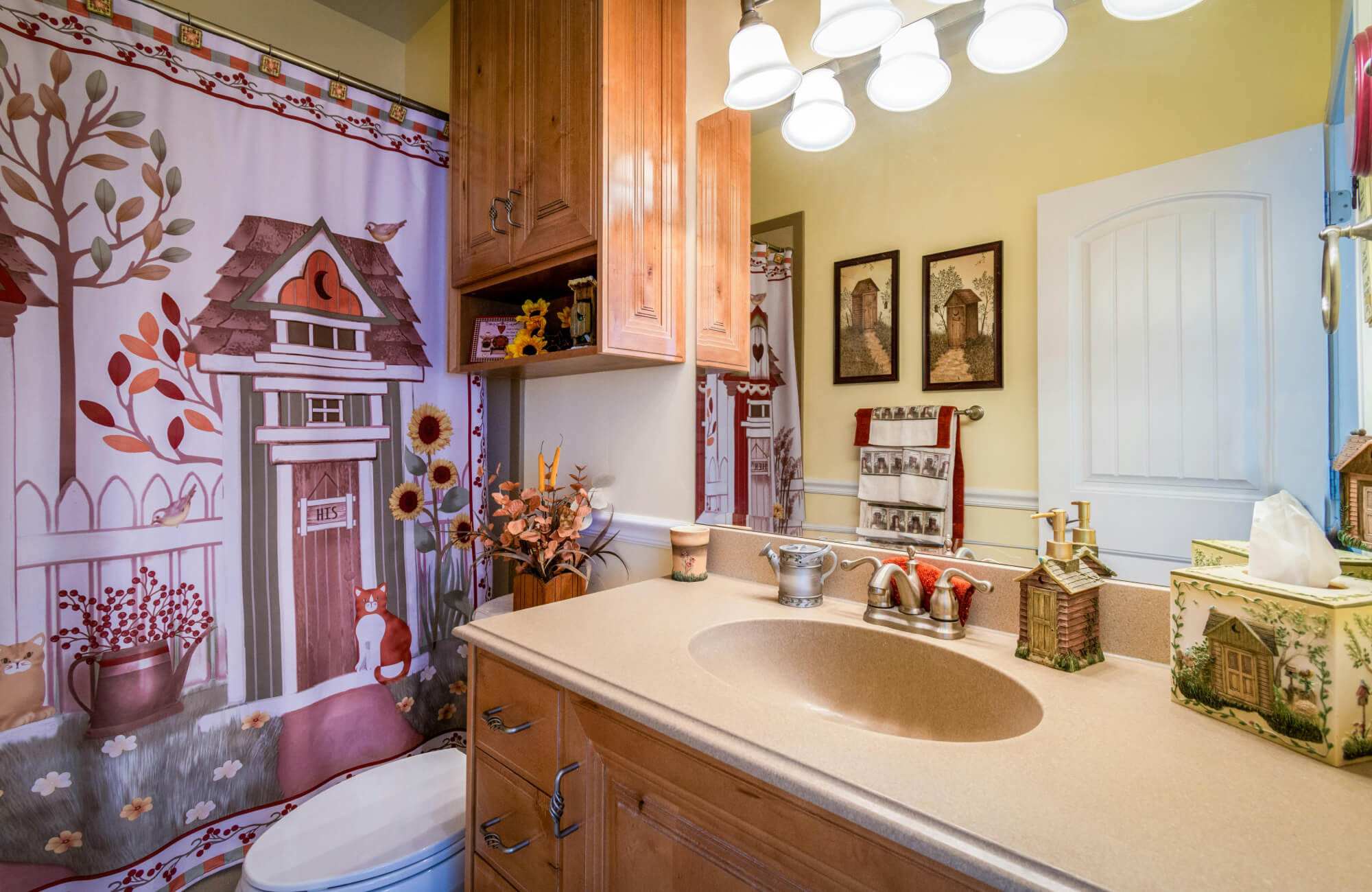
Bathrooms need both functionality and comfort, since they are used for detailed tasks like grooming and applying makeup. Aiming for 2,000 to 4,000 lumens provides good clarity without being too harsh. It’s also important to place lighting thoughtfully, for instance, around mirrors, to reduce shadows on the face. Brightness is key, but balancing it with softer accent light can keep the bathroom from feeling too clinical. The goal is to support precision while maintaining a comfortable atmosphere.
Home Offices and Workspaces
Home offices demand higher lumen levels to support focus and reduce eye strain during long hours of work. Around 3,000 to 6,000 lumens is generally recommended, depending on room size and layout. For example, a compact study may work well at the lower range, while a large office with bookshelves and darker finishes could need more. Also, consider combining overhead lighting with task lamps to keep the environment versatile. Adequate brightness helps maintain productivity and comfort throughout the day.

Layering Light for Better Results
The most effective way to light a room is to combine different types of lighting rather than relying on a single source. By layering ambient, task, and accent lighting, you create balance, comfort, and flexibility that adapt to any activity. This approach ensures a room feels both functional and visually appealing.
Ambient Lighting as a Foundation
Ambient lighting sets the overall brightness of a room and acts as the base layer for all other lighting. It can come from ceiling fixtures, recessed lighting, or even wall-mounted lights that provide broad coverage. For instance, a chandelier or a pendant like our Satine Pendant In Aged Brass Bronze above, in a dining room, establishes a general glow that makes the space inviting. Also, a strong ambient layer prevents rooms from feeling dim or uneven before adding more focused lighting.
Task Lighting for Precision
Task lighting focuses on areas where you need clarity and accuracy for specific activities. Reading lamps, under-cabinet lights in kitchens, or desk lamps in offices all serve as great examples. These lights ensure you can see details without straining your eyes, which is especially important for work or hobbies. Adding task lighting also gives you the ability to adjust brightness for specific needs without over-lighting the entire room.
Accent Lighting for Mood and Style
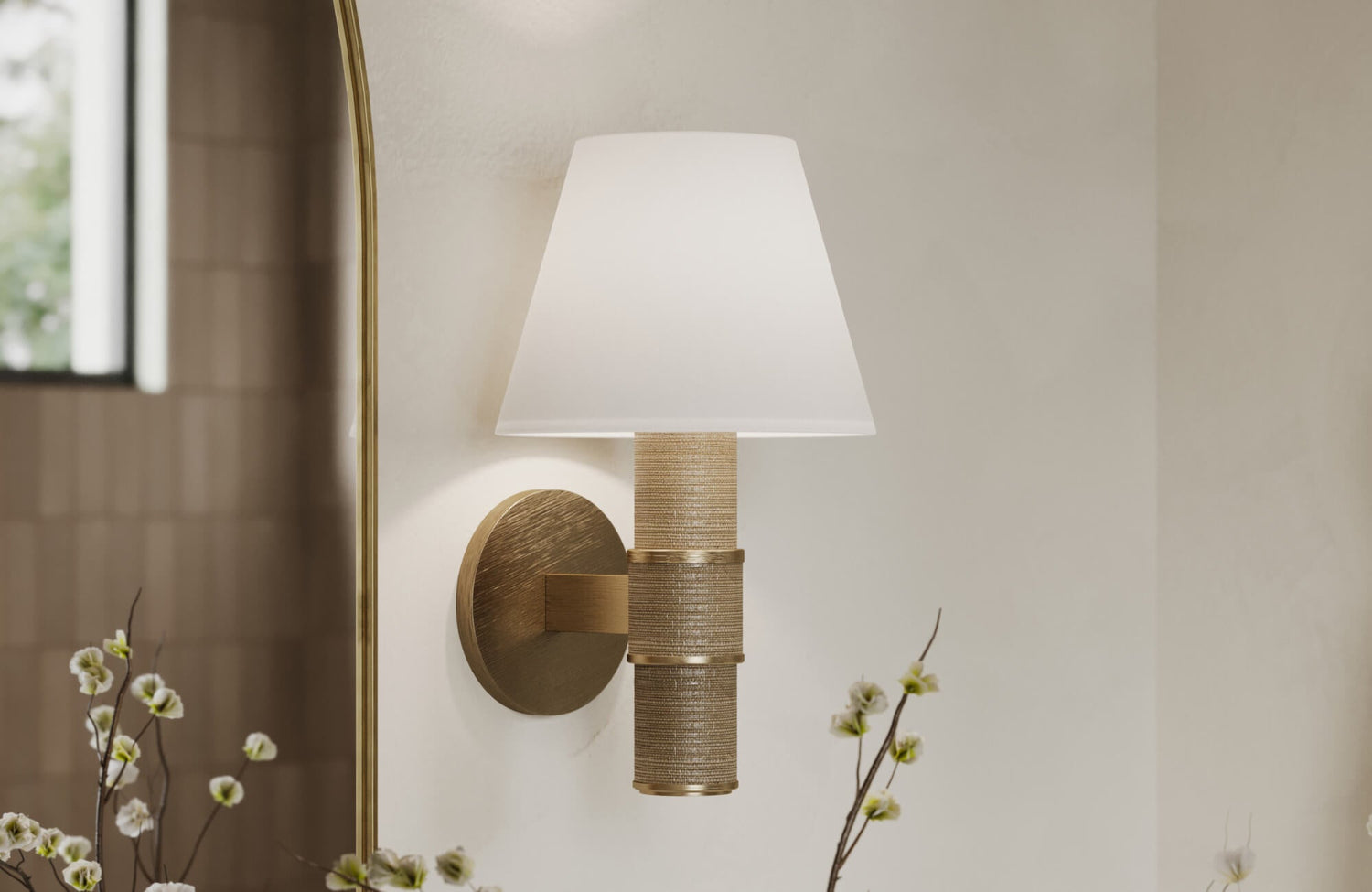
Accent lighting highlights certain features in a room while also shaping the atmosphere. It can be used to draw attention to artwork, architectural details, or even plants, making the space feel more dynamic. For example, wall sconces or LED strips along shelves can create depth and add personality. Also, accent lighting often uses softer brightness, which helps balance the stronger ambient and task lights.
Balancing Layers to Prevent Shadows
The true strength of layered lighting is how it prevents harsh shadows and uneven brightness. When all three layers, ambient, task, and accent, work together, the room feels cohesive and comfortable. For instance, task lights alone might create glare, but accent and ambient lights soften the effect. Also, layering makes it easy to adapt the mood of the room, whether it’s for focused work, casual gatherings, or quiet relaxation.

Choosing the Right Bulbs and Fixtures
The type of bulb you choose and the design of your fixtures can make a big difference in how effectively a room is lit. Beyond lumens alone, factors like bulb efficiency, fixture style, and placement all influence how light is distributed. Below, we’ll look at the essentials that shape brightness and overall comfort.
LED vs. Incandescent vs. CFL
Different bulb types deliver light in unique ways, and understanding the differences helps you make better choices. LEDs are the most efficient option, producing bright light while using very little energy and lasting for years. Incandescent bulbs, while warm and familiar, consume far more power and burn out quickly, which makes them less practical today. Compact fluorescents (CFLs) fall somewhere in between, though many homeowners prefer LEDs for their balance of efficiency, brightness, and variety.
Fixture Design and Light Distribution
The style of fixture you use also affects how lumens spread throughout a room. A pendant light, for example, directs light downward for a concentrated effect, while a frosted-glass ceiling fixture diffuses light more evenly. Wall sconces can add softer illumination by bouncing light off the walls, creating a warmer feel. Also, paying attention to how fixtures shape light helps ensure that brightness levels are practical and visually pleasing.
Placement Strategies for Even Lighting
Even with the right bulbs and fixtures, placement is critical to avoid dark spots or glare. Spacing recessed lights properly across a ceiling, for instance, creates consistent coverage without leaving corners in shadow. In living areas, combining overhead lights with floor or table lamps helps distribute brightness more naturally. Also, placing fixtures at the right height ensures that light reaches the areas where it’s needed most, supporting both function and comfort.
Using Dimmers for Flexibility
Dimmers add another level of control by letting you adjust brightness according to the moment. A dining room can feel lively and bright during meals but shift to a softer, more intimate mood afterward with the turn of a dial. For example, pairing dimmable LEDs with smart controls allows you to fine-tune light levels throughout the day. Also, dimmers help save energy by lowering output when full brightness isn’t required, making them practical as well as stylish.

Common Mistakes When Lighting a Room
Even with the right intentions, it’s easy to make lighting choices that leave a space feeling uncomfortable or impractical. Many common errors come from overlooking how light actually works in a room, whether it’s relying on one fixture or choosing bulbs that don’t provide enough brightness. Let’s look at the mistakes you’ll want to avoid so your lighting feels balanced and functional.
Relying on a Single Fixture for a Whole Room
One of the most frequent mistakes is expecting a single overhead light to handle an entire room. While a central fixture provides general brightness, it often creates uneven illumination with dark corners or harsh shadows. For instance, a living room with just one ceiling light may feel flat and uninviting, especially during evening activities. Also, layering with floor lamps, wall sconces, or task lighting prevents the space from looking one-dimensional.
Ignoring Color Temperature and Ambiance
Light quality matters just as much as brightness, yet many people overlook color temperature when selecting bulbs. A bright white bulb in a bedroom can feel too stark, while a warm-toned bulb in an office may cause drowsiness. For instance, kitchens often benefit from neutral or cooler tones for clarity, while living spaces feel cozier with warmer light. Also, considering ambiance alongside lumens helps create a space that supports mood as well as function.
Over-Lighting and Glare Issues
On the opposite end, over-lighting can be just as problematic as not having enough brightness. Too many lumens in one area can create glare, eye strain, and an overall harsh environment. For example, lining a small bathroom with overly strong LEDs might make the space feel clinical instead of comfortable. Spacing lights thoughtfully and adding dimmers allows you to avoid this issue while still keeping the room well-lit.
Making Smart Lighting Choices That Last
Lighting a room properly is about more than just picking a bulb that “looks bright enough.” By understanding lumens, considering room size, finishes, and function, and using layered lighting strategies, you can create spaces that are both practical and inviting. The right balance ensures comfort for daily living while also supporting tasks, relaxation, and even mood. Keeping these factors in mind helps you avoid the most common mistakes that leave a room either too dim or uncomfortably harsh.
If you’re unsure how to translate lumen guidelines into a lighting plan that fits your home, a professional design consultation can make all the difference. Our design expert can evaluate your unique space, recommend the right fixtures, and tailor lighting to your lifestyle. This kind of guidance ensures every room feels balanced, efficient, and welcoming.