Choosing the right height for your wall-mounted bathroom vanity might seem like a small detail, but it plays a big role in comfort and design harmony. The right placement affects everything from how natural the setup feels during daily routines to how well it aligns with mirrors, lighting, and plumbing. In this blog, we’ll explore the standard vanity height range, the factors that influence it, and helpful tips to make sure your installation looks polished and fits your space perfectly.

The Standard Vanity Mounting Height
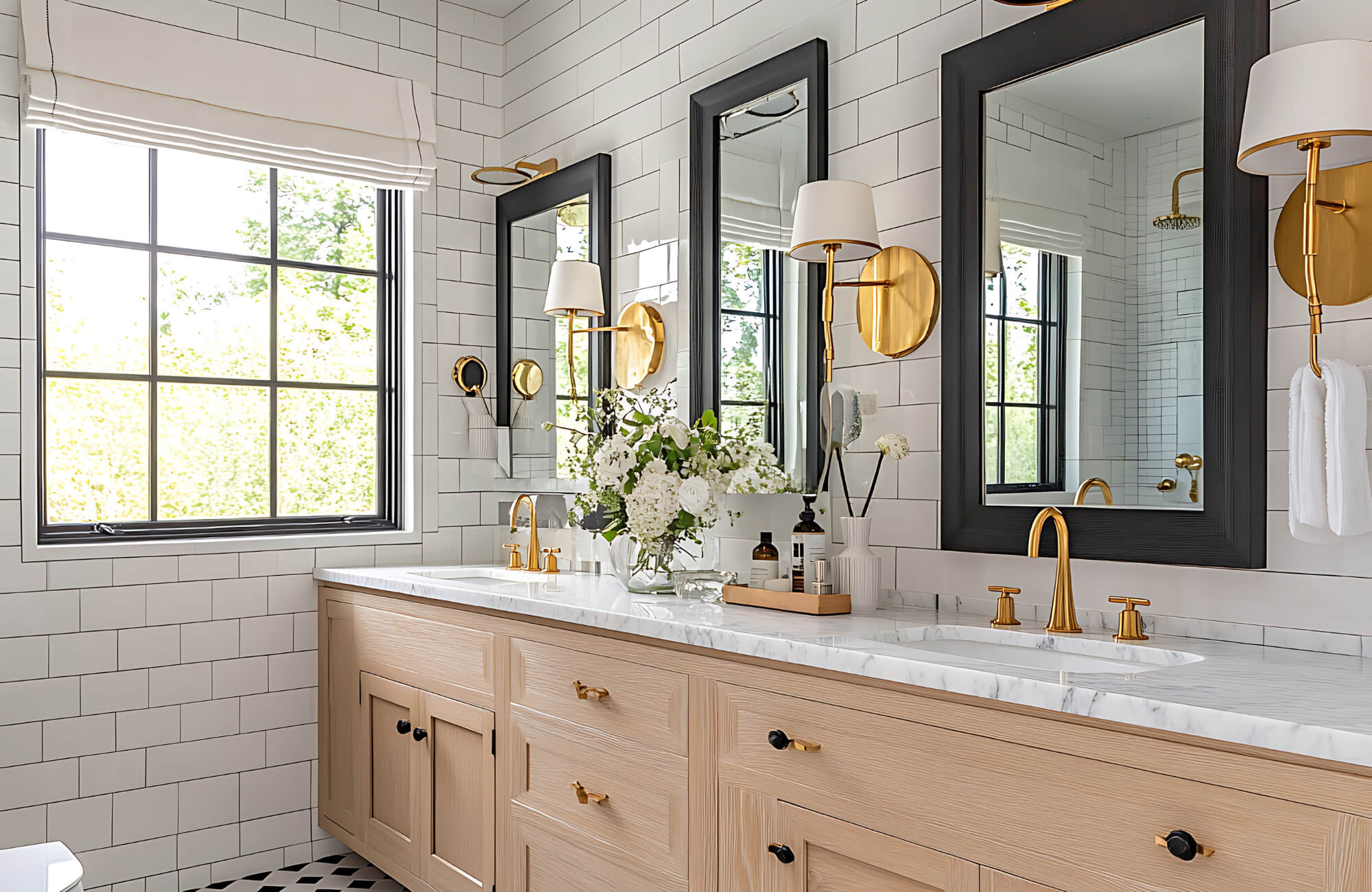
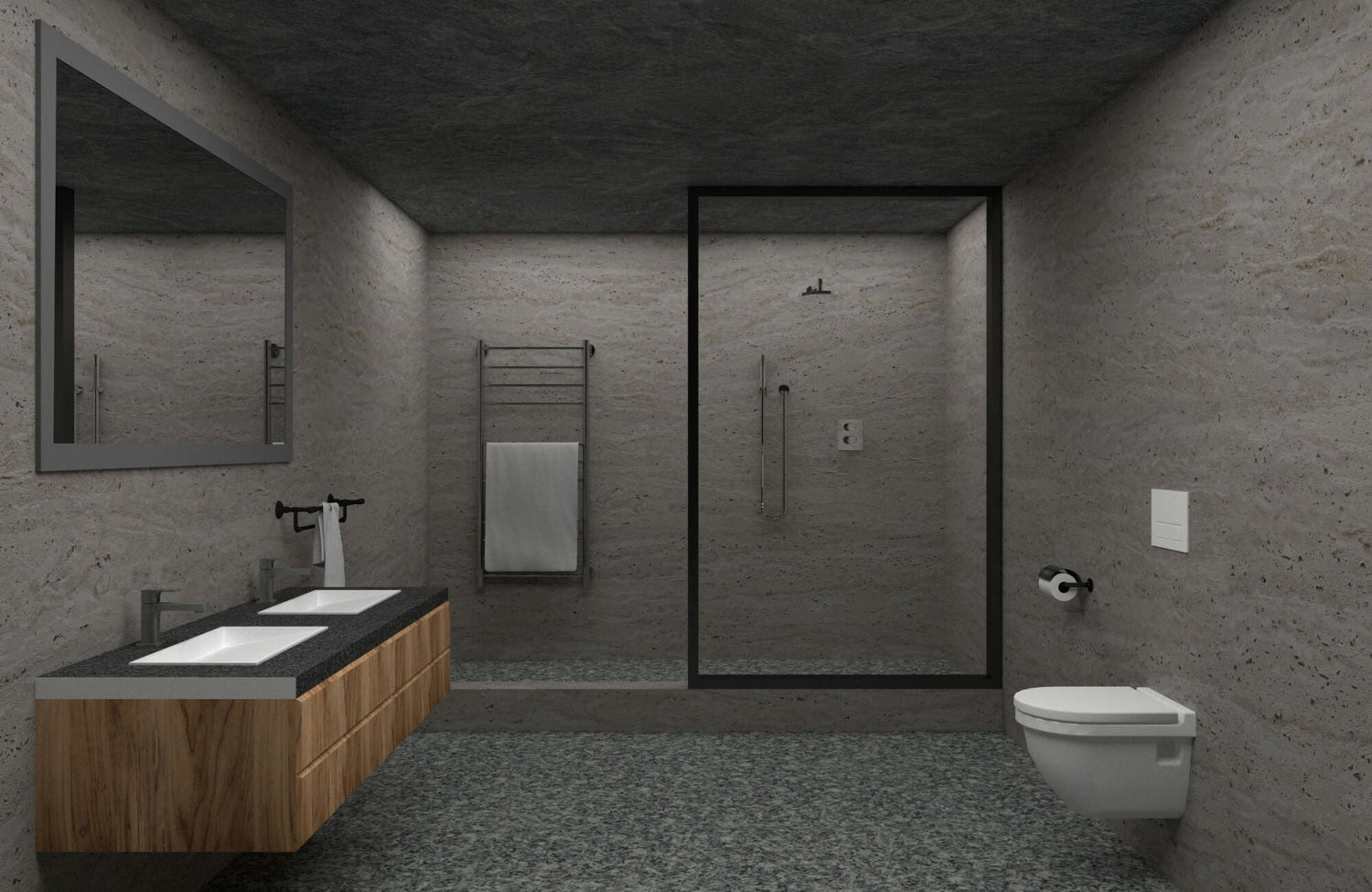
When it comes to wall-mounted bathroom vanities, such as our Royce 72" Double Vanity in Chestnut with 3 cm White Zeus Quartz Top above, the general rule is to position the countertop about 32 to 36 inches from the floor. This range is considered the most comfortable height for most adults, balancing accessibility and everyday function. It’s high enough to prevent users from bending too low while still keeping the sink within easy reach. This guideline has become the standard for both residential and commercial bathrooms, as it promotes ergonomic comfort for routine tasks like washing hands or brushing teeth.
However, comfort isn’t universal, which is why the 32–36 inch guideline serves more as a flexible range than a fixed rule. Households vary in height, and so do individual preferences; what feels natural for one person might feel slightly awkward for another. For example, taller users might prefer their vanity closer to 36 inches, while shorter individuals or children may find a lower setup more comfortable. The goal is to maintain a functional height that feels intuitive for daily use, ensuring the vanity complements rather than complicates your routine.
In some cases, custom height adjustments become necessary to meet specific accessibility needs or design preferences. Families with young children, multi-generational homes, or users with mobility challenges often opt for slightly lower installations to ensure ease of use. Floating vanities, in particular, make these adjustments simpler, allowing you to fine-tune the height based on who uses the space most often.

Factors That Affect Vanity Height
Several factors influence how high a wall-mounted vanity should sit, extending beyond just user comfort. Design elements, plumbing layout, and supporting fixtures like mirrors and lighting all contribute to finding the right measurement.
Sink Type and Countertop Thickness
The type of sink you choose plays a major role in determining the final vanity height. Vessel sinks, for instance, sit on top of the countertop, which means the vanity itself must be installed lower to maintain comfortable reach. On the other hand, undermount and integrated sinks are positioned within the counter, allowing the vanity to stay closer to the standard 32–36 inch range. Countertop thickness also matters, since a thicker slab adds to the overall height and can subtly affect how the vanity aligns with surrounding fixtures. Balancing these elements ensures your vanity remains both practical and visually appealing.
Plumbing and Wall Support Requirements
Behind every properly mounted vanity is a solid support system that accounts for plumbing and wall structure. The location of drain pipes, supply lines, and wall studs can limit how high or low you can mount your vanity. For example, floating vanities require secure anchoring to wall studs to handle the weight of the cabinet and sink. Adjustments might also be needed to ensure plumbing connections remain hidden and functional. By planning around these structural details, you maintain both safety and a clean, professional look.
Mirror and Lighting Alignment
The height of your vanity should complement your mirror and lighting placement for a cohesive design. When the vanity sits too high or too low, it can throw off the alignment of wall sconces or mirrors, disrupting visual balance. Ideally, the mirror’s bottom edge should align comfortably with the vanity top so users can see themselves easily without crouching or stretching. Coordinating the height with nearby lighting fixtures also helps ensure even illumination across the face and sink area.

Vanity Sizes from 20 to 72 Inches — What to Expect
The width of a vanity can influence not just how it fits into your bathroom, but how its height and overall proportions feel within the space. A well-sized vanity creates balance, ensuring that the design looks intentional and the layout remains functional.
20–30 Inch Vanities for Compact Bathrooms
Smaller vanities in the 20–30 inch range are best suited for powder rooms or guest baths where every inch of space counts. These compact units often feature a single sink and limited storage, prioritizing efficiency over bulk. Because they sit in tighter spaces, keeping the mounting height within the standard range helps maintain both function and visual lightness. Choosing wall-mounted designs can make the room feel more open while still providing practical surface area.
36–48 Inch Vanities for Balanced Functionality
Mid-sized vanities, typically between 36 and 48 inches wide, like our Royce 36" Single Vanity in Chestnut with 3 cm White Zeus Quartz Top above, strike an ideal balance between comfort and usability. They offer more counter space and storage while maintaining a proportionate look that works well in most standard bathrooms. At this size, the mounting height becomes especially important, as a few inches can affect how comfortable the vanity feels during daily use. These dimensions also allow flexibility in design, fitting either single or double sinks, depending on the layout. As a result, this size range is often the go-to for homeowners seeking both practicality and balanced aesthetics.
55–72 Inch Vanities for Spacious Primary Baths
Large vanities ranging from 55 to 72 inches wide are perfect for shared bathrooms or master suites. Their extended width offers dual sinks and generous counter space, but this also makes precise height alignment essential to maintain symmetry and visual stability. When mounted too high or low, the proportions can feel uneven, especially when paired with large mirrors or wide backsplashes. A well-measured height helps these vanities look cohesive within the broader design of the room. Ultimately, these larger setups combine luxury with functionality when properly balanced in both height and width.

Single vs. Double Sink Vanities
Single sink vanities are ideal for personalized comfort and design freedom. Because they serve one primary user, the mounting height can be tailored based on individual needs and habits. For example, taller users may prefer their vanity mounted closer to 36 inches, while shorter individuals might find a slightly lower setup more practical. This flexibility makes single vanities especially suitable for smaller spaces where every detail contributes to ease of use.
Double sink vanities, on the other hand, demand consistency and coordination. With two basins sharing the same countertop, both height and spacing must be even for a comfortable and balanced experience. Matching the vanity’s height with mirror placement and lighting fixtures further enhances visual symmetry. When properly aligned, a double vanity creates a sense of harmony that elevates both the look and functionality of the space.
For those who prefer a simpler setup, we also offer freestanding vanity options that combine convenience with style. These units are easy to install and don’t require wall mounting, making them perfect for quick renovations or rental spaces. They come in a variety of sizes and finishes, offering the same balance of function and design flexibility as wall-mounted styles—just with added convenience and effortless placement.

Common Mistakes to Avoid When Mounting Your Vanity
Even a well-chosen vanity can lose its appeal if mounted incorrectly. Small installation errors can affect both the look and function of your bathroom, from awkward mirror alignment to uneven weight support. Below, we’ll cover some of the most common mistakes homeowners make during installation and how to prevent them for a safe, well-balanced finish.
Ignoring Wall Support or Weight Distribution
Another major oversight involves neglecting proper wall reinforcement, especially when installing floating vanities. These designs require sturdy anchoring into wall studs to handle the combined weight of the vanity, countertop, and sink. Failing to secure the structure properly can cause sagging or damage over time. It’s also important to check that the wall can bear the load before drilling, particularly in older homes with less durable framing. Proper support ensures not only safety but also a long-lasting, professional-looking result.
Overlooking Sink and Faucet Compatibility
Before mounting, it’s essential to confirm that your sink and faucet pair correctly with the vanity design. Vessel sinks, for example, sit higher on the counter, which means the faucet must be tall enough or wall-mounted to provide comfortable clearance. Choosing mismatched components can lead to splashing, awkward use, or unnecessary reinstallation later. Aligning faucet and sink heights from the start helps maintain both usability and a seamless appearance. This step is often overlooked but makes a big difference in how polished the finished bathroom feels.
Forgetting to Plan Around Electrical and Plumbing Fixtures
Many homeowners also forget to consider nearby outlets, switches, and plumbing when positioning the vanity. Installing too close to these fixtures can complicate wiring or block access to shut-off valves. For instance, a mirror-mounted light fixture might not align properly if the vanity height shifts during installation. Reviewing all nearby connections ensures that every component of lighting, plumbing, and cabinetry works together without conflict. A little pre-planning goes a long way in achieving a clean, functional layout.
Rushing the Finishing Touches
Lastly, skipping the final alignment check or rushing through sealing edges can lead to long-term issues. Even minor gaps between the vanity and wall can let in moisture, damaging both the wall and cabinetry over time. Taking the time to caulk, level, and inspect every connection ensures lasting quality. It’s also worth checking that drawers and doors open smoothly before finalizing installation. Paying attention to these small details gives your bathroom a truly finished and professional appearance.
Getting the Height Right for Comfort and Style
Mounting your bathroom vanity at the right height is about achieving balance between comfort, accessibility, and aesthetic flow. Whether you’re working with a compact single vanity or a wide double setup, precision during installation ensures the design feels intentional and long-lasting. Paying attention to details like wall support, sink type, and mirror alignment helps prevent future issues while maintaining a clean, cohesive look.
If you’re unsure about the right vanity height or want to make sure your design aligns with your space perfectly, consider seeking expert advice before finalizing installation. Our professional design consultation can help you determine ideal measurements, select compatible fixtures, and visualize how every element connects. Book a personalized design consultation today to create a space that reflects both comfort and craftsmanship.