The height of a kitchen backsplash might seem like a small detail, but it can greatly influence both the look and functionality of your space. From protecting walls against splashes and stains to shaping the visual flow between your countertop and cabinets, backsplash height plays a key role in kitchen design. In this guide, we’ll explore standard backsplash heights, design considerations, and practical tips to help you find the perfect fit for your kitchen.

The Purpose of a Kitchen Backsplash
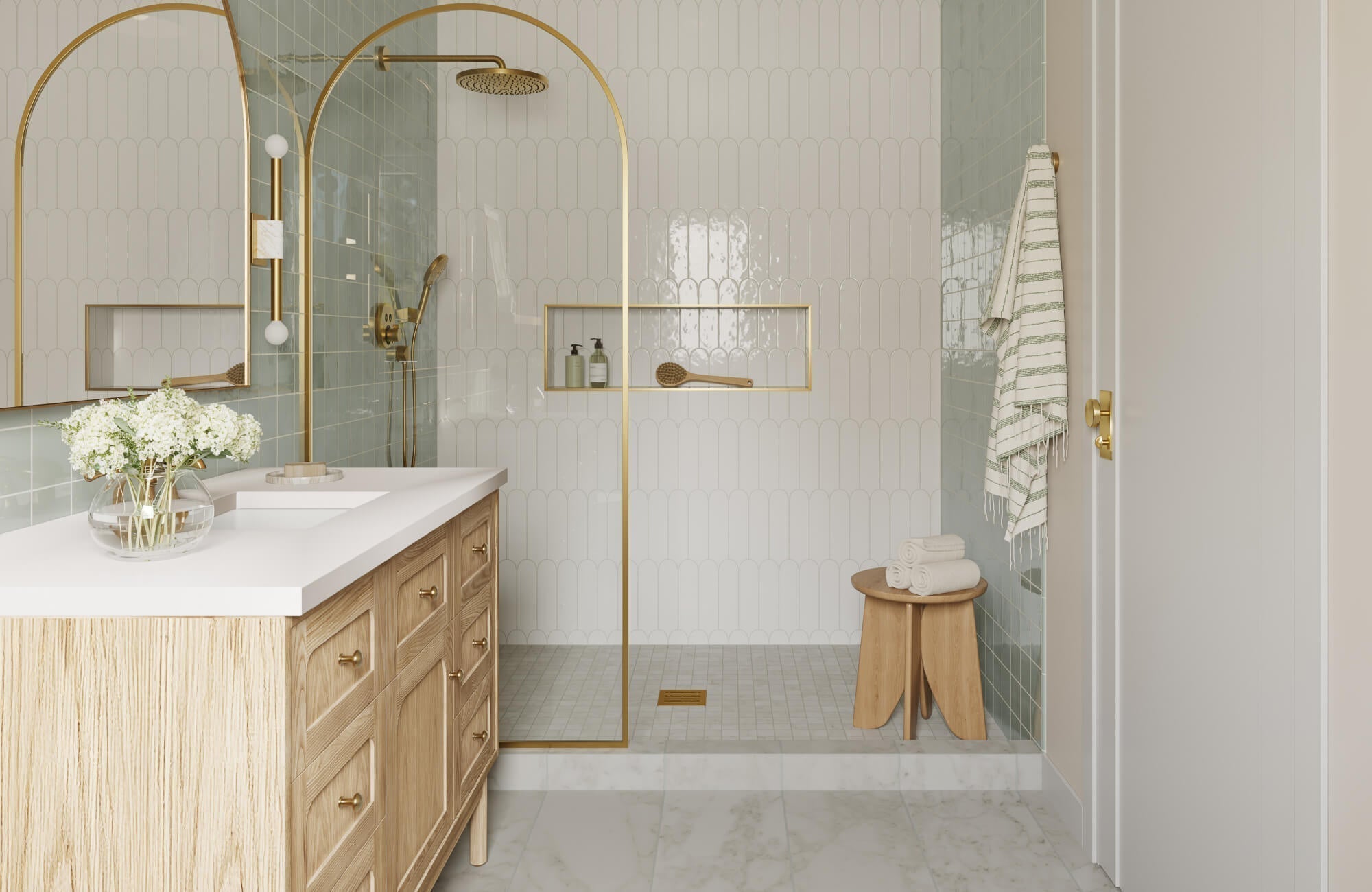
A kitchen backsplash, like our Giselle 24x24 Polished Porcelain Tile in Shell above, goes beyond being decorative and serves a real purpose in protecting your space. Positioned between the countertop and the wall, it shields surfaces from splashes, grease, and moisture that come from cooking and cleaning. Without it, these stains could quickly damage paint or drywall, leading to costly repairs over time. A well-placed backsplash not only makes cleaning easier but also contributes to the kitchen’s overall organization and longevity.
The height of a backsplash plays an important role in how well it performs these protective functions. A taller backsplash, for instance, offers greater coverage behind sinks and stoves, minimizing the chance of water or oil splattering onto unprotected walls. Shorter backsplashes, on the other hand, can still offer practical defense in low-splash areas while keeping a subtle visual profile. Choosing the right height depends on how often and where activity happens in the kitchen. It’s a balance between practicality and the visual rhythm of the space.
In terms of design, backsplash height also affects how your kitchen feels visually between the countertop and upper cabinets. A well-proportioned backsplash can create a sense of continuity, connecting different elements and making the area feel cohesive. Too short, and the wall space above may appear unfinished—too tall, and it might overwhelm nearby features. That’s why many homeowners and designers consider both layout and lifestyle before deciding on the right height. By finding that sweet spot, the backsplash becomes a seamless part of both the kitchen’s function and its overall aesthetic harmony.

Standard Backsplash Heights Explained
Backsplash height can dramatically change both the look and function of a kitchen. Whether you prefer a short, subtle accent or a bold wall-to-ceiling design, each height serves a distinct purpose. Understanding these common standards helps homeowners choose what best complements their layout, cabinetry, and overall kitchen style.
The Classic 4-Inch Backsplash
The 4-inch backsplash is a timeless choice that offers just the right amount of protection without overwhelming the wall space. It’s often paired with countertops of the same material for a seamless, coordinated look. This height works well in smaller kitchens or those aiming for a clean, understated design. While it doesn’t cover as much wall area as taller styles, it provides practical defense against everyday splashes. Its simplicity makes it a go-to option for those seeking a balance of function and minimalism.
Full-Height Backsplashes for a Seamless Look
Full-height backsplashes extend from the countertop all the way up to the upper cabinets or even the ceiling, creating a bold, unified statement. This style is ideal for modern or contemporary kitchens where continuity and visual impact matter. It protects the entire wall from moisture and cooking residue, which is especially helpful near sinks and stovetops. Because it eliminates the break between the counter and cabinet, it also makes cleaning much easier. The result is a sleek, high-end finish that feels polished and cohesive.
Custom Heights for Unique Design Needs
Some kitchens benefit from a custom backsplash height that’s tailored to the specific layout or focal points. Designers might extend the backsplash higher behind a range hood or lower it in open shelving areas to maintain visual balance. This flexibility allows homeowners to mix practicality with creativity, ensuring every section of the kitchen feels intentional. Custom heights also help highlight architectural details or frame decorative lighting features.
Considering Countertop-to-Cabinet Distance
The space between your countertop and upper cabinets often dictates how tall your backsplash can be. Standard distances usually range from 15 to 18 inches, providing enough room for appliances, outlets, or under-cabinet lighting. When measuring, it’s important to account for both visual flow and usability—too much open wall can feel empty, while too little can make the space seem cramped. Adjusting backsplash height to suit these proportions creates a balanced, well-structured kitchen design. This thoughtful approach ensures both beauty and practicality work hand in hand.

Factors That Influence Backsplash Height
Several factors come into play when determining how high a kitchen backsplash should go. From cabinet alignment to the overall layout and design theme, each element influences both the function and appearance of the space. Considering these details early in the design process helps create a kitchen that feels cohesive, efficient, and visually balanced.
Cabinet and Countertop Alignment
The relationship between your countertop and cabinetry is one of the most important elements in setting backsplash height. The backsplash should align cleanly with the bottom of upper cabinets or floating shelves to maintain a consistent visual line. When these elements don’t align, the kitchen can appear uneven or unfinished. Careful measurement ensures that the backsplash complements the surrounding features while maintaining symmetry. This alignment not only improves aesthetics but also simplifies installation and upkeep.
Sink and Cooking Zone Considerations
Areas behind the sink and stove often need extra backsplash coverage due to higher exposure to water, grease, and steam. In these zones, a taller backsplash provides better protection and easier cleaning. Many homeowners choose to extend the backsplash higher behind the stove for a more functional and unified look. The extra coverage prevents moisture damage and keeps the wall looking fresh longer. By adjusting height based on activity zones, the backsplash becomes both practical and purposeful.
Open Shelving vs. Wall Cabinets
The choice between open shelving and upper cabinets also affects how high the backsplash should go. Open shelves create visual openness but may require a taller backsplash to protect the exposed wall below. In contrast, wall cabinets naturally define where the backsplash stops, giving the space a structured boundary. The decision depends on your desired balance between aesthetics and practicality. Either way, coordinating the height with your storage setup helps maintain a smooth and intentional design.
Style Consistency and Visual Flow
Backsplash height should also reflect the overall style and rhythm of your kitchen. A contemporary design might favor a taller, continuous backsplash for a clean and seamless effect, while traditional layouts often suit shorter, proportioned designs. It’s also helpful to consider how the backsplash interacts with colors, textures, and lighting throughout the room. Keeping these elements consistent ensures that the backsplash feels naturally integrated rather than added on. The goal is to create a visual flow that connects every part of the kitchen harmoniously.

Best Materials for Kitchen Backsplash Designs
Choosing the right backsplash material is one of the most impactful design decisions in any kitchen. The best options combine durability with visual appeal, ensuring the wall stays protected while adding to the overall atmosphere of the space. From timeless ceramics to sleek metals, each material brings its own advantages in terms of maintenance, texture, and long-term performance.
Ceramic and Porcelain
Ceramic and porcelain tiles remain go-to materials for kitchen backsplashes thanks to their reliability and design flexibility. They resist heat, stains, and moisture, making them ideal for areas around sinks and stoves. Porcelain, being denser, offers extra strength and is well-suited for busy kitchens where daily use is constant. Both materials come in a wide range of finishes and patterns, allowing easy coordination with different countertop styles. Their combination of practicality and versatility makes them a favorite for both modern and traditional kitchens.
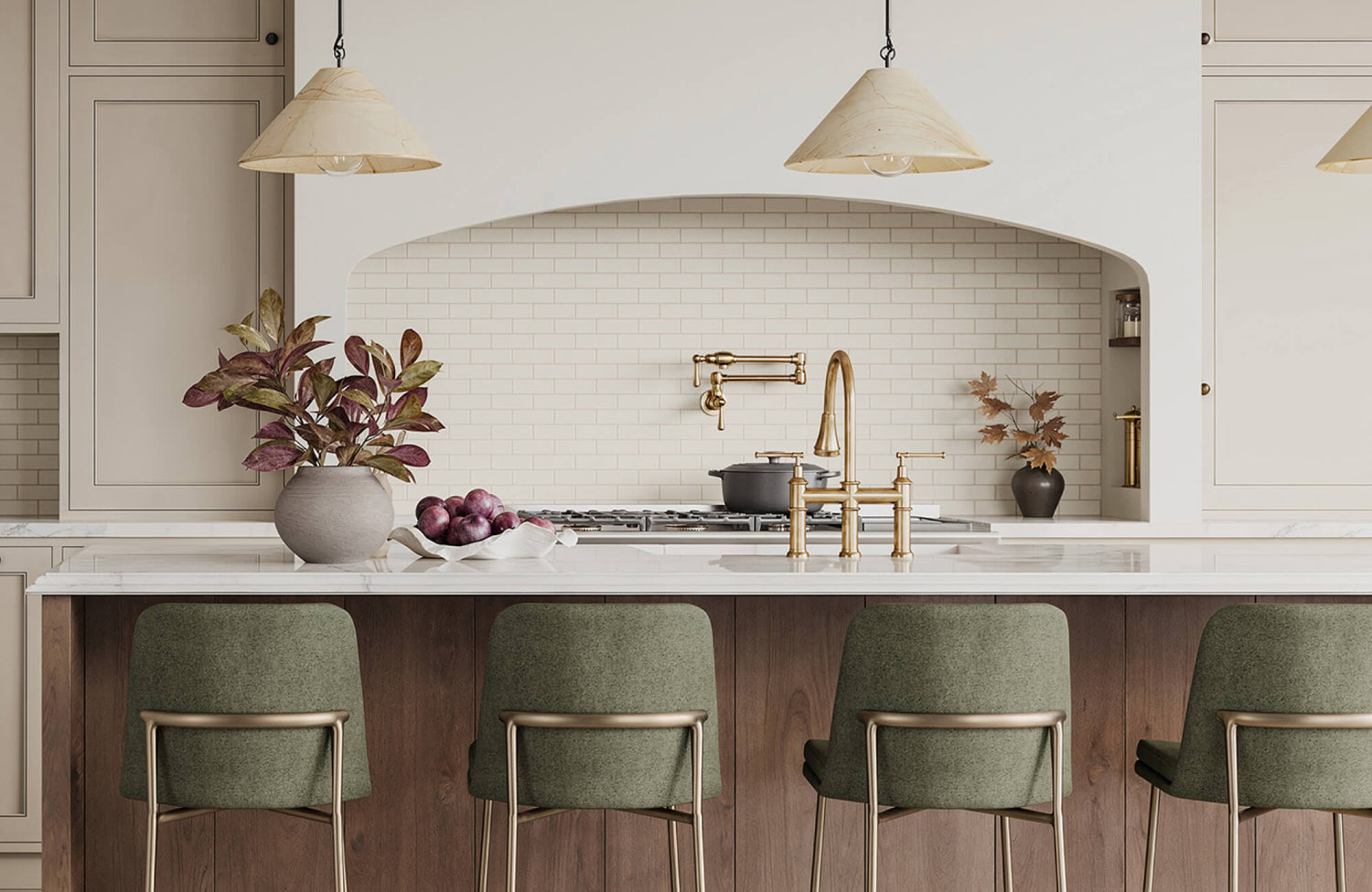
A great example of this is our Lilah 6x6 Glossy Ceramic Tile in Mist, shown above. It captures a zellige-inspired charm with soft taupe tones, gentle earthy variations, and a luminous glaze that reflects light beautifully. Its compact square format and handcrafted appeal make it an excellent choice for creating bright, inviting kitchen backsplashes that blend artistry with practicality.
Glass and Mirror Finishes
Glass and mirror backsplashes add brightness and depth to the kitchen, reflecting light to make the space feel larger and more open. These materials create a sleek, contemporary look that works beautifully in minimalist or high-gloss interiors. Beyond aesthetics, glass is nonporous, which means it resists staining and is easy to clean with a simple wipe. Mirror finishes also bring a reflective quality that enhances ambiance, especially in smaller spaces. Together, they bring modern sophistication while maintaining practicality and visual impact.
Natural Stone
Natural stone backsplashes, such as marble, granite, or travertine, introduce texture and warmth that synthetic materials can’t quite replicate. Each slab or tile has unique veining and variation, giving every installation a one-of-a-kind character. Stone’s durability makes it long-lasting, though it often requires sealing to prevent staining and moisture absorption. Its rich surface depth and organic appeal suit both rustic and luxury-inspired kitchens. For those seeking a classic yet distinctive statement, natural stone delivers unmatched charm and elegance.
Quartz and Engineered Surfaces
Quartz and other engineered materials are growing in popularity for homeowners who want durability with minimal upkeep. These nonporous surfaces resist stains, scratches, and moisture without needing frequent sealing. They also offer uniform patterns that blend seamlessly into modern or transitional kitchen designs. Because quartz can mimic natural stone, it provides the same visual sophistication with easier maintenance. It’s a dependable choice for those who value a polished look that’s simple to maintain year after year.
Metal and Composite Panels
Metal backsplashes, including stainless steel, aluminum, and brushed nickel, bring a sleek, professional edge to kitchen design. Their reflective qualities complement modern appliances and add an industrial flair that feels both stylish and practical. These materials are also easy to sanitize, making them a smart option for active kitchens. Composite panels, on the other hand, offer innovative design possibilities with mixed textures and finishes. Both choices embody modernity and efficiency, ideal for spaces that emphasize clean lines and cutting-edge design.

Ideal Sizes and Tile Formats for Backsplashes
Tile size and layout play a major role in shaping the overall look and feel of a kitchen backsplash. The right format can make a small kitchen appear more spacious or turn a simple wall into a striking focal point. Understanding how proportions, grout spacing, and layout patterns work together helps create a backsplash that feels balanced and intentional.
Standard Tile Sizes and What They Suit Best
Standard backsplash tiles, such as the familiar 3x6 subway format, remain a timeless favorite for their clean lines and easy coordination with most kitchen styles. These mid-sized tiles strike a visual balance between simplicity and texture, making them suitable for nearly any space. Their moderate grout lines help add structure without overwhelming the wall. Standard sizes also make installation straightforward and allow for flexible layouts, from classic stacked patterns to offset brick designs. This versatility explains why standard tile formats continue to be a trusted go-to for many kitchen remodels.
Large Format Tiles for Seamless Designs
Large format tiles are ideal for creating a smooth, uninterrupted backsplash surface with minimal grout lines. Their expanded dimensions, such as 12x24 or even larger panels, give kitchens a sleek and modern look. Because there are fewer seams, cleaning becomes easier, and the space feels more open and refined. These tiles work particularly well in contemporary or minimalist settings where uniformity is key. By emphasizing clean continuity, large format designs bring both sophistication and practicality to the kitchen.
Mosaics and Small Tiles for Texture
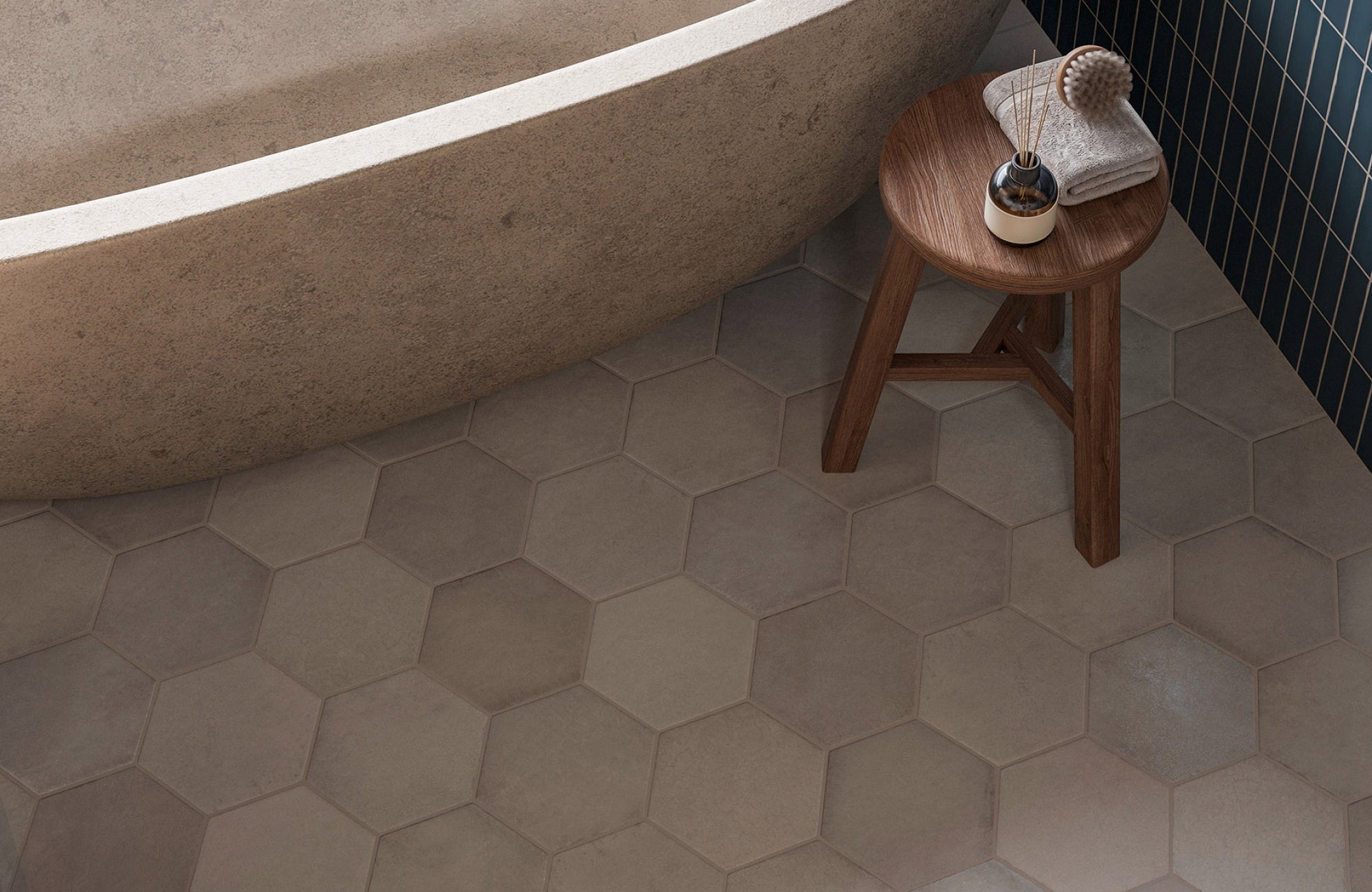
Mosaic and small-scale tiles introduce detail, dimension, and craftsmanship to the backsplash area as seen above with our Chantel 12x11 Polished Porcelain Hexagon Mosaic Tile in Imperial. Their intricate layouts, often made of glass, stone, or ceramic pieces, create movement and visual interest. These smaller tiles can be used across an entire wall or as an accent strip to frame key areas like the sink or range. Although installation requires more precision, the result feels rich and dynamic. For homeowners who want texture and personality, mosaic tiles offer endless creative potential.
Mixing Sizes for Custom Looks
Combining different tile sizes and shapes can bring depth and individuality to a backsplash design. Pairing small mosaics with larger tiles or alternating rectangular and square pieces adds rhythm and variation to the wall. This approach works well in kitchens that aim for a more creative or layered aesthetic. Careful planning is key to maintaining balance and avoiding visual clutter. When done right, mixing tile sizes produces a truly custom look that feels artistic yet cohesive.

Installation Height Tips and Design Transitions
Installing a backsplash is about more than just filling the space between your countertop and cabinets—it’s about creating a smooth, balanced flow that ties the entire kitchen together. Proper alignment and finishing details ensure a polished look that feels deliberate and cohesive.
Aligning with Upper Cabinets or Range Hoods
One of the most important steps in backsplash installation is ensuring proper alignment with upper cabinets or range hoods. The backsplash should meet the bottom edge of the cabinets evenly to create a clean, symmetrical line across the wall. Around range hoods, maintaining consistent height prevents awkward breaks and keeps the visual flow intact. Measuring and marking reference points before tiling helps achieve precise placement and reduces cutting adjustments later on. Proper alignment ensures the backsplash complements both cabinetry and appliances seamlessly.
Smooth Edge Finishes and Trim Options
Finishing the edges of a backsplash gives it a professional, refined appearance. Exposed tile edges can be capped using trim pieces, bullnose tiles, or sleek metal edging, depending on the style of the kitchen. These elements protect tile corners from chipping while enhancing the transition between the backsplash and surrounding surfaces. Choosing trims that match or subtly contrast the tile can add a custom touch without overpowering the design. Taking time to finish edges neatly makes a big difference in achieving a cohesive, high-end look.
Extending Backsplashes for a Modern Effect
Extending the backsplash beyond the typical boundary can give a kitchen a more contemporary and elevated appearance. Running the tile up to the ceiling or around adjacent walls adds visual height and continuity, particularly behind range hoods or open shelving. This approach not only modernizes the space but also offers extra wall protection in high-use areas. When planned thoughtfully, an extended backsplash becomes a design feature that enhances both function and style. For homeowners looking to make a bold yet practical statement, this extension can redefine the kitchen’s overall atmosphere.
Finding the Perfect Height for Your Kitchen Backsplash
Choosing the right backsplash height is about finding the balance between protection, proportion, and personality. The ideal design doesn’t just keep your walls safe from splashes; it complements your kitchen’s layout and enhances its overall flow. Whether you prefer a standard 4-inch accent or a full-height statement wall, the key is to align function with form. By considering factors like cabinet placement, material choice, and visual flow, you can create a backsplash that feels purposeful and polished in every detail.
If you’re planning to update your kitchen or design a new one, consider booking a design consultation to explore backsplash options that fit your space and style. Our team at Edward Martin can help you decide on the right height, layout, and materials to achieve a look that’s both beautiful and practical. With professional guidance, you can create a cohesive kitchen design that enhances daily functionality while reflecting your personal aesthetic.