Light plays a bigger role in sleep than most people realize. The color, brightness, and timing of your nighttime lighting can either calm your body or keep it alert long after bedtime. Exposure to harsh or cool light affects melatonin production, making it harder to relax and fall asleep. On the other hand, warm, dim lighting helps your body recognize when it’s time to rest. In this blog, we’ll explore how different types of light affect sleep quality, what common lighting habits to avoid, and how to create an evening setup that supports deep, restorative rest.

The Science Behind Light and Sleep
Light has a powerful influence on how our bodies regulate rest and alertness. The brain relies on light cues to know when to stay awake and when to wind down, making nighttime lighting a key factor in sleep quality. Understanding this relationship helps explain why some lighting choices support healthy rest while others disrupt it.
The Circadian Rhythm
The body’s internal clock, known as the circadian rhythm, follows a roughly 24-hour cycle that responds to natural light and darkness. Morning light triggers alertness by signaling the brain to reduce melatonin, the hormone responsible for sleep. As evening approaches and light fades, melatonin levels rise, preparing the body to rest. This natural pattern helps maintain consistent sleep and energy levels. When lighting aligns with this rhythm, it supports deeper, more restorative sleep.
How Artificial Light Interferes with Melatonin
Artificial lighting, especially blue light from screens and bright LEDs, can disrupt the body’s sleep signals. Exposure to these light sources in the evening suppresses melatonin production, tricking the brain into staying awake. Using phones, tablets, or overhead lights too close to bedtime can delay the feeling of tiredness and make it harder to fall asleep. Over time, this disruption can affect both sleep quality and overall well-being.
Why Warm Light Promotes Relaxation
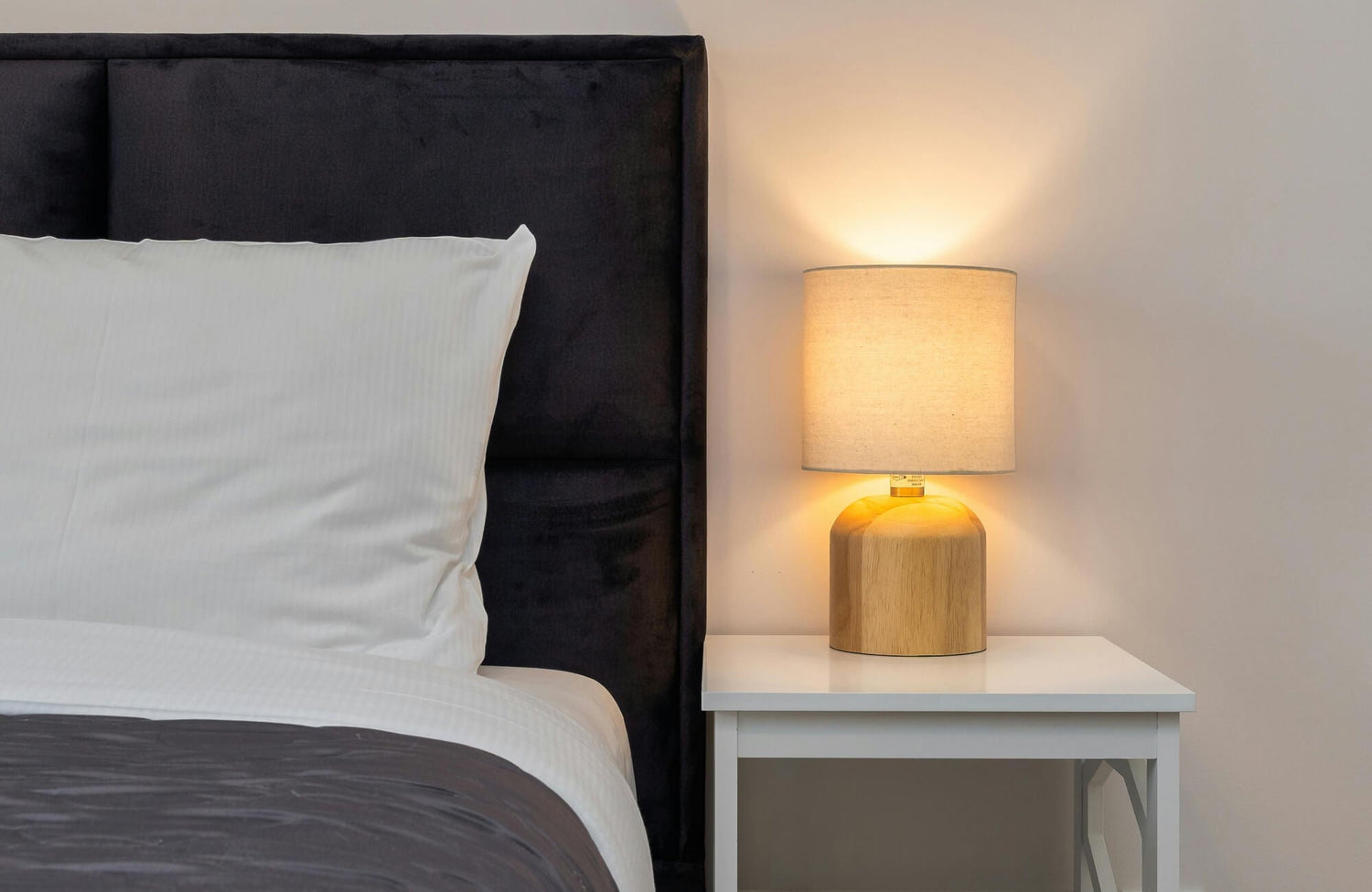
Warm lighting, such as soft amber or dimmed white tones, supports the body’s natural transition into rest. These hues mimic the fading glow of sunset, gently signaling the brain that it’s time to relax. Incorporating warm light sources in bedrooms or living areas helps create a calming atmosphere that encourages melatonin release. This can be achieved through lamps with lower color temperatures or adjustable lighting systems. By using light that mirrors natural evening conditions, the body can unwind more easily and prepare for restful sleep.

Common Sources of Nighttime Light Disruption
Evening lighting habits and environmental factors can significantly influence how easily we fall asleep. While we may not always notice it, many common light sources send mixed signals to the brain, delaying melatonin production and disrupting natural sleep patterns.
Blue Light from Devices
As mentioned before, phones, tablets, and TVs emit blue wavelengths that mimic daylight and stimulate alertness. When used before bed, they signal the brain to stay awake rather than prepare for rest. Prolonged exposure delays the release of melatonin, making it harder to fall asleep and stay asleep through the night. Even brief screen time can interfere with relaxation, especially in dark rooms. Using night mode, reducing brightness, or avoiding screens at least an hour before bed can help restore healthy sleep rhythms.
Overhead and Task Lighting
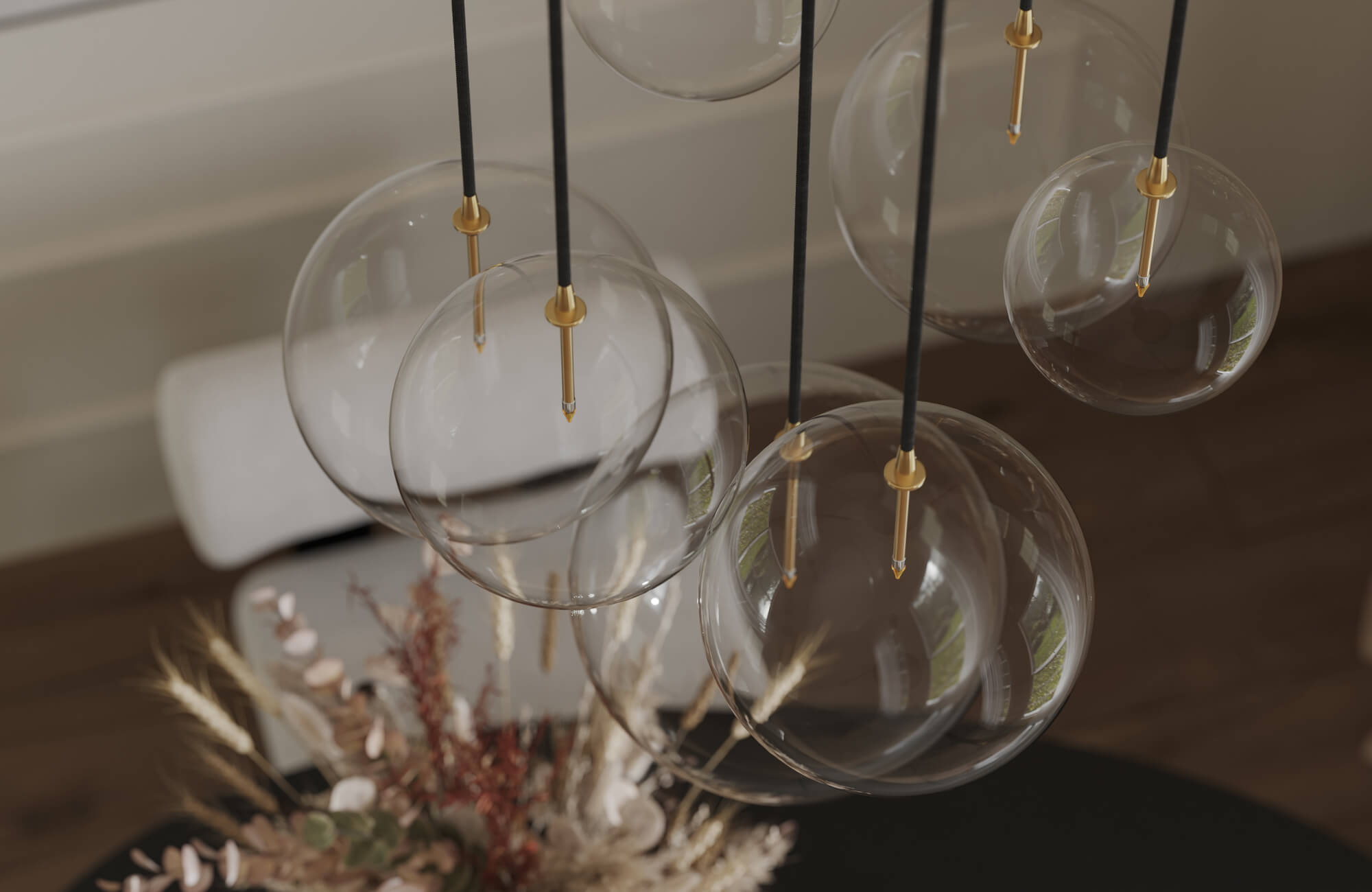
Bright overhead lights, such as pendants, like our Halsey 13" Pendant in White & Aged Brass above, or task lamps, used in the evening, can keep the body in a state of alertness long after daylight fades. Their high intensity and cool tones often mimic midday sunlight, confusing the brain’s natural cues for rest. Replacing these fixtures with dimmable bulbs or using side lamps allows for softer, more relaxing illumination. Layering different light sources also helps create a smoother transition from active evening routines to bedtime. Warm, indirect lighting is the best way to prepare both the mind and body for rest.
Light Pollution from Outside Sources
External lighting, such as streetlights or passing cars, can disrupt rest even when the lights inside are off. These intrusions can filter through thin curtains or reflective windows, creating subtle brightness that prevents deep sleep. Installing blackout curtains or layered window treatments helps block unwanted light, maintaining a darker and more peaceful bedroom environment. For partial coverage, sheer curtains paired with adjustable blinds can balance privacy and comfort while keeping the space restful.
Night Lights and Glowing Electronics
Small light sources, like digital clocks, charging indicators, or night lights, can also interfere with melatonin release. Even low-level light can affect how the brain perceives darkness, especially when it shines directly toward the bed. Choosing devices with dim or red-toned displays helps reduce this impact without sacrificing visibility. For children or those needing subtle guidance at night, a warm, low-intensity night light placed away from direct sightlines is best.
Late-Night Bathroom and Hallway Lighting
Bright lighting during nighttime trips to the bathroom or kitchen can quickly break the body’s sense of rest. Sudden exposure to harsh light resets the brain’s alertness cycle, making it harder to fall back asleep. Installing motion-sensor or low-wattage lights in hallways and bathrooms can provide just enough illumination for safety without full brightness. Opting for amber or red-toned bulbs keeps visibility soft while preserving the body’s nighttime rhythm.

Creating a Sleep-Friendly Lighting Environment
Designing a lighting setup that promotes rest starts with understanding how light intensity and color affect relaxation. Small adjustments to evening lighting can help signal to the body that it’s time to unwind, supporting a smoother transition into sleep.
Dim the Lights Before Bed
Lowering light levels about an hour before bedtime helps the body recognize it’s time to rest. Bright, cool-toned light keeps the brain alert, while softer, dimmer lighting encourages melatonin production. Dimmable lamps or warm LED bulbs are excellent tools for creating a gradual shift from daytime brightness to evening calm. Even simple changes, like switching off overhead lights and relying on softer lamps, can significantly improve sleep readiness. Consistency in this routine helps reinforce healthy circadian habits over time.
Use Layered Lighting for Evening Routines
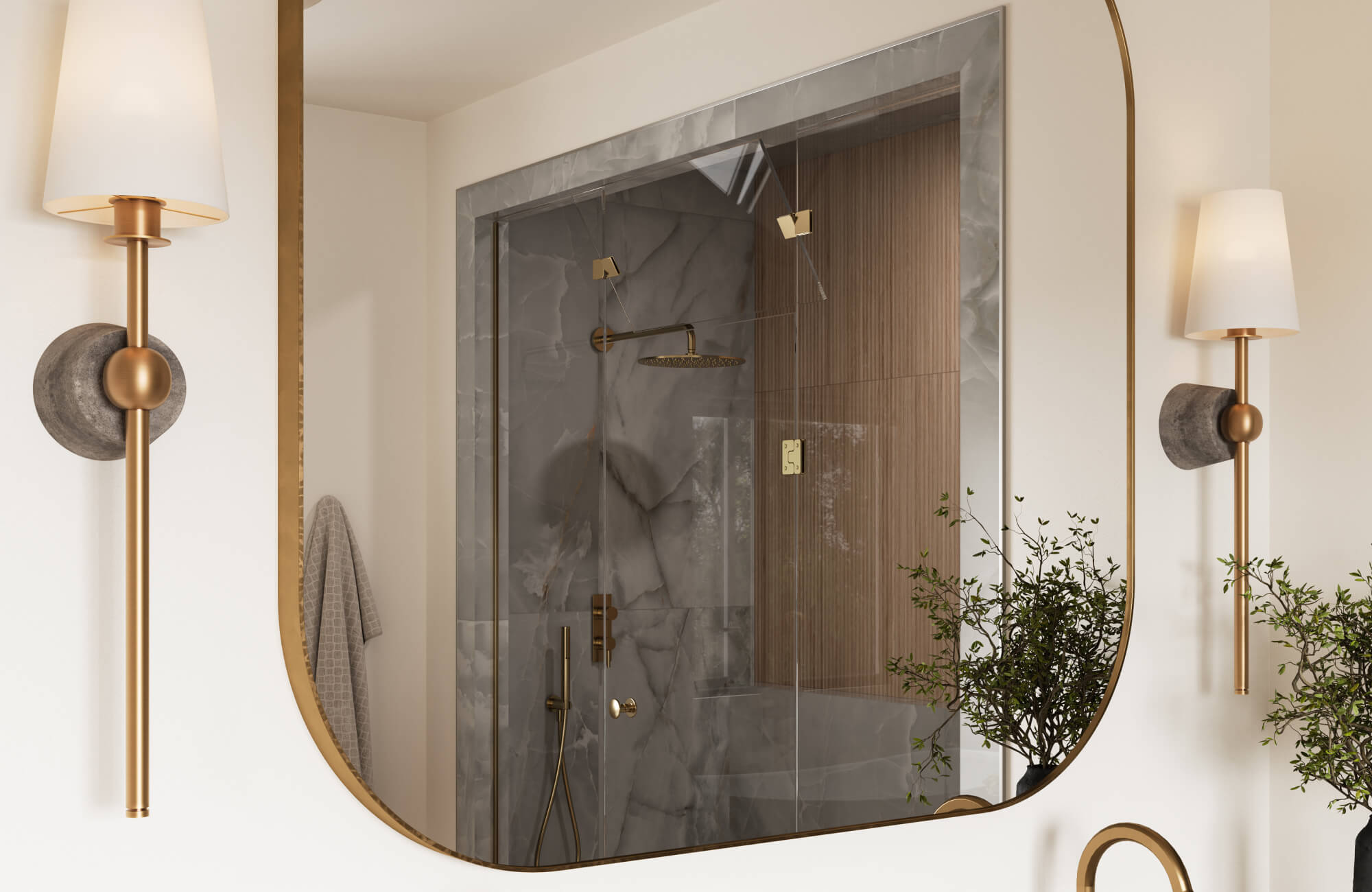
Layered lighting adds flexibility while preventing overstimulation before bed. Instead of relying on a single, bright fixture, use bedside lamps, sconces, or indirect wall lights to create a calm, ambient glow as seen above with our Raya Wall Sconce In Patina Brass. These multiple light sources allow you to adjust brightness based on your activity, whether reading, relaxing, or preparing for sleep. Keeping illumination low and warm in tone helps signal to the body that it’s time to slow down. This approach not only supports better rest but also makes the bedroom feel cozy and balanced.
Try Smart Bulbs with Adjustable Color Temperature
Smart bulbs designed with adjustable color temperature can automatically shift from cool light during the day to warm tones in the evening. This mimics the natural light cycle, supporting melatonin production and overall sleep health. Many systems allow you to set schedules that dim or change hues gradually, helping the body wind down naturally. These bulbs are a practical and accessible solution for maintaining healthy lighting habits throughout the evening. Over time, they help align your sleep environment with your body’s natural rhythm.

Psychological and Physical Benefits of Proper Night Lighting
The right nighttime lighting doesn’t just affect how quickly you fall asleep; it shapes how your body and mind recover overnight. Gentle, well-planned illumination helps the body shift from alertness to rest, improving mood, focus, and overall well-being. When lighting supports natural rhythms, sleep becomes deeper, more consistent, and more restorative.
Encourages Calm and Reduces Anxiety
Soft, warm lighting in the evening creates a sense of comfort that helps the body unwind after a busy day. Gentle illumination signals the brain to slow down, reducing overstimulation and easing tension. This calming effect helps lower stress hormones, making it easier to transition from activity to relaxation. Creating a warm, low-lit atmosphere in bedrooms and living spaces fosters a sense of peace that supports emotional balance and prepares the mind for rest.
Improves Sleep Quality and Consistency
Research shows that people exposed to dim, warm-toned light before bed experience longer and deeper sleep compared to those under bright or blue-toned light. Proper nighttime lighting helps regulate melatonin release, leading to smoother sleep cycles and fewer nighttime awakenings. Over time, this translates into better energy levels and sharper focus throughout the day. Simply adjusting bulb tones or using lamps instead of overhead lights can make a noticeable difference in how rested you feel each morning.
Supports Long-Term Health and Energy Balance
Healthy lighting habits at night contribute to more than just restful sleep; they support the body’s long-term health. Consistent sleep patterns strengthen the immune system, improve mental clarity, and stabilize mood and energy levels. A well-regulated circadian rhythm can also reduce fatigue and support metabolic health. By maintaining a lighting routine that promotes relaxation, you help your body restore and recharge more effectively.
Promotes a Peaceful Morning Transition
Good nighttime lighting sets the stage for how refreshed you feel the next day. A restful night supported by proper light exposure allows the body to wake naturally and feel energized in the morning. Bedrooms that balance evening warmth with gentle morning brightness help maintain this rhythm seamlessly. This connection between night and morning light creates a continuous cycle of better sleep and more consistent daily energy.

Mistakes to Avoid in Nighttime Lighting
Small lighting choices can have a big impact on how easily you fall and stay asleep. Bright tones, poor placement, and inconsistent routines often interfere with the body’s ability to relax and recharge. Avoiding these common mistakes helps create a sleep-friendly environment that feels calm, balanced, and restorative.
Relying on Screens as Night Lights
Watching TV or scrolling on a phone before bed keeps the brain stimulated, even at lower brightness settings. Blue light from screens disrupts melatonin levels and delays the onset of sleep. The content itself, especially social media or fast-paced shows, also keeps the mind active. Instead, try using a dim lamp or candlelight to transition to bedtime. Setting devices aside at least an hour before sleep can make a noticeable difference in how quickly and deeply you rest.
Ignoring Bedroom Placement and Light Spill
The position of your lamps, mirrors, and windows can indirectly affect your sleep comfort. Light that reflects off glossy furniture or mirrors can create glare, while uncovered windows allow outside light to leak into the room. Even subtle brightness can interrupt deep sleep stages. Position lighting away from reflective surfaces, use blackout curtains, and consider softer materials to diffuse illumination. These small adjustments help create a darker, more restful environment.
Overusing Bright Task Lighting Before Bed
Too much task lighting during late-night routines, such as reading under a bright lamp or getting ready under strong vanity bulbs, can overstimulate the eyes. High-intensity light sends alertness cues to the brain, delaying the body’s wind-down process. Switching to dimmable or low-level lighting in these areas helps maintain a peaceful atmosphere. Keeping brightness low during evening activities supports melatonin production and helps signal that bedtime is near.
Skipping a Consistent Lighting Routine
Inconsistent lighting habits can confuse the body’s natural sleep rhythm. Constantly shifting between bright and dark environments close to bedtime makes it harder to maintain a regular sleep pattern. Establishing a consistent evening lighting routine, such as dimming lights at the same time each night, helps reinforce your internal clock. Over time, this steady pattern teaches the body when to relax, improving both sleep quality and morning alertness.
Using Harsh Overhead Fixtures in Small Spaces
Bright ceiling lights can feel overwhelming in compact bedrooms and may cause visual strain before bed. Their direct glare often keeps the space feeling active rather than restful. Replacing harsh overhead fixtures with wall sconces, shaded lamps, or diffused lighting helps create a softer, more tranquil atmosphere. This adjustment transforms the bedroom from a functional space into a calming retreat for sleep.
Designing Your Home Lighting for Better Sleep
Good nighttime lighting is more than just a design choice. It’s a key part of how we rest, recover, and recharge. The type of light you use affects how easily you relax, how deeply you sleep, and how refreshed you feel in the morning. By replacing harsh, bright bulbs with softer, warmer tones, you help your body follow its natural rhythm. Over time, this simple change creates a soothing atmosphere that makes evenings calmer and more restorative.
If you’re thinking about improving your home’s lighting for better sleep, consider booking a professional design consultation. Our expert can evaluate your space, layout, and light sources to recommend adjustments that suit your routine and lifestyle. With expert guidance, you can create a cozy and balanced environment that promotes better rest, steady energy, and peaceful nights at home.