

)
)
)
)
)
)
)
)
How Do Smart Lighting Systems Work And Are They Worth It?
Smart lighting has quickly become one of the most talked-about home upgrades, offering convenience, efficiency, and style all in one. Unlike traditional fixtures that rely solely on a wall switch, smart systems connect to apps, voice assistants, and automation features that make everyday living more flexible. From dimming on command to scheduling lights around your routine, these systems promise both practicality and ambiance. In this blog, we’ll explore how smart lighting works and the benefits it brings to modern households.

What Is a Smart Lighting System?
A smart lighting system is a setup that allows homeowners to control lights in ways that go beyond the traditional wall switch. At its core, it connects light sources to digital platforms, often through Wi-Fi, Bluetooth, or other wireless technologies. This means lights can be turned on, dimmed, or adjusted remotely, whether you’re across the room or away from home. Unlike standard lighting, which offers limited options, smart systems bring flexibility and personalization to everyday living.
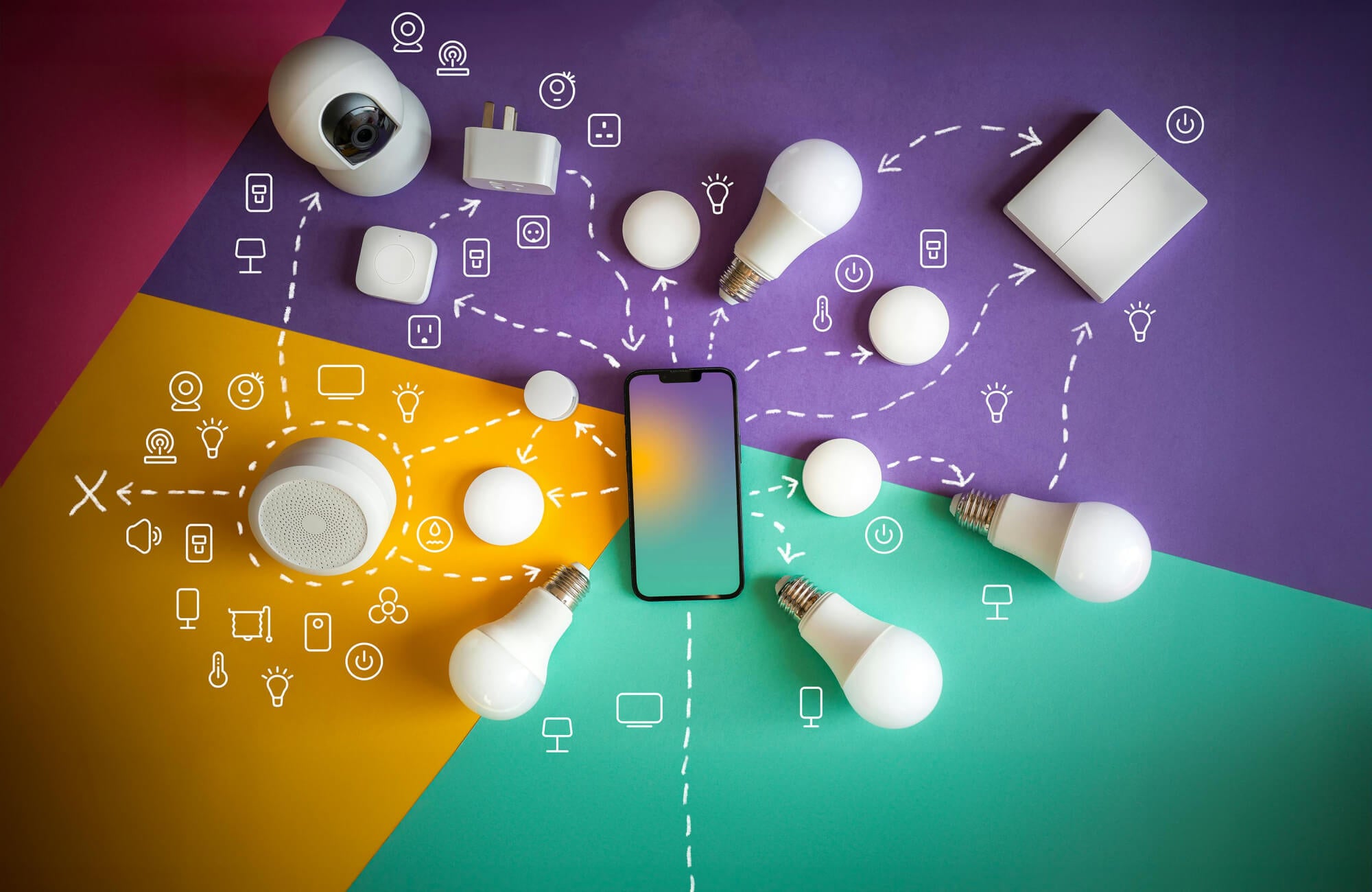
The main components of a smart lighting system work together to create this level of control. Smart bulbs are the most recognizable piece, equipped with built-in technology that responds to wireless signals. A hub or bridge may also be used to connect multiple devices, while mobile apps serve as the control center for customization. Voice assistants, such as Alexa or Google Assistant, add another layer of convenience by allowing hands-free operation. Together, these parts form the backbone of a connected lighting experience.
In everyday use, smart lighting fits seamlessly into household routines. For example, you can set timers so lights switch on at sunrise or dim in the evening for a more relaxed mood. Color-changing bulbs let you adjust the ambiance to suit special occasions or daily tasks. Remote control through an app also means you can switch off forgotten lights without rushing back home. These features combine to make lighting more intuitive, practical, and aligned with modern lifestyles.

How Do Smart Lighting Systems Work?
Smart lighting systems operate by using wireless communication to connect bulbs, switches, and hubs with the devices that control them. In this section, we’ll look at how signals are transmitted and managed, and how this technology makes everyday lighting more flexible and intuitive.
Wireless Communication (Wi-Fi, Bluetooth, Zigbee, Z-Wave)
Smart lights rely on wireless communication protocols to function. Wi-Fi connects bulbs directly to your home network, allowing app-based control from anywhere with internet access. Bluetooth, on the other hand, is a short-range option that links lights to a smartphone without needing a router. Zigbee and Z-Wave are mesh networks, meaning each device communicates with the others to extend coverage and reliability. Together, these options give homeowners flexibility in how their systems connect and respond.
Integration With Smart Home Devices
Smart lighting becomes even more powerful when paired with other smart home devices. For example, lights can sync with motion sensors so they turn on automatically when someone enters a room. Voice assistants such as Alexa, Google Assistant, or Siri allow hands-free operation, making it easy to dim or switch off lights with a simple command. Smart thermostats and security systems can also link to lighting to create unified home automation routines. This integration helps transform lighting from a basic utility into a connected lifestyle feature.
Cloud vs. Local Control
Smart lighting systems can operate through cloud-based servers or local networks. Cloud control allows users to manage lights remotely, even when they’re not at home, by routing signals through the internet. Local control, however, keeps commands within the home’s internal network, offering faster response times and improved privacy. Each method has its trade-offs—cloud systems provide more convenience, while local setups reduce dependence on internet stability. Many systems combine both approaches, giving homeowners the flexibility to choose the one that fits their needs best.
Different Types of Lighting Fixtures in Smart Systems
Smart lighting isn’t limited to standalone bulbs anymore; entire fixtures can now be part of a connected system. Below, we’ll look at the most common smart lighting options and how each one fits into modern homes, from everyday convenience to full-room design.
Smart Bulbs
Smart bulbs are often the starting point for anyone new to smart lighting. They can be easily swapped with standard bulbs, giving homeowners instant control over brightness, color, and scheduling through an app or voice assistant. This flexibility makes them perfect for renters or those who want to experiment without major changes. For example, color-changing bulbs can shift from bright white in the morning to warm amber in the evening. Because of their simplicity, smart bulbs remain one of the most accessible and versatile options.
Smart Switches and Dimmers
Smart switches and dimmers replace traditional wall controls and give users the ability to manage multiple lights at once. They’re especially useful for households that don’t want to replace every single bulb but still want centralized control. These devices allow dimming, on/off scheduling, and remote access, making them a practical upgrade for main living areas. They also work well with standard bulbs, which reduces the need for a full lighting overhaul. As a result, smart switches and dimmers often serve as a cost-effective way to modernize existing fixtures.
Smart Ceiling Fixtures and Recessed Lights
Smart ceiling fixtures and recessed lights provide whole-room coverage with integrated technology. Instead of controlling just one bulb, these fixtures bring smart features to the primary light source of the space. They can be adjusted for brightness and sometimes even color temperature, creating tailored environments for different activities. For instance, recessed smart lights can brighten a kitchen for cooking or dim for evening meals. These options are ideal for homeowners looking for a seamless, built-in solution that blends with the architecture of their home.
Smart Lamps and Accent Lighting
Smart lamps and accent lighting add layers of mood and style beyond the main fixtures. These can include table lamps, floor lamps, or strip lights that highlight specific areas like bookshelves or under cabinets. They’re often used to create ambiance, whether it’s a cozy reading nook or colorful accent lighting for entertaining. Many of these lights also integrate with routines, such as dimming automatically at night or syncing with music. Because they’re portable and decorative, smart lamps and accents are a popular choice for enhancing atmosphere as well as functionality.
The Benefits of Smart Lighting
Beyond simple convenience, smart lighting offers practical advantages that improve both daily life and long-term home efficiency. From saving on electricity to creating the right atmosphere, these systems provide benefits that go beyond what traditional lighting can offer.
Energy Efficiency and Cost Savings
One of the most appealing benefits of smart lighting is energy efficiency. Many smart bulbs use LED technology, which consumes less power than traditional incandescent or halogen lights. Scheduling features also ensure lights turn off automatically when not in use, cutting down on wasted energy. For example, a light that switches off as soon as you leave for work prevents unnecessary electricity use throughout the day. Over time, these small adjustments add up to noticeable savings on utility bills.
Customization and Ambiance
Smart lighting also gives homeowners the ability to personalize their spaces. You can adjust brightness levels for cooking, working, or relaxing, creating the right atmosphere for every moment. Color-changing options add another layer, letting you set warm tones for cozy evenings or cooler tones for focused tasks. This flexibility makes it easy to adapt the lighting to your mood, occasion, or activity. As a result, customization turns lighting into more than a utility—it becomes part of the home’s design and experience.
Security and Safety Enhancements
Another key advantage of smart lighting is the added sense of security it provides. Lights can be programmed to turn on automatically when you’re away, giving the impression that someone is home. Motion-activated smart lights are also helpful for outdoor spaces, deterring potential intruders and providing visibility at night. Indoors, smart lighting reduces the risk of accidents by illuminating dark areas as you move through them. These safety-focused features make smart lighting a valuable addition for both peace of mind and practical protection.
Potential Drawbacks and Considerations
Like any technology, smart lighting comes with its share of challenges. While the benefits are clear, it’s important to understand the limitations that may affect whether these systems are the right fit for every household.
Upfront Cost
One of the biggest concerns with smart lighting is the initial investment. Smart bulbs, switches, and fixtures are generally more expensive than their traditional counterparts. For instance, outfitting an entire home with connected bulbs can cost significantly more than replacing them with standard LEDs. While long-term savings may offset these costs, not every homeowner is ready for that upfront expense. This makes the price tag an important factor to consider before making the switch.
Compatibility Issues
Smart lighting systems can sometimes run into compatibility challenges with other devices or platforms. Not all bulbs work with every hub, and certain features may only function with specific apps or ecosystems. For example, a bulb designed for one brand’s app might not integrate smoothly with a different voice assistant. This can lead to frustration, especially for those trying to build a seamless smart home experience. Ensuring compatibility upfront is key to avoiding technical headaches later on.
Dependence on Internet/Apps
Another drawback is how heavily smart lighting often relies on internet connections and apps. Cloud-based systems, for instance, may not work properly during outages or if the Wi-Fi signal is weak. Even local-control setups still depend on apps or hubs that require occasional updates. This reliance can be inconvenient for households that prefer simplicity or have inconsistent internet service. In these cases, the added technology might feel more like a hassle than a convenience.
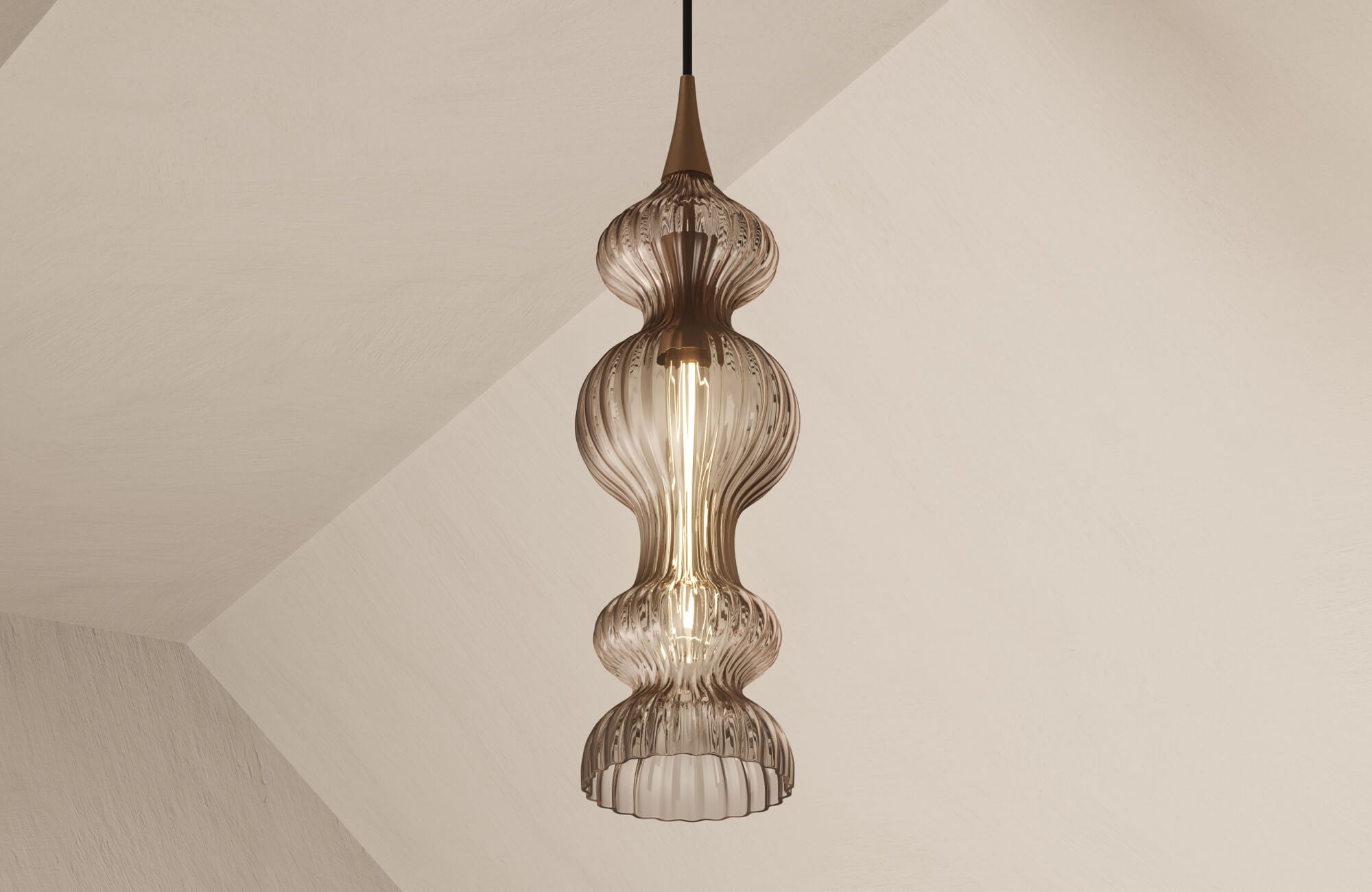
If smart lighting doesn’t feel like the right choice, you can still create beautiful and functional spaces with timeless fixture upgrades. Our collection features options such as our Satine Pendant in Aged Brass Bronze, as seen above, along with Sconces, Chandeliers, Flush Mounts, Picture Lights, and Linear designs—each bringing style and dependable performance without the need for added technology.

Are Smart Lighting Systems Worth It?
Smart lighting systems can be a valuable upgrade, but their worth depends heavily on how you use your home and what you prioritize. For many people, the convenience of scheduling, dimming, and voice control makes daily routines easier. These features also add comfort and efficiency, which can justify the higher upfront cost. At the same time, the true value lies in whether these benefits align with your household’s habits and needs.
For families and energy-conscious homeowners, smart lighting often proves its value quickly. Motion-activated lights and timers can improve safety, while automation reduces wasted energy. Tech-savvy users also appreciate how seamlessly these systems integrate with other smart devices, creating a connected home experience. The ability to personalize ambiance with color and brightness adds another layer of enjoyment. In these situations, smart lighting enhances both practicality and lifestyle.
However, smart lighting may not be the right fit for everyone. Households that prefer simplicity or live in smaller spaces may find the technology unnecessary. Dependence on apps and internet connections can also feel like an inconvenience rather than an advantage in some settings. For those who only need basic illumination, traditional LED lights may provide the same benefits at a fraction of the cost. Ultimately, the decision comes down to whether the added functionality justifies the expense and complexity.
Making the Right Choice for Your Home
Smart lighting systems show how far everyday technology has come, turning simple switches into tools for convenience, efficiency, and safety. For many households, the ability to automate routines, save energy, and personalize spaces makes them a worthwhile upgrade. At the same time, the drawbacks such as cost, compatibility, or internet dependence mean they aren’t the best fit for everyone. The key is weighing these pros and cons against your lifestyle and deciding whether the technology truly adds value to your home.
If you’d rather keep things simple, you can still transform your space with timeless fixtures that provide both function and style. Our design consultation can help you select the right options, whether you’re upgrading to smart lighting or choosing classic alternatives. Either way, thoughtful lighting design ensures your home feels as practical as it is beautiful.
Follow us on Instagram
@EDWARD.MARTIN
)
)
)
)
)
)
)
)
)
)
)
)
)
)
)
)