
)
)
)
)
)
)
)
)
How Can You Tell If An Outdoor Porcelain Tile Is High Quality?
Choosing outdoor porcelain tiles isn’t just about picking a color or pattern; it’s about understanding what makes a tile truly durable, safe, and visually consistent in real-life conditions. From sunny patios to wet pool decks, the right tile can make or break your outdoor project over time.
In this article, we’ll walk through how to tell if an outdoor porcelain tile is high quality. We’ll cover technical specs like slip resistance and PEI ratings, as well as visual cues like edge precision and print detail. If you’re planning an upgrade, this guide will help you spot what’s worth investing in.
Tile Composition and Manufacturing Standards
Not all porcelain tiles are created equally, especially when it comes to outdoor use. From how they're made to the way they're finished, manufacturing standards play a huge role in determining how well a tile performs under sun, rain, or frost. Below, we’ll break down the core markers of quality that you can actually spot on the spec sheet or in the tile’s edgework.
Pressed and Kiln-Fired Durability
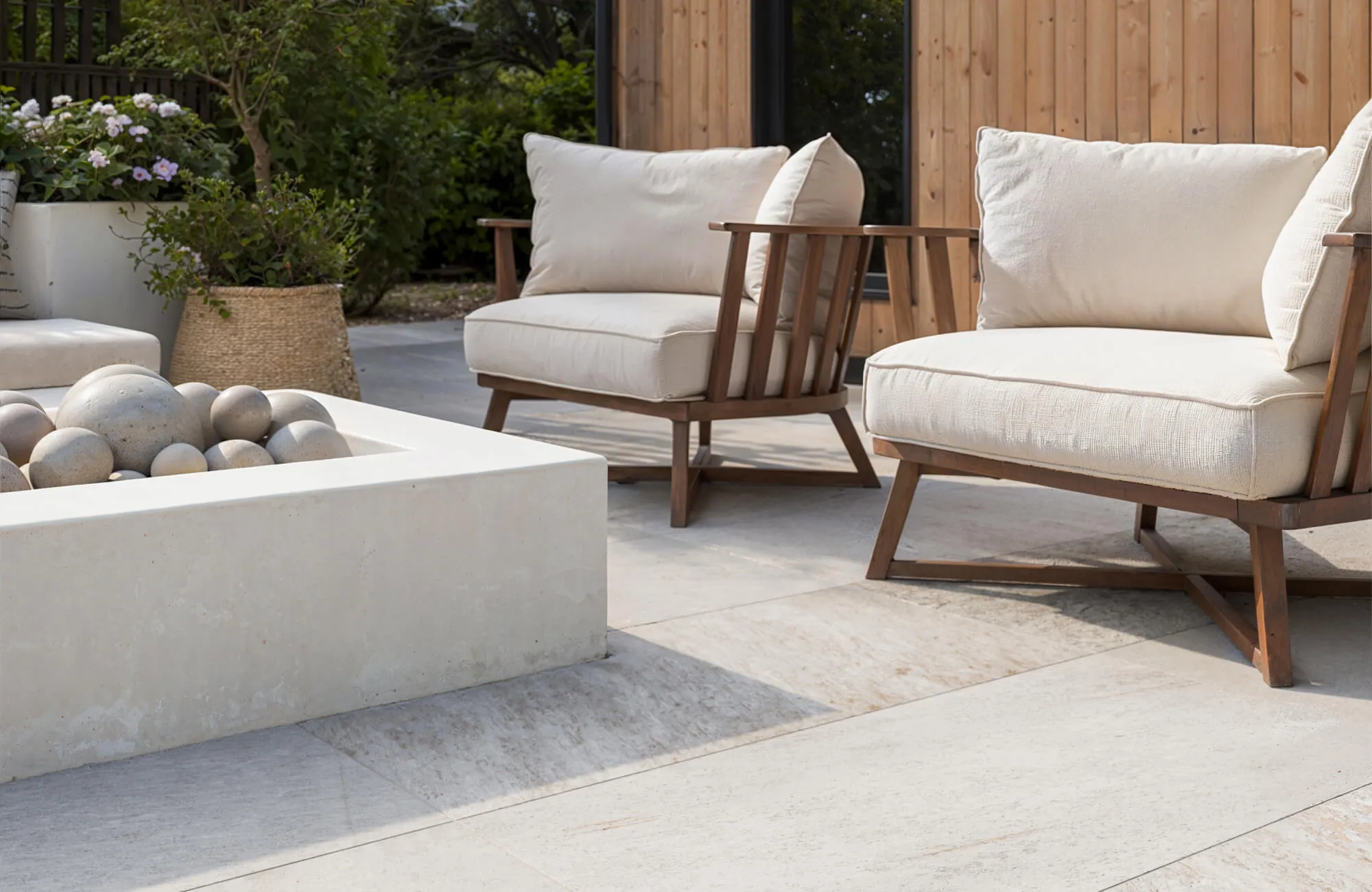
High-quality outdoor porcelain tiles, such as our Ramsey 24x48 Grip Porcelain 2cm Paver Tile in Putty above, go through a process called dry pressing and high-temperature kiln firing. This combination compacts the clay tightly and vitrifies the tile, meaning it becomes non-porous and incredibly dense. That density translates to strength, allowing the tile to resist cracking, moisture absorption, and long-term weather damage.
Also, vitrification helps the tile maintain a consistent texture and tone even after years of outdoor exposure. A well-fired tile won’t absorb water easily, which makes it less likely to freeze, warp, or stain. When reviewing product specs, check for mentions of water absorption rates under 0.5%; it is a good benchmark for outdoor performance.
Look for Rectified Edges
Rectified tiles are mechanically trimmed after firing to achieve perfectly uniform edges. This means you can install them with minimal grout lines, which not only looks cleaner but also reduces areas where dirt, moisture, and weeds could settle between pavers. It's a detail that gives outdoor spaces a more seamless, contemporary finish.
This edge precision also helps if you're working on larger-scale outdoor layouts, where consistency is key to keeping things visually aligned. Edward Martin’s outdoor porcelain tiles, for instance, are selected with rectification in mind, ensuring tighter fits and less visual disruption across patios, walkways, and garden areas.
PEI Rating and Frost Resistance
The PEI (Porcelain Enamel Institute) rating measures how well a tile surface holds up to wear. For outdoor tiles, you’ll want a rating of at least PEI 4 or 5, which indicates strong resistance to abrasion from usage, weather, or outdoor furniture. It’s a quick way to tell if a tile is built to last outside.
In colder regions, frost resistance is just as important. Tiles labeled as frost-resistant or with a tested absorption rate under 0.5% are less likely to crack during freeze-thaw cycles. That small detail can make a big difference in maintaining a patio’s appearance and structure over time, especially through changing seasons.
Surface Texture and Slip Resistance
When choosing porcelain tiles for outdoor use, surface feel isn’t just about looks—it plays a big role in safety, too. Especially around wet areas like pool decks, patios, or garden paths, slip resistance becomes a key factor. Below, we’ll walk through what to look for on tile specs and how premium options strike the right balance between grip and comfort.
R Ratings and Outdoor Use
Slip resistance is often measured using R ratings, which range from R9 (least slip-resistant) to R13 (most grippy). For outdoor spaces, particularly those exposed to rain or near water features, tiles rated R11 or higher are typically recommended. These provide enough traction to reduce the risk of slipping, even when surfaces are wet.
Also, some countries or manufacturers list slip resistance using alternative systems like the DCOF (Dynamic Coefficient of Friction), but R ratings remain a solid, easy-to-spot indicator. If you’re shopping for safe outdoor flooring, be sure to check for that number, especially in areas where water or weather exposure is common.
Feel the Grip Without the Grit
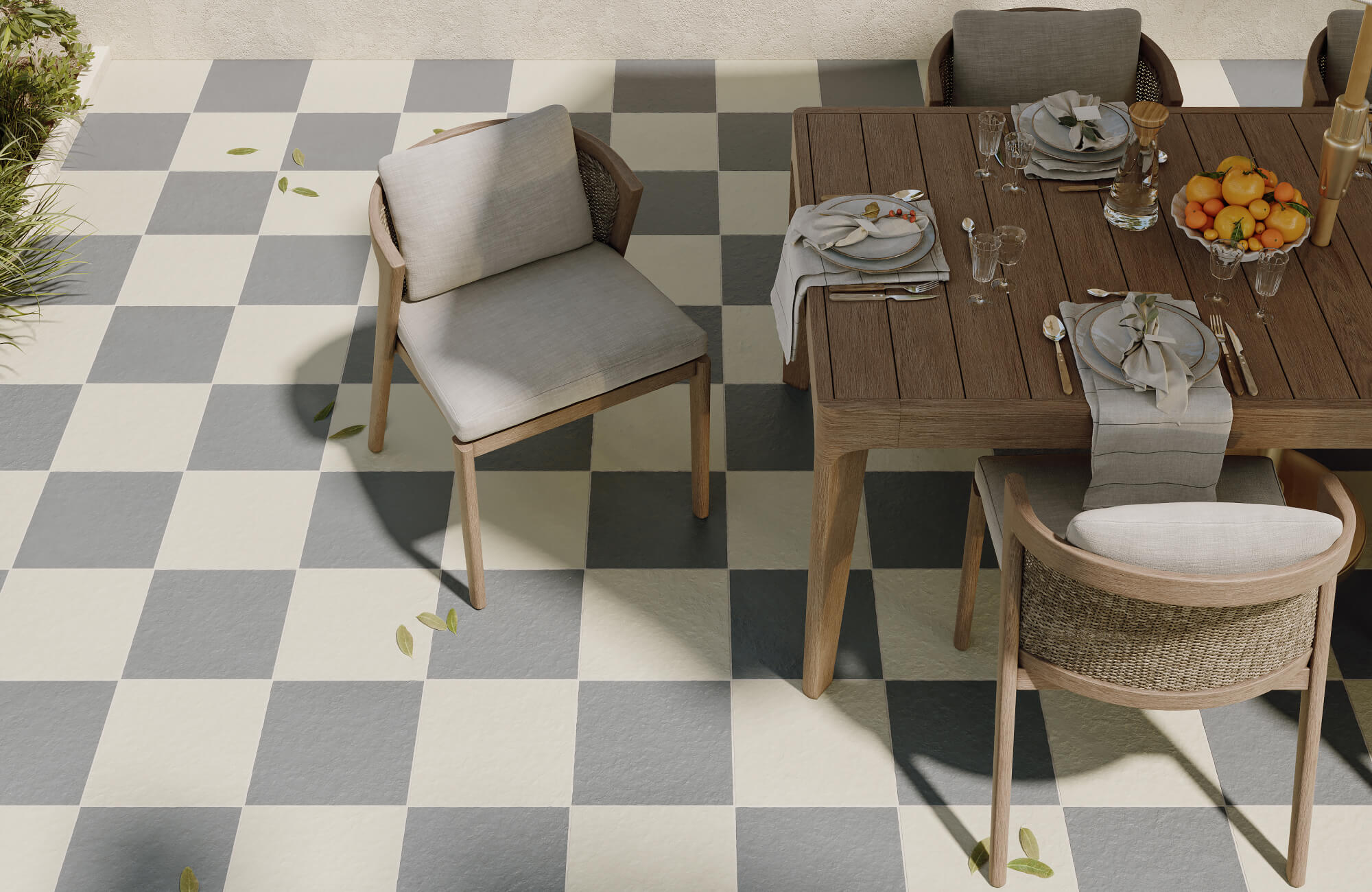
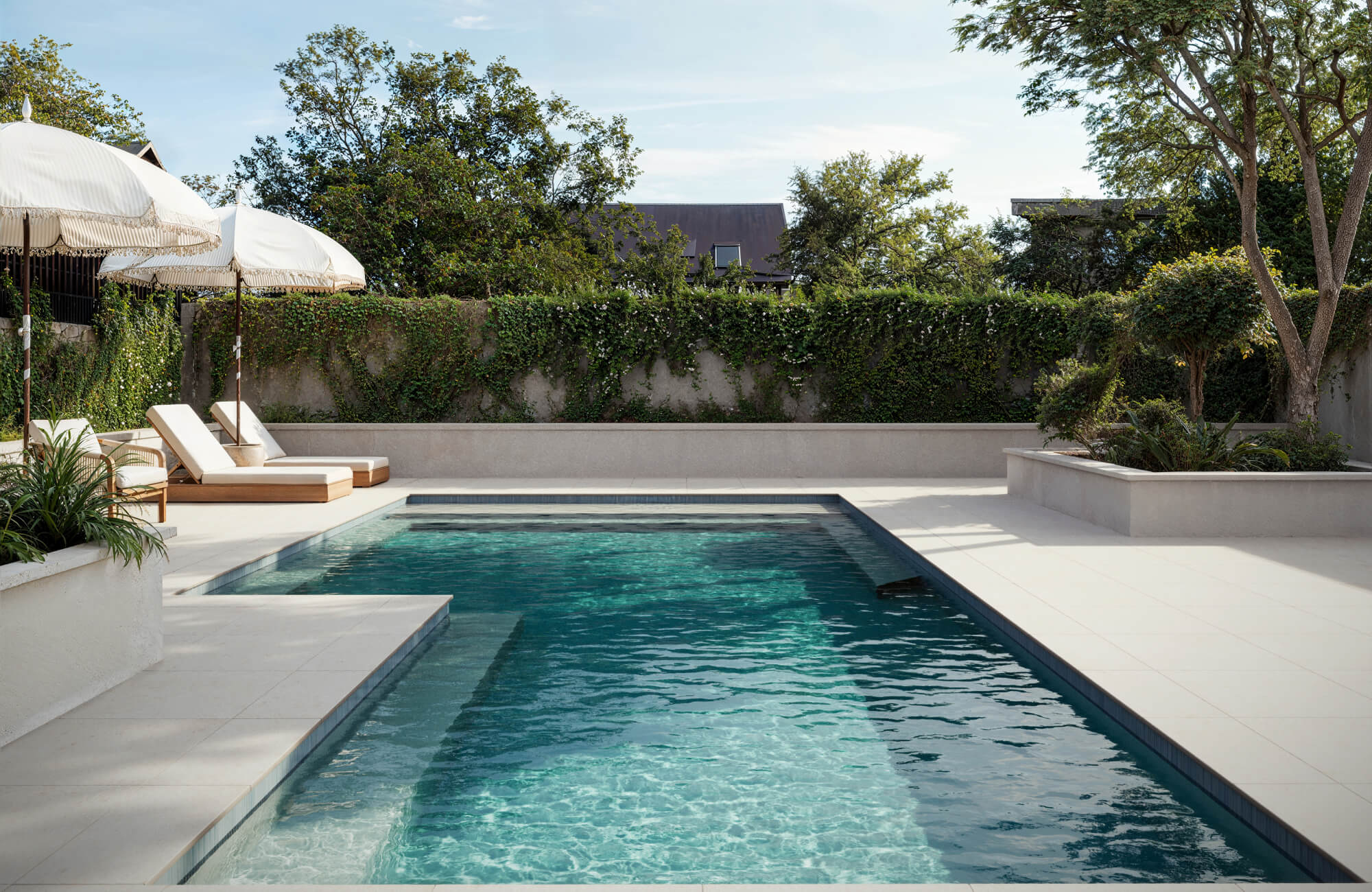
Not all slip-resistant tiles feel harsh underfoot. High-quality options, some outdoor porcelain tiles, are engineered with micro-textures, such as our Palmer 12x12 Checkerboard Raw Porcelain Tile in White and Grey above, that offer solid traction without feeling overly rough. This makes them comfortable for bare feet while still offering peace of mind in wet or high-moisture settings.
For instance, a tile might feature a lightly structured surface that mimics stone or brushed concrete, providing visual appeal and subtle grip at once. You won’t get that sandpaper-like feel that comes with lower-end anti-slip coatings, but you’ll still enjoy steady footing when it counts most.
Design Consistency and Visual Quality
Not all porcelain tiles are created with the same level of visual care. Below, we’ll look at the key design traits, like sharp detailing and consistent color, that signal true craftsmanship and help your outdoor space feel intentional, not patchy.
Sharp Print Detail and Color Quality
With modern porcelain tiles, especially those designed for outdoor spaces, digital printing has become the standard for creating realistic stone or wood effects. High-quality tiles feature rich, layered color depth with clear transitions and no pixelation or blurring. This attention to detail allows each tile to hold its visual weight, whether viewed up close or across an open area. For instance, the finer the pattern and shading, the more it mimics real stonework, something you’ll often see in high-end collections.
Top-tier manufacturers also use multiple print faces to prevent obvious repetition. That way, no two tiles look exactly alike, which adds to the realism. It’s a small detail, but it matters when you’re covering a full patio or pool deck. A visually authentic tile layout feels more cohesive, polished, and thoughtfully designed.
Consistency Across Batches
When you’re working with dozens or even hundreds of tiles in a single project, batch consistency becomes essential. Cheaper tiles often vary from one production lot to another, which can result in noticeable differences in tone or finish that disrupt the look of your space. With high-quality tiles, manufacturers maintain strict controls to ensure every box delivers uniform color and texture, reducing surprises during installation.
Edward Martin, for example, carefully manages its production runs to help ensure seamless transitions from box to box. This makes it easier to plan layouts and feel confident that what you ordered is exactly what you’ll get, no odd patches, no strange shade shifts. If you're designing a space that relies on harmony and flow, this level of consistency is a must.
Resistance to Outdoor Conditions
Outdoor porcelain tiles should do more than just look good; they need to hold up through changing seasons, heat waves, and heavy rain. Below, we��ll break down two key performance factors that help determine if your tile will stay strong and sharp no matter the weather.
UV Fade Resistance
A quality outdoor tile shouldn’t bleach out after one summer. Look for products that are rated for UV resistance; these tiles maintain their color depth and surface pattern even under intense sunlight. This is especially important for areas like patios, pool surrounds, and balconies where sun exposure is constant. If the tile fades unevenly, it can ruin the visual flow of your design and make newer pieces hard to match later.
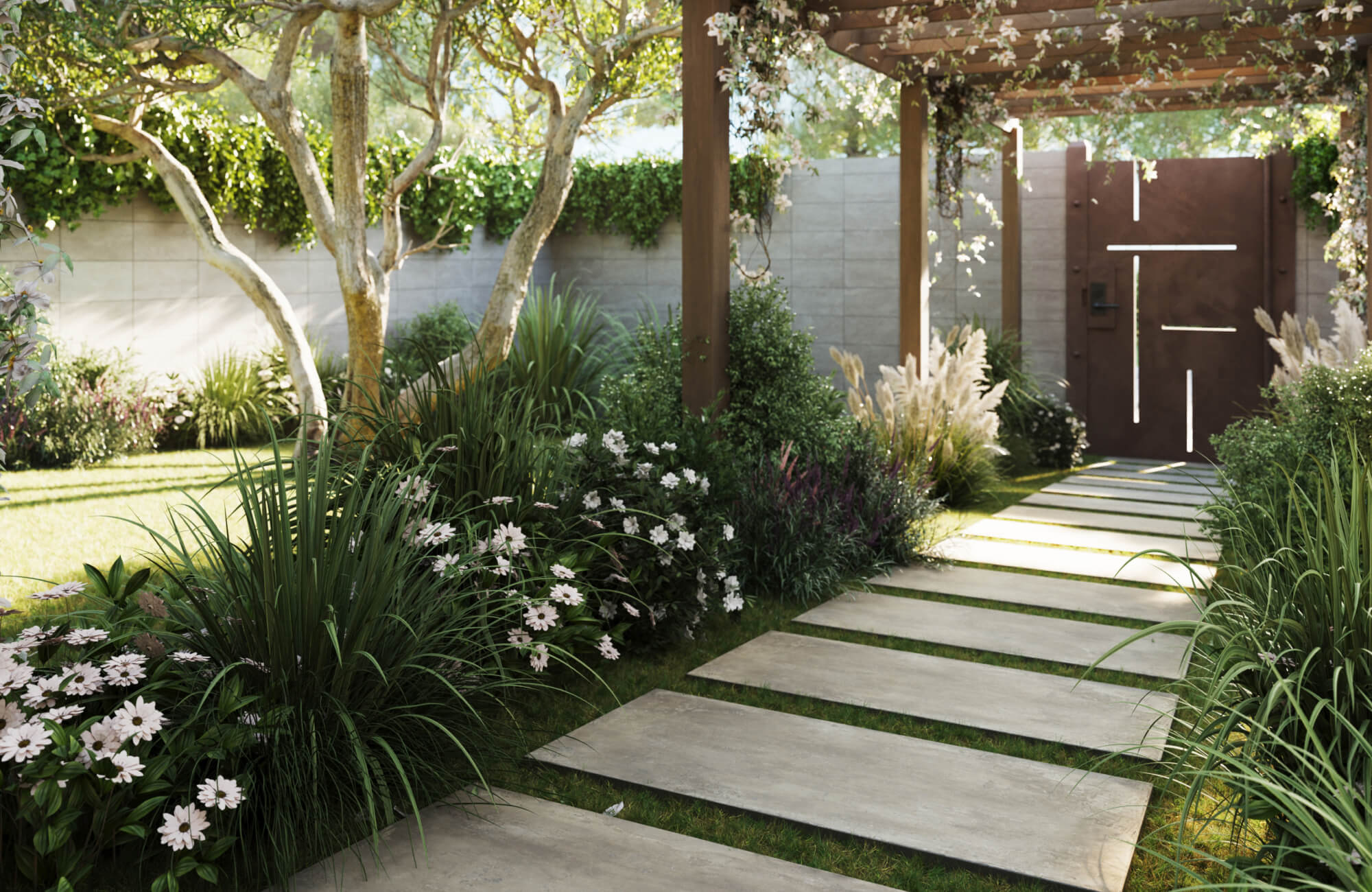
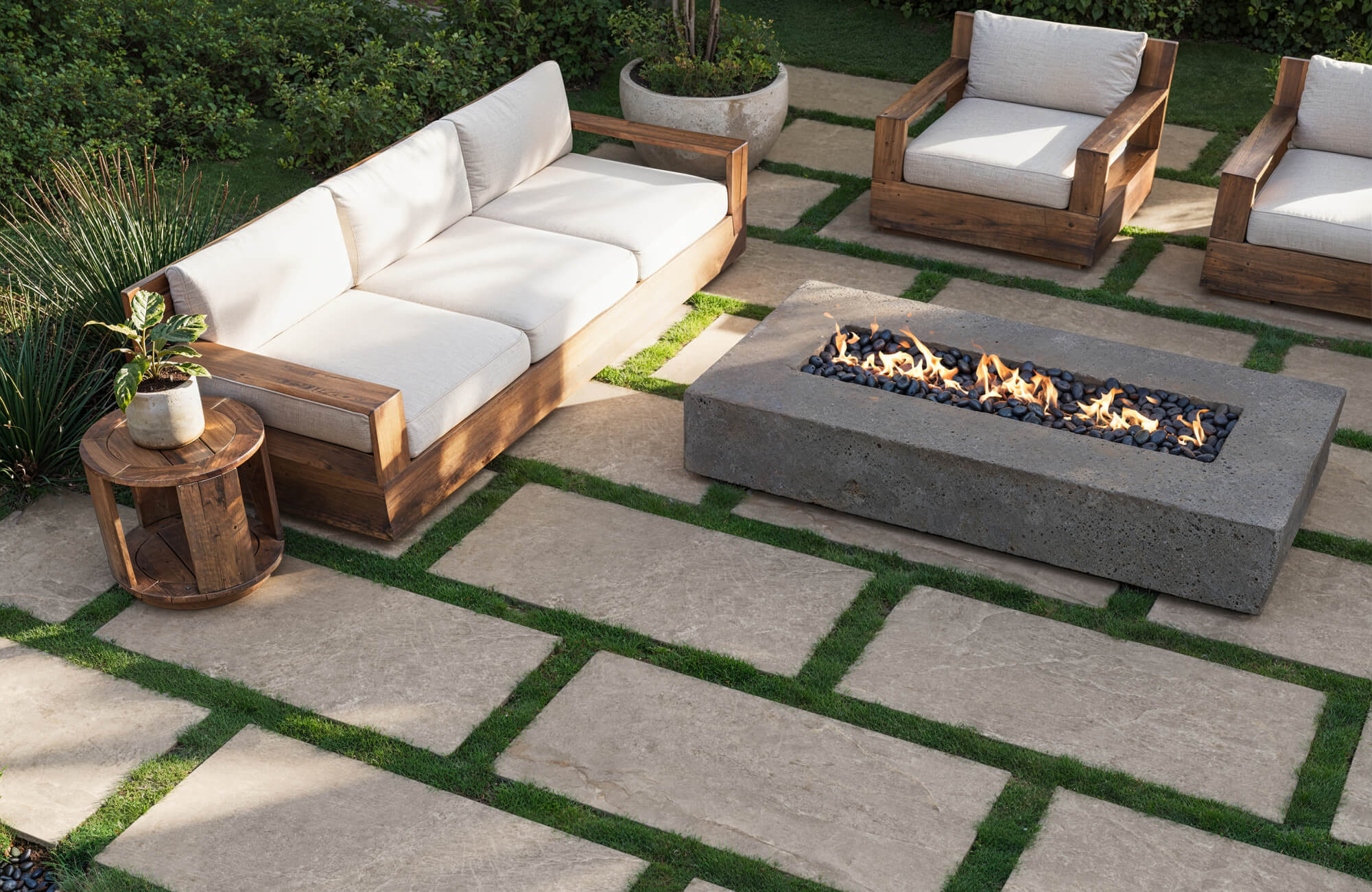
Many premium tiles, like our Dawson 24x48 Grip Porcelain 2cm Paver Tile in Pewter above, use fade-resistant glazes and top-tier digital printing to prevent this problem. These small design decisions make a big difference in how well your tile maintains its appearance over time, subtle details that signal high-end quality from the start.
Thermal Shock and Expansion
Outdoor environments can push tile materials to their limits, especially in regions where temperatures shift quickly. Porcelain performs exceptionally well in this regard because it's fired at high temperatures, making it dense and less likely to absorb water that can freeze and expand. This reduces the risk of cracking, flaking, or surface distortion over time.
Also, well-made porcelain tiles are designed with controlled expansion tolerances, meaning they stay stable even when exposed to both summer heat and winter cold. When paired with proper spacing and installation, they’ll last for years without showing signs of stress or movement, ideal for patios, pathways, and rooftop terraces.
Certifications, Standards, and Warranties
When choosing outdoor porcelain tiles, industry certifications can offer real insight into quality. International benchmarks like EN (European Norm) and ISO (International Organization for Standardization) standards cover everything from slip resistance to frost durability, two critical features for outdoor use. For instance, frost resistance ensures the tile won’t crack in freezing conditions, while slip ratings provide peace of mind for wet areas like pool decks or patios. A tile that meets or exceeds these standards has already passed rigorous performance testing, so it’s not just a visual upgrade—it’s a structural one, too.
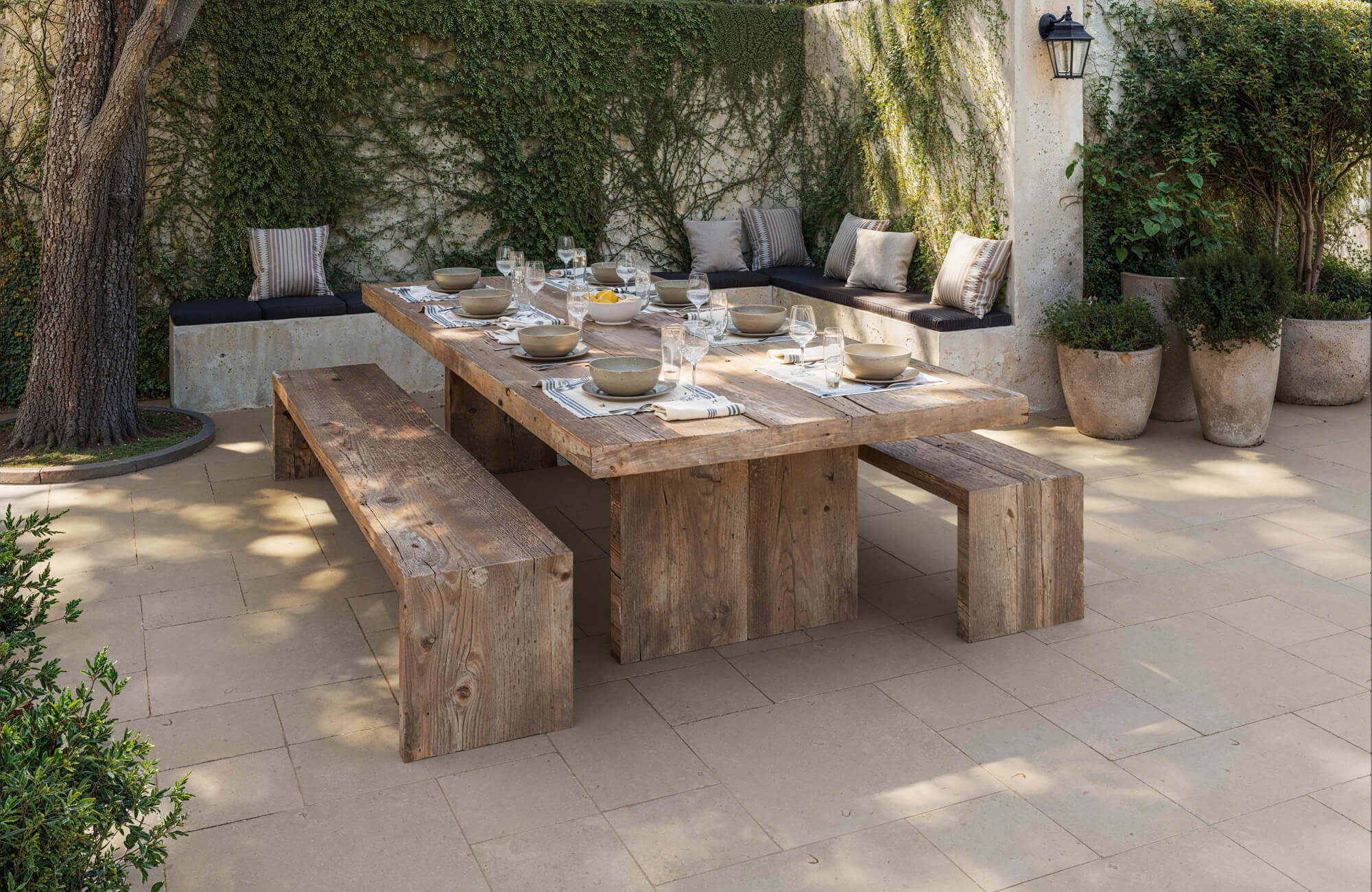
At Edward Martin, many of our porcelain pavers, like our Wren 24x24 Grip Porcelain 2cm Paver Tile in Dune above, are made to meet these benchmarks, which helps ensure they stand up to unpredictable climates. These tiles are often designed with outdoor conditions in mind, resisting wear, moisture, and holding their shape and finish for years. It’s a subtle mark of quality, but a meaningful one.
Warranties are another strong signal of a tile’s reliability. A comprehensive warranty means the manufacturer is confident in how their tile will perform over time, especially when installed correctly. It's also worth noting that better warranties usually come from brands that invest more in their product testing and materials. Choosing a tile backed by a solid warranty helps protect not only your patio but also your peace of mind.
Real-World Installation and Performance
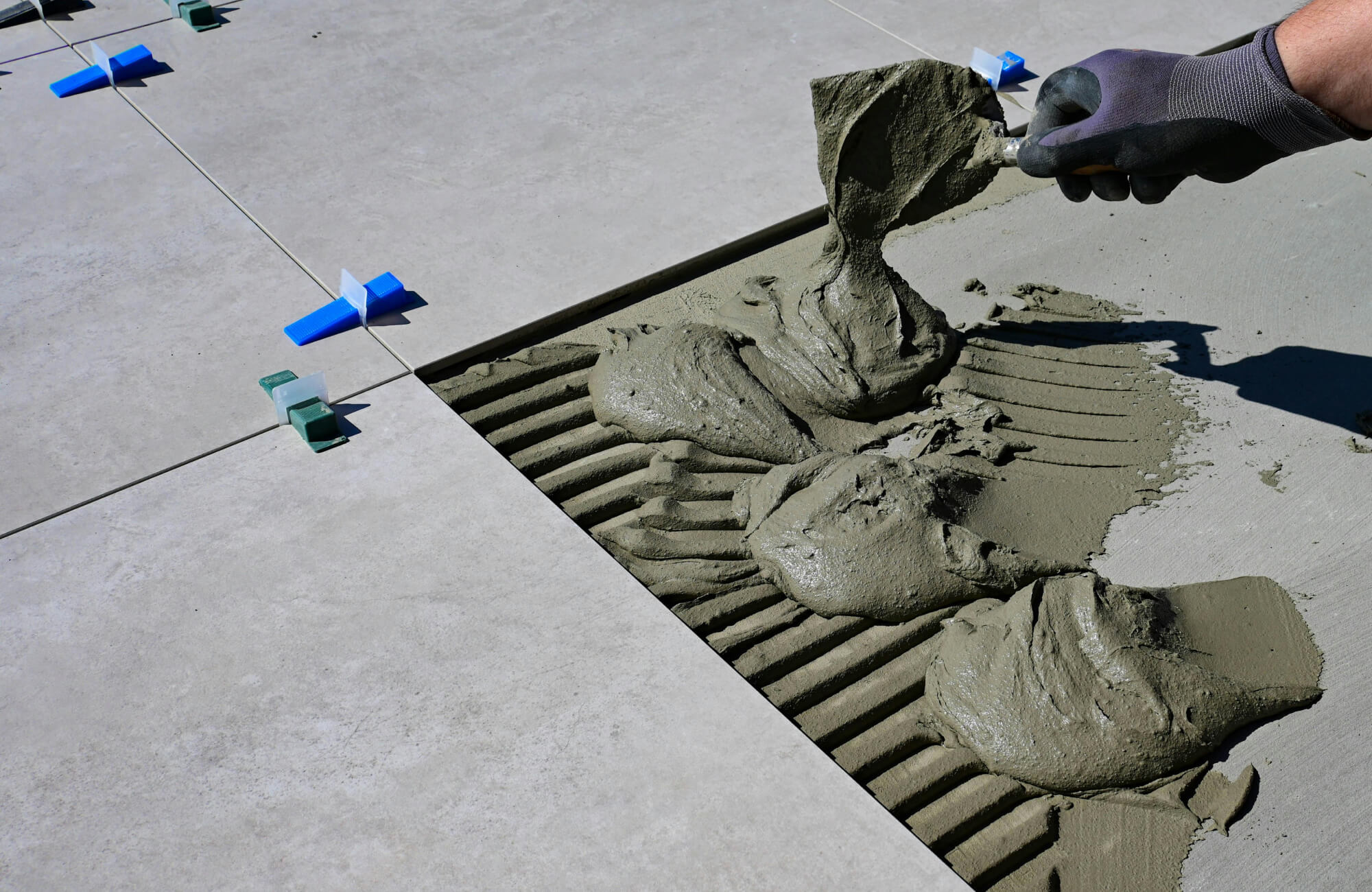
Beyond the specs on paper, high-quality porcelain tiles reveal their value during installation and everyday use. Well-made tiles tend to be more consistent in size and thickness, which simplifies layout and spacing, especially in large outdoor areas. They also cut more cleanly, with fewer chipped edges or uneven breaks, which helps installers achieve a smoother, more polished finish. This can speed up the project and reduce material waste, saving both time and cost. When working with better-quality tiles, the entire process feels more precise and professional.
Once installed, premium porcelain performs with ease. It resists common outdoor nuisances like stains, algae, and weather-related discoloration, keeping patios, pathways, and pool surrounds looking fresh with minimal upkeep. For example, spills from outdoor dining or muddy feet can usually be wiped away without effort, thanks to the tile’s dense surface. Over time, this durability pays off by reducing the need for scrubbing, sealing, or frequent replacement. It’s this lasting performance that sets truly high-quality outdoor tiles apart from the rest.
Why Quality Tiles Make the Difference
High-quality outdoor porcelain tiles aren’t defined by one single feature; they’re the result of careful manufacturing, thoughtful design, and consistent performance. From kiln-fired density and rectified edges to UV resistance and realistic finishes, it’s the small details that signal whether a tile will hold up through seasons of use or fall short after a few months. Paying attention to specs like slip ratings, PEI scale, and lot consistency can give you a clearer picture of what’s built to last.
Edward Martin’s outdoor porcelain pavers quietly meet these expectations, offering strong durability, design consistency, and features that support safer, low-maintenance outdoor living. Whether you’re reworking a garden path or building out a pool deck, choosing a tile that meets real-world demands ensures your space stays both beautiful and functional for years to come. To explore your options, you can request samples or book a design consultation to find the perfect fit for your space.
Follow us on Instagram
@EDWARD.MARTIN
)
)
)
)
)
)
)
)
)
)
)
)
)
)
)
)