Wood look tile has become one of the most sought-after flooring options for those who love the warmth of wood but want the durability of tile. Advances in digital printing and manufacturing have made porcelain wood look tile nearly indistinguishable from real hardwood, yet questions still arise about how it performs under daily wear.
Scratches, dents, dropped objects, pet movement, and long-term aging are all real concerns when choosing a floor that needs to look beautiful for decades. Understanding how wood look tile compares structurally and practically to natural hardwood helps clarify why these materials behave so differently over time.

Comparing The Structural Density Of Materials
At the core of the difference between hardwood and wood look tile is how each material is formed and how that structure responds to force. While both may share a similar appearance, their internal composition tells a very different story when it comes to scratching, denting, and long-term durability.
The Janka Scale Versus The Mohs Scale
Hardwood flooring is commonly evaluated using the Janka hardness scale, which measures how much force it takes to embed a steel ball halfway into a piece of wood. Even the hardest domestic woods, such as hickory or maple, still fall within a relatively narrow range because all wood is organic and fibrous by nature. Those fibers can compress, separate, and permanently deform when subjected to pressure or impact.
Porcelain tile, including wood look tile, is measured using the Mohs hardness scale, which evaluates resistance to scratching rather than indentation. Porcelain ranks significantly higher on this scale than any wood species, meaning it resists abrasion from sharp or gritty materials far more effectively. This difference alone explains why everyday objects that mark hardwood rarely leave a trace on porcelain surfaces.
How High Heat Firing Creates Stone Like Hardness
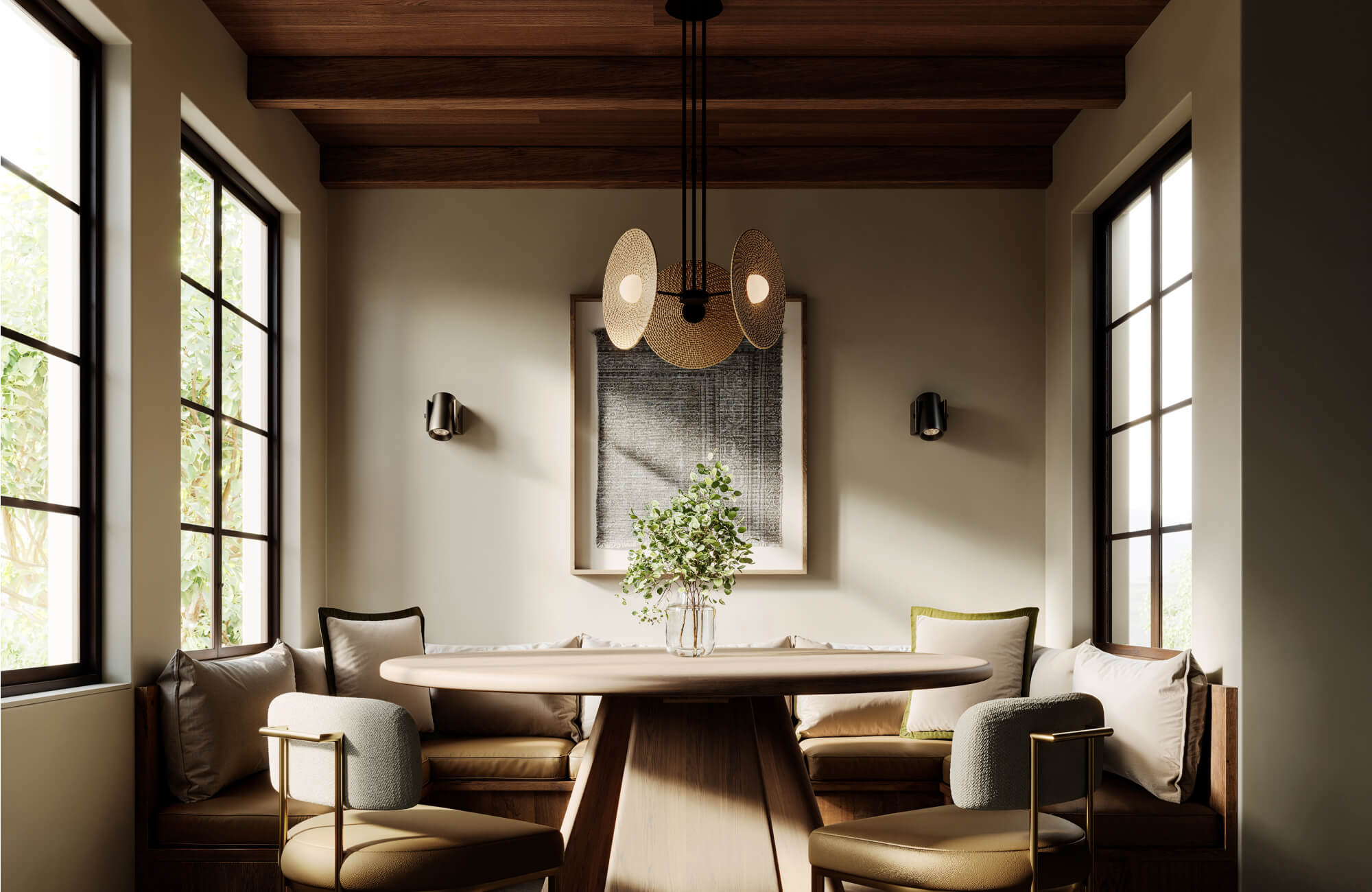
Porcelain tile begins as refined clay and mineral powders that are pressed under extreme pressure and fired in kilns at temperatures exceeding 2,000 degrees Fahrenheit. This process vitrifies the material, essentially transforming it into a dense, stone-like body with minimal porosity. The result is a surface that is exceptionally hard and stable, similar in performance to stone look tile, with none of the cellular structure found in wood, as seen with Edward Martin’s Preston 8x48 Matte Porcelain Tile in Pine in the image above.
Hardwood, by contrast, is air-dried or kiln-dried but never loses its internal cellular framework. Those microscopic air pockets are what allow wood to flex slightly under load, but they are also what make it vulnerable to dents, scratches, and moisture-related movement. The high heat firing of porcelain eliminates those weaknesses entirely.
Understanding PEI Ratings For Surface Wear
Another important metric for evaluating durability is the Porcelain Enamel Institute rating, commonly known as the PEI rating. This scale measures a tile’s resistance to surface wear caused by foot fall over time. Wood look tiles designed for residential and light commercial use typically carry ratings that far exceed what is necessary for a home environment.
Hardwood floors have no comparable standardized wear rating. Their performance depends on finish thickness, wood species, and maintenance habits. Even well-finished hardwood will gradually show wear paths, dulling, and micro-scratches in busy areas, while porcelain tile maintains its surface integrity year after year.

How Everyday Life Affects Surface Integrity
Daily living introduces countless small stresses that gradually reveal the strengths and weaknesses of a flooring material. Pets, shoes, furniture, and outdoor debris all interact with the floor in ways that can either preserve its appearance or slowly degrade it.
Why Dog Claws Cannot Penetrate Porcelain Glaze
One of the most common concerns among homeowners is pet damage, especially from large dogs. Hardwood floors are particularly susceptible to scratches from dog claws because the claws concentrate force into a small point, easily cutting through polyurethane finishes and into the wood fibers below.
Porcelain wood look tile is protected by a fired glaze that is far harder than keratin, the material that makes up dog claws. Even energetic pets running across the floor are unable to scratch the surface under normal conditions. This makes wood look tile an ideal solution for households that want the look of wood without constantly worrying about visible pet wear.
The Effect Of High Heels And Furniture Legs
High heels and narrow furniture legs apply intense pressure to very small surface areas. On hardwood, this pressure often exceeds the wood’s ability to rebound, resulting in permanent dents that accumulate over time. Dining areas, entryways, and seating zones commonly show these marks within a few years.
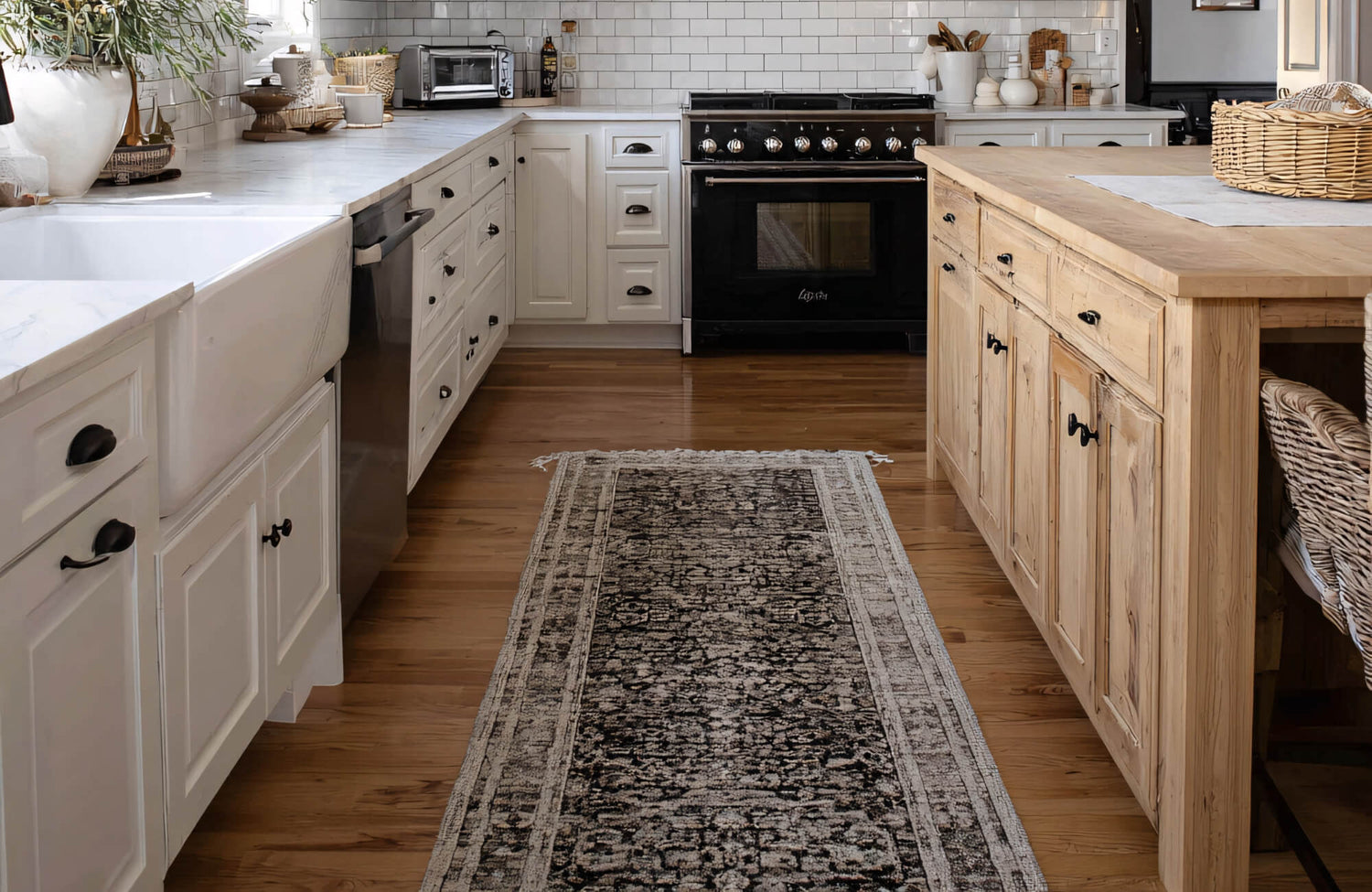
Porcelain tile distributes that pressure across a much harder surface that does not compress. While extreme point loads can theoretically damage tile, typical residential use does not generate enough force to affect the surface. As demonstrated by Edward Martin’s Jameson 8x48 Matte Porcelain Tile in Latte, wood look tile maintains a flat, uniform appearance even in areas that see frequent furniture movement.
Tracking Grit And Sand In Entryways
Grit and sand are among the most damaging elements for hardwood floors. Tiny mineral particles act like sandpaper underfoot, gradually abrading finishes and dulling the surface. Entryways and hallways often show visible wear patterns that cannot be fully reversed without refinishing.
Porcelain tile is inherently resistant to abrasion from mineral grit. While dirt may accumulate on the surface, it does not scratch or wear down the glaze in the same way. Routine cleaning is usually enough to restore the floor’s appearance, even in active zones connected to outdoor spaces.

The Truth About Dents And Heavy Impact
While scratches are a common concern, dents and impact damage raise a different set of questions. Understanding how each material reacts to sudden force helps set realistic expectations for long-term performance.
Why Wood Fibers Compress Under Pressure
Wood is a natural composite of fibers bound together by lignin. When a heavy object presses into the surface, those fibers compress and sometimes fracture, leaving a visible depression. Even dense hardwoods cannot fully recover from this type of stress, which is why dropped objects or heavy furniture often leave lasting marks.
This compressibility is not a flaw but an inherent characteristic of wood. It contributes to its warmth and resilience underfoot, but it also explains why denting is unavoidable over time, regardless of finish quality.
The Brittle Nature Of Ceramic And Chip Risks
Porcelain tile does not dent because it lacks fibers that can compress. Instead, it behaves more like stone. Under extreme force, tile is more likely to chip or crack than deform. However, the force required to damage a properly installed porcelain tile floor is far greater than what most residential environments produce.
Modern wood look tiles are manufactured with rectified edges and consistent thickness, allowing for professional installations that minimize stress points. In applications like Edward Martin’s Jameson 8x48 Matte Porcelain Tile in Umber shown in the image above, this precision helps reduce the likelihood of impact-related damage under normal household conditions.
Dealing With Dropped Cast Iron Skillets
A common scenario often cited in durability discussions is the dropped cast iron skillet. On hardwood, such an impact almost guarantees a dent or gouge, often penetrating through the finish into the wood itself. Repair typically involves sanding, filling, or board replacement, all of which can disrupt the uniformity of the floor.
On porcelain tile, the outcome depends on the angle and height of the drop. While the tile may survive without damage, there is a possibility of chipping if the impact is severe. The key difference is that these incidents are rare and localized, whereas hardwood damage from everyday use accumulates gradually across the entire floor.

Evaluating Long Term Aging And Repair
Durability is not only about resisting damage but also about how a floor ages and how easily it can be maintained or repaired over time. This is where wood look tile often demonstrates its greatest advantage.
The Benefit Of Never Needing To Sand Or Refinish
Hardwood floors require periodic refinishing to maintain their appearance. This process is disruptive, costly, and limited in frequency, as each sanding removes material from the boards. Over decades, this inevitably shortens the lifespan of the floor.
Wood look tile requires no sanding, sealing, or refinishing. Its color and pattern are fired into the surface, meaning they do not wear away with use. Routine cleaning is sufficient to keep the floor looking consistent, even after many years.
Repairing A Single Tile Versus A Whole Floor
When hardwood is damaged beyond surface scratches, repairs can be challenging. Replacing individual boards often results in color mismatches due to aging, sunlight exposure, and finish variation. Even well-executed repairs may remain visible.
With wood look tile, individual tiles can be replaced without affecting the surrounding floor, provided extra material is available. Because porcelain does not fade or patina like wood, the repaired area blends seamlessly, preserving the overall aesthetic.
Aesthetic Consistency Over Decades Of Use
One of the most overlooked aspects of flooring performance is visual consistency. Hardwood floors change over time, developing patina, fading in sunlit areas, and darkening under rugs and furniture. While some homeowners appreciate this evolution, others find it uneven and difficult to manage.
Porcelain wood look tile maintains its original appearance regardless of light exposure or movement patterns. With finishes like Edward Martin’s Preston 8x48 Matte Porcelain Tile in Birch, as shown in the image above, homeowners can expect consistent tone, grain definition, and color clarity for decades. For those who value long-term visual stability and predictable aging, this consistency is a significant advantage.
The Indestructible Wood Aesthetic
Wood look tile does not scratch or dent like real hardwood because it is fundamentally different at a structural level. Its stone-like density, fired glaze, and resistance to abrasion allow it to withstand daily life in ways that natural wood cannot. While no material is entirely indestructible, porcelain wood look tile comes remarkably close in residential settings, especially when homeowners can preview the look in context using Edward Martin’s Augmented Reality (AR) Visualization Tool before making a decision.
For those who love the warmth and character of wood but want a floor that stands up to pets, guests, furniture, and time itself, wood look tile offers a compelling solution. After visualizing how a tile will appear in their own space, customers can confidently order a tile sample from Edward Martin to experience the color, texture, and finish firsthand, ensuring the final choice feels just right.