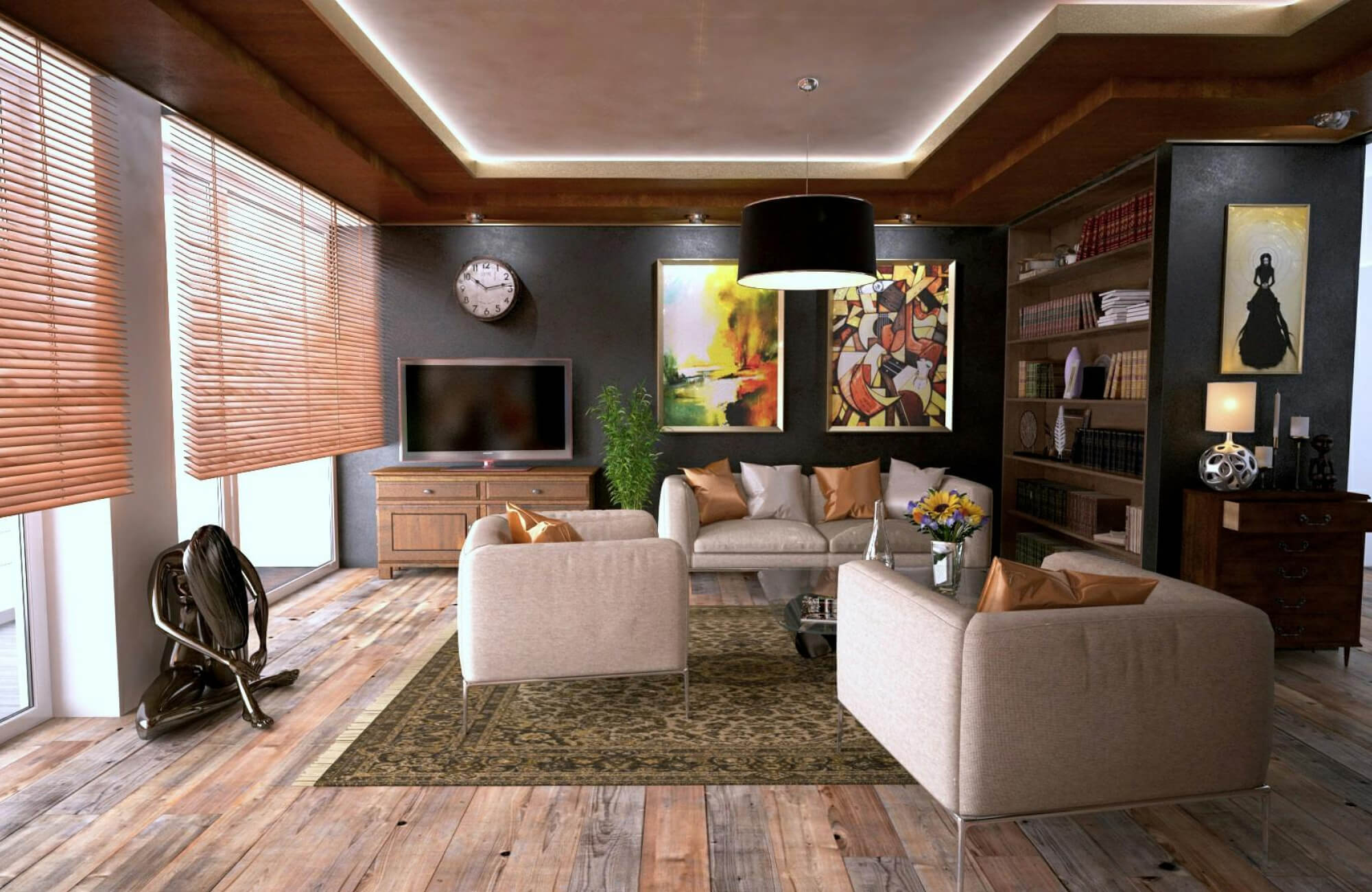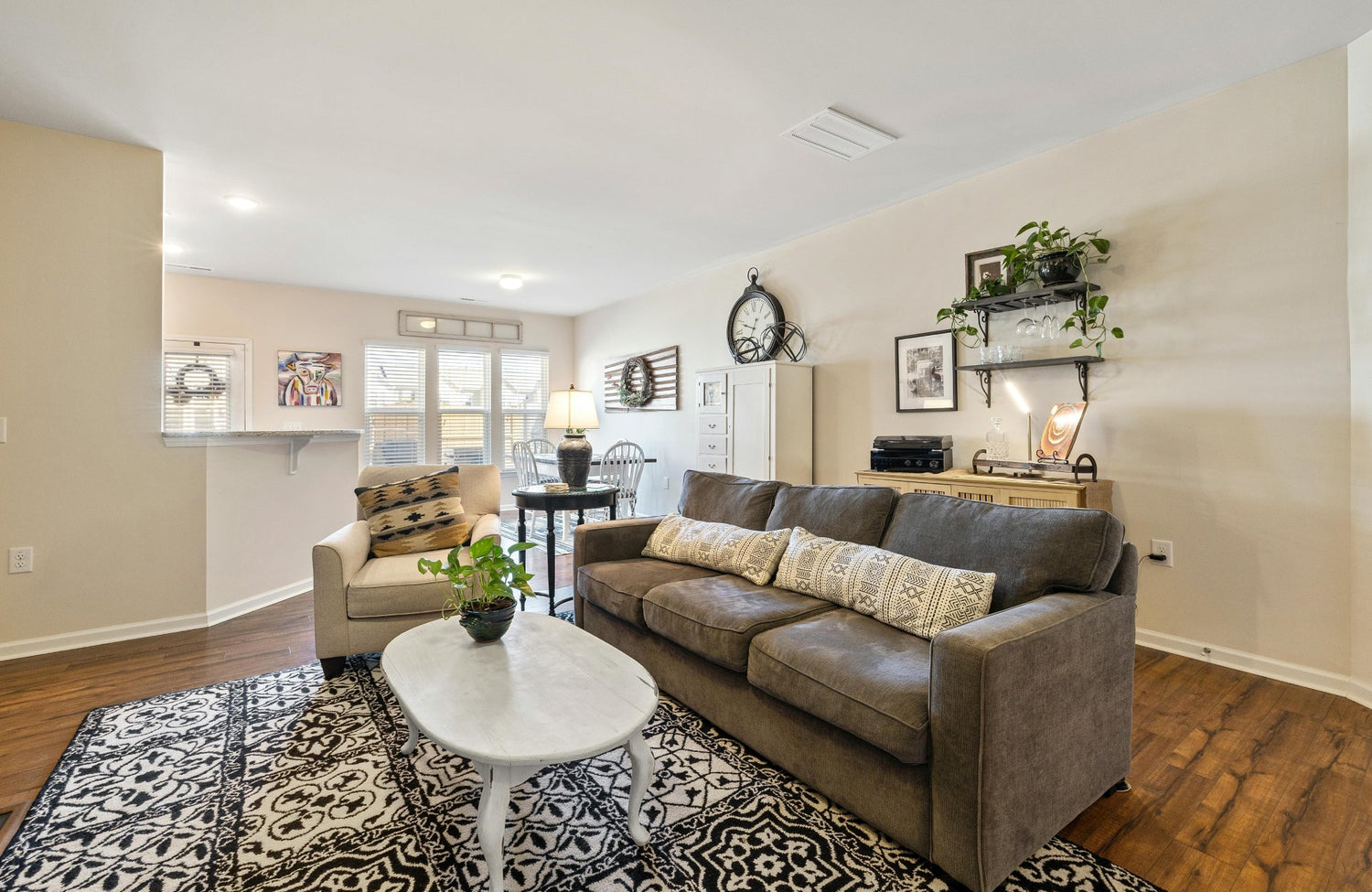
Black and white rugs have a unique way of drawing the eye while remaining versatile enough to fit almost any style of home. The striking contrast between light and dark can either serve as a bold centerpiece or quietly support the rest of your decor, depending on the pattern you choose. What makes these rugs so enduring is their ability to adapt; whether you want a polished modern feel, a cozy eclectic mix, or a timeless classic look, there is a black and white design that can help you achieve it.
As you begin your search, it helps to remember that patterns are more than decoration. They also influence how a space feels, how it functions, and even how it is perceived in terms of size and flow. A carefully chosen rug pattern can anchor a living room, energize an entryway, or create a sense of calm in a bedroom. In this article, we’ll walk you through the key considerations and distinct types of patterns so you can confidently decide which one is right for your home. Ultimately, you’ll learn how to see beyond color and utilize black and white patterns as a tool for shaping your space.

The Role of Contrast in Rug Design
Patterns in black and white rugs are defined by contrast. The way light and dark play against each other determines whether a rug feels dramatic or subtle, and that choice affects the entire mood of a room. Taking time to think about contrast helps you make intentional design decisions rather than guessing what will work.
High vs Low Contrast
High-contrast patterns, such as bold stripes or sharp geometrics, make a strong statement. They instantly become the focus of a space and bring energy that also works well in living rooms or entryways where you want visual impact. Low-contrast patterns, on the other hand, use softer transitions between black and white. These designs are less demanding on the eye and introduce a gentle layer of texture rather than a bold message. They are also effective in bedrooms or studies where calmness is the goal. Choosing between the two depends on whether you want your rug to command attention or quietly support the room.
Balance and Proportion
Contrast is only one part of the equation. The scale of a pattern also shapes how the rug fits into your room. Large-scale motifs can make a big space feel cohesive by tying furniture together, while small-scale designs bring a sense of intimacy in compact rooms. For example, a wide diamond print can pull together an open-concept living area, whereas a delicate dotted pattern works better in a reading nook.
A perfect illustration of this idea is Edward Martin’s Lafferty Wool Blend Rug in Midnight, as pictured above. Its bold diamond motif demonstrates how a large-scale pattern unifies an open space, connecting the seating area with the architecture around it. By choosing a rug with patterns scaled to your room, you can further create balance that feels intentional rather than accidental, ensuring your rug becomes a natural extension of the space.

Exploring Geometric Patterns
Geometric designs are some of the most recognizable in black and white rugs. Their clean lines can create rhythm and structure, offering both modern appeal and timeless familiarity. Depending on the shapes you choose, geometric patterns can influence whether your room feels playful, sophisticated, or orderly.
Stripes and Lines
Stripes are a versatile rug design element that can shape how we see a space. Vertical stripes naturally draw the eye upward, making a room appear taller. In contrast, horizontal stripes guide the gaze across the floor, creating the impression of added width. Diagonal lines, meanwhile, can bring energy and movement, leading the eye in a chosen direction. For example, placing horizontal stripes in a narrow hallway helps it feel more open, and bold diagonal lines in a living room can subtly outline seating areas without the need for extra furniture. When used with care, stripes can shape a room’s proportions and guide its flow naturally.
Checkerboard and Grid
Checkerboard and grid designs can bring structure and a sense of timeless order. They are especially effective in minimalist homes where simplicity is key, or in retro-inspired interiors where bold contrast feels nostalgic. For instance, a black and white grid rug under a modern sofa emphasizes clean lines while reinforcing a sense of balance. These patterns can also work best when paired with simple, uncluttered furniture, allowing the grid to be the anchor of the room.
Diamonds and Chevron
Diamonds and chevron shapes can add movement to a space. Their angled lines can create a sense of direction and flow, which makes them ideal for areas where energy and vibrancy are welcome, such as entryways or family rooms. Diamonds can also bring a playful, dynamic energy, while chevrons tend to feel more refined. Both are effective at keeping a space from feeling static, making them a strong choice if you want your rug to bring visual life to the floor.
The effect is illustrated beautifully by Edward Martin’s Micah Wool Blend Rug in Natural / Graphite, as pictured above. Its bold diamond design shows how larger geometric patterns can energize a room while still feeling grounded. By choosing a rug like Micah, you can create movement underfoot that complements the furniture arrangement and keeps the overall atmosphere lively yet balanced.

Embracing Organic and Abstract Designs
Not every rug needs strict lines or grids. Organic and abstract black and white patterns can also break away from structure, offering softness and creativity. These designs invite personality and are particularly useful for balancing interiors that already have strong architectural elements.
Nature-Inspired Motifs
Botanical motifs, wave-like forms, or patterns influenced by animal markings can introduce a sense of nature indoors. A rug patterned with flowing leaves can soften the hard edges of modern furniture, while zebra-inspired stripes bring a bold, exotic flair. These motifs tend to blur the line between decorative and natural, creating a warmer, more approachable atmosphere. They are also effective in spaces where you want to offset rigid shapes, such as contemporary kitchens or office corners.
Freeform Abstracts
Abstract patterns are less about rules and more about expression. Irregular brushstrokes, hand-drawn doodles, or freeform swirls can turn the rug into an artistic element of the room. These designs also work best in eclectic interiors, where creativity and individuality are celebrated. Because they lack repetition, abstract patterns feel less formal and more personal as well. If your space thrives on character and surprise, a freeform rug design can also serve as a conversation starter while tying the room together.
Edward Martin’s Liddy Polyester Pile Rug in Graphite / Platinum demonstrates this perfectly, as shown in the photo above. Its loosely sketched diamond-inspired lines break away from rigid structure, giving the design a spontaneous, artistic quality. By introducing a rug like Liddy, you can add a distinctive layer of creativity to your living space while keeping the overall look modern and balanced.

Drawing from Cultural and Traditional Patterns
Many black and white rugs trace their roots back to cultural and historical influences. These patterns carry stories and traditions, adding depth to your space beyond simple decoration. Choosing one of these designs allows you to bring a sense of heritage into your home while still keeping the timeless black and white palette.
Moroccan and Berber
Moroccan and Berber rugs are known for their geometric motifs and handwoven character. Their irregular lines and symbolic patterns add authenticity that blends seamlessly with both modern and rustic interiors. Placing one in a contemporary living room creates a beautiful contrast between tradition and modernity. These designs are highly adaptable, working as well in a minimalist loft as they do in a cozy den.
Art Deco and Midcentury
Patterns influenced by Art Deco and midcentury styles can bring elegance and sophistication. Think of bold sunbursts, fan shapes, or streamlined geometrics. These patterns also pair beautifully with metallic accents or rich wood tones, which can highlight their vintage character. Choosing an Art Deco or midcentury-inspired rug further highlights your love of the design history while keeping the palette neutral and timeless.
Classic Oriental Interpretations
Oriental rugs are traditionally colorful, but monochrome interpretations retain the intricate detailing while presenting a more modern face. Black and white versions can highlight the artistry of the motifs without overwhelming the room with color. This approach allows you to enjoy a classic, ornate look while keeping the decor clean and contemporary. It’s also an excellent choice for those who admire traditional craftsmanship but prefer a neutral scheme.
Edward Martin’s Hutchinson Polyester Face Rug in Slate / Fog demonstrates this balance beautifully, as pictured above. Its muted palette softens the traditional Oriental design, allowing the intricate motifs to stand out without overpowering the room. By incorporating a rug like Hutchinson, you can celebrate timeless craftsmanship while keeping the overall look light and adaptable to modern interiors.

Considering Room Function and Lifestyle
The right rug is not only about appearance but also about how it supports the way you live. Different rooms demand different qualities from a rug pattern, and matching the design to its purpose ensures both style and practicality.
Living and Dining Areas
In social spaces, patterns can help define zones and anchor furniture. A bold geometric rug under a dining table, for instance, makes the area feel distinct from the living room beside it. Since these spaces are frequently used, choosing a durable pattern that can handle activity while maintaining its visual appeal is equally important.
Bedrooms and Cozy Corners
Bedrooms can benefit from patterns that promote calm and relaxation. Smaller, softer designs work best here, as they can create a soothing atmosphere without overwhelming the senses. A low-contrast organic rug beside the bed, for example, offers comfort while supporting a restful environment.
This effect is beautifully illustrated by Edward Martin’s Sweeney Wool Pile Rug in Graphite, as pictured above. Its subtle grid-inspired pattern adds gentle texture without dominating the room, making it an ideal choice for quiet spaces where serenity is the goal. By incorporating a rug with understated detailing, you can encourage a balanced environment that feels both restorative and inviting.
Family and Pet Friendly Choices
If you share your home with kids or pets, practicality becomes a top priority. Patterns with intricate detailing or irregular forms are great at disguising minor spills, fur, or everyday wear. A busy black and white motif in a playroom, for instance, keeps the space lively while reducing the stress of constant upkeep. By choosing wisely, you can enjoy style without sacrificing convenience.

Coordinating with Furniture and Decor
A rug may be the foundation of a room, but it rarely stands alone. Its pattern must work in harmony with your existing furniture, colors, and accents to create a cohesive design.
Layering with Colors
A black and white rug interacts with the other colors in the room. If your furniture is vibrant, the rug can act as a neutral base that allows those colors to shine. If your decor leans toward muted tones, a bold rug pattern becomes the statement piece. Understanding how your rug will interact with the palette helps you strike the right balance.
Mixing with Textures and Fabrics
Patterns become more effective when paired thoughtfully with textures. A grid-pattern rug beneath a velvet sofa, for example, combines visual order with tactile richness. Layering fabrics like linen curtains or wool throws against your rug adds dimension without overwhelming the space. By mixing materials intentionally, you can also ensure the rug enhances rather than competes with your decor.
Scaling with Room Decor
Scale is critical when coordinating patterns. If your room already has large artwork or bold wallpaper, opt for a rug with a smaller, more understated pattern to avoid visual competition. Conversely, if the walls and furniture are simple, a large-scale rug design can create balance and prevent the room from feeling bare. Matching scale is about harmony, ensuring each element contributes to a unified look.
Bringing Your Black and White Rug Choice Together
Choosing the right black and white rug pattern is about more than personal preference. It also requires looking at contrast, deciding between structured or organic designs, appreciating cultural influences, and aligning the rug with both your lifestyle and existing decor. The right choice transforms a rug from a simple floor covering into a design anchor that shapes mood, balances proportions, and reflects your personality for years to come.
Ready to find the rug that fits your home perfectly? Contact us today to explore our curated selection and take advantage of our personalized design services. We’ll guide you through patterns, styles, and layouts to ensure your rug not only looks beautiful but also works seamlessly with your space.