Mirrors might not be the first thing that comes to mind for outdoor design, but once you’ve seen them in action, it’s hard to ignore their impact. Whether you’re trying to make a small courtyard feel more open or add a striking focal point to a quiet garden wall, mirrors offer a unique way to blend form and function. They don’t just bounce light, they shift the atmosphere of a space entirely.
In this article, we’ll explore how mirrors can be used outdoors without looking out of place or wearing down too quickly. From choosing weather-safe materials to finding the best spots to hang them, this guide covers everything you need to reflect your style in the garden, literally.

Why Use Mirrors in Outdoor Spaces
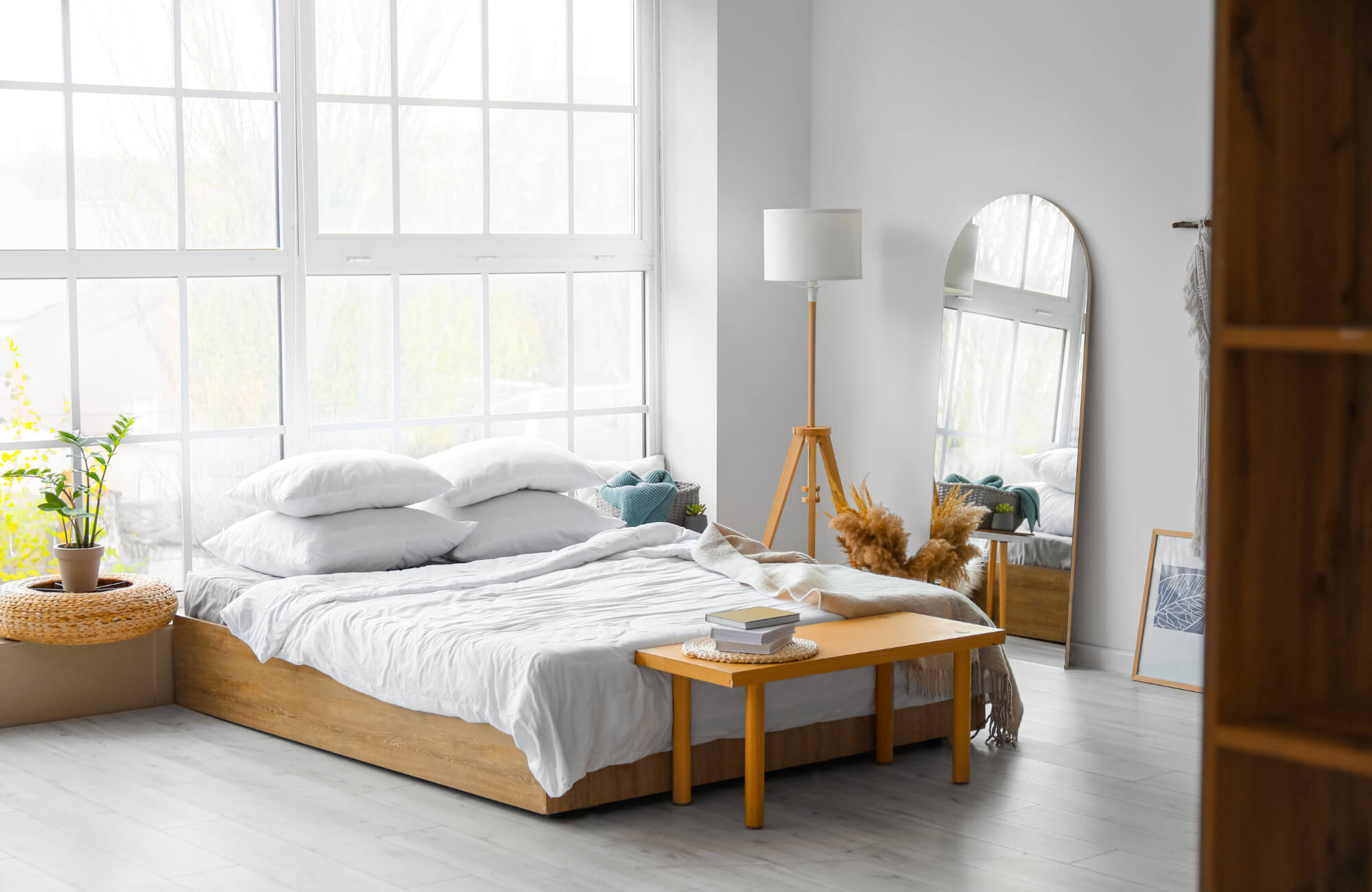
While mirrors are typically styled indoors, as seen with our Fitz Mirror in Antiqued Iron pictured above, they can also completely transform how outdoor spaces feel and function. One of their most appealing benefits is the ability to create the illusion of more space. In small patios, narrow walkways, or enclosed garden corners, a well-placed mirror can make the area appear much larger than it really is. By reflecting greenery, sky, or surrounding elements, mirrors visually double the depth of a space and soften any sense of enclosure.
They’re also incredibly useful for bringing more light into shaded or dim areas. Whether it’s a courtyard that rarely gets direct sun or a side yard hidden behind tall fencing, mirrors can help bounce existing daylight around the space. This extra brightness makes the area feel more inviting without relying on added lighting fixtures. For instance, a mirror positioned opposite a naturally lit zone can help extend that glow into spots that typically feel flat or dull.
Beyond function, mirrors introduce a layer of design that’s often unexpected outdoors. They can serve as focal points, add visual rhythm to blank walls, or echo shapes already found in your landscaping. When framed or styled thoughtfully, they become sculptural elements that bring personality and interest to even the simplest garden setup. Whether you’re aiming for elegance, whimsy, or something in between, mirrors offer a flexible way to express your outdoor style.

Choosing the Right Mirror for Outdoor Use
Before adding a mirror to your outdoor space, it’s important to make sure it’s built to handle the elements. The right materials and finishes can make all the difference in keeping your mirror looking good and holding up over time.
Weatherproof and Moisture-Resistant Materials
Outdoor mirrors need to be made with materials that won’t absorb moisture or break down in damp environments. Frames made of stainless steel, powder-coated aluminum, treated wood, plastic, or resin are often best for resisting humidity and rain. As for the mirror itself, opt for tempered glass or acrylic instead of standard glass to avoid shattering or edge damage.
Also, keep an eye on the backing material; this is where moisture often causes damage first. Look for mirrors with sealed or weather-resistant backing to help prevent peeling or mildew. Choosing components that are built for the outdoors will save you the hassle of replacing a damaged piece after just one season.
Rust and Corrosion Prevention
Even a mirror that looks outdoor-ready might not have the protection it needs to prevent rust. Look for frames with weather-sealed finishes or anti-corrosion coatings, especially if you live in a humid or coastal area. Metals like stainless steel hold up better over time, but they still benefit from protective treatments.
Check whether fasteners or mounting hardware are rust-resistant; these small parts are often overlooked but can fail quickly if not rated for outdoor use. Corrosion doesn’t just ruin appearance; it can affect stability and safety, too. A few extra minutes checking product specs now can save a lot of frustration later on.
UV Resistance and Fade Protection
Constant sun exposure can wear down both the frame and the mirror surface itself. UV-resistant finishes help prevent fading, warping, or cracking, especially for plastic and wood frames. If you’re choosing acrylic or polycarbonate mirrors, make sure they’re treated to resist yellowing over time.
This is particularly important in spaces that get strong direct sunlight during the day. Without UV protection, even the most stylish mirror can start looking worn far too soon. A mirror that’s built to resist fading will keep your outdoor space looking clean and intentional through every season.

Where to Place Outdoor Mirrors for Best Effect
Placement can make or break the impact of an outdoor mirror. When used thoughtfully, mirrors can bounce light into darker areas, add privacy, or highlight the parts of your garden you want to show off most. The key is knowing where they’ll be most effective and where they might cause more harm than good.
Facing Greenery or Feature Elements
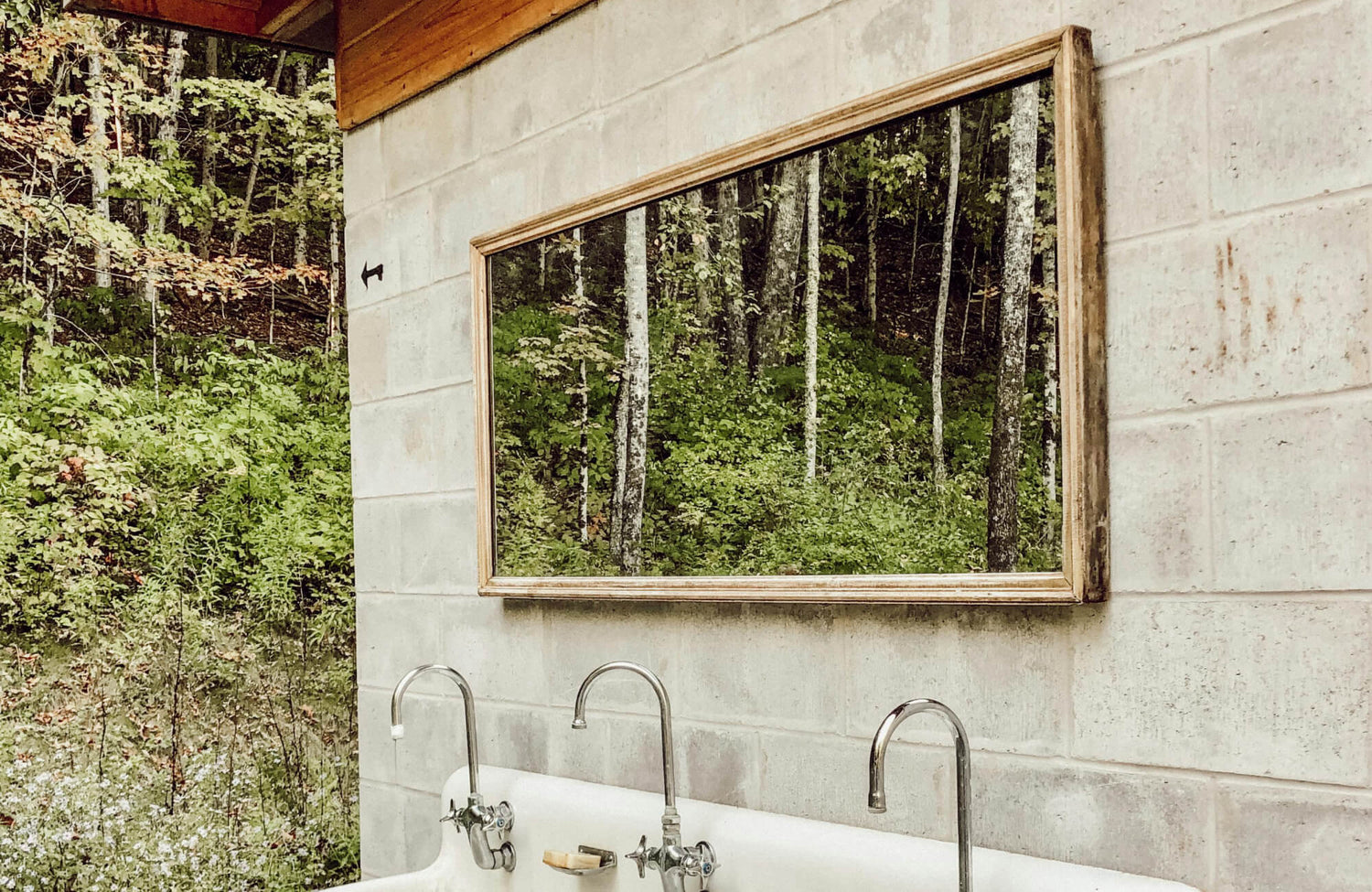
One of the simplest ways to use a mirror outdoors is to position it where it reflects something beautiful. A mirror that faces trees, climbing vines, or even a water feature can double the visual impact of those elements and create the feeling of depth in the space. It’s especially effective in smaller gardens or narrow patios where you want to open up the view. Mirrors can also reflect vertical planters or trellises, turning them into living artwork. Just make sure there’s something intentional in the reflection; what’s on the other side matters just as much as the mirror itself.
Avoiding Direct Sunlight and Glare Hazards
While mirrors can help brighten a space, placing them in direct sunlight can lead to unwanted glare or even heat buildup. If a mirror reflects strong afternoon sun onto wood, synthetic turf, or seating areas, it can cause damage or discomfort. In some rare cases, concentrated light from a mirror has even caused scorch marks on nearby surfaces. To avoid this, place mirrors in spots with indirect light or partial shade. It’s a balance, enough light for reflection, but not so much that it becomes a hazard.
Using Mirrors for Privacy Screens or Hidden Zones
Mirrors can also be useful for redirecting attention or concealing less attractive parts of a yard. If you have a blank fence, an air conditioning unit, or a utility area that can’t be moved, a mirror can help visually soften or distract from it. Placing one in the right spot can make a space feel more designed and intentional, even when it’s working to hide something practical. It’s not about blocking the view entirely, it’s about shifting focus. This approach works best when the mirror reflects something lush or calming, drawing the eye elsewhere.

Styling and Design Ideas for Garden Mirrors
A mirror doesn’t just reflect, it adds personality to your space. Whether your garden leans traditional, modern, or somewhere in between, the right mirror style can enhance the atmosphere and tie everything together. Below, we explore different ways to match mirror design with your outdoor aesthetic, giving your garden an intentional, finished feel.
Vintage, Rustic, and Antique Looks
For cottage gardens or traditional spaces, vintage-style mirrors bring a sense of warmth and charm. Arched window-style mirrors, distressed wooden frames, or wrought iron details all add a timeworn, romantic look that feels right at home among flowers and stone paths. These mirrors often echo architectural features you’d find in old greenhouses or conservatories. They work especially well when nestled into climbing vines or surrounded by textured plantings. It’s a great way to add a nostalgic element without overwhelming the natural surroundings.
Modern and Minimalist Designs
If your garden has clean lines and a contemporary vibe, minimalist mirrors keep things feeling crisp and uncluttered. Frameless mirrors or those with slim, powder-coated metal edges blend in effortlessly and let the landscape take the spotlight. These styles often work best in structured settings, think concrete patios, geometric plant beds, or sleek outdoor furniture. The key here is simplicity; let the reflection do the talking, not the frame. A minimal mirror can still make a big statement when it’s placed with intention.
Mirrors in Creative Layouts
Mirrors don’t have to be used as single pieces; they can be arranged in more creative, sculptural ways. Mirror mosaics, layered panels, or staggered groupings can act as outdoor art installations. This approach adds rhythm and repetition to plain walls or fence panels while playing with light and movement. It’s especially effective in small urban gardens or along long stretches of fencing that need visual interest. The result is part function, part focal point.
If you’re drawn to the softness and flow of these designs, you can create a similar aesthetic indoors using arched or organic mirror shapes. These styles introduce curvature and ease into interior spaces, mirroring the natural tones found in many outdoor layouts while adding warmth and elegance to bathrooms, hallways, or above vanities.
Blending Mirrors With Natural Materials
Mirrors framed with bamboo, rattan, reclaimed wood, or even stone can help tie them into the natural environment. This approach works well in more relaxed, organic gardens where hard edges might feel out of place. Using materials that echo nearby features, like a mirror trimmed in weathered wood next to a wooden pergola, helps the mirror feel grounded. It also softens the contrast between reflective surfaces and greenery. These kinds of details make the mirror feel like it belongs outdoors, not just repurposed from inside.

Mounting and Securing Outdoor Mirrors Safely
Once you've chosen the right mirror, securing it properly is just as important, especially outdoors where wind, rain, and uneven surfaces can pose risks. Start by assessing the surface where the mirror will go. Brick, wood, metal fencing, or trellises can all work, but each needs the right kind of fastener. For example, masonry screws with wall plugs are ideal for brick, while weather-treated wood screws work better on fences or timber structures. Make sure the surface is stable and can handle the mirror’s weight over time.
For permanent installations, use outdoor-rated hardware that resists rust and wear. Heavy-duty brackets, stainless steel screws, and waterproof adhesives offer added durability, especially in areas exposed to rain or changing temperatures. If the mirror is large or located in a breezy spot, consider reinforcing the corners or using extra mounting points for added stability. A secure fit not only extends the life of the mirror but also helps prevent safety hazards.
If you're renting or want something more flexible, there are temporary options that don’t require drilling into walls. Freestanding mirrors on outdoor easels, mirrors leaned safely against fences, or versions mounted on movable backboards can all work well. These setups let you shift things around as your space evolves or as the seasons change. Just make sure they’re still anchored well enough to stay put during a gust of wind or an unexpected bump.

Potential Risks and How to Avoid Them
Outdoor mirrors come with a few risks that are easy to overlook but important to plan for. From light reflection to wildlife safety, being mindful of where and how you use mirrors will help you avoid damage or disruption. Here are some common concerns and how to prevent them from becoming bigger issues.
Preventing Glare and Fire Hazards
Mirrors placed in full sunlight can sometimes magnify heat or reflect intense light onto nearby surfaces. This can cause discomfort in seating areas and, in rare cases, damage to decking, siding, or synthetic materials. To avoid this, skip placing mirrors in direct afternoon sun or spots that face south without shade. Instead, aim for filtered or indirect light where reflections are gentler and more diffuse. A small shift in angle can make a big difference in keeping things safe and comfortable.
Avoiding Bird Collisions and Wildlife Disruption
Highly reflective mirrors can confuse birds, especially if they show open sky or trees in their reflection. This can lead to accidental collisions, particularly during migration seasons. To reduce the risk, place mirrors where reflections are softened by plants or partially blocked by lattice, trellis, or overhangs. You can also position them in lower garden zones instead of high or open-air spots where birds are more active. This way, mirrors still offer impact without disrupting the natural flow of wildlife.
Handling Breakage or Wear Over Time
Even weather-resistant mirrors can wear down over time, especially if they’re in exposed areas. Keep an eye out for signs like loose fasteners, small cracks, or discoloration along the edges; these often show up before a mirror becomes a real safety concern. Inspect your mirror every season, especially after heavy storms or wind. If it’s showing wear that affects stability or clarity, it’s better to replace it than to risk a hazard. Choosing mirrors with sturdy backing and sealed edges can help slow this kind of wear from the start.

Maintenance Tips for Outdoor Mirrors
Keeping outdoor mirrors clean and in good condition helps them stay functional and safe throughout the year. Start by using gentle cleaning products, mild soap mixed with water, and a soft microfiber cloth is usually enough to remove dirt and buildup. Avoid abrasive scrubbing pads or ammonia-based cleaners, which can damage protective coatings or cloud the mirror surface. It’s a small detail, but careful cleaning helps preserve clarity and extend the life of your mirror.
It’s also worth giving your mirrors a seasonal check, especially after heavy rain or wind. Look for signs of water damage around the edges, rust on hardware, or warping in the frame. If your mirror is mounted on wood or near moisture-prone areas, be extra cautious about mildew or swelling in the backing. Tightening loose screws or adding sealant where needed can prevent minor issues from becoming bigger problems.
In harsher climates or during the winter months, consider taking mirrors down and storing them to avoid long-term exposure. If removal isn’t practical, you can rotate the mirror’s position slightly or move it into a more sheltered spot during extreme weather. This helps reduce strain on the materials and avoids fading or weather-related wear. A little flexibility goes a long way in keeping your setup looking fresh and lasting longer.
Reflecting Style and Intent Outdoors
Mirrors aren’t just an interior design feature; they can bring depth, light, and personality to outdoor spaces when used thoughtfully. Whether you're working with a small patio or a spacious garden, mirrors can help expand the space, draw attention to your favorite spots, and soften areas that feel too rigid or enclosed. With the right placement, material, and maintenance, they become both practical and beautiful additions to your exterior design. If you're unsure where to start or want help tying mirrors into a larger outdoor concept, schedule a design consultation to get expert guidance tailored to your space and style goals.