



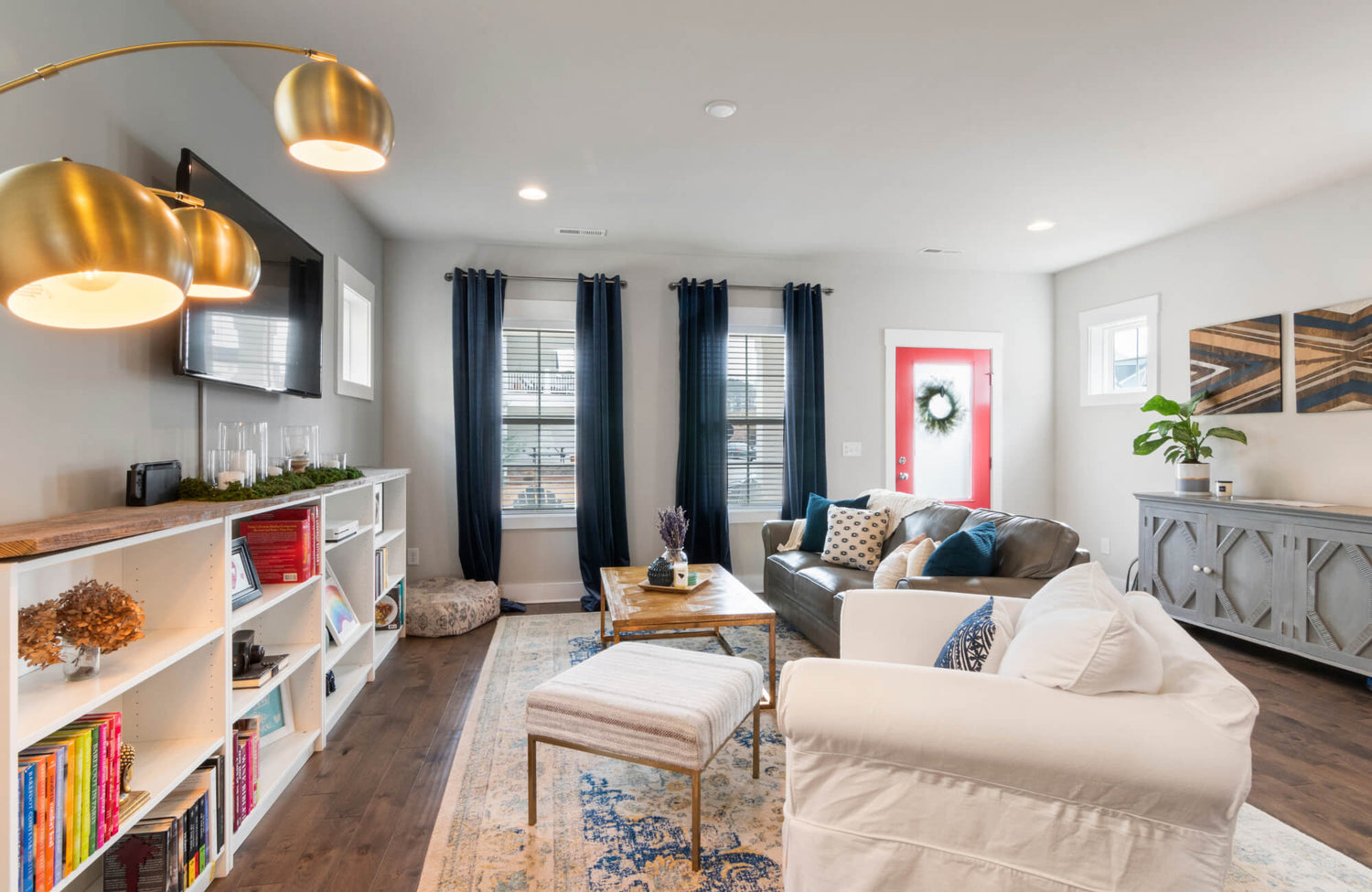
Traditional rugs bring more than ornamental beauty; they represent centuries of craftsmanship, material integrity, and cultural storytelling. Rooted in diverse weaving traditions, these textiles offer tactile richness that enhances interiors from classic to contemporary. However, their effectiveness in the home depends on more than aesthetics alone.
To make the most of their benefits, selecting the right rug involves weighing not just design intent but also practical considerations such as UV resistance, pile height, and ease of maintenance. With that in mind, this blog explores how traditional rugs perform across different rooms in the home, offering guidance on how to pair their timeless appeal with everyday functionality.

Traditional Rugs and Their Enduring Appeal
To truly appreciate the role traditional rugs can play in a home, it helps to understand where they come from, how they’re made, and why their appeal has lasted through the centuries. From cultural roots to construction techniques, each element contributes to their unique character and lasting value.
Defining Traditional Rug Styles and Origins
To begin, traditional rugs stem from diverse weaving traditions across regions like Persia, Turkey, the Caucasus, and Central Asia. Each culture has developed distinctive motifs, weaving techniques, and materials over generations. For example, Persian rugs, such as Kashan, Heriz, and Isfahan, are known for curvilinear floral designs and symmetrical Senneh knots. Meanwhile, Turkish styles like Hereke and Oushak feature geometric patterns and the durable Ghiordes knot.
In addition, Caucasian rugs often display bold colors and tribal motifs, suited for both nomadic and decorative use. Mughal and Indian rugs, rich with Indo-Persian influence, showcase lush florals and saturated tones. Together, these variations aren’t just visual; they also reflect functional differences in pile height, weave density, and durability, making them adaptable to specific interior needs.
The Enduring Allure of Craftsmanship and History
Beyond style, at the heart of every traditional rug lies artistry and time-honored skill. Hand-knotted over months or years, these pieces reflect nuanced imperfection and character that distinguish them from machine-made alternatives. High knot density (measured in KPSI), intricate patterns, and natural irregularities are hallmarks of quality and authenticity.
Furthermore, many traditional designs trace back to centuries-old motifs, such as the Herati, Gul, or Boteh, each carrying symbolic meaning and cultural continuity. These rugs function as both floor coverings and historical artifacts, linking modern living spaces to enduring traditions.
As a modern interpretation of this legacy, Edward Martin’s Broderick Polypropylene Pile Rug in Smoke / Terracotta reinterprets classic aesthetics for contemporary use. As featured above, its earthy palette and tonal block design offer a timeless foundation, while the polypropylene construction delivers durability and easy maintenance for active homes.
Materiality and Construction Insights
Equally important is the material and craftsmanship behind traditional rugs. Most are crafted from natural fibers, especially hand-spun wool, prized for its resilience, moisture resistance, and ability to hold natural dyes. Silk, used selectively for detail and sheen, adds luxury to low-activity areas, while cotton provides structure as the foundation for most weaves.
From a construction standpoint, the gold standard remains hand-knotting, whether asymmetrical (Senneh) or symmetrical (Ghiordes), which impacts both the texture and clarity of the design. Quality is determined by knot density, weave consistency, and dye method. Vegetal dyes, drawn from plants and minerals, offer rich tones and develop an appealing patina over time.
In summary, traditional rugs endure not just through their aesthetics but through their thoughtful materials and methods, offering long-term beauty and performance when properly cared for.

Traditional Rugs in Busy Living Areas
When it comes to bustling areas, traditional rugs aren’t just decorative, they’re workhorses with style. With the right materials and construction, they can handle daily wear while enhancing the character and comfort of your most lived-in spaces.
Living Room Elegance and Durability
To start, in living rooms, especially open-concept layouts or frequently used spaces, a traditional rug provides both visual cohesion and practical durability. Hand-knotted wool rugs are ideal, thanks to their natural elasticity, lanolin-based stain resistance, and dense knotting (120+ KPSI), which preserves pattern clarity and pile resilience.
Moreover, all-over designs like Heriz or Bidjar are well-suited for disguising wear, stains, and furniture marks. Opting for low to medium pile heights reduces crushing and simplifies maintenance. When appropriately sized, a rug that accommodates the front legs of furniture can elevate the room's overall balance and function.
As a real-world example, Edward Martin’s Georgette Polyester Pile Rug in Navy / Rose illustrates this synergy of form and function. As shown above, its soft, durable pile and muted floral motif offer refined comfort with the resilience needed for active family life.
Family Room Functionality and Comfort
Shifting to more casual spaces, family rooms require rugs that balance plush comfort with lasting performance. Hand-knotted or tightly tufted wool rugs offer excellent durability while staying soft underfoot. Wool’s breathability, structural integrity, and resistance to matting make it superior to most synthetics for everyday use.
In terms of aesthetics, designs in earthy or jewel tones, especially those using natural dyes, help conceal minor stains and wear. Equally important, rug pads are key to high-use zones—adding comfort, enhancing safety, and extending the life of the rug. Together, these elements allow traditional rugs to bring warmth and visual depth to rooms designed for relaxation and gathering.
Entryway and Hallway Resilience
Meanwhile, in transitional areas like hallways and entryways, traditional rugs must be compact, tough, and easy to maintain. Flat-weaves or low-pile hand-knotted options, such as kilims or tribal Caucasian styles, perform best. Their tight weave, minimal pile, and durable wool construction handle frequent human use without curling or shedding.
Visually, busy geometric motifs help disguise dirt, while rug pads prevent slipping and reduce floor friction. To maintain their condition, regular rotation and prompt spot cleaning with neutral solutions help preserve color and structure, even in areas exposed to natural light or outdoor elements. As a result, these rugs leave a strong first impression while offering everyday practicality.

Enhancing Dining and Kitchen Spaces with Traditional Rugs
Though often overlooked in dining and kitchen design, traditional rugs can bring warmth, visual cohesion, and a surprising layer of practicality to these high-use spaces. With thoughtful selection and placement, they transition seamlessly from decorative statement to everyday utility.
Dining Room Sophistication and Protection
In particular, dining rooms benefit from traditional rugs that contribute both formality and softness while clearly defining the layout of the space. To ensure chairs remain stable and the rug's edges are protected, it should extend 24–30 inches beyond all sides of the table.
From a material standpoint, hand-knotted wool rugs are ideal here due to their resilience, stain resistance, and easy maintenance. Wool fibers' lanolin content naturally repels moisture, allowing time to blot spills. Low to medium pile heights, typically under ½ inch, also prevent food entrapment and simplify cleaning.
Design-wise, styles like Mahal, Sultanabad, or Oushak, known for their large-scale patterns, help mask stains and unify the visual flow beneath varied seating. Furthermore, when dyed with vegetal pigments, wool develops rich tonal variation that matures gracefully over time.
Kitchen Considerations
Turning to kitchens, traditional rugs, though unconventional in these settings, can be surprisingly effective. In open layouts or around large islands, they provide underfoot comfort, reduce noise, and soften the hardness of tile, stone, or concrete. However, the key is selecting a rug that pairs durability with flat construction.
To meet these needs, flat-weaves, tribal low-pile rugs, or distressed wool styles are especially suitable. Their tight weave resists dirt and abrasion, and their low profile minimizes tripping hazards. Wool’s natural flame resistance and insulating properties are added advantages in high-use work zones.
Placement matters as well: runners along the sink or rectangular rugs in front of the stove offer both functionality and design continuity. Patterns with strong contrast, such as Kazak or Shiraz, effectively conceal crumbs and daily wear. Be sure to pair each with a non-slip, moisture-resistant rug pad to protect floors and hold the rug securely in place.
Bringing all of this together, Edward Martin’s Hutchinson Polyester Face Rug in Navy / Rust elevates the balance of style and performance. As shown in the photo above, its intricate medallion design and easy-to-clean polyester face make it a refined yet practical choice for the busiest room in the house.

Traditional Rugs in Private Bedrooms and Bathrooms
In more private areas like bedrooms and bathrooms, traditional rugs can shift from statement pieces to subtle sources of comfort and calm. With the right approach, they enhance these personal spaces while meeting the unique demands of softness, moisture, and style.
Bedroom Serenity and Warmth
To begin with, traditional rugs add softness, warmth, and acoustic benefits to bedrooms, helping transform them into restful retreats. Hand-knotted wool or wool-and-silk blends are ideal, offering temperature regulation, luxurious texture, and year-round comfort.
In terms of placement, rugs should extend 18–24 inches beyond the bed frame or be paired with runners in smaller spaces to maintain visual balance and tactile consistency. Subtle Persian designs, like Tabriz or Nain, gently complement architectural elements without overwhelming the room’s aesthetic.
Functionally speaking, lower pile heights (under ⅜ inch) are preferable for easier cleaning and reduced allergen retention, especially for those with sensitivities. Muted, vegetal-dyed tones, soft greys, blues, and ochres further enhance the room’s sense of serenity.
For a modern interpretation of this approach, Edward Martin’s Hutchinson Polyester Face Rug in Sage / Graphite offers warmth without visual heaviness. Featured above, its gently faded pattern and muted colors create a peaceful ambiance, while the polyester construction ensures low-maintenance care, ideal for practical, design-conscious homes.
Bathroom Aesthetics and Moisture Management
Meanwhile, traditional rugs are gaining traction in bathroom design, adding texture and character to otherwise utilitarian spaces. Flat-weave kilims, antique tribal rugs, or tightly knotted low-pile wool styles are particularly well-suited, as they dry quickly and resist mildew thanks to wool’s naturally hydrophobic properties.
Strategic placement is essential: focus on low-splash areas such as vanities or dressing zones. Avoid placing rugs near showers or tubs unless the space is well-ventilated and rugs can dry thoroughly. Additionally, non-slip, moisture-resistant rug pads help prevent shifting and protect underlying surfaces.
Visually, the contrast between traditional motifs and sleek finishes, like marble, tile, or concrete, adds layered interest and warmth. Smaller rugs or "scatter" sizes offer flexible styling options and easier upkeep. With proper care, including regular ventilation, light vacuuming, and occasional professional cleaning, these rugs can remain fresh and functional for years to come.

Addressing Common Concerns and Maintenance
Even the most beautiful rug needs to hold up to real life, especially when pets, allergies, and everyday messes come into play. Fortunately, with the right knowledge and a few smart choices, traditional rugs can meet modern needs without compromising their timeless appeal.
Allergy and Pet Friendliness
To begin with, a common concern with rugs is their impact on indoor air quality and allergy management. However, natural fiber rugs, particularly hand-knotted wool, can actually contribute to a healthier environment by trapping dust, pollen, and dander until they’re vacuumed, thus reducing airborne circulation. When paired with regular maintenance, they help foster a cleaner, more breathable interior.
In addition, wool provides key advantages for pet owners. Naturally antibacterial, odor-resistant, and water-repellent due to its lanolin coating, it also offers elasticity that resists matting and wear. For homes with young or high-shedding pets, low-pile or distressed-style rugs offer a practical style, effectively hiding fur and scratches. Conversely, delicate materials like silk are best avoided in these settings due to their absorbent and fragile nature.
As a smart alternative, Edward Martin’s Broderick Polypropylene Pile Rug in Lake / Bone combines traditional aesthetics with everyday resilience. As seen above, its soft, low-pile surface and subtle tonal blocks help conceal debris, while the polypropylene fiber resists stains and moisture, making it a reliable option for allergy-conscious and pet-friendly households alike.
Cleaning and Longevity Best Practices
To ensure a rug’s lasting beauty, routine care is essential. Weekly vacuuming, preferably with a suction-only or brushless hardwood attachment, removes dust and grit without disturbing the pile or fringe. Importantly, avoid vacuuming directly over fringed edges, which can fray or weaken the weave over time.
When it comes to stains, quick response is key. Always blot (never rub) using a pH-neutral, wool-safe cleaner to lift marks while preserving the dye’s integrity. Although most natural dyes are mordanted for colorfastness, it’s wise to spot-test first. For spills like wine or coffee, flush with cold water before applying cleaner.
Every few years, typically every 3 to 5, depending on use, professional rug washing is recommended. Unlike standard carpet cleaning, this method involves full immersion and hand treatment, tailored to the rug’s construction. Avoid modern steam or chemical processes, which can damage wool fibers and remove protective lanolin. And, for best results, always consult the manufacturer’s care guidelines before proceeding.
To further extend longevity, rotate your rug every 6 to 12 months. This simple practice helps distribute foot movement evenly and minimizes fading in sun-exposed areas, allowing your rug to age gracefully.
Underlays and Safety Considerations
Beyond cleaning, rug underlays are essential for ensuring both safety and long-term durability. A high-quality rug pad prevents slippage, especially critical in busy homes or those with children, and reduces friction that can wear down both rug and floor. For hardwood or tile, a natural rubber and felt combination pad offers grip and gentle cushioning without harming finishes.
In contrast, moisture-prone areas like kitchens or bathrooms benefit from low-profile, breathable pads. These promote airflow and prevent mildew buildup beneath the rug. For doorways or tight spaces, opt for thin pads that maintain clearance without compromising safety. Functionally, underlays also improve acoustic absorption and enhance underfoot comfort. They’re particularly helpful for stabilizing antique or delicate rugs with weakened foundations, helping them remain usable for years to come.
To make the process easier, Edward Martin offers a personalized design consultation that guides you in choosing the right underlay and coordinating materials for your space. And if you're unsure where to begin, contact Edward Martin for assistance in selecting materials, finishes, or furnishings. Whether matching rugs to tile or ensuring layout cohesion, our team provides support from start to finish.
Making Traditional Rugs Work Room by Room
Nonetheless, when chosen thoughtfully, traditional rugs enhance nearly every space in the home, not just through their visual beauty, but through their construction and versatility. From densely knotted wool rugs built to handle busy zones to low-pile options that combine elegance with easy care, their appeal lies in a well-matched blend of function and design.
Whether you're layering warmth into a tranquil bedroom or grounding an active hallway, the right rug becomes more than a decorative element; it becomes part of how your home feels and functions. For expert guidance and design inspiration tailored to your lifestyle, explore the curated selection at Edward Martin.


