Porcelain pavers are increasingly popular for pool decks, thanks to their slip-resistant surfaces, low water absorption, and exceptional durability. Their dense, non-porous structure resists moisture damage, chlorine exposure, and freeze-thaw cycles, making them suitable for a wide range of climates. Heat-reflective finishes and light color options help keep surfaces cooler under direct sunlight, improving barefoot comfort around the pool.
With a variety of sizes, formats, and natural stone or wood look designs, porcelain pavers offer both safety and design versatility for residential and commercial pool areas. This article explores their safety performance, structural integrity, thermal comfort, aesthetic flexibility, and installation considerations in detail.

Slip Resistance and Safety Performance
Safety is always a primary consideration when choosing a poolside surface, and porcelain pavers are designed to meet that need without compromising style. Their carefully engineered surface textures and precise manufacturing techniques create a deck that feels secure underfoot while complementing the pool’s overall design.
Wet Surface Traction Standards
Porcelain pavers manufactured for pool environments are tested to meet or exceed ANSI A137.1 Dynamic Coefficient of Friction (DCOF) requirements of ≥ 0.42 when wet, providing reliable footing even in areas where splashing is constant. This slip resistance is achieved through the integration of micro-patterns that subtly increase friction without detracting from the paver’s refined look.
Unlike polished stone surfaces, which can become dangerously slick, outdoor-rated porcelain maintains its traction without the need for frequent sealing. Many products also comply with DIN 51130 standards, ensuring their suitability for both residential and commercial installations on a global scale. The combination of technical compliance and enduring performance helps homeowners and facility managers maintain safe, attractive pool decks over the long term. By meeting these standards, porcelain offers peace of mind while elevating poolside safety to a professional level.
Surface Engineering for Barefoot Safety
Designing a pool deck that feels safe yet comfortable under bare feet requires both precision and innovation. Outdoor porcelain pavers achieve this through advanced texturing methods that add subtle grip while keeping the surface smooth to the touch. These micro-textures are fused into the tile during high-temperature firing, making them a permanent part of the surface rather than a coating that can wear away. This ensures that comfort and safety remain consistent over time, even in high-use areas. Families, in particular, benefit from this balance, as children can run and play without the risk of abrasions or slips.
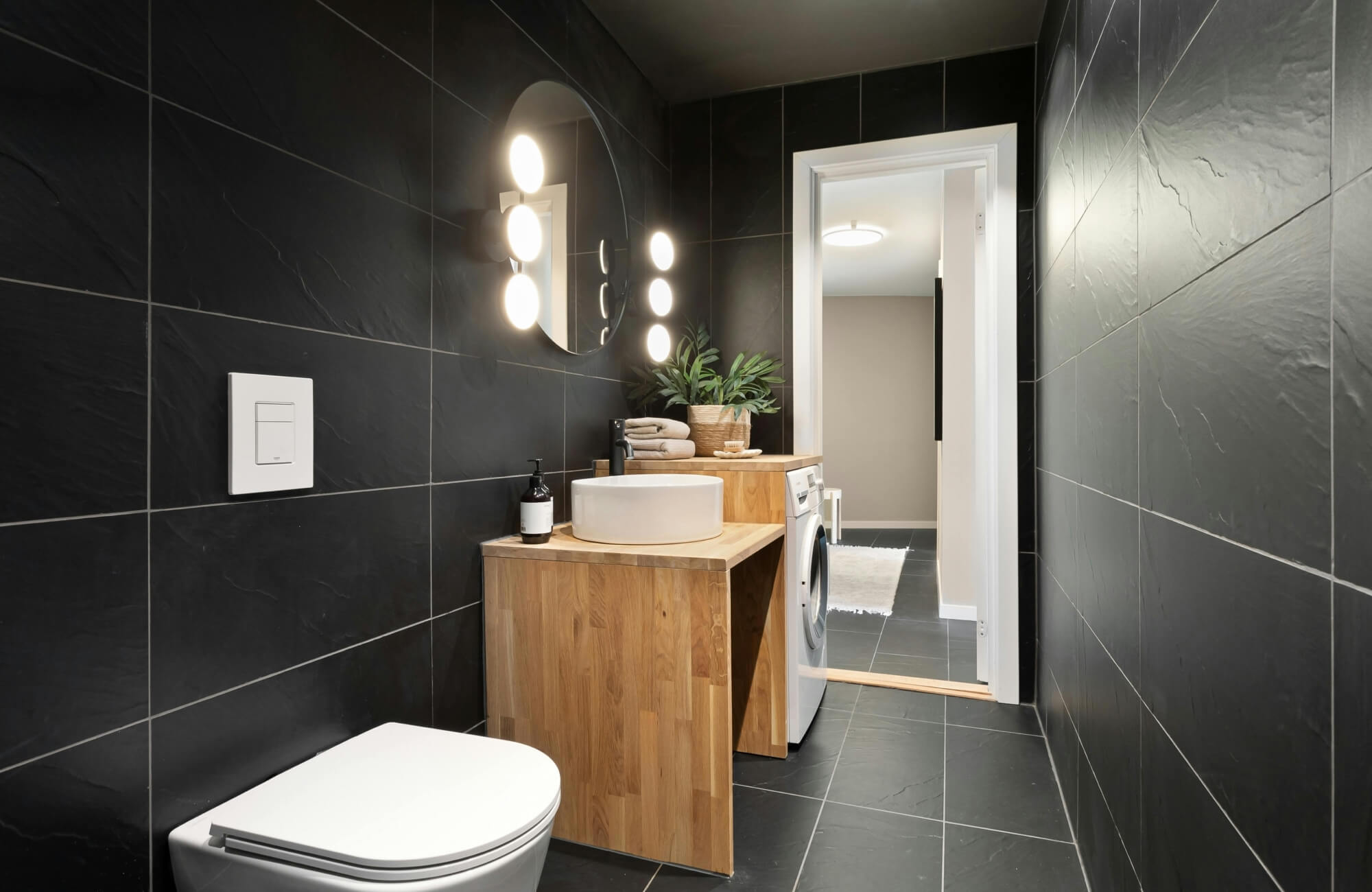
A great example, as displayed in the picture above, is Edward Martin’s Bowden 24x24 Grip Porcelain 2cm Paver Tile in Canvas, which combines a soft, neutral finish with a slip-resistant surface engineered for barefoot use. Its refined texture delivers reliable traction without feeling abrasive, making it ideal for pool decks where both safety and comfort matter. By blending tactile comfort with proven safety performance, porcelain creates an environment that invites relaxation as much as it ensures protection.
Compliance for Public and Commercial Pools
Public and commercial pools face strict safety requirements, making material compliance a critical factor in design decisions. Porcelain pavers with certified slip resistance not only meet ADA guidelines but also integrate effortlessly into a variety of architectural styles. Manufacturers frequently supply full technical documentation for these ratings, simplifying approval processes for large-scale projects. Because the slip-resistant properties are integral to the paver, they remain effective for years, even under heavy use. This durability is especially important for hotels, resorts, and community pools where both safety and visual presentation are key. Choosing porcelain ensures that these spaces retain their appeal while adhering to rigorous safety standards.

Water Absorption, Freeze-Thaw Resistance, and Structural Integrity
A pool deck must endure frequent contact with water, exposure to cleaning chemicals, and seasonal temperature changes. Porcelain pavers are built with the density and low porosity needed to resist these challenges while maintaining their structural stability and appearance.
Ultra-Low Porosity
With a water absorption rate of ≤ 0.5%, porcelain pavers are exceptionally resistant to moisture intrusion, which helps prevent stains, algae buildup, and mold growth. This low porosity keeps pool chemicals, whether from chlorine or saltwater systems, from penetrating the material and causing discoloration. By resisting these common poolside issues, porcelain also eliminates the need for regular sealing that porous natural stones require. This means the surface retains its original color and finish with minimal intervention. As a result, you can enjoy a consistently fresh-looking deck throughout the swimming season. In the long run, this resistance to water damage significantly reduces maintenance costs while enhancing the paver’s longevity.
Freeze-Thaw Cycle Protection
In colder climates, materials often fail when absorbed water freezes and expands within their structure. Porcelain’s near-impermeable surface prevents water from entering in the first place, effectively eliminating freeze-thaw damage. This durability allows the pavers to maintain their integrity through years of seasonal changes without cracking or spalling. The result is a deck that looks as solid and smooth after many winters as it did on the day it was installed. This property also ensures that pool owners in variable climates can leave their decks uncovered year-round without fear of weather-related damage. Such consistent performance adds to porcelain’s appeal as a long-term investment.
Compressive and Breaking Strength
The extreme heat of porcelain’s manufacturing process results in a dense, hard surface capable of withstanding substantial loads. Many porcelain pavers exceed a breaking strength of 10,000 N, meaning they can support heavy poolside furniture, equipment, and consistent everyday use with ease. This strength also translates into excellent resistance to chipping and surface wear from dropped objects. Even in thinner 20mm profiles, porcelain matches or surpasses the durability of thicker concrete alternatives.
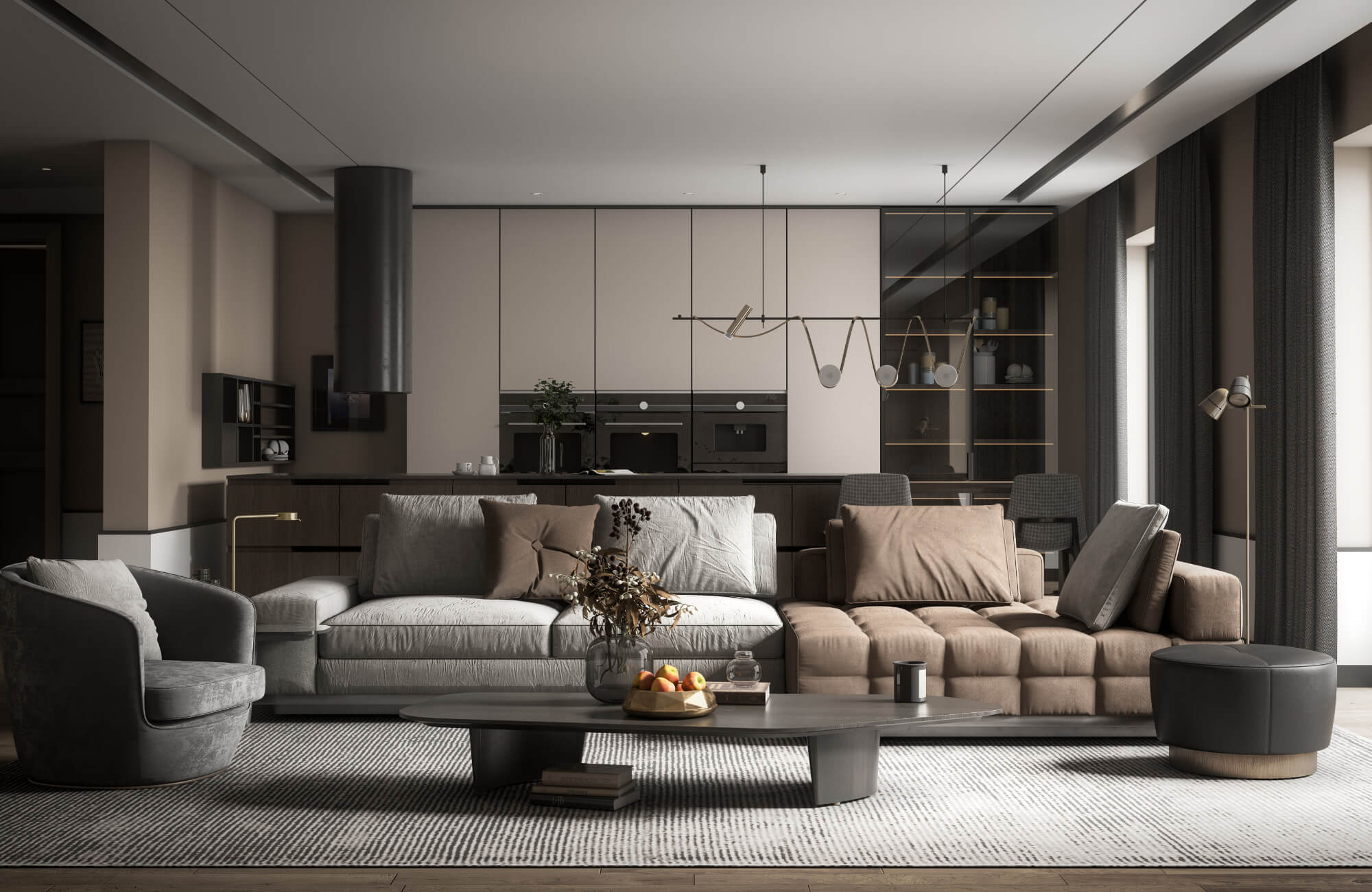
An example of this durability in practice is the Carter 24x48 Grip Porcelain 2cm Paver Tile in Fossil, which combines a large-format design with the structural resilience needed for busy pool areas. As shown in the photo above, its expansive slab size not only creates a sleek, modern look but also showcases porcelain’s ability to deliver both scale and strength without compromising stability. The uniform density throughout each tile ensures consistent performance across the entire deck area.

Thermal Comfort and Heat Reflectivity
A pool deck’s temperature plays a key role in user comfort, especially for those who prefer to walk barefoot. Porcelain pavers can be chosen and installed to reflect heat effectively, resulting in a surface that remains more comfortable during hot summer days.
Influence of Color and Reflectivity
Light-colored porcelain pavers with a high Solar Reflectance Index (SRI) naturally reflect more sunlight, which helps reduce surface heat levels. This is particularly beneficial in sunny regions where darker materials can become uncomfortably hot to walk on. By selecting shades like cream, light beige, or soft gray, you can achieve a cooler surface while also complementing the pool’s water tones. In addition, the reflective properties help to minimize thermal stress on the pavers themselves, which can extend their lifespan. These design decisions blend visual appeal with practical performance, creating a deck that looks inviting while remaining functional. With the right color selection, porcelain can deliver both comfort and elegance in equal measure.
Cool-Touch Surface Technology
Innovative manufacturing techniques now allow certain porcelain pavers to incorporate mineral blends that absorb less heat. This “cool-touch” technology can make a noticeable difference in barefoot comfort, especially during peak sunlight hours. Importantly, these enhancements do not reduce slip resistance or compromise the tile’s durability. For open pool decks without much shade, this feature also provides a simple, maintenance-free way to improve usability. Keeping the surface temperature lower encourages longer, more enjoyable poolside activities. This blend of engineering and comfort-focused design makes cool-touch porcelain a valuable option for hot-climate installations.
Thermal Mass and Heat Dissipation
Porcelain’s relatively low thermal mass allows it to release stored heat quickly once direct sunlight is reduced. This rapid cooling means the deck becomes comfortable to walk on sooner in the evening or after clouds pass. In contrast, materials with high thermal mass can retain heat for hours, limiting barefoot use. Faster heat dissipation also reduces prolonged thermal expansion, which can help preserve the deck’s structural integrity. Combined with light coloration and reflective qualities, this makes porcelain one of the most barefoot-friendly options available. For homeowners who value comfort as much as durability, this property is a decisive advantage.

Design Versatility and Aesthetic Integration
A pool deck should be more than just functional—it should also complement and enhance the surrounding space. Porcelain pavers excel in this regard, offering a vast range of styles, textures, and formats that integrate seamlessly with virtually any outdoor design concept.
Advanced Printing and Texturing
High-definition inkjet printing allows porcelain pavers to replicate the intricate beauty of natural materials with remarkable precision. This technology can recreate the veining of marble, the organic movement of travertine, or the warm tones of aged wood while retaining the superior durability of porcelain. Because these designs are fused into the tile surface during manufacturing, they also remain resistant to fading even under intense UV exposure. The textures, whether subtly honed or more pronounced for rustic appeal, are engineered to provide both visual depth and tactile realism. This ensures that a pool deck can achieve the charm of natural stone or wood without the vulnerabilities of weathering, staining, or high maintenance. As a result, you can enjoy a timeless, elegant aesthetic that lasts for decades with minimal upkeep.
Size and Format Flexibility
Porcelain pavers are available in an impressive range of sizes, from standard 12” x 24” formats to expansive 48” x 48” slabs that create a clean, modern look. Larger tiles can minimize grout lines, producing a seamless visual flow ideal for contemporary designs, while smaller formats can be used to create intricate patterns or decorative borders. This flexibility also allows the pool deck layout to be tailored precisely to the scale and style of the space.
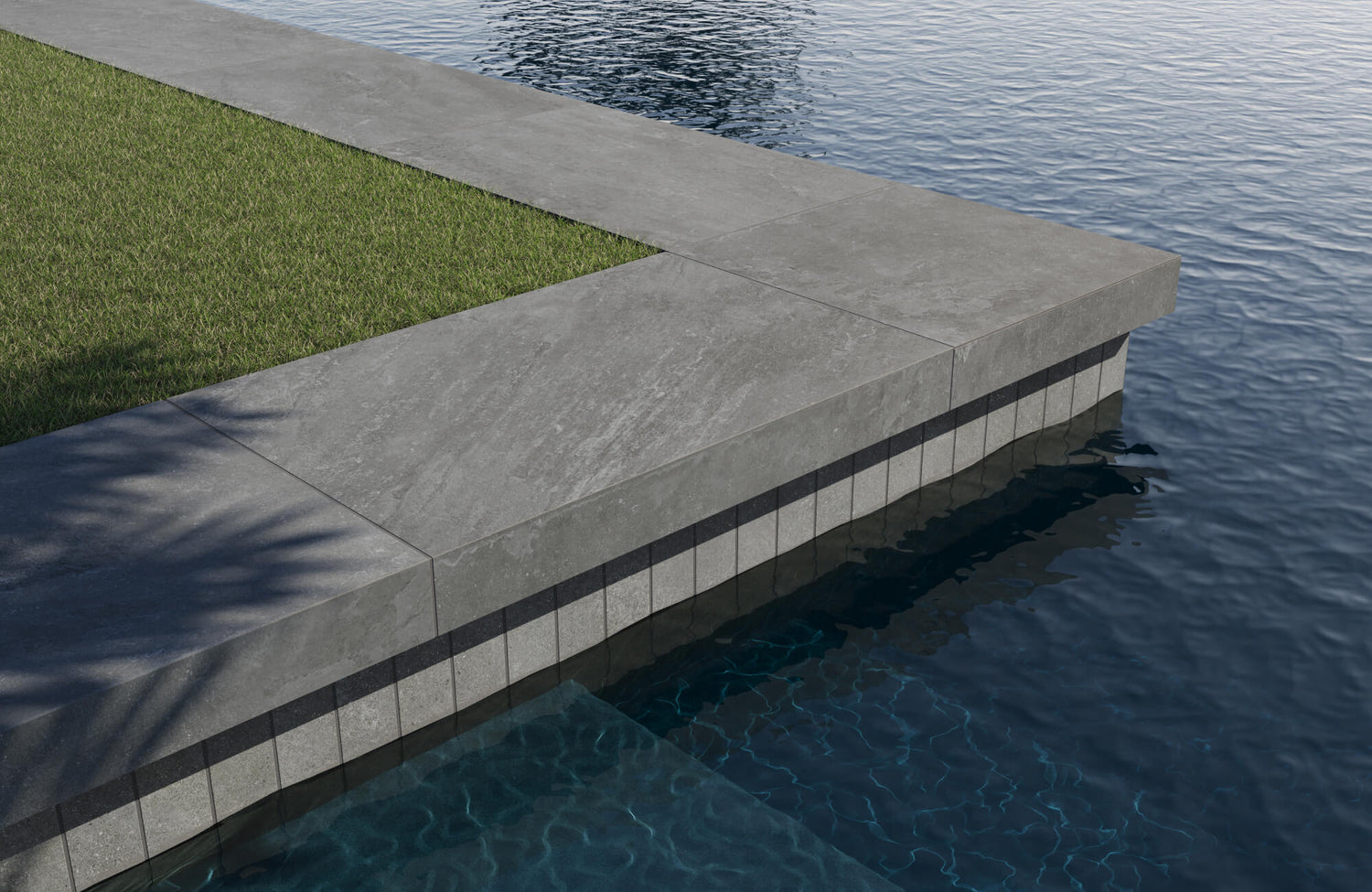
A versatile option is our Ramsey 24x24 Grip Porcelain 2cm Paver Tile in Putty, as featured in the photo above, which strikes a balance between practicality and design freedom. Its square format works equally well in grid layouts or staggered patterns, while the soft putty tone provides a neutral backdrop that complements a wide range of pool and landscape styles. Uniform thickness and precision manufacturing ensure that all sizes, including the Ramsey, work together cohesively, regardless of the chosen pattern.
Designers can also mix and match sizes to introduce subtle visual variation without overwhelming the overall composition. This adaptability ensures that porcelain can meet both functional requirements and aesthetic ambitions with equal success..
Pool Coping Integration
Integrating pool coping with the deck surface is essential for achieving a polished, cohesive finish. Many porcelain collections include matching coping profiles, such as bullnose, eased, or drop-edge designs, that align perfectly with the surrounding pavers. This continuity not only enhances the visual unity of the space but also helps reduce trip hazards by creating a smooth transition at the pool edge. Custom cutting capabilities allow coping pieces to follow unique pool shapes, from straight-edged lap pools to freeform designs. Moreover, the durability of porcelain ensures that coping maintains its form and finish over years of exposure to water and sunlight. By harmonizing the deck and coping, porcelain delivers a level of design refinement that elevates the entire pool environment.
To help you bring these possibilities to life, Edward Martin offers an Augmented Reality (AR) visualization tool. This technology allows you to project porcelain pavers directly into your outdoor space using a smartphone or tablet, making it easy to compare colors, sizes, and finishes in real time. By previewing how different textures and formats integrate with your pool and landscaping, you can make confident design choices before installation begins.

Installation Considerations and Long-Term Maintenance
Even the highest-quality materials require proper installation and care to perform at their best. With porcelain pavers, precise installation methods and minimal upkeep ensure that their performance and appearance are maintained for many years.
Installation Methods
Porcelain pavers can be installed in several ways, including mortar-set applications over a concrete slab, dry-lay systems on compacted gravel, and elevated pedestal installations. Each approach offers unique advantages: mortar-set systems provide a permanent, highly stable surface; dry-lay methods allow for easier replacement and natural water drainage; and pedestal systems offer concealed utility space and improved airflow beneath the deck. Choosing the right method depends on climate, pool design, and intended use. Additionally, professional installation is recommended to ensure proper slope, drainage, and joint spacing for optimal performance. By matching the installation approach to the project’s specific needs, homeowners can maximize both durability and functionality.
Adhesive and Cutting Requirements
Porcelain’s density and low porosity require specialized tools and materials for successful installation. For instance, polymer-modified thin-set mortars ensure a strong bond between the paver and its substrate, even in moist poolside conditions. Cutting is best performed with a diamond-tipped wet saw designed for porcelain, which produces clean edges without chipping. Installers should also incorporate expansion joints to allow for thermal movement and prevent stress cracks over time. Skipping these steps can compromise both the appearance and longevity of the deck. Attention to these technical details is key to achieving a professional-grade installation that lasts.
Minimal Maintenance Demands
One of porcelain’s greatest advantages is its low-maintenance nature, which keeps the pool deck looking fresh with minimal effort. Its dense, non-porous surface resists staining from water, pool chemicals, and organic debris, eliminating the need for sealing. Routine cleaning with a pH-neutral cleaner and periodic rinsing is typically all that’s required. Because the color and texture are baked into the tile, fading from UV exposure is virtually nonexistent. Over time, this ease of maintenance translates into both time savings and reduced upkeep costs. For homeowners who value both beauty and practicality, porcelain delivers on all fronts.
Why Porcelain Pavers Excel in Pool Deck Applications
Porcelain pavers combine safety, durability, and design versatility, making them an outstanding choice for pool deck installations. Their slip-resistant textures, ultra-low water absorption, and resistance to harsh pool chemicals ensure long-term performance with minimal maintenance. Heat-reflective options and light-toned finishes also enhance barefoot comfort, while the wide range of styles allows for seamless integration into any poolside design. Whether for a residential backyard oasis or a busy commercial pool area, porcelain pavers deliver a balance of function and beauty that few other materials can match. If you are looking for a low-maintenance, slip-resistant, and visually striking pool deck surface, porcelain pavers stand out as one of the best investments available.
While technical performance and design versatility highlight why porcelain pavers excel, experiencing the material firsthand brings added confidence. Edward Martin makes this simple with a sample request service, allowing you to evaluate color, texture, and finish in your own outdoor environment. Handling actual samples ensures that your selection not only looks beautiful but also feels right underfoot, making the decision process both easier and more enjoyable!