Porcelain pavers have been gaining attention for their sleek look, impressive durability, and wide range of design options. Whether you're planning a backyard refresh or a full-scale patio installation, their clean finish and long-lasting performance make them a tempting choice. But one question often stops people in their tracks: Are porcelain pavers expensive?
In this article, we’ll break down the price puzzle from multiple angles, including material, installation, maintenance, and more, so you can confidently decide if porcelain pavers are the right investment for your outdoor project.

Understanding What You're Paying For
Before we dive into specific price points, it also helps to understand what contributes to the cost of porcelain pavers. These aren't ordinary tiles; they're built to perform and last, even under demanding outdoor conditions.
Manufacturing Matters
You might be surprised to learn just how much precision and purpose go into crafting each porcelain paver. Unlike basic tiles, porcelain pavers are fired at extremely high temperatures using finely ground clay, resulting in a denser, more resilient product built for the outdoors. What truly sets them apart, though, is the way they’re made, using 95% locally sourced materials and up to 45% recycled content. This not only supports sustainable manufacturing but also reduces environmental impact. While the process is energy-intensive and involves premium components, that’s exactly what ensures strength, reliability, and long-term performance you can count on.
Quality Standards and Certifications
One of the reasons we proudly stand behind our porcelain pavers is that many of them meet or exceed international standards. Certified ratings for slip resistance, frost protection, and load-bearing capacity aren’t just nice features, they’re also essentials for outdoor use. When you see a higher price tag, you’re often paying for this guaranteed performance. Certifications ensure compliance with local safety and building regulations, which protects your investment in the long run.
Size, Thickness, and Finish
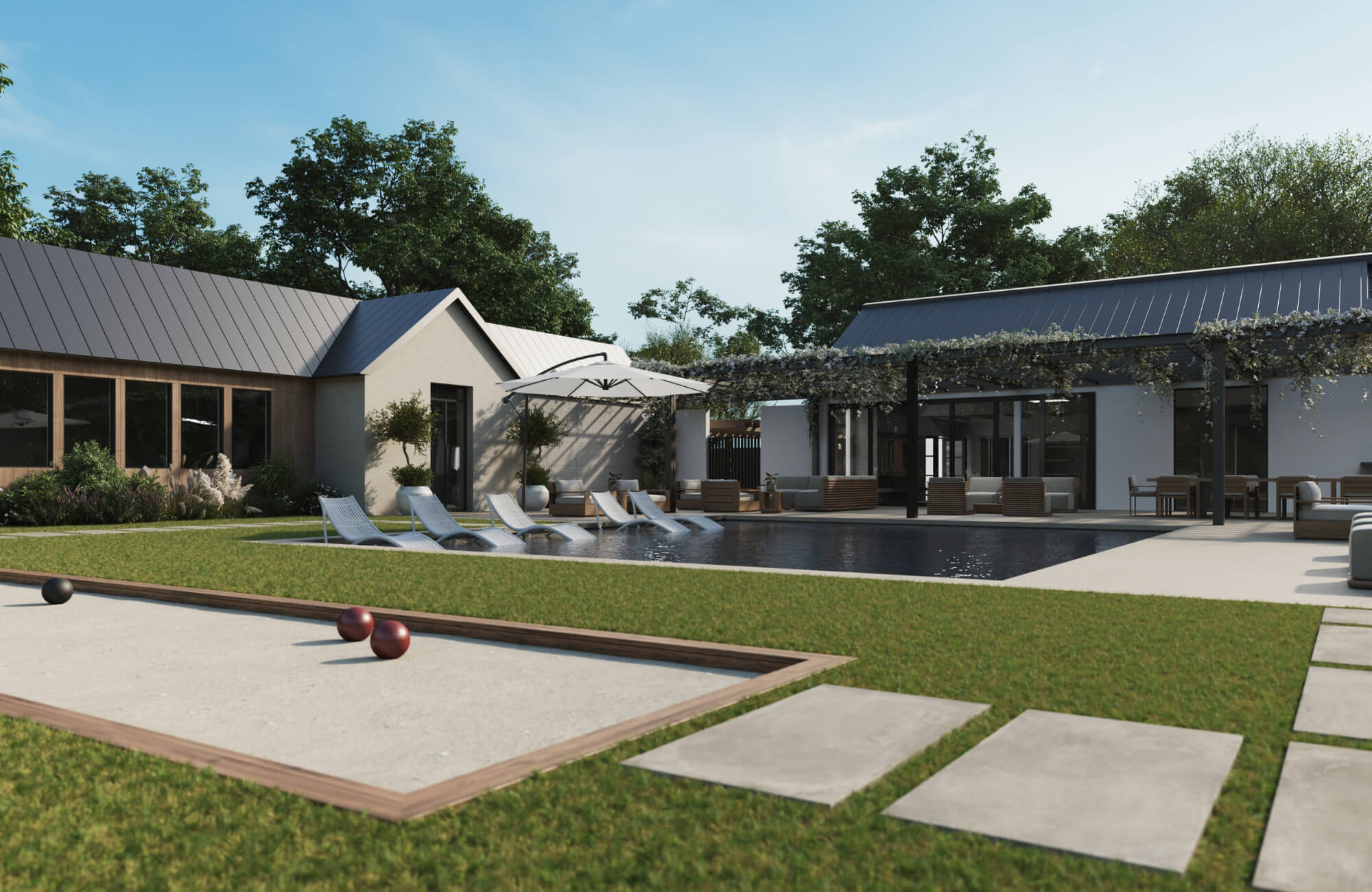
Porcelain pavers come in a range of sizes and thicknesses, and these physical characteristics play a major role in determining cost. Larger or thicker formats, like Edward Martin’s Dawson 24x48 Grip Porcelain 2cm Paver Tile in Dune, as displayed in the photo above, require more raw materials and longer production time, which naturally leads to a higher price point. Beyond size, the type of surface finish affects performance. Grip finishes, for example, improve traction in wet areas, while denser formats add strength for areas that support heavier use, such as driveways or dining patios. When choosing a paver, it’s important to consider where it will be installed and how much wear it will need to withstand, not just how it looks. These details can also help ensure you get both safety and durability, along with visual appeal.

Comparing Porcelain to Other Outdoor Materials
If you're wondering whether porcelain pavers are worth the investment, it helps to see how they stack up against other outdoor materials. It’s not just about the upfront price, it’s also about the overall value they bring to your space. Here’s how porcelain compares to some of the most common materials used for outdoor surfaces.
Porcelain vs Natural Stone
Porcelain sets itself apart with a sleek, non-porous surface that holds up effortlessly in outdoor environments. Its resistance to moisture, stains, and temperature extremes means it performs consistently without the need for sealing. Natural stone, on the other hand, includes materials like marble, travertine, limestone, and onyx; all of which are porous and require regular sealing to prevent water absorption and surface damage. Although natural stone brings an earthy, luxurious character, porcelain offers a similar visual appeal with greater durability, easier care, and uniform quality from tile to tile.
Porcelain vs Concrete Pavers
Where porcelain shines is in its long-term resilience and color retention. Its surface remains stable in changing weather conditions, and its finish won’t fade or break down over time. Concrete pavers may offer lower upfront costs, but they’re prone to erosion, cracking, and surface wear, especially in areas with harsh winters or strong sun exposure. These vulnerabilities often lead to more maintenance or early replacement. Choosing porcelain means opting for a surface that not only looks refined but also withstands outdoor challenges with far fewer complications down the road.
Porcelain vs Wood Decking and Composite Materials
Porcelain offers a hassle-free alternative to traditional wood and composite decking, especially when durability and ease of care are priorities. Unlike wood, porcelain doesn’t absorb moisture, attract insects, or splinter over time. It holds up beautifully in humid or wet climates without the risk of mold, mildew, or rot. In contrast, while wood and composite materials bring a warm, natural look, they often require regular sealing, staining, or even board replacement to stay in good shape. With porcelain, you can get lasting style and performance, without the constant maintenance that wood-based surfaces demand.

What to Expect When Installing Porcelain Pavers
Even the most budget-friendly paver can become costly if the installation process isn’t properly planned. To help you avoid surprises, let’s explore what’s involved in installing porcelain pavers and highlight the areas where careful budgeting pays off.
Labor and Site Preparation
Installing porcelain pavers involves more than simply laying tiles; it begins with thorough site preparation and requires skilled execution every step of the way. Because porcelain is denser and more brittle than other materials, it demands careful handling, precise cutting, and accurate alignment. The ground must be properly leveled, compacted, and stabilized to support the weight of the pavers and prevent future shifting. Labor costs typically range from $10 to $25 per square foot, depending on project complexity and local rates. This reflects the need for specialized tools and experienced installers who understand how to work with porcelain’s specific requirements. For the best results and to avoid costly issues down the line, it’s always a good idea to consult with a professional before installation begins.
Base Requirements and Support Systems
The type of base you’ll need for porcelain pavers depends entirely on where they’re being installed. For standard ground-level patios or walkways, a compacted gravel and sand base is usually sufficient to provide stability and proper drainage. However, if you're working with rooftops, balconies, or uneven surfaces, a raised pedestal system is often necessary. These adjustable supports create a level surface while allowing water to drain freely underneath, protecting both the pavers and the structure below. Although pedestal systems add to the overall cost, they’re essential for certain applications and offer long-term reliability with minimal upkeep. Factoring in the right base from the beginning also ensures your installation performs well and lasts for years.
Hidden or Overlooked Expenses
One of the most common challenges during a porcelain paver installation is underestimating the smaller, less obvious costs. Expenses like delivery fees, edge trims, leveling spacers, and waste removal can quickly add up. If your project includes curves, steps, or built-in features like planters or lighting, you may also need custom cuts or extra structural support, both of which require more time and specialized tools. These details often go unnoticed during the planning stage but appear clearly on the final invoice. Factoring them upfront helps you build a more accurate budget and prevents costly surprises as the project moves forward.

Maintenance, Durability, and Longevity
Now that we’ve covered installation, it’s just as important to look at what it takes to maintain porcelain pavers over time. One of their biggest advantages is that once they’re installed, they continue to look great with minimal upkeep, making them a practical, long-lasting choice for outdoor spaces.
Maintenance
When it comes to everyday care, porcelain pavers are among the easiest outdoor surfaces to maintain. Because of their non-porous surface, stains don’t soak in, so most spills can be wiped away with just water and a bit of mild soap; no need for harsh cleaners. In addition, dirt, leaves, and everyday messes can be quickly swept or rinsed off with minimal effort. Even in shaded or damp areas, porcelain performs reliably, resisting mold and mildew so your outdoor space stays clean and fresh year-round.
Generally, always follow the manufacturer’s care recommendations for both the tiles and grout to ensure lasting performance.
Durability
Unlike many materials that fade or degrade in sunlight, porcelain holds its appearance season after season. It’s specifically designed to resist harsh outdoor elements, whether it’s UV rays, moisture, freezing temperatures, or even salt exposure in coastal areas. As a result, you won’t deal with the cracking, warping, or staining often seen in wood, concrete, or natural stone. Over time, that kind of durability also means you’ll spend far less on repairs or replacements. Put simply, porcelain holds up where other materials tend to wear down.
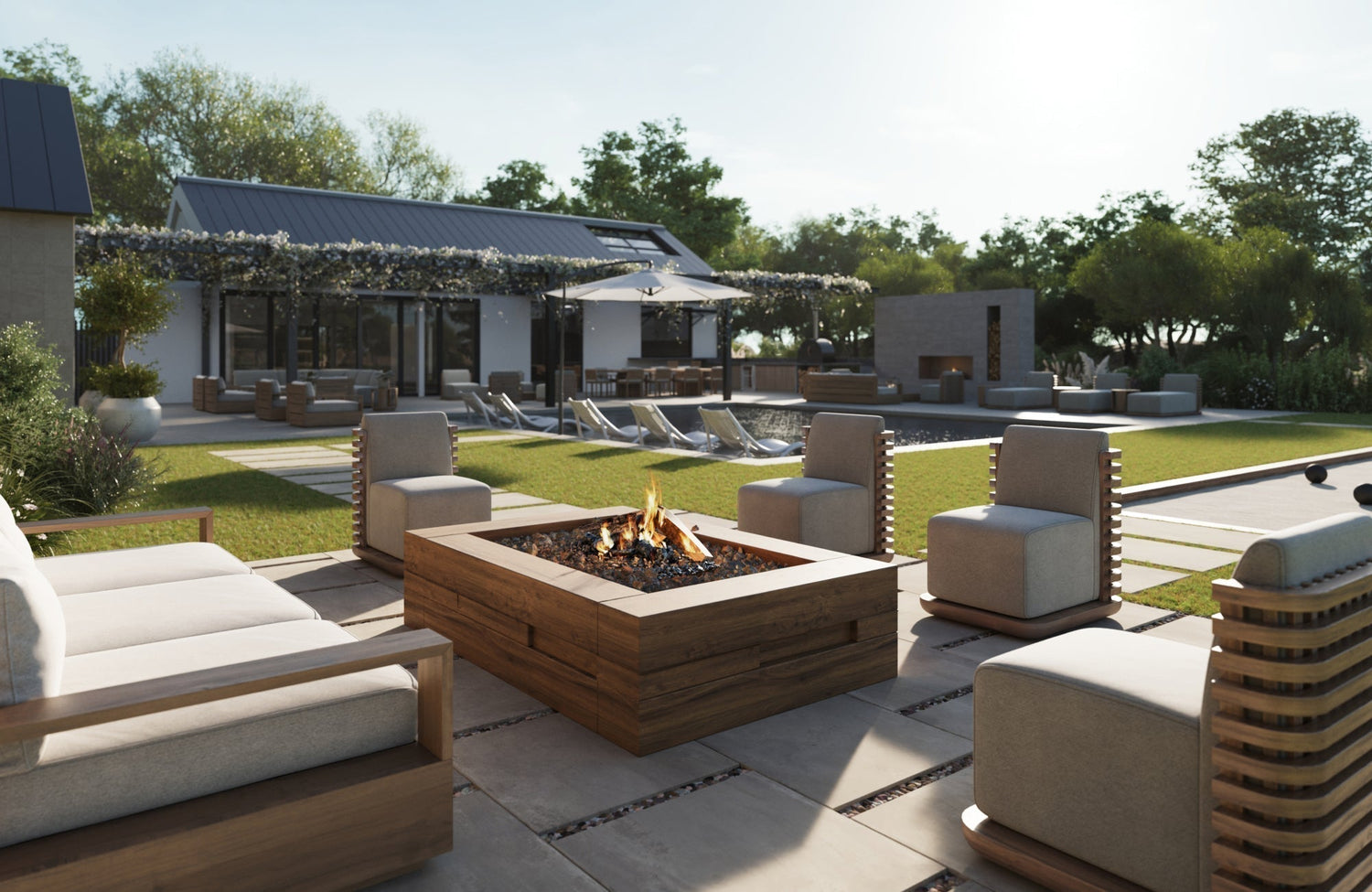
This is especially true for high-exposure areas like pool decks. For example, Edward Martin’s Bowden 24x24 Grip Porcelain 2cm Paver in Canvas, as displayed in the photo above, is engineered for both beauty and performance in wet environments. Its grip finish enhances safety around water while maintaining a clean, modern look that won’t fade, stain, or deteriorate, no matter the season.
Longevity
Porcelain pavers are built to last, maintaining their structure and appearance even after years of use. They won’t warp, crack, or break down over time, even in challenging outdoor conditions. This long-term reliability also makes them ideal for permanent installations like patios, walkways, and pool decks. With porcelain pavers, you’re choosing a surface that stays strong, stable, and visually consistent for decades.

Design Flexibility and Aesthetic Value
In addition to their strength and durability, porcelain pavers truly stand out when it comes to style. If you're looking to create an outdoor space that reflects your taste without stretching your budget, this is where porcelain shows its true value.
High-End Looks Without the Price Tag
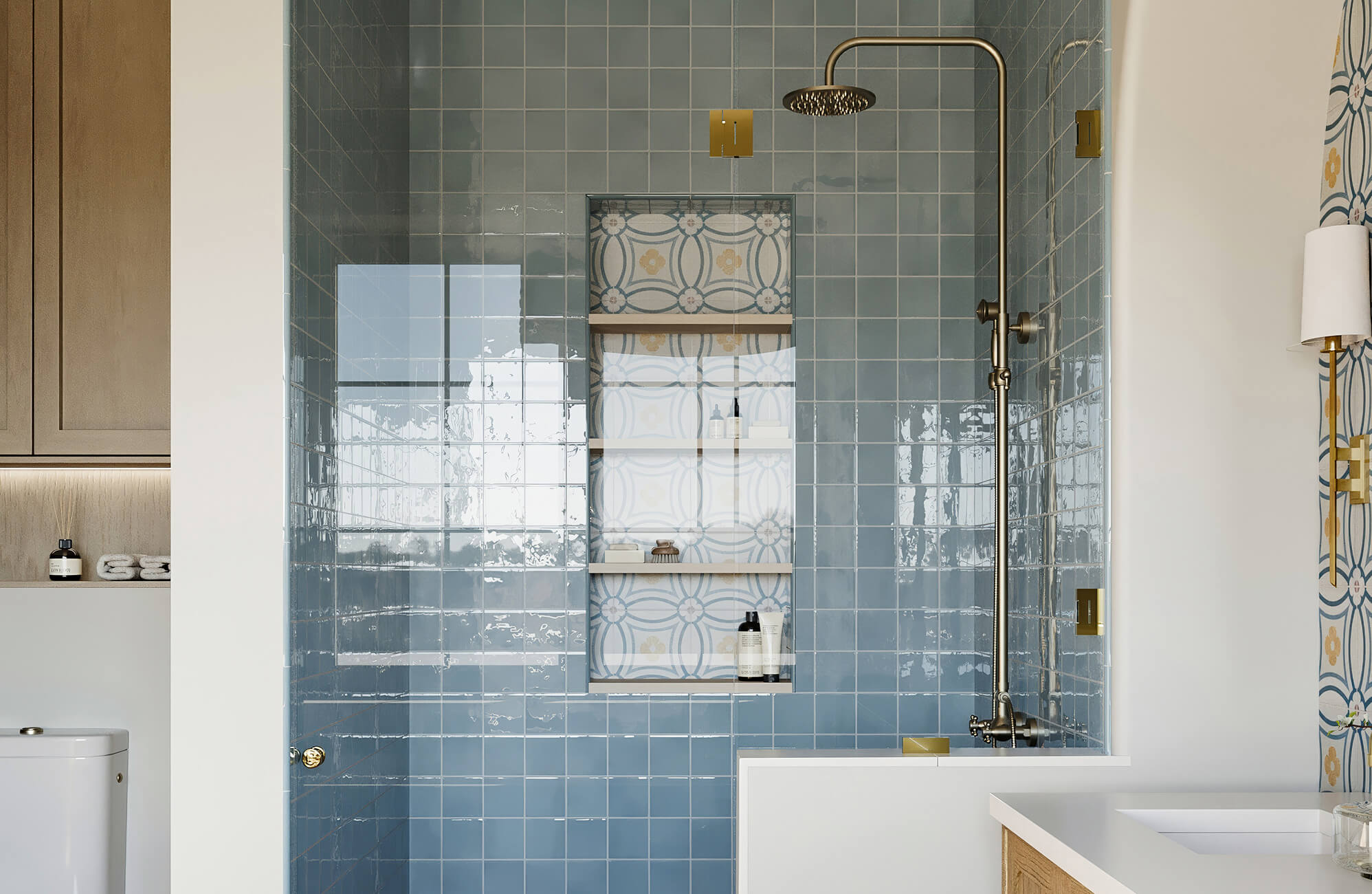
Porcelain pavers are designed to deliver a refined, high-end appearance without the premium cost often associated with natural materials. These surfaces are carefully crafted to offer rich texture, depth, and character, giving you an upscale finish that elevates any outdoor space. A great example is Edward Martin’s Carter 24x48 Grip Porcelain 2cm Paver Tile in Fossil, shown in the photo above. It beautifully mimics the natural charm of aged limestone, offering a refined, organic look for just $10.45 per square foot. Compared to the cost and upkeep of real stone, porcelain delivers a similar aesthetic with far fewer long-term concerns, making it an easy choice for style and value.
Seamless Indoor-Outdoor Transitions
When you're aiming to create a cohesive flow between your indoor and outdoor spaces, porcelain pavers offer an ideal solution. Many collections include matching indoor tiles and outdoor-rated pavers, allowing you to carry the same design language across both areas effortlessly. As a result, your space feels more unified and thoughtfully designed. This seamless connection not only enhances your home's overall aesthetic but also gives it a more open, expansive feel, especially in smaller layouts where visual continuity makes a big impact.
Color and Texture Choices
Porcelain pavers offer more than just durability, they also give you room to express your style. You’ll find a wide palette to work with, from soft taupe and clean white to natural brown tones and contemporary shades of grey. These colors come in a variety of textures, including smooth matte finishes for a clean, modern look, lightly textured surfaces that echo the feel of natural stone with gentle veining, and fine-grain textures that bring a soft, refined touch to brighter tones like ivory or white. This range makes it easy to create the atmosphere you want, whether it’s a relaxing patio retreat or a bold, structured courtyard. You can even mix and match tones to define spaces or highlight key areas, like warm brown for lounge zones or soft grey to guide footpaths. And the best part? You can also achieve a custom-designed look without the added cost of custom materials.
The True Cost of Choosing Porcelain Pavers
Once you consider everything, materials, installation, design, and how well they hold up over time, it’s easy to see that porcelain pavers aren’t expensive. They combine lasting durability with a clean, elevated look that other outdoor surfaces can’t match. Though the upfront cost might be a bit higher, what you get in return is a surface that looks great, performs reliably, and doesn’t need constant upkeep. It’s a smart investment in a space you’ll enjoy for years.
If you’re ready to take the next step, we’re here to help. Contact us to chat with a product expert or book a design consultation and start planning a space that fits your style and your budget!