
)
)
)
)
)
)
)
)
Are Porcelain Paver Tiles Good For Pool Decks?
As homeowners increasingly seek durable, stylish, and low-maintenance solutions for their outdoor living spaces, porcelain paver tiles have surged in popularity, finding their way into patios, walkways, and notably, pool decks. Gone are the days when concrete or traditional stone were the only options for poolside surfacing; porcelain tile now offers a compelling alternative that merges aesthetic appeal with robust performance. This rising trend naturally leads to a crucial question for anyone planning a new pool deck or renovating an existing one: Are porcelain paver tiles truly a smart and reliable choice for pool decks? This article explores porcelain pavers from multiple critical angles, including slip resistance, outdoor durability, design flexibility, and long-term value, to help you make an informed decision for your poolside space.
Understanding Porcelain Paver Tile Properties
To truly grasp why porcelain paver tiles are becoming a top choice for outdoor applications, especially around pools, it's helpful to start with the physical characteristics that distinguish them from other materials.
What Makes Porcelain Unique
Porcelain pavers stand out from traditional ceramic tiles and even many natural stones due to their advanced manufacturing process. Composed of highly refined clay and fired at extreme temperatures, porcelain achieves a dense, durable structure with very low porosity. This makes it exceptionally resistant to water absorption, staining, mold, mildew, and chemical damage—common challenges in pool environments. Unlike some natural materials, porcelain also offers consistent performance from tile to tile, ensuring reliability and uniform appearance across the entire surface.
Key Outdoor-Specific Features
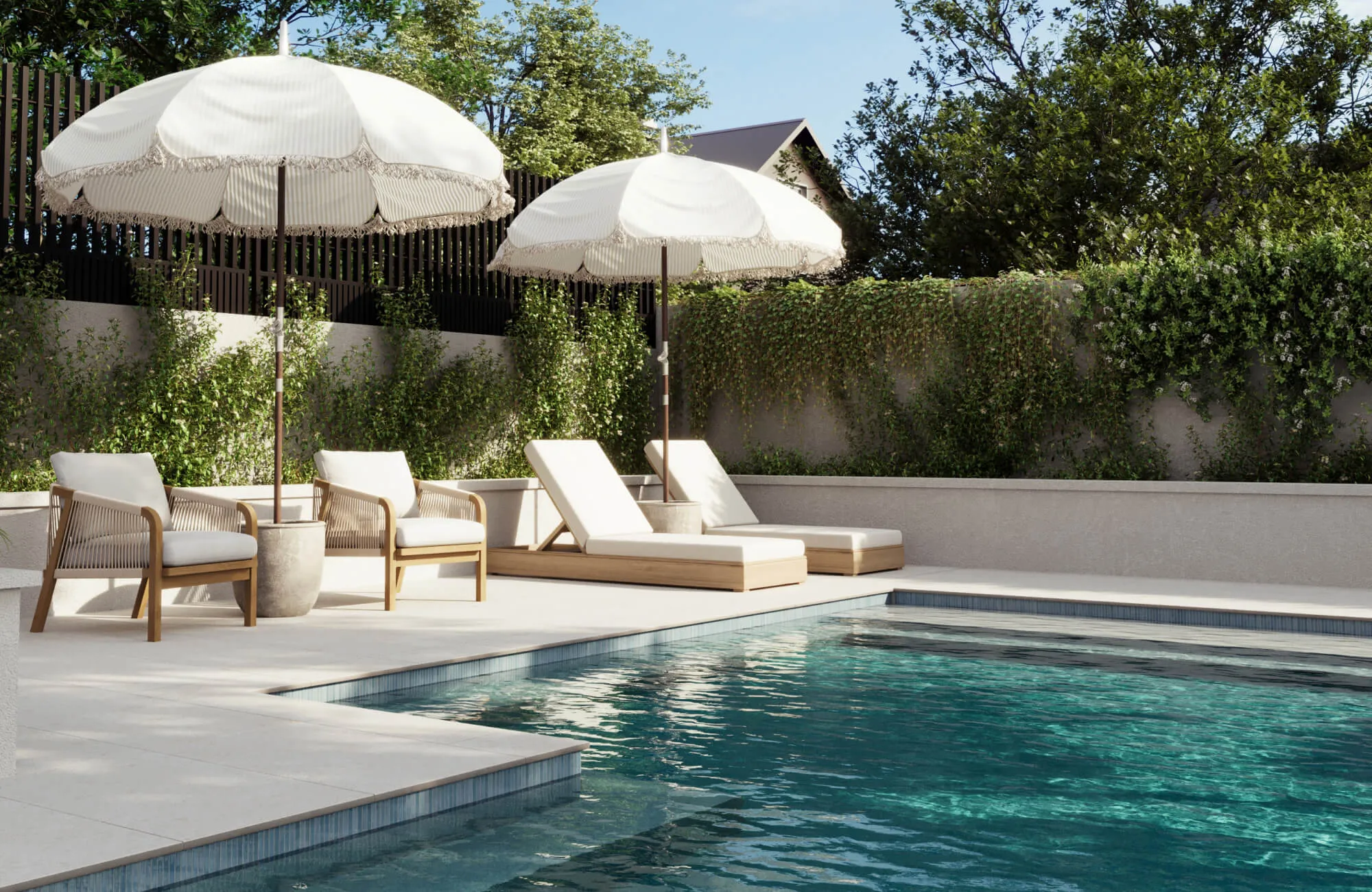
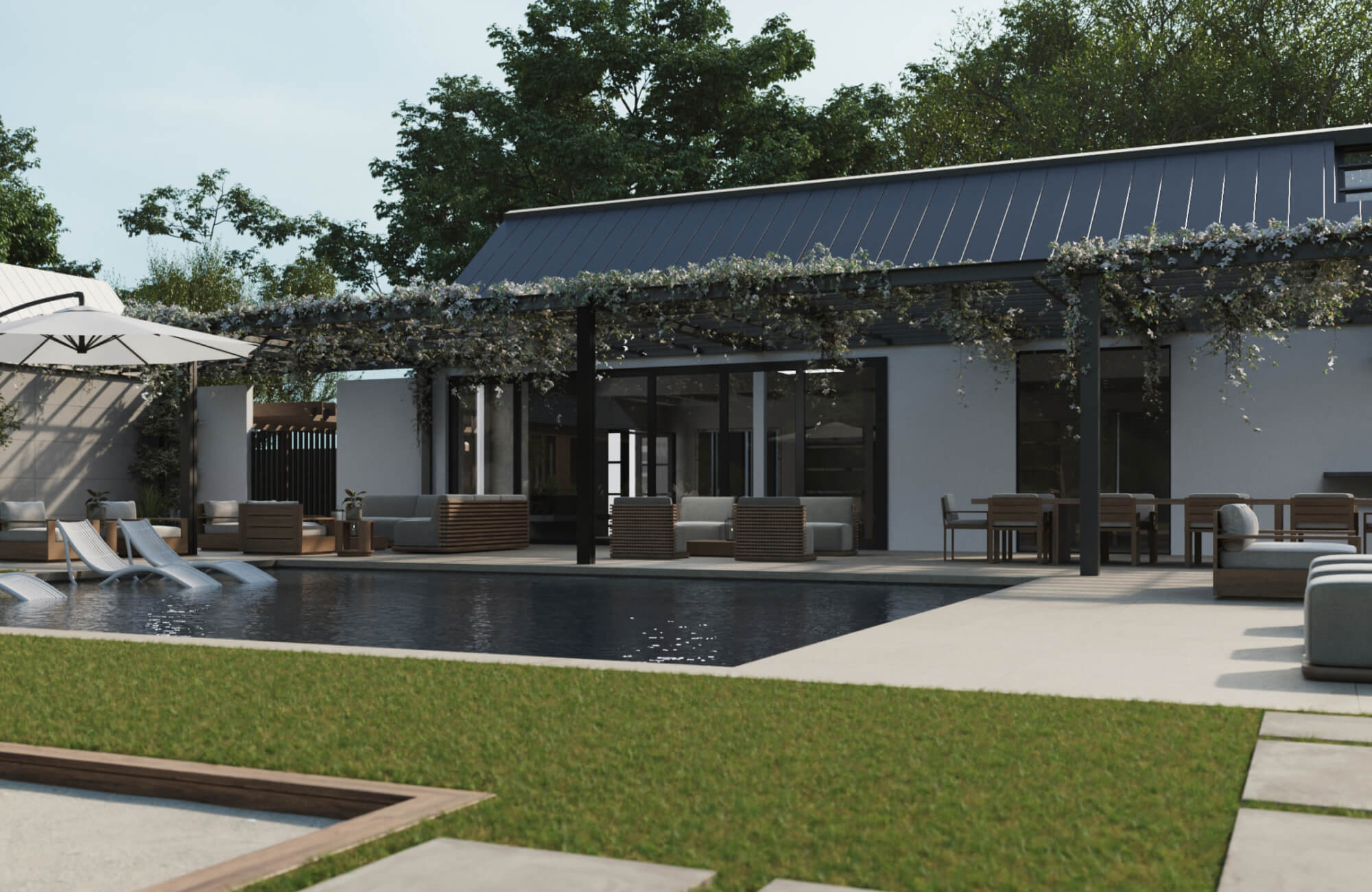
Outdoor-rated porcelain pavers are engineered to withstand demanding environmental conditions. Their exceptionally low water absorption makes them highly resistant to freeze-thaw cycles, which is crucial for performance in colder climates. Additionally, porcelain’s UV resistance helps preserve its color and surface finish despite prolonged exposure to sunlight. Its dense composition also ensures superior load-bearing capacity, easily accommodating foot traffic and the weight of outdoor furniture without chipping or wear. A great example of this durability and aesthetic stability is our Bowden 24x24 Grip Porcelain 2cm Paver in Oat, featured above, which offers a warm, neutral tone with excellent strength, perfect for patios, walkways, or garden seating areas that demand both beauty and long-term performance.
Thickness and Composition
The standard thickness of outdoor porcelain pavers is typically 20mm (approximately 3/4 inch), which provides structural integrity for exterior installations. This dense composition supports a variety of installation methods, including dry-laying on gravel, sand, or mounted on pedestals, without compromising stability. The durability provided by this construction makes porcelain pavers especially well-suited to the variable conditions of pool decks, where they must withstand ongoing moisture, temperature changes, and continuous use without showing signs of wear or deterioration.
Safety and Performance in Pool Environments
Materials used around pools must meet strict safety and performance standards. Porcelain pavers excel in these categories, offering practical advantages that make them a trustworthy choice for pool decks.
Slip Resistance for Wet Areas
Minimizing the risk of slipping is essential around pools, where surfaces are frequently wet. Porcelain pavers are available in textured finishes that improve traction, even underfoot when wet. These anti-slip surfaces help create a safer walking environment for bare feet fresh out of the pool. To ensure adequate safety, look for products with certified slip-resistance ratings, often indicated by an "R-rating" (e.g., R11, R12, which provide a reliable measure of surface grip in wet conditions.
Heat Retention and Barefoot Comfort
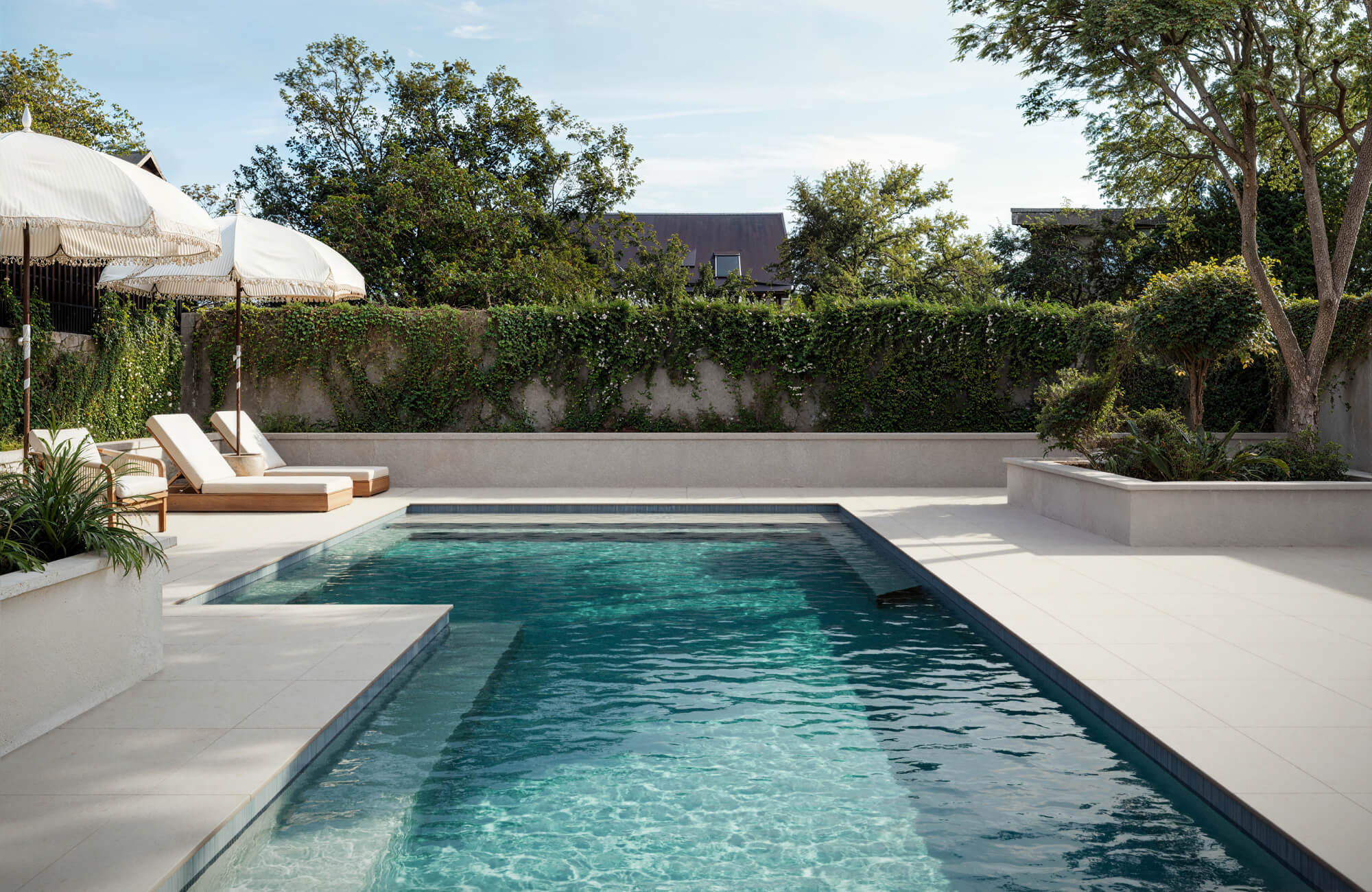
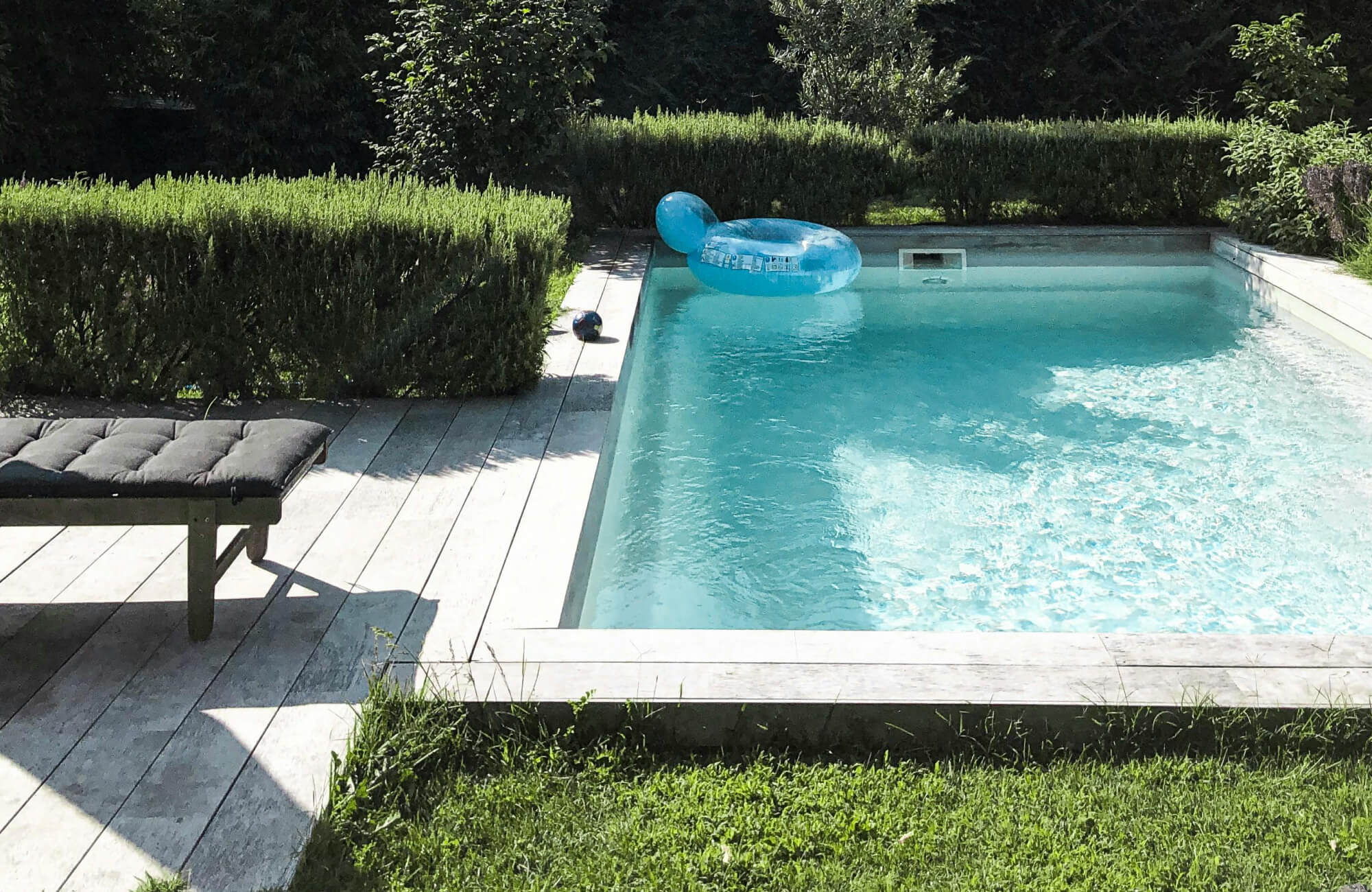
In sun-drenched pool areas, surface temperature plays a vital role in overall comfort. Porcelain pavers generally retain less heat than materials like concrete or natural stone, making them more pleasant to walk on. Their dense composition and availability in lighter tones help reflect sunlight and reduce surface warmth. A great example is our Bowden 24x24 Grip Porcelain 2cm Paver in Canvas, as shown in the photo above, whose soft, sun-reflective finish enhances barefoot comfort without compromising style. While no surface remains completely cool under direct sun, porcelain offers a noticeably more comfortable experience for walking, lounging, and playing around the pool.
Resistance to Pool Chemicals and Staining
Pool environments expose surfaces to a wide range of harsh elements, from chlorine and saltwater to sunscreen, oils, and food spills. Porcelain’s extremely low porosity gives it a significant edge in resisting these challenges. Unlike porous materials that absorb moisture and chemicals, porcelain pavers are virtually impervious, protecting them from staining, fading, and surface deterioration. This resilience simplifies upkeep, preserving the deck’s clean, polished appearance over time with minimal maintenance.
Design Versatility and Aesthetic Appeal
Functionality aside, porcelain pavers also offer striking design benefits, allowing homeowners to enhance both the form and function of their pool areas.
Style Variety and Natural Look
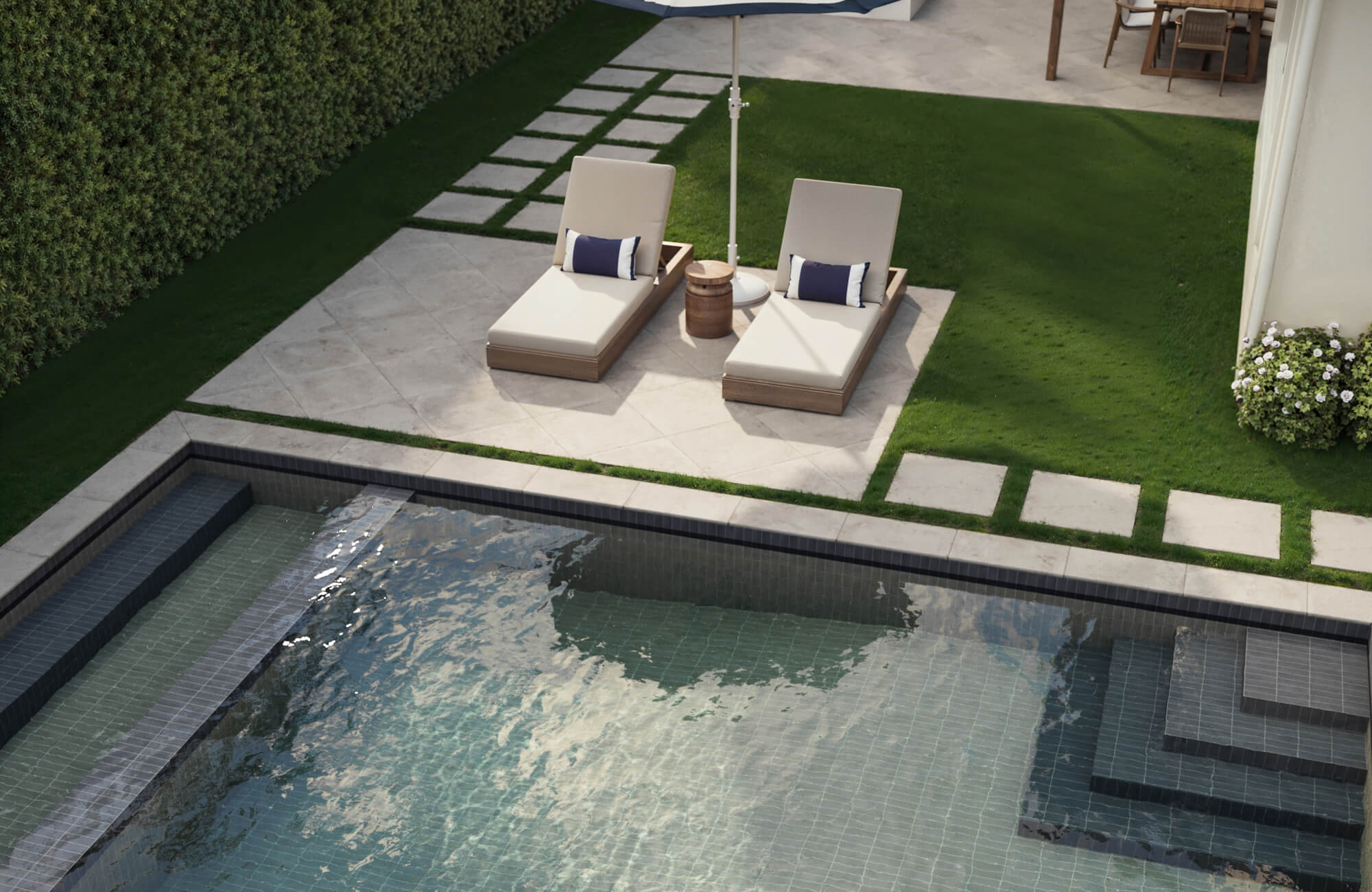
Porcelain pavers stand out for their remarkable ability to replicate the appearance of natural materials with impressive accuracy. Thanks to advanced manufacturing techniques, these tiles can convincingly mirror the grain of wood, the veining of natural stones like travertine, slate, or granite, and even the sleek, industrial look of poured concrete. For example, our Ramsey 24x48 Grip Porcelain 2cm Paver Tile in Putty, as seen above, captures the clean, minimal feel of poured concrete while offering improved performance and aesthetic consistency. This versatility opens the door to a wide range of design aesthetics, from rustic and resort-inspired to modern minimalist or timeless traditional. With porcelain, homeowners and designers can achieve their desired visual style while avoiding the maintenance and performance limitations often associated with natural materials. To help visualize how different styles will look in your own space, Edward Martin also offers an Augmented Reality (AR) tool, allowing you to view pavers in real-time within your environment before making a decision.
Color Retention Over Time
In sun-drenched outdoor spaces, especially around pools, maintaining color integrity is essential. Porcelain pavers are engineered for long-term visual performance, offering excellent resistance to fading and discoloration. During the firing process, pigments are infused throughout the tile, ensuring that color is not just on the surface but integrated into the material itself. This results in consistent, lasting hues that withstand UV exposure and pool chemicals, helping the deck retain its fresh, vibrant appearance over time without requiring frequent refinishing or replacement.
Creating Seamless Indoor-Outdoor Transitions
For homeowners aiming to blur the lines between indoor and outdoor living, porcelain pavers offer a seamless design solution. Many collections include both indoor-rated and outdoor-rated formats of the same style, enabling designers to extend a single tile design from the interior of the home out onto the pool deck. This continuity enhances the visual flow between spaces, creating a unified and expansive environment. The result is not only aesthetically striking but also functionally cohesive, contributing to a modern, integrated living experience that feels larger and more connected.
Installation Considerations and Methods
Proper installation plays a critical role in the functionality and lifespan of a porcelain paver pool deck. Different methods suit different site conditions and goals.
Installation Over Sand, Pedestals, or Mortar
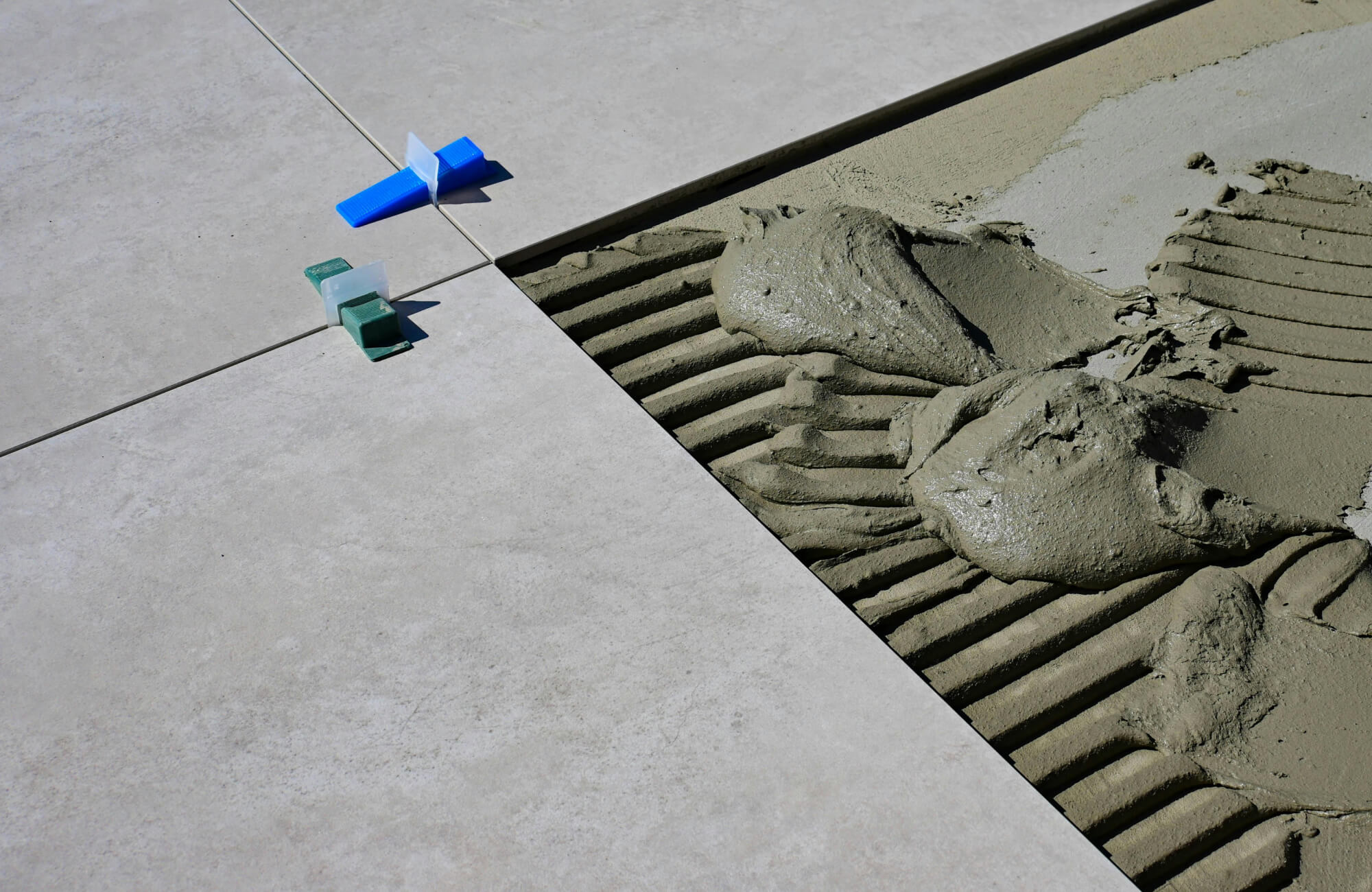
Porcelain pavers offer flexible installation options to suit various site conditions and design goals. Dry-laying over a compacted sand and gravel base is a cost-effective approach that supports efficient drainage and simplifies future access or repairs. Pedestal systems are ideal for uneven surfaces or rooftop settings, offering a level finish while allowing space for airflow and access to utilities below. For a more permanent solution, mortar-set installation over a concrete slab provides maximum stability and is well-suited for areas with heavy use or structural demands. The best method depends on factors like site slope, climate, drainage requirements, and intended use. To ensure optimal results, especially in complex or busy areas, it’s best to consult with a professional who can assess site-specific conditions and recommend the most appropriate approach.
Substrate Preparation for Stability
Regardless of the installation technique, a properly prepared substrate is vital to ensure long-term success. This includes compacting the soil, grading base layers, and incorporating an appropriate slope for water runoff. For mortar installations, a reinforced concrete slab with a deliberate slope helps direct water away from the pool and prevents pooling. In sand-set systems, consistent bedding depth and compaction reduce the risk of shifting or settling. Adequate drainage planning at this stage protects the surface from moisture-related damage and ensures structural reliability over time.
Edge Restraints and Expansion Joints
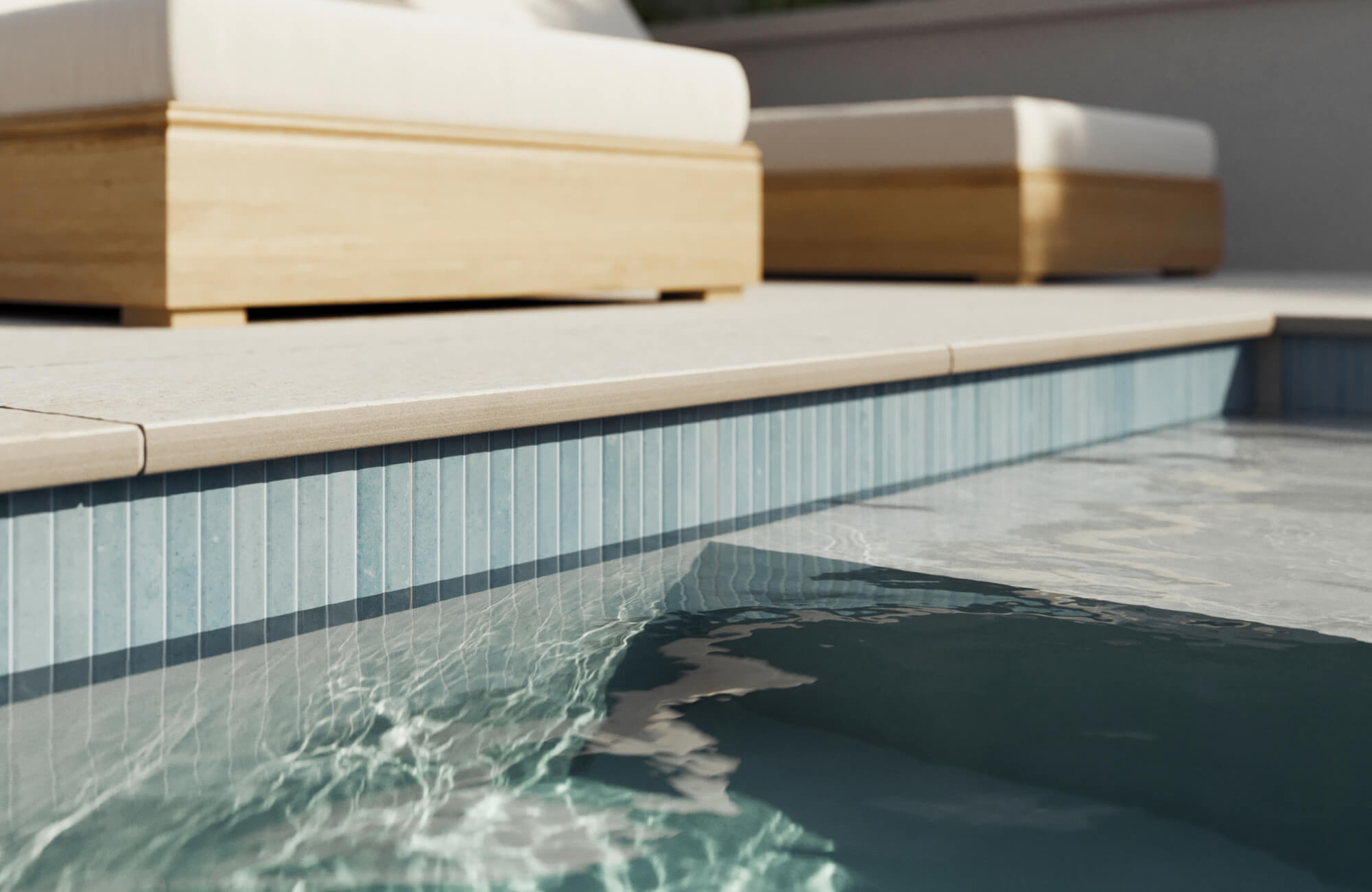
Attention to finishing elements plays a key role in maintaining both function and aesthetics. In dry-set applications, edge restraints—made from plastic, metal, or concrete—securely hold the pavers in place. Around the pool, specialized porcelain coping provides a comfortable and safe transition, enhancing the deck’s visual cohesion. Expansion joints, particularly important in mortar-set systems, accommodate natural material movement due to temperature fluctuations. These joints help prevent cracking and maintain the deck’s structural integrity and clean appearance over time.
Maintenance, Longevity, and Cost Efficiency
Porcelain pavers not only perform well initially but continue to offer value through low maintenance, lasting durability, and long-term cost savings.
Low Maintenance Needs
Porcelain pavers are especially valued for their minimal maintenance requirements. Their dense, non-porous surface resists moisture, stains, and chemical absorption, making them ideal for poolside conditions. Common concerns, such as algae, mold, or discoloration from sunscreen and food spills, are less likely to occur. Unlike natural stone, porcelain requires no sealing—simple sweeping and occasional washing with mild detergent typically keep the surface looking clean and fresh, saving both time and long-term upkeep costs.
Durability Over Time
Engineered through high-temperature firing, porcelain pavers are dense and durable, making them well-suited for the challenges of a poolside environment. They resist chipping, cracking, and surface wear, even in frequently used areas or beneath heavy outdoor furniture. Their resistance to UV rays ensures colors remain vivid, while their freeze-thaw tolerance protects against climate-related damage. These combined qualities mean that porcelain pavers maintain their structure and appearance for many years, often without the need for repairs or replacement.
Cost Versus Value Comparison
Although the upfront cost of porcelain pavers may be higher than basic concrete or comparable to mid-tier natural stones, their long-term value is substantial. Their resilience minimizes the need for ongoing treatments, repairs, or replacements. With fewer maintenance demands and greater longevity, porcelain offers a lower total cost of ownership over time. For homeowners prioritizing durability, aesthetics, and reduced upkeep, porcelain pavers represent a smart and cost-effective investment.
When Porcelain Might Not Be the Best Choice
Despite its many strengths, porcelain may not be the perfect fit for every project. Understanding its limitations ensures the right material is chosen for the job.
Challenging Installations or Budget Constraints
In some situations, the installation of porcelain pavers, especially the thicker, outdoor-rated varieties, can be less practical than alternative materials. Areas with naturally uneven terrain, steep slopes, or irregular grading may require extensive ground preparation to accommodate a level paver installation. In such cases, a poured concrete slab may offer a simpler, more adaptable solution.
Cost can also be a limiting factor. Porcelain pavers often involve higher upfront material and labor expenses, particularly when intricate cuts or specialty installation methods are involved. For projects with tight budgets, more economical options like basic concrete or regionally sourced natural stone may offer a better balance between cost and functionality.
Matching Existing Materials
Maintaining visual harmony is crucial when incorporating new elements into established outdoor spaces. If your current patios, walkways, or exterior finishes are made from aged stone, brick, or distinct textured concrete, even the most realistic porcelain pavers may be challenging to blend seamlessly.
Additionally, introducing a material that clashes with existing textures or tones can disrupt the overall design. In such situations, choosing pavers that complement or closely align with the surrounding materials helps create a unified, well-integrated appearance that enhances the space rather than competing with it.
Is Porcelain Right for Your Pool Deck?
Porcelain paver tiles stand out as a durable, visually appealing, and low-maintenance option for pool decks. With excellent resistance to moisture, UV rays, chemicals, and temperature swings, they offer a winning combination of safety, beauty, and practicality. While the upfront investment and installation complexity should be carefully considered, the long-term benefits often outweigh the initial cost. For homeowners seeking a refined, lasting solution for their outdoor spaces, porcelain pavers are well worth exploring. If you’re unsure whether porcelain tile is the right fit for your specific project, consult our design professionals for personalized guidance.
Follow us on Instagram
@EDWARD.MARTIN
)
)
)
)
)
)
)
)
)
)
)
)
)
)
)
)