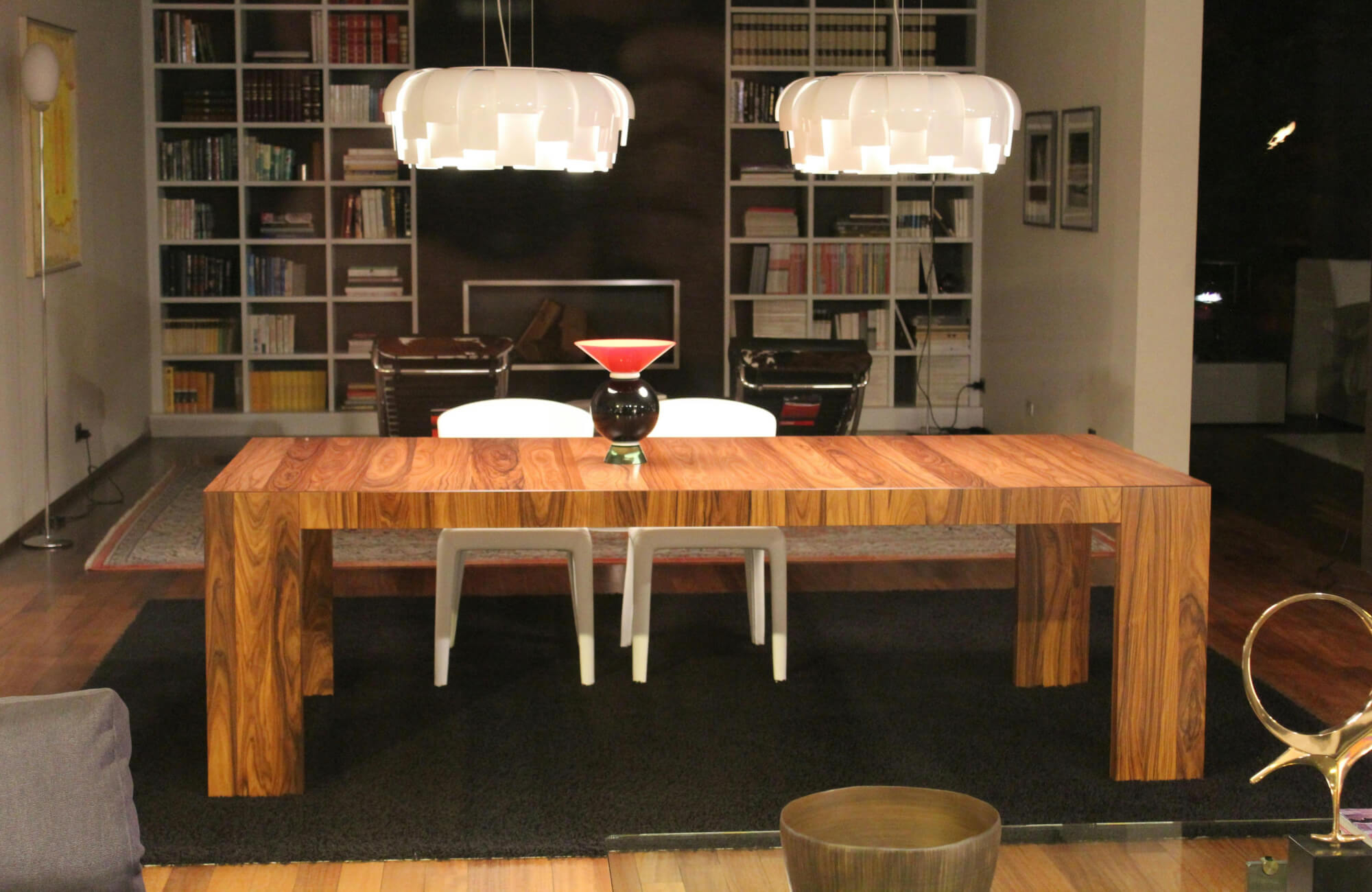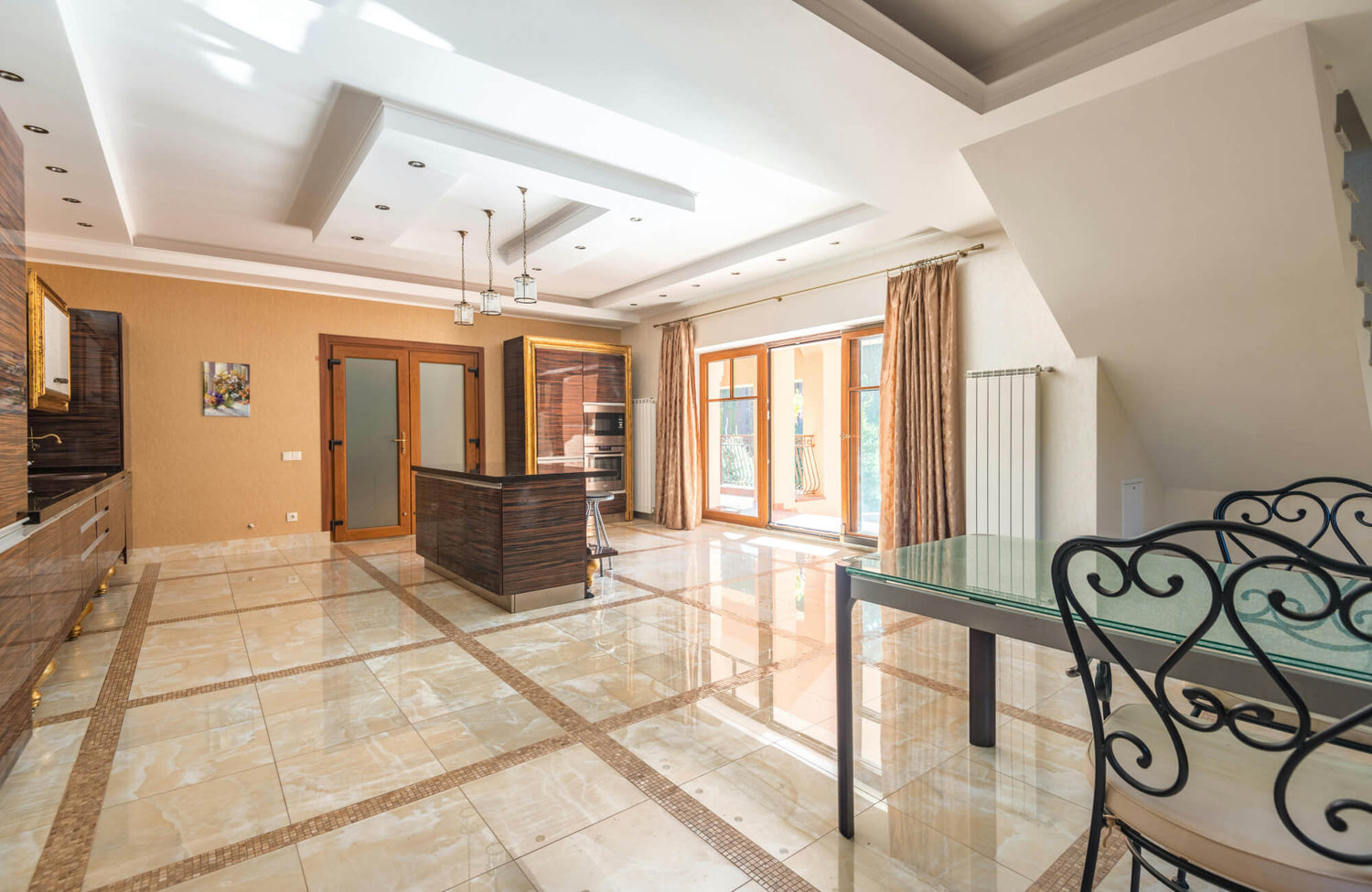
Marble floors have long been admired for their timeless beauty, and their presence instantly elevates the atmosphere of any space. Yet when that space experiences constant movement, shifting temperatures, and daily wear, the story becomes more complex. Many people love the idea of marble but hesitate when imagining it placed in a bustling kitchen, an active hallway, or a commercial lobby where every step leaves a mark.
As a result, marble look tile alternatives have gained widespread attention, offering the visual appeal of natural stone with far fewer maintenance concerns. Porcelain tiles that mimic the veining and depth of marble also promise greater scratch resistance, moisture protection, and long-term durability, making them a convenient choice for busy spaces.

Understanding How Marble Responds To Constant Use
Marble’s ability to withstand constant movement begins with the way it is formed and the unique mineral structure it develops under intense geological pressure. Although it is softer than many other natural stones, its durability is far more dependent on the arrangement and density of its calcite crystals than on its hardness alone. When these crystals interlock tightly, the stone becomes more capable of absorbing impact, resisting scratches, and maintaining structural stability even when subjected to repetitive use.
Because these structural characteristics vary among marble types, some stones consistently outperform others in busy settings. Carrara, Thassos, Calacatta, and Crema Marfil, for example, offer higher crystalline density and lower absorption rates, which help protect the stone from pitting, surface weakness, and moisture-related wear. Furthermore, the pattern of veining reveals how evenly stress will distribute across the tile; stones with subtle, uniform veining tend to handle force more effectively than varieties with dramatic, contrasting patterns.
In spaces like the elegant entryway seen above, many often look for materials that combine the refined appearance of marble with the practicality needed for everyday living. A good example is our Leona 24x24 Checkerboard Polished Porcelain Tile in Calacatta and Marfil, a porcelain interpretation of the classic white and beige marble palette. This option offers the visual warmth and veining variation found in natural stone while providing greater resistance to scratching, staining, and moisture, making it well-suited for busy areas like the one pictured.

Environmental Conditions That Affect Marble Durability
Marble reacts continuously to the environment around it, and even subtle shifts in temperature and humidity can influence how well it holds up in busy areas. Because the stone contains microscopic pores and fissures, it naturally absorbs and releases moisture depending on the surrounding air. When humidity rises, these tiny voids swell; when the air becomes dry, they contract. Over time, this repeated cycle places stress on the boundaries between calcite crystals, gradually weakening the stone from within. Maintaining stable indoor humidity, ideally between 40% and 55%, helps reduce this internal strain. In regions with dramatic seasonal changes or coastal moisture, using a breathable penetrating sealer also adds another layer of protection by limiting water absorption without trapping vapor.
However, environmental impact extends beyond humidity. Airborne dust and fine debris introduce a different but equally persistent challenge. Dust may appear harmless, yet many particles contain abrasive minerals like silica that scratch marble when compressed underfoot. As these particles settle onto the surface and are repeatedly walked over, they slowly erode the finish and reduce the stone’s clarity. This effect becomes more noticeable in busy areas where movement never really stops.
In kitchens and walk-through spaces like the one shown above, many opt for materials that visually mimic marble but offer stronger resistance to environmental changes and daily use. A practical example is our Leona 24x24 Checkerboard Matte Porcelain Tile in Marfil and Nero Marquina, which replicates the classic beige and black marble pairing seen in traditional checkerboard floors. Because it is made of porcelain rather than natural stone, it resists humidity fluctuations, scratching from airborne dust, and daily wear, making it a reliable alternative for spaces where both elegance and durability are essential.

Maintenance Practices That Directly Influence Marble Lifespan
Marble’s long-term performance depends heavily on how consistently and carefully you maintain it, especially in areas where usage never slows down. Even though marble has natural vulnerabilities, the right routine can dramatically extend its lifespan and preserve its elegance. Daily removal of grit prevents micro-scratches, weekly pH-neutral cleaning keeps residue from dulling the surface, and monthly inspections help you catch early signs of wear before they develop into noticeable damage. Since different marble types may have specific care requirements, always refer to the manufacturer or supplier’s maintenance recommendations to ensure the stone receives the proper treatment for long-term performance.
In addition to regular upkeep, professional care plays a vital role in keeping marble strong and visually striking over the years. Through honing and polishing, a specialist can remove worn surface layers, erase traffic patterns, and restore the glossy finish that makes marble so distinctive. Resealing follows as a crucial final step, reinforcing the stone’s natural defenses against moisture and staining. Because marble is restorable, these periodic treatments, typically needed every 18 to 36 months depending on traffic, also give the material a fresh start and significantly extend its serviceable life.

Design Strategies That Increase Marble Performance In Busy Areas
Design plays a crucial role in how well marble withstands the demands of busy environments, and even small decisions can dramatically influence long-term durability. When you choose larger tile formats and simpler layout patterns, the floor experiences fewer weak points because there are fewer grout lines and fewer corners where stress can concentrate. This allows the marble to distribute weight more evenly, reducing the likelihood of cracking, chipping, or premature dulling. Although intricate patterns may create visual interest, they also introduce vulnerabilities that accumulate wear much faster. By contrast, clean, straightforward layouts support the stone’s natural strength and help preserve its smooth, refined surface over time.
Beyond layout choices, the transitions and surrounding materials you use can significantly enhance how well marble holds up in busy areas. Entry points, hallways, and other busy zones benefit from buffers such as more durable stone, porcelain panels, or recessed rug wells that catch debris and absorb the first wave of abrasion. These protective elements also prevent sand, grit, and moisture from being dragged onto the marble, where they would otherwise scratch or dull the finish. Additionally, strategically integrating complementary materials at thresholds and room connections guides usage more predictably, minimizing excessive wear in any single area. Altogether, thoughtful design strategies create a supportive environment that shields your marble from constant friction, allowing it to maintain its elegance and integrity even under continuous use.

Comparing Marble To Other Flooring Options
Choosing the right flooring for a busy space often involves comparing marble to materials that promise easier maintenance or greater durability. Each alternative offers its own strengths, so understanding how they perform under pressure helps you evaluate what you gain and what you sacrifice with each choice.
Porcelain
Porcelain consistently stands out as the most durable competitor to marble, especially in busy environments. Because it is fired at extremely high temperatures, porcelain becomes exceptionally dense and impervious to water. This structure gives it unmatched scratch resistance, allowing it to handle abrasive grit, constant use, and shifting furniture with minimal impact. Even in commercial settings, porcelain also maintains its appearance long after other materials would begin showing signs of fatigue. Although marble offers a refinable surface, porcelain’s low-maintenance performance makes it the superior option when durability is the top priority.
What truly sets porcelain apart is its ability to maintain its finish with very little upkeep. It does not require sealing, polishing, or specialty cleaners, and it resists staining far better than marble ever could. Although porcelain cannot be restored once deeply damaged, these situations are rare because of its exceptional strength. For many busy spaces such as offices, retail environments, and modern homes, porcelain offers the most reliable combination of resilience, simplicity, and long-term dependability.
Selecting the right surface material becomes especially important in areas where moisture, temperature shifts, and regular use constantly interact. Hexagon mosaics, in particular, are often chosen for their balance of elegance and function—they create visual texture while naturally improving traction underfoot. One option that embodies these advantages is our Aniston 2x2 Matte Porcelain Hexagon Mosaic Tile in Calacatta Quarzite, displayed in the picture above. Featuring a soft white base with gentle gray veining, it delivers the sophistication of natural stone while offering the durability, water resistance, and low maintenance expected from high-quality porcelain.
LVT
Luxury vinyl tile offers convenience and resilience, making it an appealing choice for spaces where moisture, spills, or impact are constant concerns. It resists scratches better than many natural stones, and its synthetic surface prevents stains from seeping in. Because it is softer underfoot, LVT absorbs shock better than marble, reducing the risk of chipping or cracking. These qualities make LVT a comfortable and user-friendly option in kitchens, playrooms, and multipurpose areas.
However, while LVT performs well from a maintenance standpoint, it still cannot match the thermal density, long-term aging, or refinishing capabilities that define marble. Its wear patterns cannot be restored once they appear, and its lifespan, though respectable, remains shorter than natural stone. When compared to porcelain, LVT also falls behind in overall durability, since porcelain offers far greater scratch resistance and long-term structural stability. LVT provides practicality and comfort, but it cannot compete with the longevity of porcelain or the restorable beauty of marble, making it best suited for users who prioritize ease over enduring performance.
Glass Flooring
Glass flooring offers a striking visual impact, often used in modern interiors to introduce transparency and drama. While tempered and laminated glass panels are engineered to withstand substantial weight, they are far more susceptible to scratches and visible surface abrasions than marble, porcelain, or even LVT. In busy areas, these imperfections accumulate quickly, making the floor look worn much sooner than expected.
Although glass can create an unforgettable architectural feature, it is not designed for repeated friction or constant foot movement. Smudging, dulling, and etching appear rapidly, and repairs are costly. For this reason, glass flooring is best reserved for low-traffic areas or decorative installations—not spaces where durability is the primary concern.
Engineered Stone And Composite Tile
Engineered stone and composite tiles offer a practical middle ground for those who want the look of natural materials with enhanced durability. These products are manufactured to resist stains, moisture, and surface wear more effectively than traditional marble, which makes them a dependable choice for areas that experience moderate use or occasional spills. Their consistent composition also allows for predictable performance, which some users may prefer over the natural variations found in authentic stone.
However, even with these advantages, engineered options still fall short of porcelain when it comes to long-term strength and overall resilience. They also cannot match marble’s restorable surface, as wear patterns on engineered tiles are often permanent and cannot be refinished back to their original condition. Because of this limitation, these tiles deliver convenience and stability but lack the lifespan and renewal potential that make porcelain and marble stand out in demanding, high-use environments.
Choosing The Right Surface For Busy Spaces
Marble can perform well in busy areas when you select a dense, high-quality variety and support it with stable conditions, thoughtful layout choices, and consistent maintenance. Its restorable surface and natural elegance give it long-term value that many materials cannot match. However, if you want the beauty of marble with fewer upkeep demands, porcelain remains the strongest alternative because of its exceptional scratch resistance, moisture protection, and ability to maintain its appearance with minimal effort. This makes porcelain especially appealing for busy homes and commercial spaces where reliability and convenience matter just as much as style.
If you are ready to explore porcelain options that offer both durability and refined design, Edward Martin makes it easy to see how different looks will fit your space. You can preview porcelain styles in real time using our augmented reality (AR) tool, which allows you to visualize patterns and finishes directly within your room. For a closer look, you can also request physical samples through our request samples page so you can compare textures, colors, and details before making your final decision.