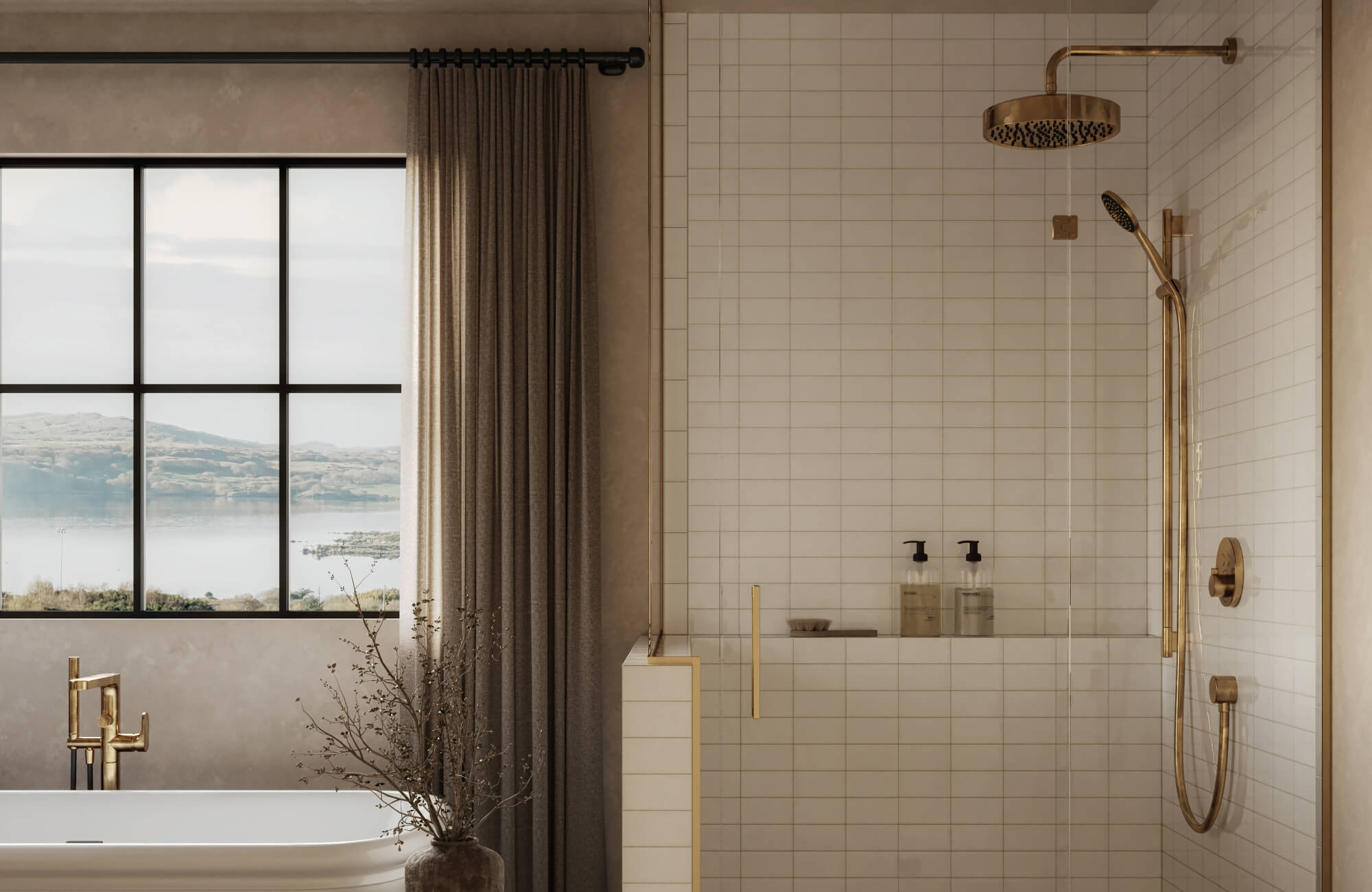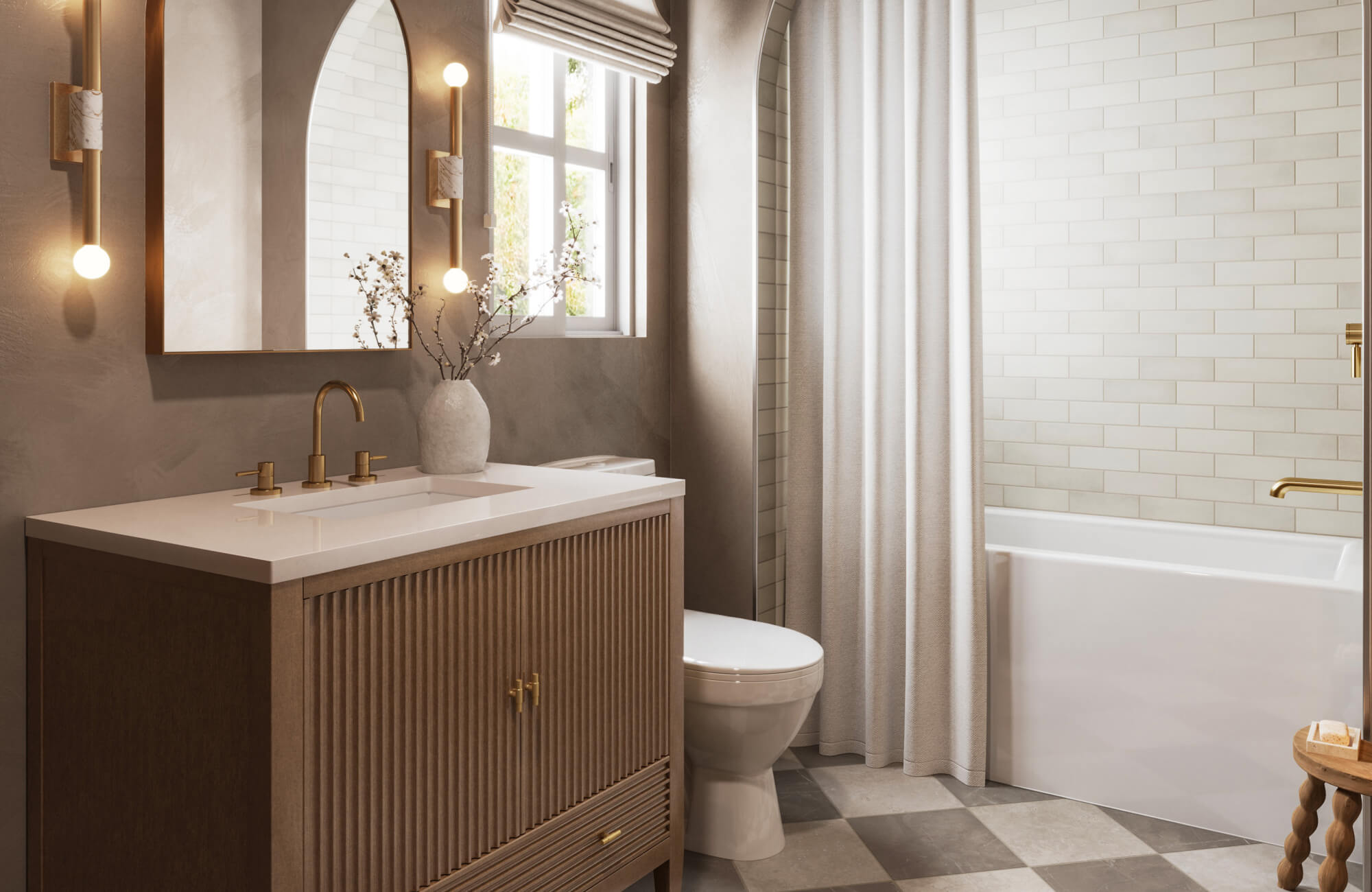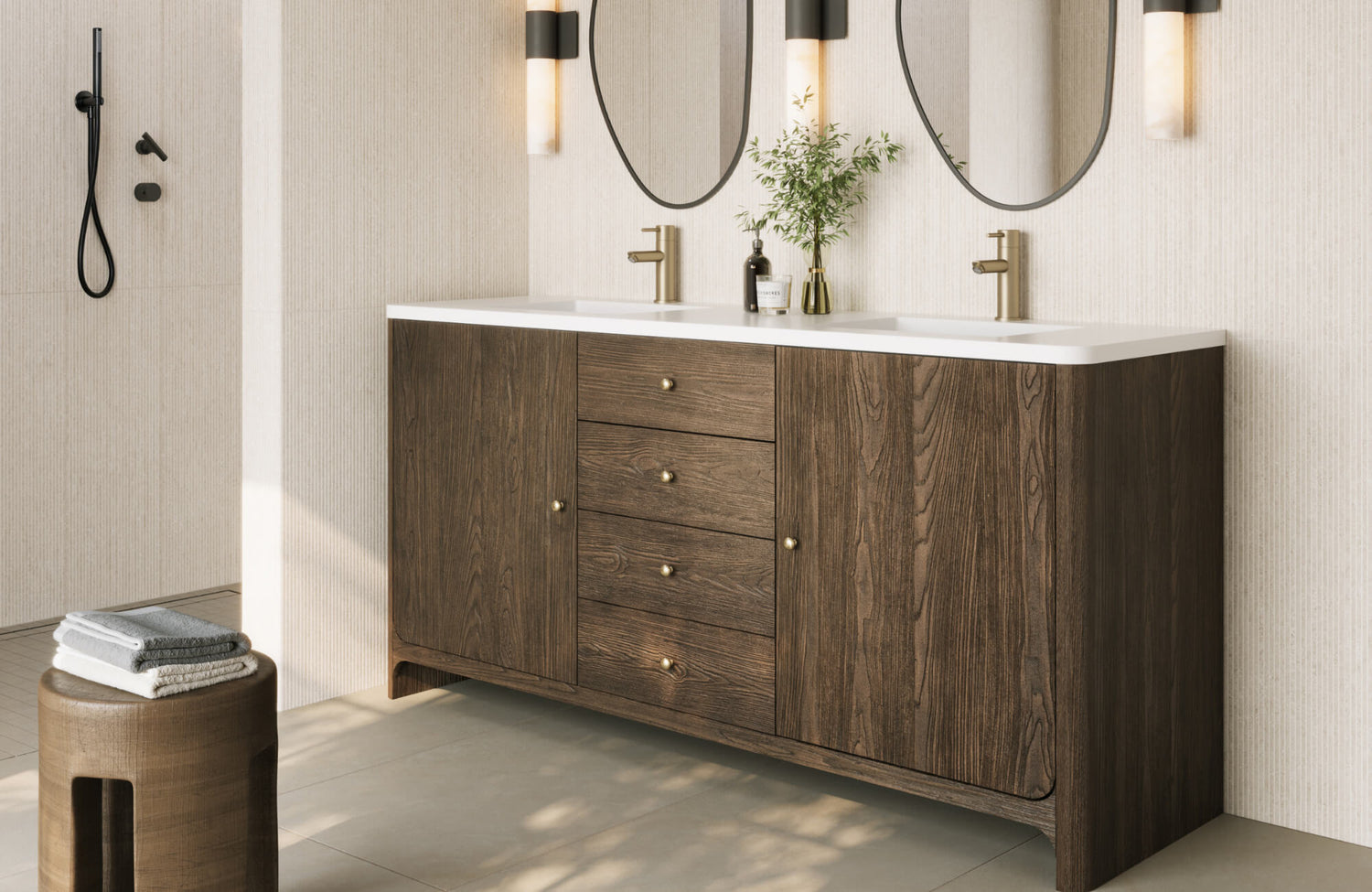
In the realm of bathroom design, few features spark as much debate as the double vanity. This dual-sink setup, often seen in primary and shared baths, blends personal convenience with visual symmetry, but not without spatial and structural trade-offs. While it can streamline busy routines and boost a room’s aesthetic polish, it also demands ample square footage, precise plumbing planning, and thoughtful layout execution.
For those weighing form against function, the decision isn’t always straightforward. A well-designed double vanity can enhance day-to-day usability and even bolster resale value, but missteps in configuration can lead to cramped, inefficient spaces. In this article, we’ll unpack the full picture, exploring the benefits, limitations, and smart alternatives to help you determine if a double vanity truly fits your space and lifestyle.

The Allure of Double Vanities Unpacking the Benefits
Thanks to their thoughtful blend of style and utility, double vanities have become more than just a luxury; they’re often seen as a smart solution for modern living. From improving daily routines to enhancing storage and boosting a home’s appeal, their benefits reach far beyond the surface.
Enhanced Personal Space and Comfort
One of the most compelling advantages of double vanities is the personal space they afford. In shared bathrooms, whether used by couples, siblings, or roommates, a dual-sink setup allows multiple users to get ready simultaneously, minimizing congestion during busy hours. With each person having their own basin, faucet, and mirror, the setup promotes smoother routines and better organization.
This autonomy can be further elevated through custom millwork that adapts to individual height preferences and accessory placements. When paired with ergonomic features and targeted task lighting, such as wall sconces or LED-backlit mirrors, double vanities offer both comfort and clarity for grooming tasks.
Increased Storage and Counter Space
In addition to added comfort, double vanities provide significant storage and countertop benefits. With widths typically ranging from 60 to 72 inches, these units offer ample space for organizing essentials. Designers can incorporate multiple drawers, under-sink compartments, and vertical towers to house toiletries and grooming tools with ease.
However, increased functionality also brings technical considerations. For example, dual P-traps and supply lines may reduce under-sink cabinet space, but thoughtful construction solutions, like U-shaped drawers or modular inserts, can restore usability. Meanwhile, durable materials such as quartz or solid-surface countertops stand up well to the moisture and wear common in high-use bathrooms.
A standout example of this balance is Edward Martin’s Colton 72" Double Vanity in Coastal Driftwood with a 3 cm White Zeus Quartz Top, as shown in the image above. With broad drawers, a resilient quartz surface, and refined detailing, it blends everyday function with elevated design, making it a fitting centerpiece for any master or shared bath.
Aesthetic Appeal and Property Value
Beyond everyday practicality, double vanities also make a strong visual and financial impact. Their symmetrical layout serves as a design anchor, supporting a variety of interior styles, from modern minimalism to farmhouse charm, through customizable finishes like fluted drawer fronts, vessel sinks, and integrated lighting.
Moreover, they enhance resale potential. Real estate professionals and appraisers often view dual sinks as a premium feature, particularly in master en suites. In competitive markets, such upgrades not only appeal to buyers but can also contribute meaningfully to a home’s perceived and appraised value.

Navigating the Drawbacks of Double Vanities
While double vanities offer clear perks, they’re not without their complications, especially when space, cost, and upkeep come into play. Understanding these drawbacks is key to deciding whether this upgrade truly fits your bathroom and lifestyle.
Space Requirements and Layout Limitations
Double vanities demand a considerable footprint, typically 60 to 72 inches wide, plus extra clearance to meet functional guidelines, such as 30 inches of unobstructed floor space in front and at least 15 inches from each sink’s centerline to adjacent walls. These spatial demands can strain smaller bathrooms, often crowding out essential features like linen storage or comfortable shower access.
In retrofit scenarios, accommodating a second sink may also involve reworking plumbing and electrical systems. This can add time and cost to your project. However, with proper planning and thoughtful design, even modest spaces can successfully incorporate a double vanity without sacrificing flow or function, proving that it's still a strong contender for well-optimized bathrooms.
Higher Installation and Material Costs
Cost is another major consideration. Doubling up on fixtures, sinks, faucets, and drain assemblies naturally raises material expenses. In remodeling projects, rerouting supply lines or modifying rough-ins for a second sink increases plumbing labor. Larger countertops and cabinetry further add to fabrication and installation costs. Because these adjustments often involve electrical and plumbing systems, it’s always best to hire licensed professionals to ensure code compliance, safety, and long-term durability.
Add-ons like dual mirrors, enhanced lighting, and GFCI outlets can also increase overall investment. Yet many homeowners find that the added convenience, design cohesion, and resale appeal more than justify the upfront cost, especially when selecting timeless finishes and quality craftsmanship.
Maintenance and Cleaning Challenges
Ongoing maintenance is an often-overlooked factor that can impact both convenience and longevity. More components mean more upkeep; two sinks double the potential for soap residue, toothpaste buildup, and plumbing issues. Regular cleaning and periodic maintenance, such as aerator descaling and trap flushing, are essential for optimal performance. For best results, always consult the manufacturer’s care and maintenance guidelines to ensure proper handling of materials and fixtures.
Additionally, wider vanities with dual plumbing routes are more prone to moisture-related wear if not properly sealed or constructed with water-resistant materials. Cleaning behind and around these larger units may require extra effort in tighter spaces. That said, many modern designs, especially those with floating bases, durable surfaces, or easy-access plumbing, help mitigate these concerns and make the maintenance well worth the extra functionality and style.

Practical Considerations Before You Buy
Before investing in a double vanity, it’s important to look beyond aesthetics and assess how well it fits into your everyday life. From layout limitations to long-term value, several practical factors can influence whether this upgrade is truly the right call for your space.
Bathroom Size and Configuration
Successful integration starts with a realistic assessment of your bathroom’s footprint. Most double vanities require at least 60 inches in width, though 72 inches provides more comfort and greater storage potential. To maintain usability and comply with best practices, the National Kitchen & Bath Association (NKBA) recommends a minimum of 36 inches of clearance in front of the vanity.
In new builds, planning for symmetrical plumbing is typically straightforward. However, in retrofit scenarios, it may involve relocating supply lines and modifying cabinetry, adding both time and cost to the project. Beyond measurements, spatial context matters: door swings, proximity to fixtures, and access to natural light can all influence how well the vanity functions within the overall layout.
For example, Edward Martin’s Paxton 72" Double Vanity in Pebble Oak with a 3 cm White Zeus Quartz Top, as displayed in the photo above, illustrates thoughtful integration. With its ample width, balanced drawer placement, and open base for visual lightness, it fits larger bathrooms effortlessly, enhancing both flow and function without feeling overbearing.
Budget and Long-Term Investment
In addition to space, budget is a key consideration. While upfront costs vary, ranging from $1,200 for basic models to over $5,000 for high-end custom options, the long-term value can be considerable. Dual-sink vanities are often seen as upgrades in master suites and tend to appeal to both appraisers and prospective buyers.
Beyond the base price, it’s important to factor in labor, plumbing, electrical work, and material upgrades such as quartz countertops or moisture-resistant cabinetry. To make the most of your investment, prioritize durable, low-maintenance materials and solid craftsmanship that will stand the test of time.
Lifestyle and Usage Patterns
Your daily routine is another key factor in determining whether a double vanity offers true practicality. For couples or families who frequently share bathroom time, dual access can reduce stress and streamline busy mornings. On the other hand, if only one person typically uses the space, a second sink might consume valuable storage or counter area without offering much added benefit.
Take a moment to consider grooming habits, power outlet needs, and organizational preferences. In many cases, a single larger vanity with smart storage may outperform a dual-sink setup in terms of practicality and comfort.
For households with consistently busy routines, Edward Martin’s Holly 72" Double Vanity in Sunwashed Oak with a 3 cm White Zeus Quartz Top offers a well-balanced solution. With fluted fronts, ample surface space, and an open shelf, it supports shared use while maintaining a clean, cohesive aesthetic.

Exploring Alternatives and Creative Solutions
If a double vanity isn’t the right fit for your space or budget, that doesn’t mean you have to sacrifice function or style. With a little creativity, there are smart alternatives that offer many of the same benefits, often with added flexibility and charm.
Single Vanity with Expanded Counter Space
One of the most practical substitutes is a wider single vanity, typically 48 to 60 inches, that delivers ample counter space for shared use without the plumbing complexity or spatial demands of two sinks. By shifting the basin to one side, you can free up a broad surface area, ideal for organizing toiletries or grooming essentials.
Features such as pull-out drawers with integrated power, solid-surface or quartz countertops, and seamless sink designs also contribute to both functionality and ease of maintenance. A standout example of this approach is Edward Martin’s Abigail 60" Single Vanity in Light Natural Oak with a 3 cm White Zeus Quartz Top, as shown in the photo above. With its centered basin, generous quartz surface, and elegant detailing, it offers a refined solution for households focused on counter usability and smart storage, all within a single-sink configuration.
His and Hers Zones with Separate Elements
For those seeking a more customized setup, separate "His and Hers" zones can provide the benefits of dual use without relying on one continuous vanity. Positioned on opposite or adjacent walls, this layout enhances foot flow, especially in elongated or U-shaped floor plans, and supports personalization.
Incorporating floating vanities, wall-mounted faucets, or open shelving can also maximize usable space. When each station is tailored with its own finishes, lighting, and fixtures, the result is a highly individualized experience that aligns with each user’s habits and preferences.
Innovative Storage Solutions
Even when space limits your options, innovative storage solutions can significantly boost bathroom functionality. For instance, vertical features like recessed medicine cabinets or tall linen towers make excellent use of wall space, while toe-kick drawers, tilt-out trays, and modular inserts help reduce countertop clutter.
To further enhance utility, mirror cabinets with integrated lighting and charging ports offer a sleek way to combine technology and design. Together, these features help bridge functionality gaps typically covered by double vanities, especially in more compact layouts.
To make the process seamless, Edward Martin’s design consultation service offers personalized guidance, from layout concepts to finish selections. A dedicated designer works one-on-one with you to tailor solutions that fit your space, with follow-ups to ensure every detail aligns with your goals.
For additional support, whether it’s finding the right product, confirming layout compatibility, or selecting the perfect rug, contact Edward Martin’s team. We’re here to provide expert recommendations tailored specifically to your space.
How to Decide What’s Best for Your Bathroom
Double vanities can be a smart investment when space and layout allow, offering both functional ease and visual cohesion. However, their true value lies in how well they integrate with your lifestyle, without compromising flow, storage, or long-term flexibility. Before committing, it’s worth asking whether the added luxury enhances your daily rhythm or simply adds bulk to your blueprint.
At Edward Martin, we believe the best designs are rooted in both beauty and intention. Take the time to evaluate your space, habits, and goals, then let thoughtful planning guide your next bathroom upgrade!