Checkerboard marble tiles often catch people’s attention the moment they walk into a room. From historic European foyers to modern kitchens and entryways, this bold pattern has remained a recognizable design feature for generations. Still, deciding whether to install marble flooring involves more than liking the look. Homeowners also need to think about durability, maintenance, and how the pattern fits their overall design plans. In this blog, we’ll walk through the design strengths, practical considerations, and modern alternatives that can help you decide if checkerboard marble tiles are the right investment for your home.

Design Versatility
Checkerboard marble tiles remain popular largely because they work in so many different design styles. The alternating pattern naturally draws attention, yet it can feel classic, modern, or even relaxed depending on the colors and materials around it. For homeowners, this flexibility makes checkerboard marble an appealing option when designing spaces that need both visual character and long-term style.
Classic Elegance
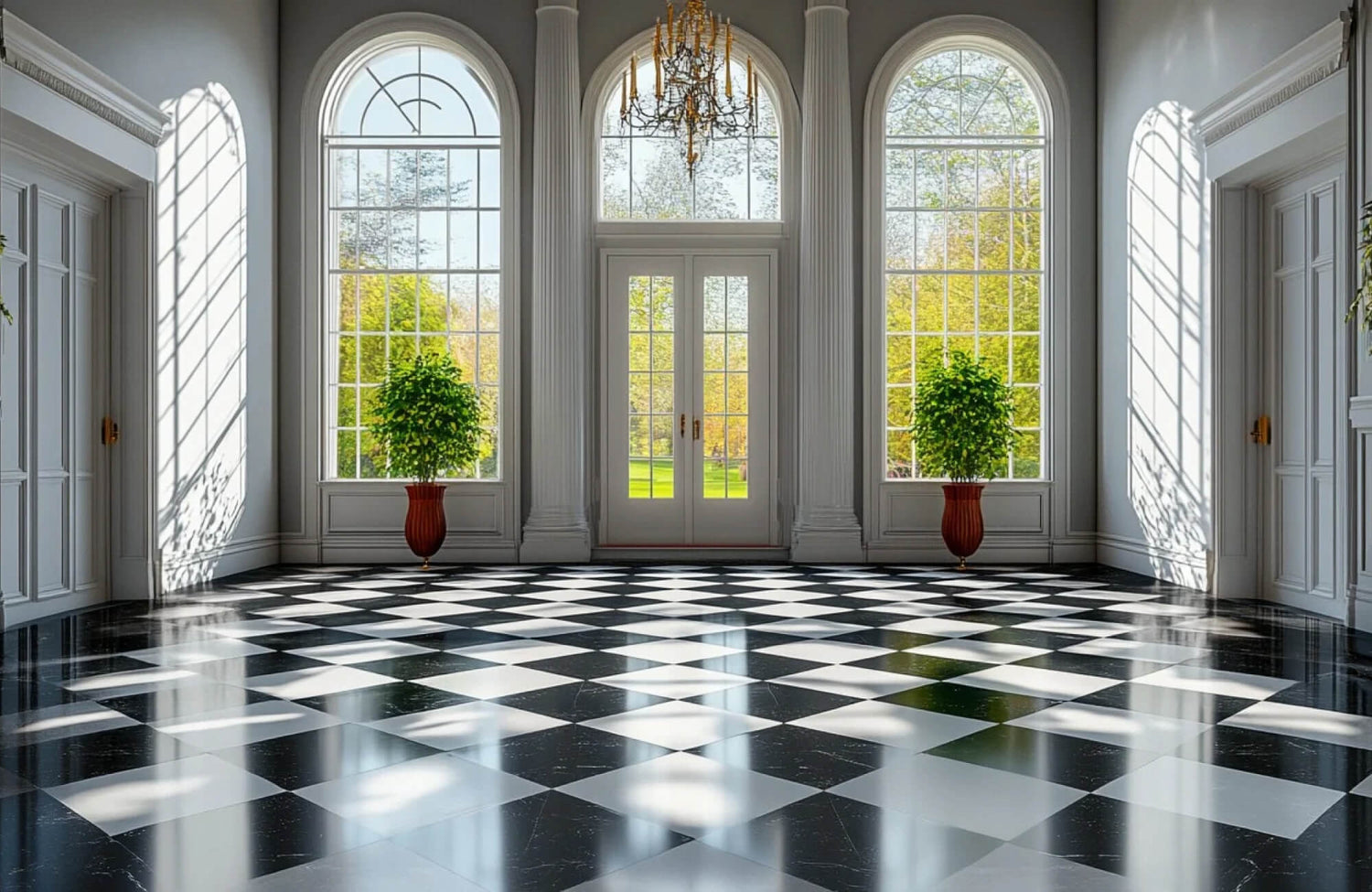
In traditional interiors, checkerboard marble flooring often brings a sense of timeless refinement. The familiar black and white combination works especially well in entryways, hallways, and formal dining areas where architectural details are meant to stand out. Many homeowners pair this pattern with ornate moldings, decorative trim, or crystal lighting to reinforce a more formal atmosphere. Antique furniture, carved wood pieces, and rich fabrics also complement marble’s natural character. Because marble has been used in architecture for centuries, it feels right at home in spaces that celebrate classic design. For homeowners who appreciate traditional interiors, checkerboard marble often becomes a striking yet enduring foundation.
Modern Minimalism
Checkerboard marble can also fit beautifully into modern and minimalist homes. When paired with a simple palette such as black and white or soft gray and white, the pattern adds structure without making the space feel busy. Many homeowners balance the floor with clean cabinetry, simple furniture silhouettes, and neutral wall colors. Glass surfaces, matte metal finishes, and subtle lighting can further support the streamlined look. The repeating geometry of the checkerboard layout works well with contemporary design that favors order and clarity. In these spaces, the floor often becomes the main visual feature while the rest of the room remains calm and uncluttered.
Mediterranean Charm
For homeowners drawn to Mediterranean-style interiors, checkerboard marble can help create a warm and inviting atmosphere. Instead of high-contrast black and white, softer combinations like beige and brown bring a sun-washed feel to the space. These tones work naturally with terracotta accents, textured plaster walls, and exposed wood beams. Wrought iron fixtures and handcrafted furniture can further reinforce the relaxed character of the room. Many homeowners appreciate how the pattern introduces visual interest without competing with other natural materials. With the right palette, checkerboard marble can easily support a space that feels comfortable, earthy, and welcoming.
Art Deco Glamour
The bold geometry of checkerboard marble pairs especially well with Art Deco-inspired interiors. High-contrast combinations such as black and white or black and gold echo the dramatic style often associated with this design era. Many homeowners complement the floor with mirrored surfaces, polished metals, and sculptural lighting. Sleek furniture pieces with curved edges or lacquered finishes can further highlight the sense of glamour in the room. Because Art Deco celebrates symmetry and strong shapes, the checkerboard pattern fits naturally within the overall design language. In these spaces, the flooring helps create a sophisticated atmosphere that feels both bold and elegant.
Creative Applications Beyond Flooring
Although checkerboard marble is most commonly used on floors, homeowners often find creative ways to use the pattern elsewhere. In kitchens or bathrooms, a checkerboard marble backsplash can immediately draw the eye and introduce a distinctive focal point. Some outdoor spaces also benefit from the pattern, especially patios or pool surrounds where stone materials already feel appropriate. Designers sometimes incorporate checkerboard marble into furniture pieces like coffee tables or side tables, turning the pattern into a statement feature. Smaller accents such as trays, coasters, or decorative surfaces can echo the look without dominating the room. These creative uses allow homeowners to enjoy the pattern in subtle ways throughout their home.

Practical Considerations
Checkerboard marble tiles certainly bring visual impact, yet homeowners should also think about how the material performs in everyday living. Factors such as durability, upkeep, and long-term care can influence whether marble fits your lifestyle and the way each room is used. Taking a closer look at these practical aspects helps ensure the flooring choice looks beautiful while still working well for your home.
Durability
Marble is a strong natural stone, though it still requires some care when used in busy areas of the home. Entryways, kitchens, and hallways tend to see more movement, which means the surface may gradually show signs of wear over time. Marble can also react to acidic substances like wine, citrus juice, or vinegar, which may leave faint etching if spills sit too long. Many homeowners address this by selecting high-quality marble with a dense structure that holds up better over the years. Proper installation also plays a big role in how well the flooring performs, especially when skilled installers use reliable adhesives and grout. With thoughtful material selection and careful installation, marble floors can remain both durable and visually striking for decades.
Maintenance
Maintaining checkerboard marble tiles does require a consistent care routine, though many homeowners find it manageable once it becomes part of regular cleaning habits. Sweeping or vacuuming helps remove grit and dust that might scratch the surface when walked on. When spills happen, wiping them up quickly with a soft cloth helps prevent stains from settling into the stone. Gentle cleaners designed specifically for marble are usually recommended since harsh chemicals can dull the finish. Many homeowners also schedule a deeper cleaning every week using a damp mop and a pH-neutral solution to keep the surface fresh. Periodically sealing the marble, often every one to two years, adds another layer of protection that helps the tiles maintain their natural shine and elegance.

Cost Analysis
Checkerboard marble tiles often come with a higher upfront price, which is why many homeowners pause before committing to them. Still, looking only at the initial cost does not always give the full picture. Installation expenses, long-term durability, and the value they add to a home all play an important role when evaluating whether marble flooring makes financial sense.
Initial Investment
The starting cost of checkerboard marble flooring largely depends on the type of marble and the complexity of the installation. Premium varieties such as Calacatta or Carrara are often priced higher because of their distinctive veining and refined color tones. The checkerboard layout itself can also increase labor costs since installers must carefully align each tile to maintain the pattern. In some cases, homeowners choose larger tiles to reduce grout lines, though these typically cost more per square foot. Professional installation adds another layer to the overall expense, with pricing varying based on location and installer expertise. Even with the higher upfront investment, many homeowners view marble as a premium material that delivers long-lasting visual impact.
Long-Term Value
Beyond the initial expense, checkerboard marble tiles can contribute meaningful value to a property over time. Marble flooring is often associated with luxury interiors, which can make a home feel more refined and appealing to potential buyers. In certain markets, distinctive materials like marble floors can even help a property stand out during resale. Another advantage many homeowners appreciate is marble’s longevity, especially when the flooring is properly installed and maintained. Floors that last for decades reduce the need for replacement, which can balance out the higher initial investment. For homeowners focused on long-term quality and visual appeal, marble flooring often feels like a worthwhile addition to the home.

Key Factors to Consider Before Investing
Checkerboard marble tiles can make a striking design statement, yet a few practical considerations should come first before committing to the investment. Homeowners often find that the success of this pattern depends on how well it fits the space, how carefully it is installed, and how it aligns with broader design trends. Taking a moment to think through these factors helps ensure the flooring feels intentional and continues to work well with the home for many years.
Design Suitability for Your Space
Checkerboard marble tiles bring strong visual contrast, which means they work best in spaces where the pattern complements the overall design. Homes with classic, eclectic, or modern interiors often accommodate the pattern easily because the bold layout adds character without clashing with surrounding elements. In more minimal environments, however, the high contrast can sometimes feel visually heavy if the rest of the space is very understated. Many homeowners prefer using checkerboard floors in entryways, kitchens, or bathrooms where the pattern can act as a centerpiece. Choosing the right tile size also makes a difference since larger tiles often feel calmer while smaller tiles create a busier surface. Paying attention to the style of furniture, wall finishes, and surrounding materials helps the pattern feel balanced within the room.
Room Size, Layout, and Lighting
The scale of the room plays an important role in how the checkerboard marble appears once installed. In smaller spaces, larger tiles can create a more open feeling by reducing the number of grout lines across the floor. Larger rooms sometimes benefit from medium-sized tiles that maintain the rhythm of the checkerboard pattern without feeling overwhelming. Lighting also changes the way the pattern reads visually throughout the day. Natural light tends to highlight the contrast between the tiles and makes the pattern feel crisp and vibrant. In darker rooms, the contrast may feel heavier, so homeowners often pair the flooring with lighter wall colors or reflective surfaces. Thinking about layout and lighting early helps the floor complement the room rather than dominate it.
Choosing the Right Marble Quality
Not all marble performs the same way, which is why material quality should be a top priority during selection. Lower-grade stone may contain more imperfections or inconsistent density, which can lead to cracking or staining over time. Many homeowners prefer marble that has a dense structure and consistent veining because it tends to hold up better under everyday use. Proper sealing also protects the surface and helps reduce the risk of stains or etching. Taking time to source marble from reputable suppliers often makes a noticeable difference in durability. For a long-term investment like flooring, selecting high-quality stone is one of the most important decisions homeowners can make.
Professional Installation and Pattern Precision
Checkerboard layouts require careful alignment, which makes installation particularly important. Each tile must be placed precisely so the alternating pattern stays clean and consistent across the room. Even small alignment issues can disrupt the visual rhythm of the floor and reduce the refined look many homeowners expect from marble. Skilled installers also prepare the subfloor carefully to keep the tiles level and properly supported. Hiring professionals with experience installing patterned stone flooring can prevent issues that might appear later. Careful installation helps the design look polished and ensures the flooring performs well for years.
Avoiding Overuse of the Checkerboard Pattern
While the checkerboard design is visually striking, it often works best when used strategically rather than throughout the entire home. Many homeowners prefer placing the pattern in areas where it naturally draws attention, such as foyers, kitchens, or powder rooms. When used in multiple rooms, the strong geometry may begin to compete with other design elements. Using the pattern as a focal point allows surrounding materials like wood cabinetry, natural stone, or simple wall finishes to balance the space. This approach helps the flooring stand out without overwhelming the overall design. A thoughtful layout keeps the pattern feeling intentional and visually comfortable.
Market Trends and Long-Term Appeal
Design trends can influence how certain materials are perceived over time, including checkerboard marble flooring. Recently, the pattern has seen renewed interest in modern-classic interiors where homeowners appreciate a blend of traditional materials and contemporary styling. Still, flooring decisions often last decades, so many buyers prefer timeless color combinations that remain visually relevant. Neutral palettes such as black and white or soft gray and white tend to age well across changing design trends. Regional preferences may also influence how the flooring is received in local housing markets. For homeowners thinking about long-term resale, it can be helpful to consider both personal style and broader design preferences in their area.

The Future of Checkerboard Marble Tiles
Checkerboard marble floors continue to inspire homeowners, yet many buyers today are also exploring materials that deliver the same visual impact with fewer practical concerns. Porcelain and ceramic marble-look tiles have become especially popular because they recreate the familiar checkerboard aesthetic while offering improved durability and easier care. For homeowners who appreciate the classic look of marble but want something more practical for modern living, these tiles present several compelling advantages.
Exceptional Durability for Everyday Living
Porcelain and ceramic marble-look tiles are known for their strong resistance to everyday wear. Unlike natural marble, these materials are less prone to scratching, chipping, or surface damage from furniture movement and regular household activity. Many homeowners appreciate how well they perform in kitchens, entryways, and other areas that experience frequent use. Porcelain in particular is extremely dense, which helps the surface stay stable even when exposed to temperature changes or humidity. Over time, this durability allows the flooring to maintain its appearance with fewer signs of wear. For busy households, that added resilience can make a noticeable difference in long-term performance.
Strong Resistance to Moisture and Stains
Moisture is one of the main concerns with natural marble, especially in kitchens, bathrooms, or laundry areas. Porcelain and ceramic tiles address this challenge by offering excellent water resistance. Their surfaces do not absorb liquids the way natural stone can, which helps prevent staining or discoloration. Homeowners often choose these tiles in areas where spills or humidity are more common. Even with regular cleaning, the material maintains its structure and appearance without the risk of warping or etching. This added protection makes marble-look tiles a dependable option for spaces where natural marble may require extra caution.
Lower Maintenance Requirements
Many homeowners are drawn to marble-look tiles because they are easier to maintain over time. Natural marble typically requires regular sealing and careful cleaning to prevent staining or etching. Porcelain and ceramic alternatives simplify this routine since they generally do not need sealing to protect the surface. Regular sweeping and occasional mopping with a mild cleaner are usually enough to keep the tiles looking fresh. Because the material resists stains and moisture, everyday spills are less likely to leave lasting marks. For homeowners who want the elegance of marble without committing to intensive upkeep, this lower-maintenance option can feel much more practical.
Realistic Marble Appearance with Design Flexibility
Modern manufacturing technology has made marble-look tiles remarkably convincing in both color and texture. Advanced digital printing techniques allow manufacturers to recreate detailed veining patterns that closely resemble natural stone. Homeowners can choose from a wide range of tones, from classic black and white checkerboard layouts to softer gray and cream variations. These tiles are also available in multiple finishes, including matte and polished surfaces, allowing the design to match different interior styles. Because the patterns are consistent across tiles, installers can create a clean and balanced checkerboard layout with greater control. This flexibility allows homeowners to achieve the timeless appeal of marble while using a material designed for modern living.
A great example of this balance between style and practicality is our Leona 24x24 Checkerboard Matte Porcelain Tile in Calacatta and Nero Marquina, shown above. This large format pairing highlights the soft gray veining of white Calacatta alongside the deep, dramatic black of Nero Marquina, creating a refined interpretation of the classic checkerboard floor. Its matte finish introduces a gentle texture that supports the natural marble look while helping reduce glare in bright spaces. With porcelain durability and a timeless pattern, it offers homeowners a sophisticated flooring option that feels both classic and well-suited for modern everyday living.
Cost-Effective Alternative with Long-Term Value
Another advantage of porcelain and ceramic marble-look tiles is their overall cost efficiency. Natural marble often comes with higher material costs along with specialized installation requirements. Marble-look tiles tend to be more affordable while still delivering a sophisticated appearance. Homeowners can achieve the classic checkerboard aesthetic without the same level of investment or long-term maintenance expenses. Over time, the durability of porcelain and ceramic flooring can reduce the need for repairs or replacements. For buyers who want both style and practicality, these materials often provide a balanced solution that works well in modern homes.
Making the Right Choice for Your Home and Design Vision
Checkerboard marble tiles continue to appeal to homeowners because they bring a bold pattern that still feels timeless in many interiors. When placed thoughtfully, the design can elevate entryways, kitchens, and other focal areas while adding structure and visual interest to the room. At the same time, factors such as installation quality, maintenance needs, and overall design compatibility should always be part of the decision. Thinking through these elements carefully helps homeowners choose flooring that supports both their lifestyle and long-term design plans.
If you're exploring checkerboard marble or marble-look tile options, getting expert guidance can make the process much easier. Through Edward Martin’s personalized design consultation, homeowners can receive tailored recommendations based on room layout, lighting, material preferences, and overall design goals. This allows you to explore different tile options and visualize how they may work in your space before making a final decision. With the right planning and support, selecting a flooring material that balances beauty, durability, and practicality becomes a much more confident step forward.